Perfect weekend in Denver, Colorado.
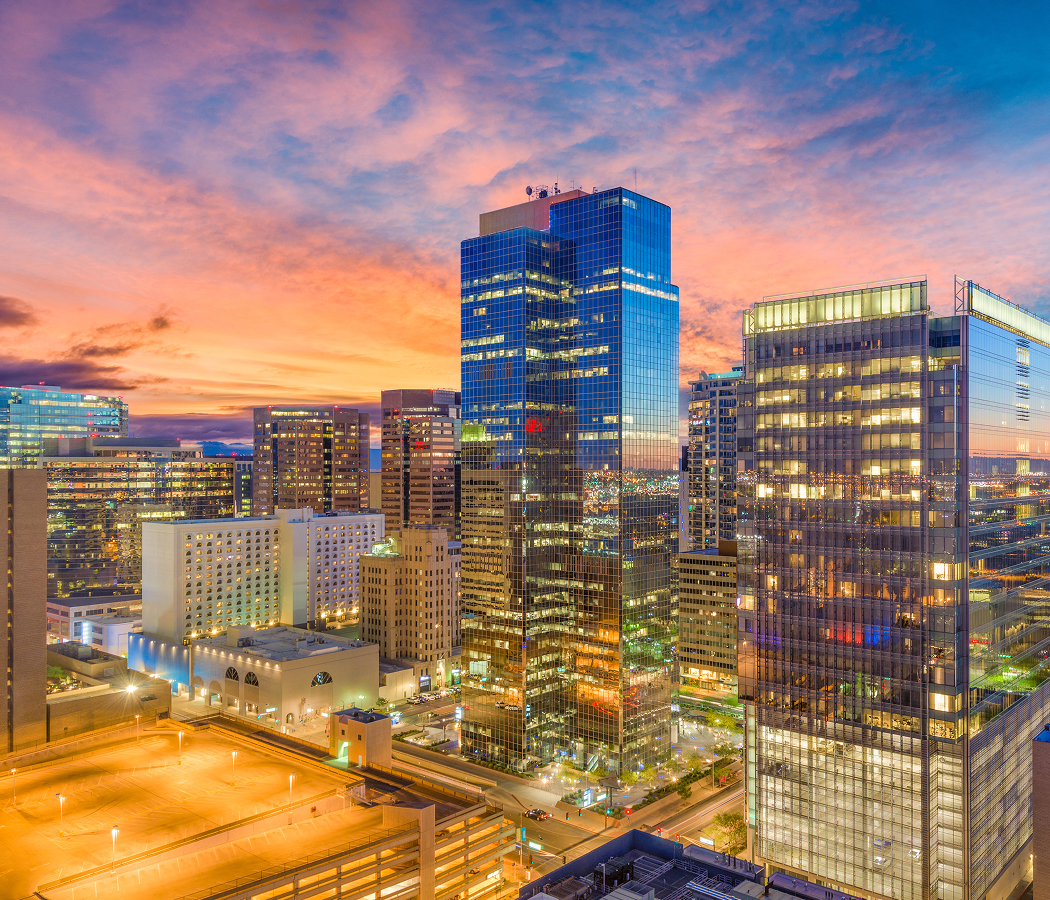
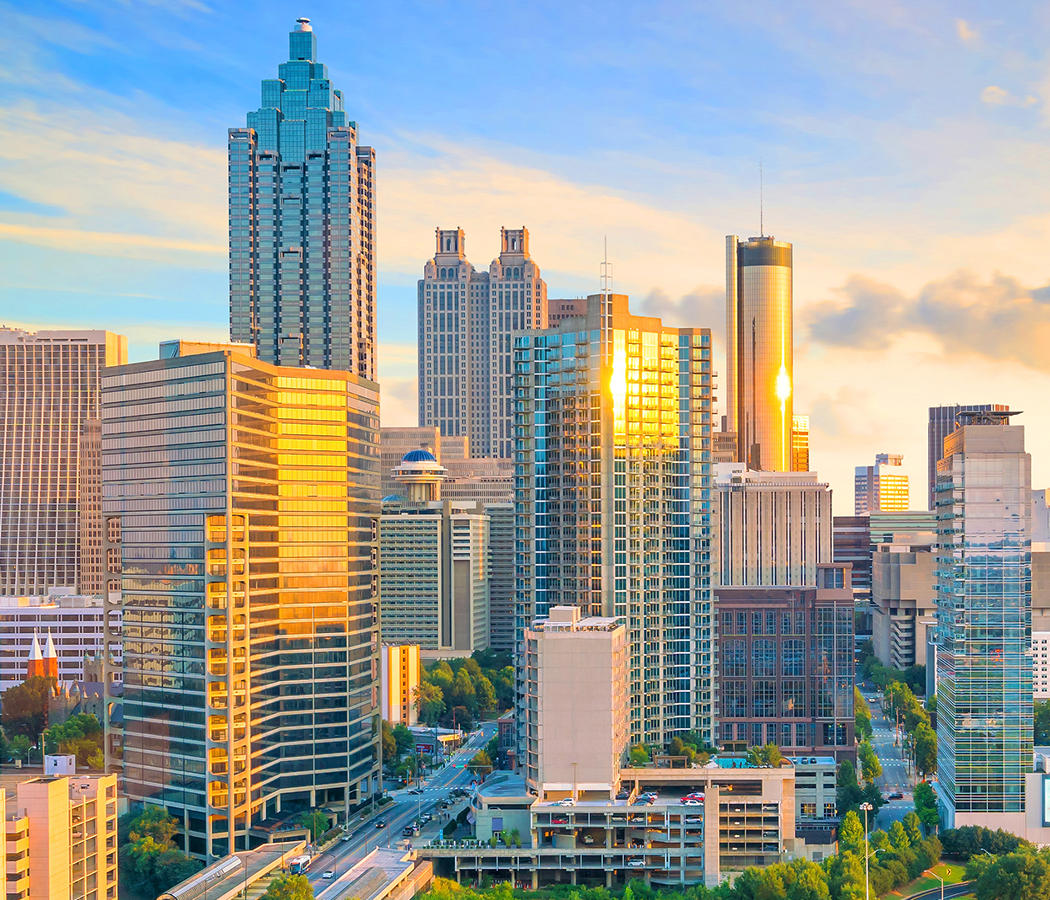
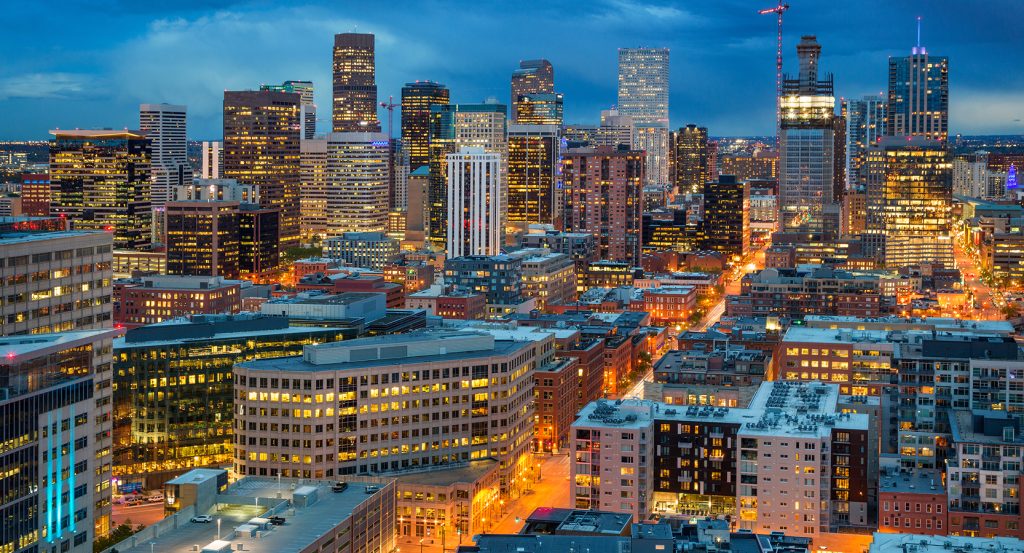
Denver grew from a collection of mining settlements along the South Platte River into the political and commercial capital of Colorado, shaped by the Rocky Mountain gold rush, railroad expansion, agricultural enterprise, and the economic ambitions of the American West. Situated at the western edge of the Great Plains, where Cherry Creek joins the South Platte, the city occupies a transitional landscape between the high prairie and the Front Range of the Rocky Mountains. The surrounding region forms part of the ancestral territories of Indigenous peoples including the Arapaho, Cheyenne, and Ute, whose communities maintained longstanding relationships with the plains, foothills, and mountain waterways. The discovery of gold near the South Platte in 1858 accelerated Euro-American settlement, bringing prospectors and merchants to communities including Auraria and Denver City. William Larimer established Denver City in November 1858, naming the settlement for James W. Denver, governor of Kansas Territory. The competing settlements consolidated in 1860, strengthening Denver's position as a commercial center supplying mining districts throughout the surrounding mountains. The creation of Colorado Territory in 1861 brought new political institutions, and Denver became the territorial capital in 1867. Railroad construction during the following decade connected the city with national markets, supporting the expansion of warehouses, manufacturing enterprises, banks, and agricultural commerce. Colorado achieved statehood in 1876, and Denver's population expanded rapidly during the subsequent silver boom. The collapse of silver prices in 1893 brought severe economic difficulties, encouraging greater investment in agriculture, livestock production, and manufacturing. During the twentieth century, Denver developed through federal investment, transportation infrastructure, energy production, and the expansion of professional services. The opening of Denver International Airport in 1995 strengthened the city's commercial connections, and subsequent population growth accelerated residential construction and metropolitan expansion along the Front Range.
Coloradoan artistic traditions acquired a powerful regional voice through the landscapes and communities of the American West, inspiring painters, writers, musicians, and craftspeople whose work explored the relationship between settlement, wilderness, and cultural change. Denver's artistic institutions developed alongside the city's growing commercial prosperity, with the Denver Art Museum tracing its origins to 1893. Its collections encompass Indigenous arts of North America, Western American painting, European works, and contemporary art, including significant holdings associated with the artistic traditions of the Rocky Mountain region. The Clyfford Still Museum preserves an extensive collection of works by the Abstract Expressionist painter, whose grand compositions contributed to the development of postwar American modernism. The museum's building, designed by architect Brad Cloepfil, became an important addition to Denver's contemporary architectural landscape following its opening in 2011. Denver's musical history developed through jazz, country, folk, and rock traditions, with the Five Points jazz community contributing to the city's early twentieth-century performance culture. John Denver established a lasting association with Colorado through songs celebrating the Rocky Mountains and the landscapes of the American West. The Colorado Symphony, established in 1989, became a principal professional orchestra serving the metropolitan region, contributing to classical performance and contemporary musical programming. Denver's literary connections include Jack Kerouac, whose visits to the city during the 1940s influenced episodes of On the Road and contributed to its association with the Beat Generation. The city's culinary foundations developed through cattle ranching, agricultural production, Indigenous foodways, and the cooking traditions of Mexican American communities. Regional specialties include green chile prepared with roasted peppers and pork, bison dishes, and beef associated with Colorado's longstanding ranching economy. Mexican American restaurants established enduring traditions of tamales, enchiladas, burritos, and chile-based sauces, supported by neighborhood markets and family businesses. The agricultural regions surrounding Denver supply seasonal produce, including Palisade peaches, Olathe sweet corn, and vegetables cultivated throughout the Front Range. Colorado's craft brewing industry also acquired national prominence, with Denver becoming an important center of independent beer production and brewing innovation. Contemporary restaurants incorporate these regional ingredients alongside international techniques and culinary influences introduced through successive generations of migration. A weekend in Denver reveals a city shaped by the ambitions of the American West, the cultural achievements of its historic communities, and the extraordinary agricultural and mountain landscapes of Colorado.
Three day itinerary.
Day 1: Red Rocks Park and Amphitheatre
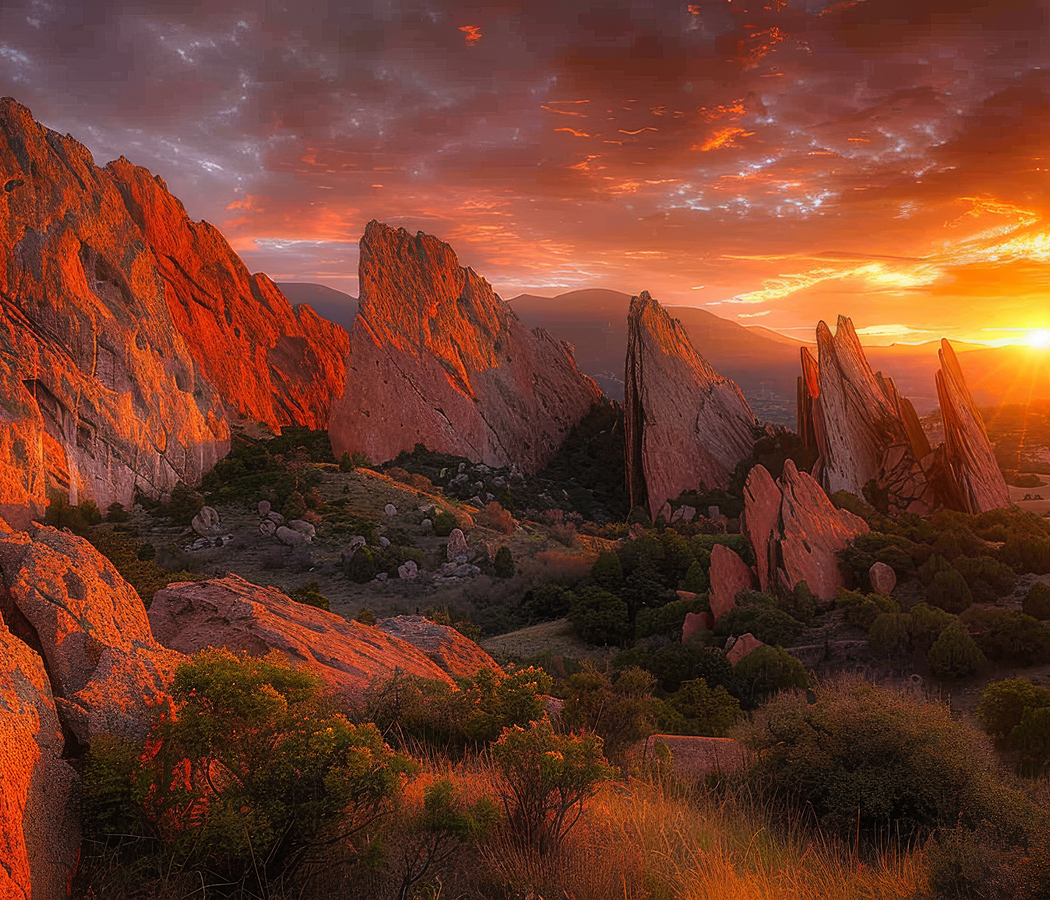
Red Rocks Park and Amphitheatre is best known for transforming the grand sandstone formations of the Colorado Front Range into one of the world's most distinctive performance spaces. Denver acquired the surrounding parkland during the early twentieth century, and architect Burnham Hoyt subsequently designed an amphitheater between Ship Rock and Creation Rock with assistance from the Civilian Conservation Corps and Works Progress Administration. Construction preserved the geological formations as the dominant architectural elements, using the natural slope and rock walls to define the seating bowl and stage. The completed amphitheater opened in 1941 and developed an international reputation through performances spanning classical music, rock, jazz, electronic music, and popular culture. Its fusion of geology, public works, architecture, and live music created an institution inseparable from Denver's cultural identity.
Day 1: The Fort
The Fort is best known for interpreting the foodways of the nineteenth-century Rocky Mountain West from a grand adobe building above Morrison. Sam and Elizabeth Arnold created the restaurant during the 1960s after constructing a residence modeled on Bent's Old Fort, the historic trading post that operated along the Santa Fe Trail in southeastern Colorado. Architect William Lumpkins drew on Southwestern adobe traditions for the complex, whose scale ultimately encouraged the Arnolds to transform the property into a restaurant. Bison, game, chiles, corn, beans, and other ingredients associated with Indigenous, Mexican, frontier, and Western culinary traditions became central to its cooking. The Fort subsequently developed into an enduring Colorado institution connecting regional cuisine to the intercultural history of trade and settlement across the Rocky Mountain West.
Day 2: 16th Street Mall
16th Street Mall is best known for converting a Central Denver commercial corridor into an ambitious pedestrian and transit-oriented public space. Architect I. M. Pei and landscape architecture firm OLIN developed the original design, which opened in 1982 as Downtown confronted suburban competition and declining pedestrian activity. Its distinctive paving pattern drew inspiration from the diamondback rattlesnake, creating a continuous visual field through the city center. Free transit service became integral to the corridor, linking downtown destinations without requiring conventional automobile circulation along much of the street. A major twenty-first-century reconstruction replaced aging infrastructure and reorganized the public realm with wider pedestrian areas, new trees, furnishings, and revised transit alignments, renewing the mall's role as Denver's principal downtown spine.
Day 2: Alma Fonda Fina
Alma Fonda Fina is best known for Johnny Curiel's deeply personal interpretation of Mexican cooking through an intimate Denver dining room centered on the hearth. Curiel grew up in Guadalajara within a family connected to restaurants and developed his professional career through kitchens in Mexico and the United States. His cooking draws from regional Mexican traditions through masa, chiles, seafood, vegetables, slow-cooked meats, and preparations shaped by live fire. The restaurant's compact counter places culinary production immediately before diners, concentrating attention on the transformation of foundational Mexican ingredients through precise contemporary technique. MICHELIN awarded Alma Fonda Fina a star in 2024, making Curiel's independent restaurant one of the most consequential additions to Denver dining during the city's MICHELIN era.
Day 2: Coors Field
Coors Field is best known for reshaping Lower Downtown through a major-league ballpark whose architecture deliberately engaged the surrounding historic warehouse district. The Colorado Rockies began play in 1993 before moving into Coors Field in 1995, giving the young franchise a permanent home at the northern edge of LoDo. HOK Sport designed the stadium with brick masonry and an urban footprint intended to connect visually with the district's industrial architecture. Denver's mile-high elevation and thin air subsequently made the ballpark famous for unusually favorable hitting conditions, prompting Major League Baseball to introduce humidors for stored baseballs there in 2002. The stadium became a major catalyst in LoDo's redevelopment, strengthening the district's transition from warehouse quarter into a dense center of housing, restaurants, entertainment, and tourism.
Day 2: Beckon
Beckon is best known for establishing an intimate chef-counter format as one of the defining expressions of Denver fine dining. The restaurant developed in RiNo around a tasting menu served directly across a compact counter, making interaction between the kitchen and dining room fundamental to its structure. Seasonal ingredients from Colorado and the broader region enter compositions grounded in contemporary American technique, fermentation, preservation, and carefully calibrated sauces. Duncan Holmes founded the restaurant with a culinary philosophy tied closely to agricultural seasons and the relationships connecting chefs with growers and producers. MICHELIN awarded Beckon a star when its Colorado guide debuted in 2023, placing the small Larimer Street dining room among the institutions that established Denver's national standing as a fine-dining city.
Day 3: Onefold
Onefold is best known for transforming Denver breakfast through a highly personal combination of Mexican, Asian, and American culinary influences. Mark and Terese Nery built the restaurant around preparations shaped by their family backgrounds and the multicultural food traditions that influenced their lives in Colorado. Congee, breakfast burritos, fried rice, eggs, green chile, and duck-fat cooking became signatures of a menu that treats breakfast as a serious culinary form. House-made components and richly developed stocks give familiar dishes an unusual depth, producing food with a clear character distinct from conventional American brunch cooking. Onefold occupies an important place in Denver's independent restaurant culture, demonstrating how immigrant traditions and Colorado ingredients have reshaped the city's everyday food.
Day 3: Evergreen
Evergreen is best known for occupying a mountain landscape where Bear Creek, forested foothills, and historic settlement converge west of Denver. The community developed during the nineteenth century as homesteaders, ranchers, timber operations, and transportation routes extended into the foothills of Jefferson County. Bear Creek provided a geographic axis through the settlement, and the arrival of improved roads increasingly connected Evergreen with Denver. Denver Mountain Parks subsequently protected substantial nearby landscapes as the city built a regional system designed to give residents access to the Front Range foothills. Evergreen Lake and the surrounding forests became central to the community's recreational identity, leaving Evergreen as a distinctive transition point between metropolitan Denver and the higher terrain of the Colorado Rockies.
Day 3: Flatirons, Boulder
Flatirons, Boulder is best known for the immense tilted sandstone slabs that form the defining geological backdrop of Boulder. The formations consist largely of Fountain Formation sandstone uplifted and steeply tilted along the eastern margin of the Rocky Mountains. Erosion exposed their dramatic faces above the city, creating five principal numbered Flatirons alongside numerous smaller formations. Boulder's acquisition and protection of surrounding foothills preserved the formations from extensive development and integrated them into an unusually large municipal open-space system. Hiking and climbing subsequently made the Flatirons central to Boulder's outdoor culture, with their distinctive profile becoming a geographic symbol of the city and a visible expression of the tectonic forces that raised the Front Range.
Day 3: Frasca Food and Wine
Frasca Food and Wine is best known for Bobby Stuckey and Lachlan Mackinnon-Patterson's sustained exploration of the cuisine and wine culture of Friuli-Venezia Giulia. Stuckey built his career in hospitality and wine service at restaurants including The French Laundry, where Mackinnon-Patterson also worked before the pair opened Frasca in Boulder in 2004. They named the restaurant for the informal neighborhood gathering places historically found in Friuli and developed its character around northeastern Italian cooking, exceptional hospitality, and one of the country's most serious regional wine programs. Friulian ingredients and traditions intersect with Colorado agriculture through changing menus shaped by seasonality and disciplined technique. MICHELIN awarded Frasca a star in its inaugural Colorado selection, reinforcing its long-standing position as one of the state's most consequential restaurants.
Where your story begins.
Foresyte Travel reveals places that feel extraordinary long before you arrive.
Enjoy editorial crafted for luxury travelers.
Foresyte may earn a commission when you book.