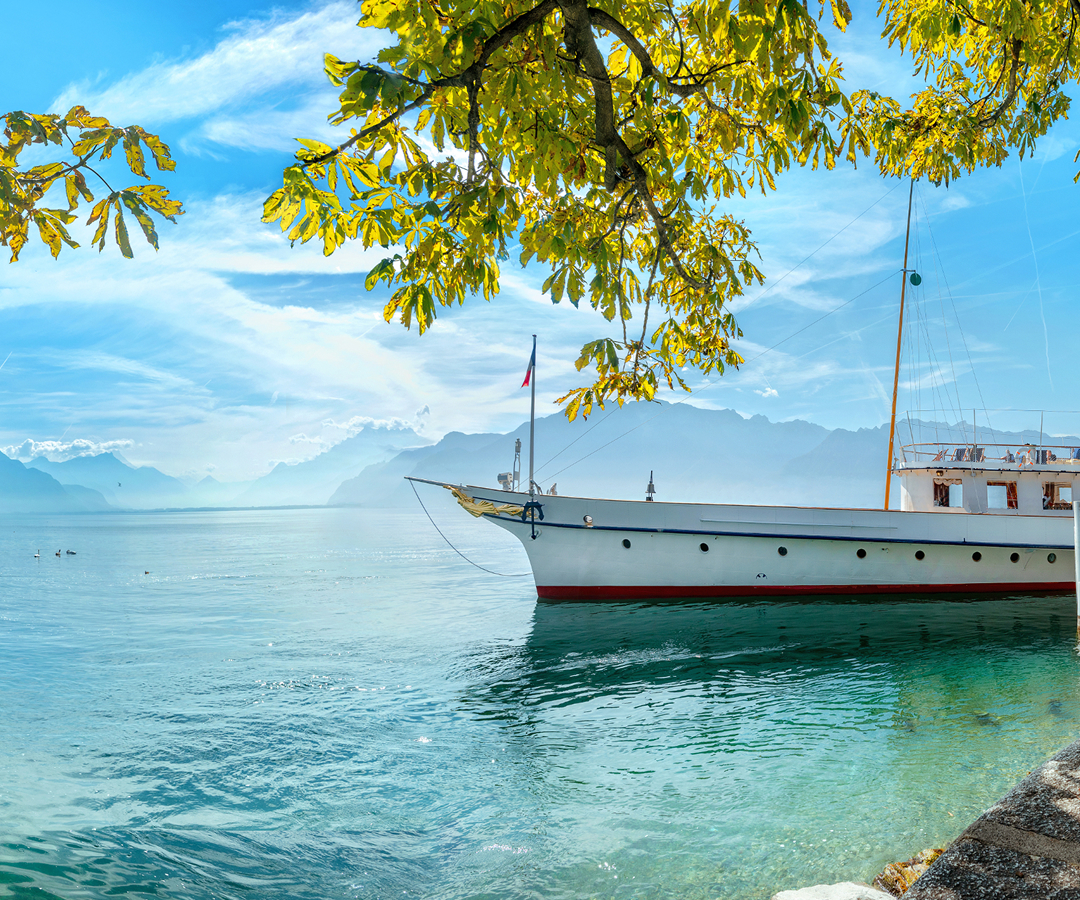
Perfect weekend in Geneva, Switzerland.
Geneva's position at the western end of Lake Geneva has shaped more than two thousand years of political history, international commerce, religious reform, and diplomacy. Situated where the Rhône emerges from the lake, the city developed at a natural crossing between the Alps and the Jura Mountains, connecting Mediterranean trading routes with the commercial centers of northern Europe. The surrounding territory was inhabited by the Celtic Allobroges before Roman expansion brought the settlement of Genava into the province of Gallia Narbonensis. Julius Caesar mentioned Geneva in 58 BCE during his campaigns in Gaul, recognizing its strategic importance as a crossing point along the Rhône. Following the decline of Roman authority, the settlement passed through Burgundian and Frankish rule before developing into an important episcopal center during the Middle Ages. Geneva's medieval prosperity rested upon its commercial fairs, banking enterprises, and advantageous position between French, German, and Italian markets. During the sixteenth century, religious upheaval transformed the city's political institutions. Geneva adopted the Protestant Reformation in 1536, and John Calvin subsequently established a system of religious governance that attracted Protestant refugees, scholars, and printers from across Europe. The city's publishing industry flourished through the production of theological works, scholarly texts, and political literature, contributing to its influence within the Reformed tradition. Geneva declared itself a republic in 1541 and maintained a complex relationship with neighboring Savoy, whose military ambitions culminated in an unsuccessful attack in December 1602. The annual Escalade commemorates the city's successful defense against that assault. Geneva joined the Swiss Confederation in 1815 following the Napoleonic Wars, strengthening its political connections with the surrounding cantons. During the nineteenth century, the city became associated with humanitarian internationalism through Henry Dunant, whose experiences following the Battle of Solferino inspired the creation of the International Committee of the Red Cross in 1863. The League of Nations established its headquarters in Geneva following the First World War, initiating a new period of diplomatic importance that continued through the expansion of United Nations institutions after 1945.
Swiss precision craftsmanship acquired an enduring center in Geneva, where religious reform, specialized manufacturing, and international trade contributed to the development of one of Europe's most influential watchmaking traditions. Protestant refugees arriving during the sixteenth century brought skills in goldsmithing, jewelry production, and mechanical craftsmanship, strengthening an industry that expanded through the following centuries. The restrictions placed upon ostentatious personal ornamentation during the Reformation encouraged some craftsmen to apply their expertise to the production of watches, contributing to Geneva's growing specialization in portable timepieces. By the eighteenth century, Genevan workshops had established commercial relationships extending across Europe and into overseas markets, producing watches distinguished by elaborate movements, enamel decoration, and increasingly sophisticated mechanical complications. The city's tradition of fine craftsmanship also supported the development of jewelry, scientific instruments, and precision engineering. Geneva's intellectual history includes philosopher Jean-Jacques Rousseau, born in the city in 1712, whose writings on political authority, education, and social organization profoundly influenced Enlightenment thought. His The Social Contract, published in 1762, became a foundational work of modern political philosophy. The University of Geneva traces its origins to the academy established by John Calvin in 1559, developing into a major institution for scholarship in the humanities, sciences, and international affairs. Geneva's musical history includes the Orchestre de la Suisse Romande, founded by Ernest Ansermet in 1918, which became internationally celebrated for its interpretations of French and twentieth-century orchestral music. The Grand Théâtre de Genève contributes to the city's operatic traditions through productions encompassing classical repertory and contemporary performance. Geneva's culinary foundations draw upon the agricultural resources of the surrounding Rhône Valley, the fisheries of Lake Geneva, and the longstanding influence of French-speaking Swiss cooking. Regional specialties include longeole, a traditional pork sausage seasoned with fennel; cardon genevois, a preparation of cardoon associated with winter celebrations; and freshwater fish such as perch and féra. The surrounding vineyards produce wines from Chasselas, Gamay, and other grape varieties cultivated throughout the canton, maintaining traditions connected to the region's rural estates. Geneva's international population has also contributed French, Italian, Middle Eastern, and Asian culinary influences, supporting a restaurant culture that extends from traditional Swiss establishments to contemporary fine dining. A weekend in Geneva brings centuries of republican history, Enlightenment philosophy, precision watchmaking, and international diplomacy into the lakeside setting of French-speaking Switzerland.
Three day itinerary.
Day 1: Jet d'Eau
Jet d’Eau is best known for its extraordinary 140-meter water jet and its defining presence above the waterfront of Lake Geneva. The fountain originated in 1886 as a hydraulic safety valve associated with Geneva's industrial water distribution system, which supplied pressurized water to workshops and machinery throughout the city. Its original installation at the Coulouvrenière hydraulic plant released excess pressure through a vertical jet, creating an unexpected performance that attracted public attention. Recognizing its significance to the city's emerging waterfront character, municipal authorities relocated the fountain to the harbor in 1891. The installation underwent substantial technological development during the twentieth century, culminating in the introduction of the modern pumping system in 1951. Two powerful pumps propel 500 liters of water per second through the fountain's nozzle, producing a towering column visible across much of the surrounding lake basin. Its position near the entrance to Geneva's harbor establishes a dramatic relationship with the surrounding Alps, the historic city center, and the extensive waterfront promenades. Jet d'Eau represents one of Switzerland's most recognizable urban monuments through its transformation from industrial infrastructure into an extraordinary achievement of hydraulic engineering and civic design.
Day 1: Bayview by Danny Khezzar
Bayview by Danny Khezzar is best known for its refined interpretation of French haute cuisine and its exceptional dining environment overlooking Lake Geneva. Located within Hotel President Wilson, the restaurant developed its gastronomic reputation under chef Michel Roth, whose distinguished career includes leadership of the kitchens at the Ritz Paris. Roth received the prestigious Meilleur Ouvrier de France distinction in 1991 and won the Bocuse d'Or competition the same year, establishing his position among France's most accomplished culinary professionals. His cooking emphasizes classical French technique, carefully selected seasonal ingredients, and sophisticated preparations that balance precision with contemporary creativity. The restaurant's culinary program incorporates premium seafood, carefully prepared meats, regional vegetables, and elaborate sauces rooted in the traditions of French fine dining. Its extensive wine selection reflects the gastronomic heritage of France and Switzerland, incorporating celebrated European producers and carefully developed food pairings. The restaurant's panoramic windows establish an exceptional visual relationship with Geneva's harbor and the surrounding mountain landscape. Bayview by Michel Roth represents a distinguished expression of contemporary French gastronomy through its exceptional technical foundations, accomplished culinary leadership, and refined lakeside hospitality.
Day 2: Palais des Nations
Palais des Nations is best known for its expansive international architecture and its central role in the development of multilateral diplomacy during the twentieth century. Constructed between 1929 and 1938, the complex originally served as the headquarters of the League of Nations, the international organization established following the First World War to promote collective security and diplomatic cooperation. Its architectural development involved an international team including Henri-Paul Nénot, Julien Flegenheimer, Camille Lefèvre, Carlo Broggi, and József Vágó. The resulting composition combines expansive classical influences with modern institutional planning, incorporating extensive ceremonial halls, administrative wings, landscaped courtyards, and formal gardens. Following the establishment of the United Nations in 1945, the complex became an important center of the organization's European operations. The United Nations Office at Geneva developed into one of the world's principal diplomatic institutions, hosting international negotiations, humanitarian discussions, and conferences addressing global political and economic issues. The Assembly Hall and Council Chamber preserve significant examples of twentieth-century institutional design, including elaborate decorative programs associated with international cooperation. The surrounding Ariana Park incorporates mature trees, landscaped grounds, and commanding views toward Lake Geneva and the Alps. Palais des Nations represents one of the world's most consequential diplomatic complexes through its association with the League of Nations, the United Nations, and the architectural expression of international cooperation.
Day 2: Café du Centre
Café du Centre is best known for its traditional Swiss brasserie cuisine and its longstanding association with Geneva's historic commercial and dining culture. Situated on Place du Molard, the restaurant occupies a prominent position within one of the city's oldest public squares, whose development reflects Geneva's medieval trading heritage. Its culinary program emphasizes fresh seafood, shellfish, carefully prepared meats, and established brasserie dishes shaped by French and Swiss gastronomic traditions. The restaurant's celebrated seafood platters incorporate oysters, crustaceans, and other maritime ingredients, reflecting Geneva's longstanding connections with international commerce and the culinary traditions of neighboring France. Traditional preparations include steak tartare, seasonal fish, and substantial brasserie specialties associated with European urban dining. Its terrace overlooks the surrounding historic architecture, connecting the restaurant with the commercial life of Geneva's central shopping district. Café du Centre represents an established institution in Geneva's culinary landscape through its concentration on traditional brasserie cooking and its enduring relationship with the historic city center.
Day 2: International Red Cross and Red Crescent Museum
International Red Cross and Red Crescent Museum is best known for its exploration of humanitarian action and its direct association with Geneva's foundational role in the development of modern international humanitarian law. The museum occupies a site near the headquarters of the International Committee of the Red Cross, whose origins trace to the efforts of Geneva-born humanitarian Henry Dunant. Dunant's experience witnessing the aftermath of the Battle of Solferino in 1859 inspired his influential book A Memory of Solferino, published in 1862. His advocacy contributed to the establishment of the International Committee of the Red Cross in 1863 and the adoption of the first Geneva Convention in 1864. The museum opened in 1988, establishing a dedicated institution for examining the historical development and contemporary challenges of humanitarian protection. A major renovation completed in 2013 introduced the permanent exhibition The Humanitarian Adventure, organized around the themes of defending human dignity, restoring family links, and reducing natural risks. Its exhibition design incorporates interactive installations, historical objects, personal testimonies, and contemporary artistic interpretations of humanitarian experience. International Red Cross and Red Crescent Museum represents one of Geneva's most consequential cultural institutions through its exploration of humanitarian principles and the city's enduring contribution to international law.
Day 2: Domaine de Châteauvieux
Domaine de Châteauvieux is best known for its exceptional French-inspired gastronomy and its historic vineyard setting overlooking the Rhône Valley outside Geneva. Located in Satigny, the restaurant occupies an eighteenth-century estate surrounded by vineyards associated with the agricultural traditions of the Geneva countryside. Chef Philippe Chevrier developed the property into one of Switzerland's most distinguished fine-dining destinations through his concentration on classical French technique, premium ingredients, and sophisticated seasonal preparations. His culinary approach emphasizes carefully prepared seafood, meats, vegetables, and elaborate sauces that reflect the traditions of European haute cuisine. The restaurant's wine program draws extensively on the surrounding vineyards of the Geneva region, whose cultivation reflects centuries of agricultural development along the Rhône corridor. Its historic interiors incorporate traditional architectural details and refined dining spaces that preserve the character of the former country estate. The restaurant's relationship with the surrounding vineyards establishes a distinctive connection between contemporary gastronomy and the rural heritage of western Switzerland. Domaine de Châteauvieux represents an exceptional institution in Swiss fine dining through its concentration on classical culinary craftsmanship and its integration with Geneva's historic wine-producing landscape.
Day 3: Cottage Café
Cottage Café is best known for its distinctive lakeside setting and its established role within Geneva's independent café and dining culture. Situated beside the Brunswick Monument near the waterfront, the café occupies a charming historic pavilion surrounded by landscaped gardens and pedestrian promenades. Its culinary program incorporates traditional breakfast preparations, fresh pastries, coffee, and Mediterranean-influenced dishes associated with contemporary European café culture. The surrounding Brunswick Monument commemorates Charles II, Duke of Brunswick, whose substantial bequest to Geneva during the nineteenth century contributed to the city's civic development. The monument's elaborate neo-Gothic architecture draws inspiration from the Scaliger Tombs in Verona, establishing an unusual Italian architectural reference along Geneva's waterfront. The café's setting reflects the transformation of the surrounding district into an important public landscape connecting historic monuments, gardens, and the shores of Lake Geneva. Cottage Café represents a distinctive expression of Geneva's neighborhood hospitality through its combination of relaxed café dining and exceptional historic surroundings.
Day 3: Cathédrale Saint-Pierre
Cathédrale Saint-Pierre is best known for its profound association with the Protestant Reformation and its extraordinary architectural evolution across nearly nine centuries of Geneva's religious history. Construction of the principal medieval cathedral began during the twelfth century, incorporating Romanesque foundations and Gothic architectural elements that developed through successive building campaigns. The church became closely associated with John Calvin, whose theological leadership transformed Geneva into one of the principal centers of the Protestant Reformation during the sixteenth century. Calvin preached within the cathedral, establishing an enduring relationship between the building and the development of Reformed Christianity. The interior underwent substantial changes following the adoption of Protestant worship, reflecting the movement's emphasis on preaching and restrained religious decoration. Its expansive neoclassical portico, added during the eighteenth century, introduced a distinctive architectural contrast with the medieval structure. Archaeological excavations beneath the cathedral revealed extensive remains of earlier religious buildings, including structures associated with Geneva's late Roman and early Christian history. The cathedral's towers provide expansive views across the historic city, Lake Geneva, and the surrounding mountain landscape. Cathédrale Saint-Pierre represents one of Europe's most consequential Reformation sites through its association with Calvin, its layered architectural history, and its central position within Geneva's religious development.
Day 3: Patek Philippe Museum
Patek Philippe Museum is best known for its extraordinary collection of historic timepieces and its exploration of Geneva's internationally celebrated watchmaking heritage. Established in 2001 by Philippe Stern, the museum preserves a remarkable collection of watches, clocks, automata, and decorative objects associated with the development of European horology. Its exhibitions encompass timepieces dating from the sixteenth century through the modern era, tracing the technical and artistic achievements that transformed Geneva into a principal center of precision watchmaking. The collection includes elaborate enamel watches, miniature portraits, jeweled timepieces, and intricate mechanical complications that reflect the craftsmanship of generations of European artisans. Patek Philippe originated in 1839 through the partnership of Antoine Norbert de Patek and François Czapek, with Jean Adrien Philippe subsequently contributing important innovations in keyless winding mechanisms. The company's development became closely associated with the technical refinement and international prestige of Swiss watchmaking. The museum's collections also incorporate exceptional historical pieces produced by other European manufacturers, establishing a broader perspective on the evolution of mechanical timekeeping. Patek Philippe Museum represents one of the world's most significant horological institutions through its preservation of technical innovation, decorative craftsmanship, and Geneva's distinguished watchmaking traditions.
Day 3: L'Atelier Robuchon
L’Atelier Robuchon is best known for its refined interpretation of French haute cuisine and its association with the extraordinary culinary legacy of chef Joël Robuchon. Located within The Woodward on Geneva's waterfront, the restaurant reflects the distinctive dining concept developed by Robuchon, whose international restaurant empire became synonymous with exceptional technical precision and contemporary French gastronomy. The Atelier format emphasizes a direct relationship between the kitchen and dining room, incorporating counter seating that places culinary preparation at the center of the dining environment. Its menu draws on classical French foundations through carefully prepared seafood, premium meats, seasonal vegetables, and celebrated Robuchon specialties. The chef's famous pommes purée exemplifies his commitment to technical perfection through a deceptively simple preparation distinguished by exceptionally smooth texture and rich butter content. The restaurant's sophisticated interior incorporates the black-and-red design elements associated with the international Atelier concept. Its position within The Woodward connects contemporary French fine dining with Geneva's tradition of luxury lakeside hospitality. L'Atelier Robuchon represents a distinguished expression of contemporary French gastronomy through its association with one of the most influential chefs in modern culinary history.
Where your story begins.
Foresyte Travel reveals places that feel extraordinary long before you arrive.
Enjoy editorial crafted for luxury travelers.
Foresyte may earn a commission when you book.