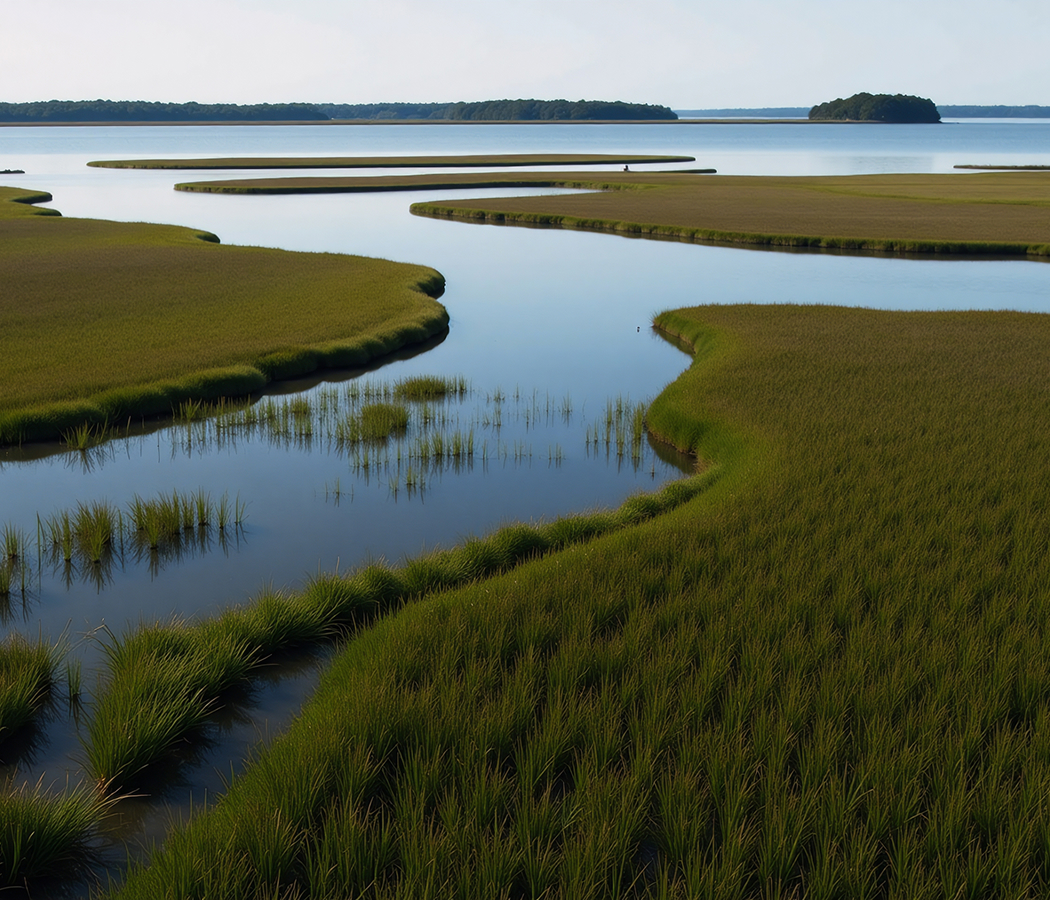
Perfect weekend in Savannah, Georgia.
Savannah's position along the Georgia coast established one of colonial America's most consequential Atlantic ports, where maritime commerce, plantation agriculture, and an unusually ambitious approach to town planning shaped the development of the American South. Founded in 1733 by James Edward Oglethorpe, the city became the first settlement of the British colony of Georgia, occupying elevated ground overlooking the Savannah River. The surrounding coastal region formed part of the ancestral territories of Indigenous peoples including the Yamacraw, whose leader Tomochichi negotiated with Oglethorpe during the colony's establishment. Oglethorpe organized Savannah around a system of public squares, residential wards, and communal spaces, creating a distinctive urban plan that accommodated successive generations of expansion. Early colonial restrictions on slavery were overturned in 1751, and the growth of rice cultivation subsequently connected Savannah's commercial prosperity to the forced labor of enslaved Africans. The city's port developed extensive trading relationships with Britain, the Caribbean, and other North American colonies, exporting agricultural commodities produced across the Georgia Lowcountry. During the American Revolution, British forces captured Savannah in 1778, and a combined French and American assault failed to recapture the city the following year. The expansion of cotton cultivation during the nineteenth century strengthened Savannah's position as a major export center, attracting merchants, shipping enterprises, and financial institutions. Union forces under General William Tecumseh Sherman occupied Savannah in December 1864, following the March to the Sea. Reconstruction brought significant political and educational initiatives among formerly enslaved communities, including the establishment of institutions devoted to African American education and civic participation. During the twentieth century, port modernization, manufacturing, and historic preservation contributed to the city's economic development. The expansion of the Port of Savannah strengthened its position within international shipping, and the preservation of its original street plan maintained an extraordinary concentration of historic public spaces and architecture.
Georgian artistic traditions acquired a particularly influential center in Savannah, where historic architecture, African American craftsmanship, literary achievement, and coastal cultural practices contributed to the development of a distinctive Southern artistic community. The Telfair Museums trace their origins to the nineteenth-century collection of Mary Telfair, whose bequest established one of the earliest public art museums in the American South. The Telfair Academy, housed in a Regency-style mansion designed by William Jay, became an important institution for American and European painting, sculpture, and decorative arts. The Jepson Center, designed by Moshe Safdie and opened in 2006, expanded the city's artistic institutions through contemporary exhibitions and educational programming. Savannah's literary history includes Flannery O'Connor, born in the city in 1925, whose fiction explored religious belief, morality, and social relationships in the American South. Her novels and short stories became central works of Southern Gothic literature, influencing generations of American writers. Conrad Aiken, another Savannah-born author, received the Pulitzer Prize for Poetry in 1930 and contributed to the development of twentieth-century American literary modernism. The city's musical history encompasses gospel, jazz, blues, and classical performance, with African American churches and neighborhood institutions supporting longstanding traditions of sacred music. The Savannah Music Festival, established in 1989, strengthened the city's performance culture through programs devoted to jazz, chamber music, and international musical traditions. Savannah's culinary foundations developed through the agricultural knowledge of enslaved Africans, Indigenous foodways, and the seafood resources of the Georgia coast. Gullah Geechee cooking contributed enduring preparations involving rice, okra, field peas, and coastal shellfish, preserving connections to West and Central African agricultural traditions. Traditional Lowcountry dishes include shrimp and grits, red rice, crab stew, and rice-based preparations incorporating seasonal vegetables and regional seasonings. Georgia's coastal fisheries supply shrimp, blue crab, oysters, and local fish, supporting generations of maritime food traditions. Southern baking contributed specialties including pecan pie, biscuits, and cakes associated with family kitchens and neighborhood bakeries. Contemporary chefs extend these foundations through regional seafood, heirloom grains, seasonal produce, and refined interpretations of Southern cooking. Savannah rewards a weekend devoted to the enduring achievements of colonial town planning, Southern literature, African American craftsmanship, and the culinary traditions of Georgia's Atlantic Lowcountry.
Three day itinerary.
Day 1: Forsyth Park
Forsyth Park is best known for its expansive cast-iron fountain and its central role in the nineteenth-century expansion of Savannah's historic urban landscape. The park originated in the 1840s through land donated by William Brown Hodgson and subsequently expanded to encompass thirty acres south of the city's original colonial grid. Its fountain, installed in 1858, became one of Savannah's most recognizable architectural features through an elaborate composition of classical figures, ornamental basins, and cascading water. Broad pedestrian avenues extend beneath mature live oaks whose sweeping branches and Spanish moss create the park's distinctive canopy. Confederate Memorial and other monuments reflect successive periods of civic commemoration within the grounds. Residential streets surrounding the park contain substantial examples of nineteenth-century architecture associated with Savannah's commercial prosperity. Forsyth Park connects the city's formal urban planning with the landscaped public spaces that shaped its development beyond the original colonial squares.
Day 1: The Grey
The Grey is best known for chef Mashama Bailey's transformation of a former Greyhound bus terminal into one of the American South's most consequential contemporary restaurants. Bailey and restaurateur John O. Morisano opened the restaurant in 2014 within a Streamline Moderne building designed by architect George D. Brown and completed in 1938. The terminal's curved surfaces, original ticketing areas, and distinctive architectural geometry became the foundation for a dining room that preserves the building's transportation history. Bailey, who grew up between Savannah and New York, developed a culinary approach rooted in Southern ingredients, African American food traditions, and classical technique. Her cooking explores the relationship among regional agriculture, coastal seafood, vegetables, grains, and the culinary inheritance of the American South. Bailey received the James Beard Award for Best Chef: Southeast in 2019 and Outstanding Chef in 2022. The Grey represents a defining intersection of Savannah's architectural preservation, African American culinary heritage, and contemporary American gastronomy.
Day 2: Savannah Historic District
Savannah Historic District is best known for preserving James Oglethorpe's extraordinary eighteenth-century urban plan through a network of public squares, residential blocks, and civic streets. Founded in 1733, Savannah developed around a system of wards organized into repeated arrangements of squares, trust lots, and residential parcels. Oglethorpe's design established a distinctive relationship between public space and private development that subsequently guided the city's expansion across generations. Federal, Georgian, Greek Revival, Gothic Revival, and Italianate buildings accumulated around the squares as Savannah prospered through Atlantic commerce and the cotton economy. The district's architectural survival owes much to preservation efforts that accelerated during the twentieth century, particularly after the founding of the Historic Savannah Foundation in 1955. Twenty-two historic squares survive within the original urban structure. Savannah Historic District represents one of the most complete surviving examples of planned colonial urbanism in the United States.
Day 2: Mrs. Wilkes' Dining Room
Mrs. Wilkes’ Dining Room is best known for preserving the communal boardinghouse meal as one of Savannah's defining culinary traditions. Sema Wilkes established the restaurant during the 1940s within a historic house on West Jones Street, developing a dining format rooted in the Southern custom of serving substantial meals around shared tables. Fried chicken, collard greens, black-eyed peas, macaroni and cheese, sweet potatoes, cornbread, rice, and seasonal vegetables form a repertoire grounded in Georgia's agricultural and domestic food traditions. Large platters arrive together, preserving the rhythm of family-style dining that shaped the original boardinghouse operation. The restaurant's continued association with the Wilkes family connects its culinary character with generations of Savannah hospitality. Mrs. Wilkes' Dining Room occupies an exceptional position in the city's food culture through its preservation of traditional Southern cooking and communal dining.
Day 2: Owens-Thomas House & Slave Quarters
Owens-Thomas House & Slave Quarters is best known for combining one of America's finest surviving examples of English Regency architecture with a consequential interpretation of slavery in nineteenth-century Savannah. British architect William Jay designed the residence for merchant Richard Richardson, and construction concluded in 1819. Its symmetrical facade, refined interiors, curved staircase, and sophisticated architectural detailing introduced an unusually advanced interpretation of Regency design to the American South. George Welshman Owens subsequently acquired the property, establishing the family association reflected in its name. The surviving slave quarters preserve rare architectural evidence of the domestic labor system that sustained wealthy Savannah households. Interpretation of the property places enslaved people and their lives within the same historical structure as the architecture and its affluent occupants. The house reveals the intertwined development of Atlantic commerce, architectural ambition, domestic life, and slavery in early nineteenth-century Georgia.
Day 2: Common Thread
Common Thread is best known for bringing ingredient-driven contemporary Southern cooking into a restored Victorian residence in Savannah's Thomas Square neighborhood. Chef Brandon Carter and the team behind FARM Bluffton developed the restaurant around close relationships with regional farmers, fishermen, and agricultural producers. Coastal seafood, seasonal vegetables, heritage grains, locally raised meats, and preserved ingredients form the foundations of a menu shaped by the agricultural geography of Georgia and the South Carolina Lowcountry. Fermentation, wood-fired cooking, and precise contemporary techniques extend the character of those ingredients through preparations grounded in Southern food traditions. The historic residential setting gives the restaurant an intimate scale connected with Savannah's nineteenth-century neighborhood development. Common Thread represents a significant expression of modern coastal Southern cuisine through its commitment to regional agriculture and chef-driven culinary technique.
Day 3: Collins Quarter at Forsyth
Collins Quarter at Forsyth is best known for bringing an Australian-influenced café tradition into one of Savannah's most prominent public landscapes. The restaurant extends the Collins Quarter concept established in Downtown Savannah, drawing on the breakfast and coffee culture associated with Melbourne's independent cafés. Espresso preparations, eggs, pastries, breads, vegetables, and substantial brunch dishes form a menu shaped by contemporary Australian and American daytime dining. Its location within Forsyth Park places the café amid mature live oaks, landscaped lawns, and the pedestrian avenues of Savannah's historic park system. The restaurant's modern pavilion establishes a deliberate architectural relationship with the surrounding public landscape. Collins Quarter at Forsyth connects Savannah's established hospitality culture with an international café tradition through a distinctly local park setting.
Day 3: Bonaventure Cemetery
Bonaventure Cemetery is best known for its extraordinary funerary sculpture, expansive live oaks, and profound association with Savannah's nineteenth-century history. The cemetery occupies the former Bonaventure Plantation on a bluff overlooking the Wilmington River, where the landscape's mature trees and riverfront setting shaped its development as a burial ground. The property became a public cemetery during the nineteenth century as Savannah expanded beyond its original urban core. Elaborate Victorian monuments, carved angels, family mausoleums, and ornamental ironwork reflect the wealth and commemorative traditions of the city's prominent families. Poet Conrad Aiken and songwriter Johnny Mercer are among the notable figures buried within the grounds. The cemetery gained international recognition through its association with John Berendt's Midnight in the Garden of Good and Evil. Bonaventure preserves Savannah's relationship with memory, landscape design, funerary art, and the social history of the coastal South.
Day 3: Wormsloe State Historic Site
Wormsloe State Historic Site is best known for its expansive avenue of live oaks and its association with one of Georgia's earliest colonial settlements. Noble Jones, a carpenter and surveyor who arrived with James Oglethorpe's original colonists, established Wormsloe on the Isle of Hope during the 1730s. The surviving tabby ruins of his fortified house represent one of the oldest standing structures in Georgia, preserving a building technique that combined lime, sand, water, and crushed oyster shells. The estate's celebrated oak avenue extends for more than a mile beneath an extraordinary canopy of mature trees. Successive generations of the Jones family shaped the property through agriculture, landscape development, and residential use. The historic site connects Georgia's colonial founding with the material culture, plantation economy, and cultivated landscapes of the coastal Lowcountry.
Day 3: Elizabeth on 37th
Elizabeth on 37th is best known for preserving the tradition of refined Southern coastal dining within a grand nineteenth-century Savannah residence. Chef Elizabeth Terry and her husband Michael established the restaurant in 1981, developing a culinary character centered on Georgia seafood, regional vegetables, local ingredients, and carefully prepared Southern dishes. Terry's approach helped establish a more sophisticated interpretation of Lowcountry cooking during a period when the region's culinary traditions were gaining broader national recognition. The restaurant occupies a historic mansion on East 37th Street, whose formal rooms and architectural detailing create an intimate setting connected with Savannah's residential history. Seafood, seasonal produce, sauces, and classical preparations form the foundations of a menu shaped by the agricultural and maritime resources of coastal Georgia. Elizabeth on 37th represents an enduring institution in Savannah's culinary development through its commitment to regional ingredients and refined Southern hospitality.
Where your story begins.
Foresyte Travel reveals places that feel extraordinary long before you arrive.
Enjoy editorial crafted for luxury travelers.
Foresyte may earn a commission when you book.