Why Bonaventure Cemetery matters.
Bonaventure Cemetery is a historic garden cemetery where Thunderbolt's coastal landscape meets the funerary art of the Victorian era, the legacy of Georgia's most influential families and the extraordinary beauty of a burial ground overlooking the Wilmington River.
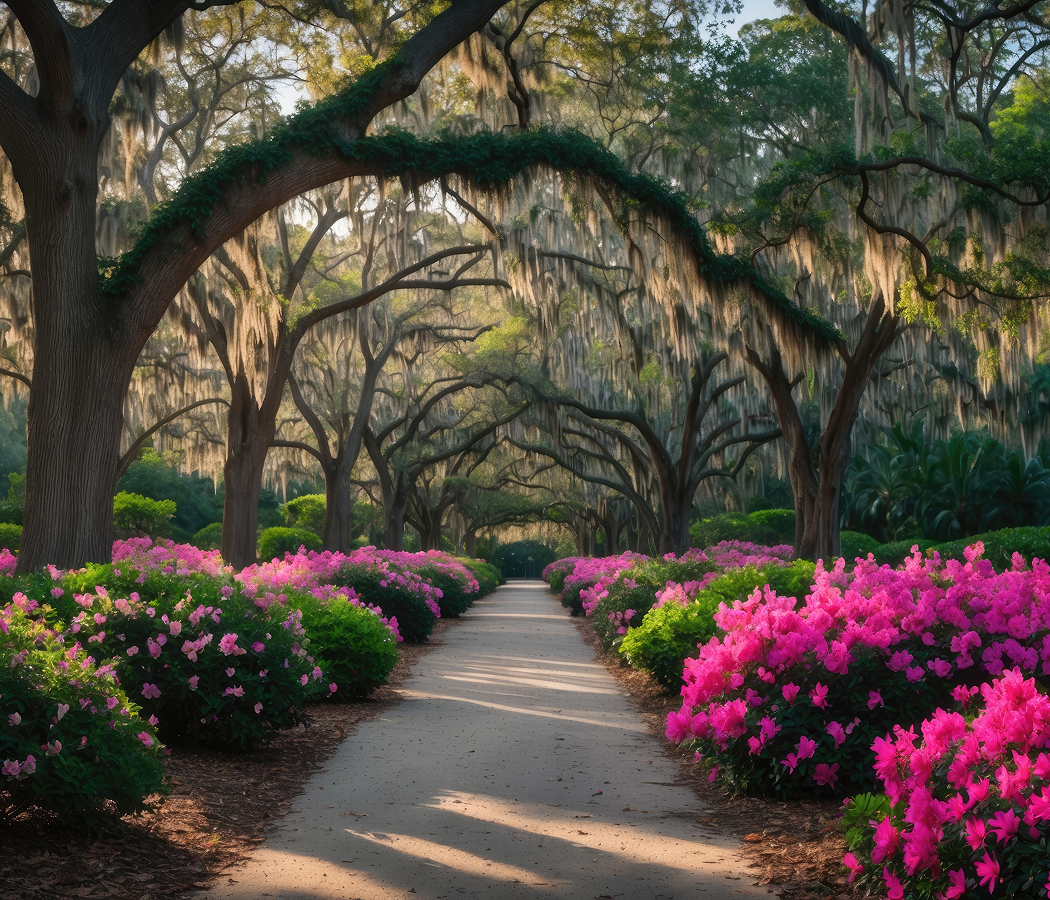
Set along Bonaventure Road near its intersection with Skidaway Road and east of Savannah's historic center, the cemetery occupies a wooded bluff above the Wilmington River, where winding drives, expansive burial plots and extensive live oak canopies extend across 160 acres of coastal Georgia landscape. Spanish moss hangs from enormous branches above marble sculptures, granite obelisks and elaborate family monuments. Curving avenues follow the natural contours of the terrain, connecting shaded burial sections with open lawns and riverfront views. Ornamental ironwork, carved angels and weathered stone inscriptions introduce successive generations of funerary craftsmanship throughout the grounds. The result is an exceptionally atmospheric historic landscape whose expansive art, coastal vegetation and carefully preserved burial grounds establish one of the American South's most distinguished cemeteries.
What defines Bonaventure Cemetery.
Bonaventure Cemetery is best known for its extraordinary collection of Victorian funerary monuments and its transformation from a colonial plantation into a celebrated garden cemetery. The property originated within the eighteenth-century Bonaventure Plantation, established by Colonel John Mullryne on land overlooking the Wilmington River. Mullryne developed an agricultural estate during the colonial period, introducing the residential and cultivated landscape that preceded the cemetery. The property subsequently passed through successive owners as Savannah expanded commercially and geographically during the nineteenth century. In 1846, Peter Wiltberger acquired the plantation with plans to establish a privately operated cemetery serving the growing city. The Evergreen Cemetery Company developed the grounds around the emerging American rural cemetery movement, which emphasized landscaped burial places incorporating winding paths, ornamental vegetation and elaborate memorial sculpture. Evergreen Cemetery opened in 1847, introducing a new burial landscape beyond Savannah's increasingly crowded urban churchyards. The cemetery's location along the river provided an expansive setting for family burial plots and expansive commemorative architecture. During the Civil War, the grounds became associated with the military history of coastal Georgia as Savannah experienced blockade, occupation and political upheaval. The cemetery expanded through additional land acquisitions and the development of new burial sections during the following decades. Savannah's municipal government acquired Evergreen Cemetery in 1907 and renamed it Bonaventure Cemetery, establishing its continuing role as a public burial ground. The property became increasingly celebrated for its mature live oaks, Spanish moss and elaborate nineteenth-century monuments. Its association with prominent Savannah residents strengthened its position within the city's cultural and historical memory. The cemetery was listed on the National Register of Historic Places in 2001, recognizing the significance of its landscape design, funerary architecture and historical associations.
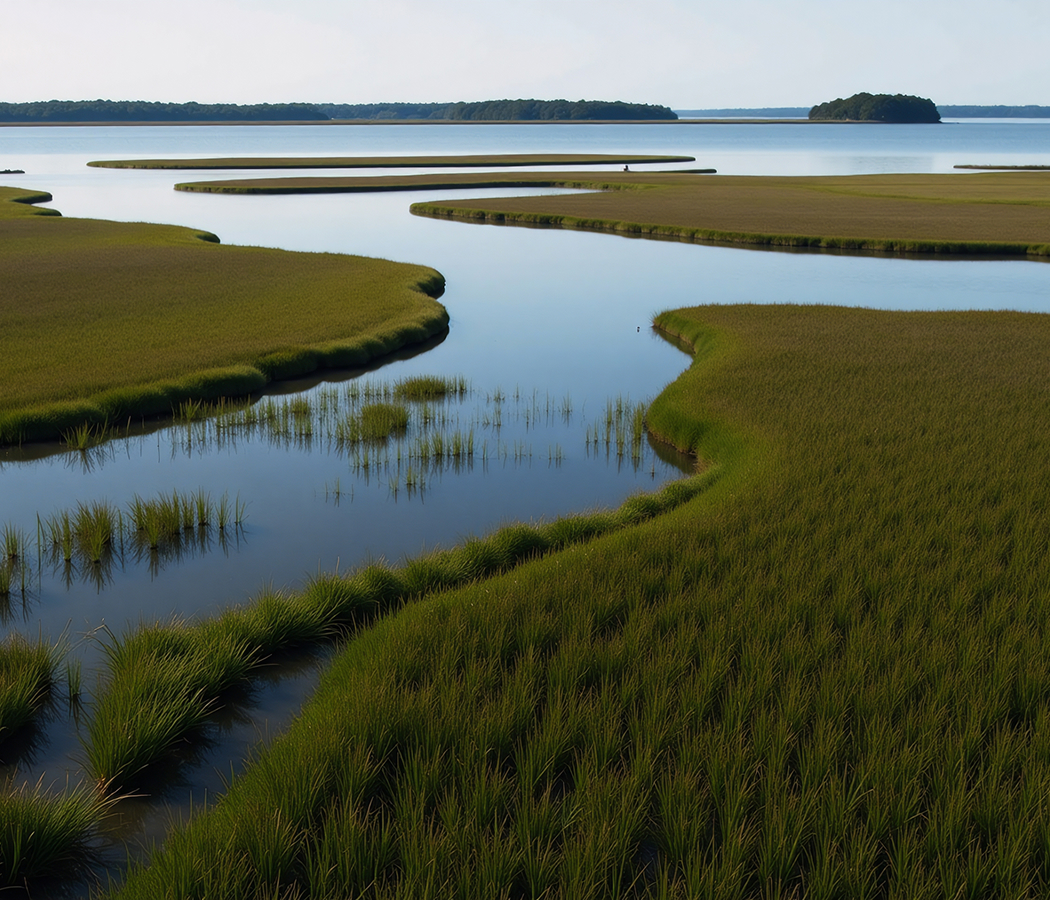
The Lawton family plot contains one of the cemetery's most celebrated memorial sculptures, the marble figure known as Gracie, commemorating six-year-old Gracie Watson, who died in 1889. Sculptor John Walz created the monument, presenting the child seated with carefully modeled clothing and an unusually intimate expression. The sculpture became a widely recognized example of Victorian funerary sentiment and the period's elaborate artistic treatment of childhood mortality. Conrad Aiken, the Pulitzer Prize-winning poet and novelist born in Savannah, is buried beneath a distinctive bench-shaped monument overlooking the river. His memorial incorporates an inscription associated with his literary work, connecting the burial landscape with the city's twentieth-century artistic history. Johnny Mercer, the celebrated lyricist and songwriter responsible for standards including “Moon River” and “Autumn Leaves,” rests within a family plot containing inscriptions drawn from his musical compositions. Mercer's career linked Savannah with Hollywood songwriting, Broadway entertainment and the development of American popular music. The cemetery also contains graves associated with military figures, civic leaders, merchants and families whose activities shaped Georgia's political and commercial development. Victorian monuments incorporate angels, urns, columns and allegorical figures associated with mourning, remembrance and religious belief. Elaborate wrought-iron enclosures preserve the boundaries of historic family plots, introducing another important category of nineteenth-century decorative craftsmanship. The cemetery's mature live oaks establish a distinctive natural canopy, with Spanish moss creating long curtains of vegetation above the monuments. Its riverside location introduces changing views of tidal marshes and coastal waterways, connecting the commemorative landscape with the ecology of southeastern Georgia. The cemetery achieved additional international recognition through John Berendt's Midnight in the Garden of Good and Evil, which brought Savannah's funerary landscapes and local history to a wide readership. Bonaventure Cemetery's cultural importance rests in its combination of sculptural achievement, literary associations and the preservation of a nineteenth-century burial landscape of exceptional visual character.
How Bonaventure Cemetery fits.
Bonaventure Cemetery works as the historical anchor for a Savannah outing connecting the city's coastal military heritage, its preserved maritime landscapes and the cultural institutions associated with Georgia's Atlantic history.
Begin at Old Fort Jackson, the historic coastal fortification overlooking the Savannah River east of the city's original urban center. Construction began in 1808 as part of the federal government's efforts to strengthen American coastal defenses during a period of growing international tensions. The brick fort incorporates a compact defensive arrangement designed to protect the river approach to Savannah's commercial harbor. Confederate forces subsequently occupied the installation during the Civil War, incorporating it into the defensive system surrounding the strategically important port. Preserved artillery positions, masonry structures and interpretive exhibits introduce the development of coastal military engineering during the nineteenth century. Continue to Wormsloe State Historic Site, the historic plantation landscape associated with Noble Jones, among Georgia's original colonial settlers. Jones established his property on the Isle of Hope peninsula during the eighteenth century, developing a fortified residence and agricultural estate along the coastal waterways. The surviving tabby ruins represent one of the oldest standing structures associated with colonial Georgia. A celebrated avenue of live oaks extends toward the historic grounds, creating an expansive entrance framed by interlacing branches and Spanish moss. The property preserves important connections with colonial settlement, plantation agriculture and the environmental history of Georgia's maritime forests. Conclude at Savannah History Museum, the cultural institution occupying the restored passenger station of the Central of Georgia Railway. The substantial brick building formed part of the railroad infrastructure that connected Savannah with agricultural and commercial regions across the state. Its collections examine the city's development through colonial settlement, military conflict, transportation and changing patterns of economic activity. Exhibitions incorporate historic artifacts, decorative objects and material associated with Savannah's maritime and railroad history. The museum's location establishes a direct connection with the transportation networks that shaped the city's nineteenth-century expansion. The progression moves from Old Fort Jackson's coastal military defenses through Wormsloe State Historic Site's colonial plantation landscape and culminates at Savannah History Museum's transportation and historical collections, connecting three consequential dimensions of Georgia's Atlantic development.
Where your story begins.
Foresyte Travel reveals places that feel extraordinary long before you arrive.
Enjoy editorial crafted for luxury travelers.
Foresyte may earn a commission when you book.