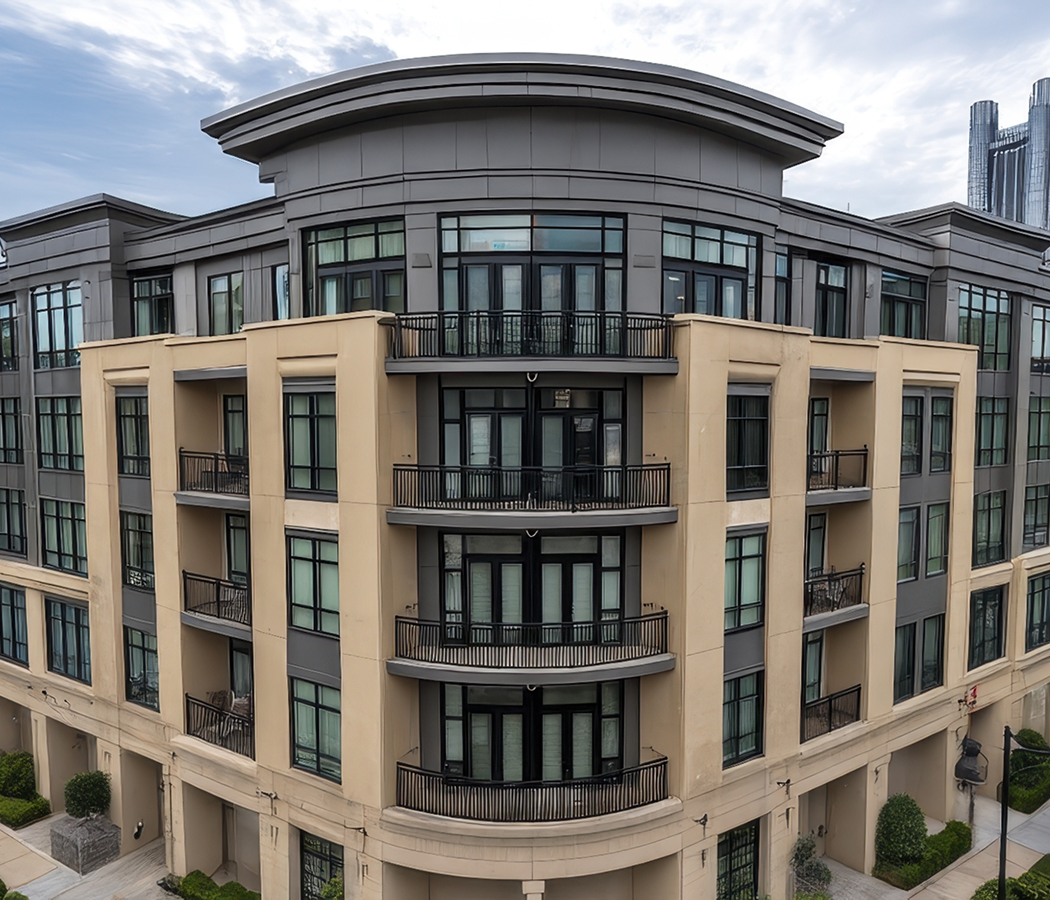
Top places to stay in Dallas, Texas.
Dallas established its hospitality character through the expansion of North Texas railroads, the wealth of the cotton and oil industries, and the growth of a powerful corporate economy, giving rise to grand downtown establishments, influential modern architecture, and a tradition of sophisticated business travel. Founded by John Neely Bryan in 1841 near a crossing of the Trinity River, the settlement developed as a market center for the surrounding agricultural communities. The arrival of the Houston and Texas Central Railway in 1872, followed by the Texas and Pacific Railway in 1873, established Dallas as a major transportation junction, attracting merchants, traveling salesmen, and investors whose activities supported an expanding network of lodging establishments. The growth of cotton trading during the late nineteenth century brought substantial commercial wealth, encouraging the construction of prominent banks, department stores, and hotels around the developing downtown. The opening of the Oriental Hotel in 1893 introduced a distinguished expression of metropolitan hospitality, serving wealthy travelers and business figures during a period of rapid commercial expansion. The establishment of the Adolphus Hotel in 1912 marked a defining moment in the city's architectural ambitions. Financed by brewing magnate Adolphus Busch and designed by Barnett, Haynes & Barnett, the expansive Beaux-Arts property brought European grand hotel elegance to a city increasingly confident in its economic influence. The discovery of oil at East Texas's Daisy Bradford No. 3 well in 1930 accelerated the expansion of petroleum finance, strengthening Dallas's position as a headquarters for banks, insurance companies, and corporate enterprises serving the energy industry. The construction of the Mercantile National Bank Building in 1943 reflected the commercial importance of these institutions, contributing to a downtown skyline increasingly distinguished by substantial office towers. The opening of the Statler Hilton in 1956 introduced a landmark of modern American hotel design, with architect William B. Tabler employing innovative structural engineering and contemporary architectural forms to create one of the country's most prominent postwar hotels. Dallas's growing international commercial influence encouraged the expansion of convention facilities and luxury accommodation during the following decades. The assassination of President John F. Kennedy in Dealey Plaza in 1963 became a defining event in the city's history, eventually contributing to the development of the Sixth Floor Museum as an important institution of historical tourism. The opening of Dallas/Fort Worth International Airport in 1974 transformed regional transportation, establishing one of the world's major aviation hubs and strengthening the metropolitan area's position within international commerce. The completion of Reunion Tower in 1978 introduced a recognizable landmark associated with the city's modern skyline and expanding hospitality infrastructure. The development of the Dallas Arts District during the late twentieth century brought major cultural institutions into the northern downtown, encouraging investment in prestigious accommodation near the city's principal museums and performance venues. The opening of the Ritz-Carlton, Dallas in 2007 established a distinguished luxury property in Uptown, reflecting the expansion of high-end residential, commercial, and hospitality development beyond the traditional central business district. The restoration and reopening of the Statler in 2017 demonstrated renewed interest in the preservation of Dallas's midcentury architectural inheritance, introducing contemporary accommodation within a significant historic landmark. Dallas's hotel industry continues to express the ambitions of a city shaped by transportation, financial enterprise, corporate expansion, and a distinctive tradition of metropolitan luxury.
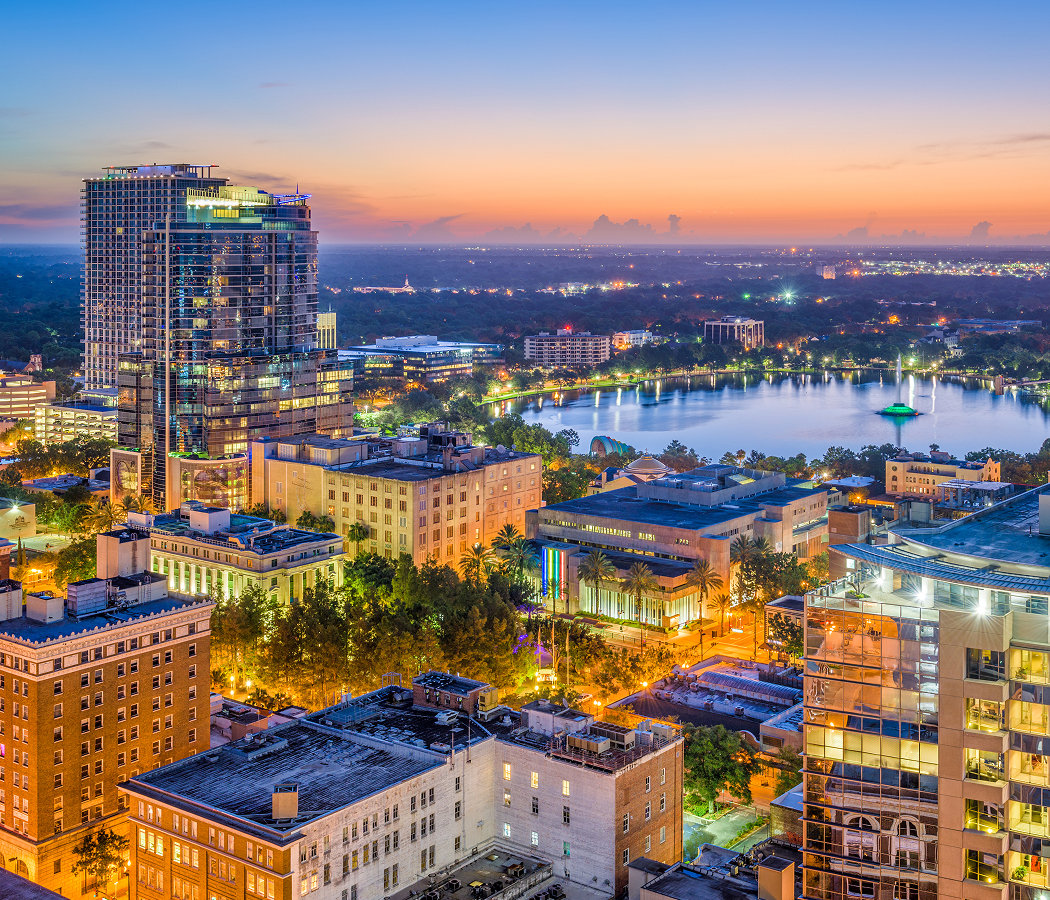
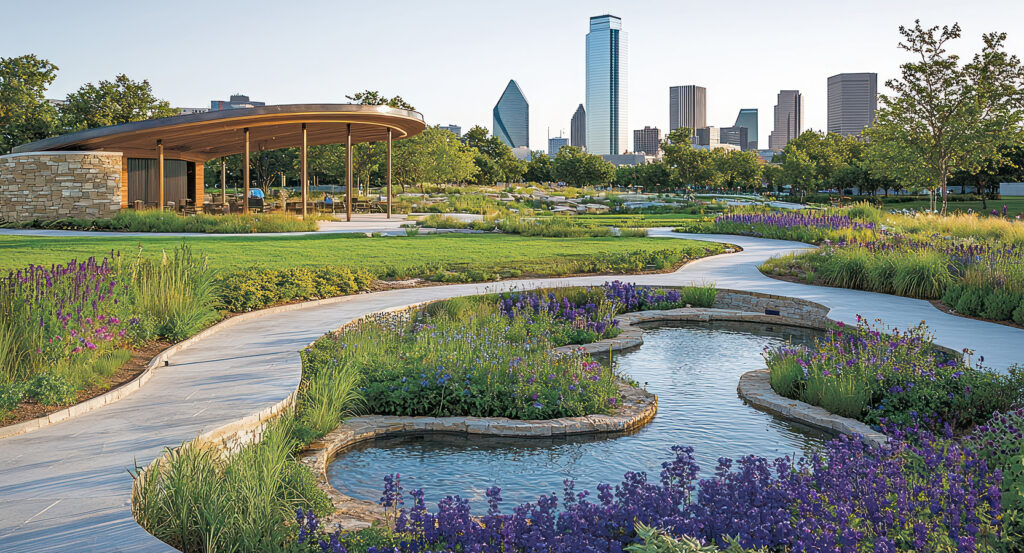
Dallas's most distinguished places to stay occupy a broad urban landscape where expansive commercial towers, historic neighborhoods, and landscaped cultural districts reflect successive periods of metropolitan growth. Downtown remains the principal concentration of grand hotels, with substantial historic buildings and contemporary skyscrapers extending through the commercial streets surrounding Main Street and Commerce Street. The Main Street District preserves an important collection of early twentieth-century architecture, including former department stores, banking headquarters, and substantial office buildings whose ornate façades reflect the prosperity of Dallas's commercial expansion. The Adolphus occupies a prominent position within this historic environment, its elaborate stone exterior and expansive proportions establishing a distinguished architectural presence among the surrounding commercial towers. Nearby, the restored Statler introduces a contrasting expression of midcentury modernism through its restrained façade and substantial contemporary interiors. Westward, the streets surrounding Dealey Plaza preserve the historic setting of Dallas's early transportation and commercial development, with substantial hotels providing access to the Sixth Floor Museum and the principal civic landmarks of the western downtown. The neighboring West End Historic District retains a concentration of former warehouses and commercial buildings distinguished by red brick façades and substantial industrial architecture, supporting accommodation near restaurants and established cultural institutions. North of the central business district, the Dallas Arts District presents a more contemporary architectural landscape through expansive museums, performance halls, and substantial residential towers. Prestigious hotels occupy prominent positions near the Dallas Museum of Art, the Nasher Sculpture Center, and the Winspear Opera House, establishing an environment closely connected to the city's cultural institutions. The adjoining Klyde Warren Park provides a landscaped connection between Downtown and Uptown, introducing a major public gathering space within the dense metropolitan center. Uptown developed into one of Dallas's most prestigious residential and commercial districts through the construction of contemporary towers, luxury apartments, and sophisticated mixed-use developments. Its hotels occupy prominent positions along McKinney Avenue and the surrounding streets, providing access to distinguished restaurants, independent boutiques, and the historic McKinney Avenue trolley. The neighboring Victory Park district presents a complementary contemporary environment through substantial entertainment facilities, residential towers, and luxury hotels surrounding the American Airlines Center. Farther north, the Turtle Creek corridor introduces a quieter residential landscape distinguished by substantial estates, landscaped boulevards, and prestigious apartment buildings overlooking the wooded banks of Turtle Creek. The Rosewood Mansion on Turtle Creek occupies a historic residential property within this environment, connecting intimate luxury accommodation with the architectural traditions of Dallas's established elite neighborhoods. The adjoining Oak Lawn district preserves a diverse urban character through historic residential streets, contemporary commercial developments, and an established concentration of restaurants and nightlife institutions. East of Downtown, Deep Ellum retains the architectural inheritance of former industrial buildings and commercial warehouses, with restored brick structures supporting boutique accommodation near music venues, galleries, and independent restaurants. The neighborhood's distinctive murals and intimate commercial streets create a contrasting environment to the expansive towers of the central business district. Northward, the Knox-Henderson corridor connects established residential neighborhoods with prestigious shopping institutions and contemporary boutique hotels, offering an intimate metropolitan setting near the landscaped trails of the Katy Trail. Farther north, Highland Park and University Park preserve a distinguished residential landscape of substantial historic homes, landscaped avenues, and prestigious commercial institutions. The nearby Park Cities area supports sophisticated accommodation associated with luxury retail and established social institutions. Beyond the central neighborhoods, the Galleria district presents a substantial concentration of contemporary hotels and corporate buildings surrounding one of the metropolitan area's principal luxury shopping destinations. The surrounding North Dallas commercial corridors provide convenient access to major business institutions and transportation networks. These contrasting environments establish a distinctive hospitality geography extending from expansive downtown landmarks and restored historic buildings to intimate residential retreats and contemporary luxury properties within the city's expanding commercial districts. Foresyte may earn a commission when you book.
Foresyte Travel's top five choices.
5. HALL Arts Hotel, Dallas, Autograph Collection
HALL Arts Hotel, Dallas, Autograph Collection occupies a purpose-built tower within HALL Arts, the mixed-use development created by Craig and Kathryn Hall in the Dallas Arts District. HKS designed the hotel as part of a larger architectural composition beside institutions including the Dallas Museum of Art, Nasher Sculpture Center and AT&T Performing Arts Center, extending the district's concentration of major contemporary architecture. The Halls integrated their extensive contemporary art collection throughout the property, with works by artists including Richard Serra, Ellsworth Kelly and Spencer Finch connecting the hotel to the collecting program developed across their real-estate projects. Its 2019 opening added hospitality to a district transformed over several decades into one of Dallas's principal cultural concentrations, making art patronage and urban redevelopment foundational to the property.
4. The Joule
The Joule occupies the former Dallas National Bank building, a 1920s neo-Gothic structure on Main Street adapted into a hotel by Dallas entrepreneur Tim Headington. ARCHITEXAS led the preservation work, and later expansion incorporated adjoining historic buildings as Headington assembled a broader group of properties that helped drive the revival of this section of downtown. The hotel's contemporary art program includes major works associated with artists such as Tony Cragg, Andy Warhol and Richard Phillips, extending Headington's collecting interests directly into the public spaces. The Joule became a central component of Main Street's twenty-first-century resurgence, joining historic commercial architecture, contemporary art and private redevelopment within Dallas's traditional downtown core.
3. Rosewood Mansion on Turtle Creek
Rosewood Mansion on Turtle Creek originated as the private residence of cotton magnate Sheppard W. King and his wife, constructed during the 1920s after the couple traveled through Europe gathering architectural ideas and materials. Dallas architect C.D. Hill designed the estate with substantial European influences, and the residence subsequently became an important social setting during the city's emergence as a center of Texas finance and commerce. Caroline Rose Hunt transformed the property into a hotel in 1980 and founded Rosewood Hotels & Resorts around it, making the Mansion the originating property of a hospitality company that later expanded internationally. Its significance reaches beyond the preservation of a major Dallas estate: the building became the institutional birthplace of one of the most prominent luxury hotel groups created in the United States.
2. Hotel Crescent Court
Hotel Crescent Court forms part of The Crescent, the enormous Uptown complex developed by Caroline Hunt and completed during Dallas's extraordinary 1980s construction boom. Architect Philip Johnson collaborated with John Burgee on the project, using Indiana limestone, sweeping curved façades and formal courtyards to create an expansive mixed-use composition containing offices, retail and the hotel. The Crescent emerged during the period when commercial development was shifting north of the traditional downtown core, helping establish Uptown as a major center of Dallas business and high-end urban development. Hotel Crescent Court derives its architectural importance from one of the city's defining late-twentieth-century projects and from Johnson's extensive influence on the built environment of modern Dallas.
1. The Ritz-Carlton, Dallas
The Ritz-Carlton, Dallas opened in 2007 as part of a major Uptown development created by Crescent Real Estate Equities, extending the district's transformation into a dense residential, commercial and hospitality center. Robert A.M. Stern Architects designed the limestone-clad complex with a residential tower adjoining the hotel, bringing the firm's historically informed architectural language to one of Dallas's most rapidly changing urban districts. The property also became closely associated with chef Dean Fearing, whose restaurant established a distinctly Texas culinary character inside an international luxury-hotel brand after his influential tenure at The Mansion on Turtle Creek. The project joined architecture, residential development and Dallas culinary history within the broader expansion of Uptown, giving the Ritz-Carlton a city-specific foundation extending well beyond its international brand affiliation.
Where your story begins.
Foresyte Travel reveals places that feel extraordinary long before you arrive.
Enjoy editorial crafted for luxury travelers.
Foresyte may earn a commission when you book.