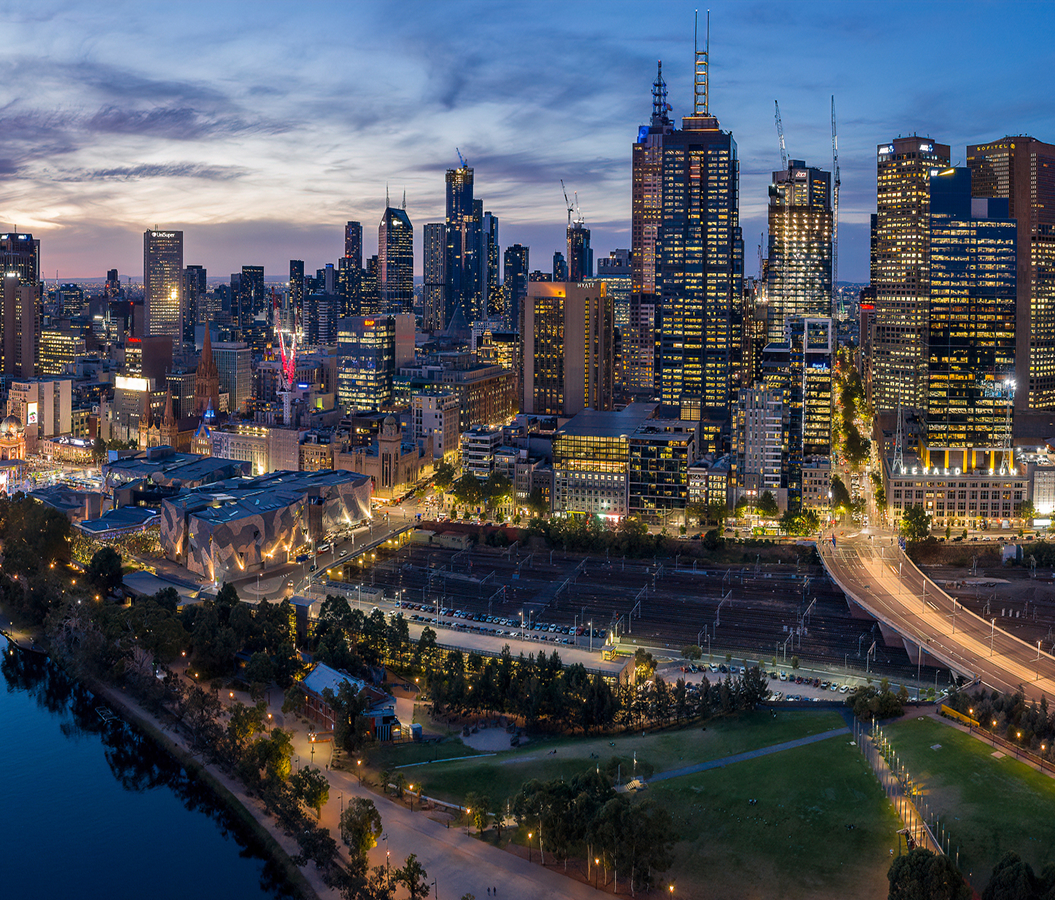
Top places to stay in San Diego, California.
San Diego traces its hospitality heritage to Spanish colonial settlement, the maritime prosperity of its natural harbor, and the emergence of Southern California as a center of coastal leisure, with the arrival of transcontinental rail travel and the growth of Pacific tourism establishing an enduring tradition of waterfront resorts and convivial outdoor living. The Kumeyaay inhabited the region for thousands of years, sustaining communities connected to the coastal wetlands, river valleys, and inland mountains of Southern California. In 1769, Gaspar de Portolá's expedition established a Spanish military presence near San Diego Bay, accompanied by the founding of Mission San Diego de Alcalá under Junípero Serra. The settlement developed around the presidio and the nearby mission before commercial activity gradually shifted toward the waterfront during the nineteenth century. Following California's incorporation into the United States in 1850, merchant and developer Alonzo Horton purchased substantial land along the bay in 1867, promoting a new commercial district that became the foundation of modern Downtown. The arrival of the California Southern Railroad in 1882 strengthened connections with the American interior, encouraging investment in accommodation for merchants, prospective settlers, and winter visitors attracted by the region's mild climate. Across the bay, Elisha Babcock Jr. and Hampton L. Story developed Coronado as an ambitious seaside resort community, culminating in the opening of the Hotel del Coronado in 1888. Its expansive wooden architecture, expansive verandas, and beachfront setting established an enduring model of Pacific Coast luxury, attracting prominent visitors and strengthening San Diego's national reputation as a winter destination. The Panama-California Exposition of 1915 transformed Balboa Park through elaborate Spanish Colonial Revival buildings and landscaped gardens, introducing an architectural character that became closely associated with the city's hospitality industry. The exposition also celebrated the opening of the Panama Canal, reinforcing San Diego's ambitions as a Pacific maritime gateway. The expansion of naval installations during the First and Second World Wars brought substantial population growth and investment in transportation, commercial infrastructure, and metropolitan accommodation. The development of Mission Bay during the mid-twentieth century transformed former tidal marshes into an extensive recreational waterfront, creating new opportunities for resort hotels associated with boating, swimming, and family travel. The opening of SeaWorld San Diego in 1964 further strengthened the region's leisure economy, encouraging the growth of accommodation around Mission Bay and the surrounding coastal districts. Downtown experienced a major period of reinvestment beginning in the late twentieth century, with the preservation of the Gaslamp Quarter and the development of the San Diego Convention Center in 1989 establishing new foundations for business and cultural tourism. The restoration of Victorian commercial buildings introduced intimate boutique hotels alongside substantial contemporary properties serving conventions and international visitors. The opening of Petco Park in 2004 accelerated the redevelopment of the East Village, extending the downtown hospitality economy into former warehouse and industrial districts. San Diego's contemporary hotels reflect the enduring influence of maritime commerce, coastal recreation, architectural preservation, and the resort traditions that established the city as one of California's most distinguished Pacific destinations.
San Diego's most compelling places to stay occupy a remarkable sequence of sheltered bays, oceanfront communities, historic commercial streets, and landscaped coastal bluffs, each offering a different relationship with the Pacific. Downtown forms the principal concentration of metropolitan hotels, with substantial contemporary towers and restored commercial buildings extending between the waterfront and the historic Gaslamp Quarter. The Gaslamp Quarter preserves a distinguished collection of Victorian-era architecture, where brick façades, decorative cornices, and narrow commercial buildings establish an intimate setting for boutique accommodation near restaurants, theaters, and the convention district. Along the Embarcadero, waterfront hotels overlook San Diego Bay and the maritime activity surrounding the harbor, providing access to landscaped promenades, historic vessels, and the principal passenger terminals. The neighboring Marina District contains substantial luxury properties within walking distance of the convention center and Seaport Village, combining contemporary metropolitan architecture with immediate access to the waterfront. North of the commercial center, Little Italy occupies a compact district of historic storefronts, residential buildings, and contemporary developments, supporting sophisticated boutique accommodation near established restaurants and pedestrian gathering places. Across the bay, Coronado presents a contrasting resort environment through its broad sandy beaches, landscaped residential streets, and substantial historic properties. The Hotel del Coronado occupies a commanding position along the oceanfront, its distinctive red-roofed towers and elaborate wooden architecture forming one of Southern California's most recognizable hospitality landmarks. The surrounding village preserves an intimate residential atmosphere, with smaller hotels and guesthouses situated near Orange Avenue and the sheltered waters of Glorietta Bay. North of Downtown, Mission Bay establishes an extensive recreational landscape through protected waterways, landscaped islands, and substantial resort properties overlooking marinas and sandy shorelines. Its accommodation emphasizes direct access to boating, cycling, and waterfront recreation within a sheltered coastal environment. The adjoining Mission Beach district offers a more informal seaside setting through compact residential streets, oceanfront properties, and the historic boardwalk connecting beach communities along the Pacific. Farther north, Pacific Beach combines an energetic coastal atmosphere with a concentration of beachfront hotels, restaurants, and neighborhood commercial streets. La Jolla introduces a more distinguished residential and resort landscape through dramatic sandstone cliffs, sheltered coves, and substantial coastal estates overlooking the ocean. The village center contains intimate luxury hotels and historic properties near galleries, established restaurants, and the landscaped shoreline surrounding La Jolla Cove. The nearby Torrey Pines district occupies elevated coastal terrain distinguished by protected natural landscapes, championship golf courses, and expansive Pacific views, supporting secluded luxury accommodation within one of the region's most dramatic natural settings. Inland from the principal beaches, Old Town preserves the architectural inheritance of San Diego's early settlement through historic adobe buildings, landscaped courtyards, and substantial nineteenth-century structures, creating a distinctive environment for intimate accommodation associated with the city's colonial history. The neighboring Mission Hills district developed through substantial early twentieth-century residences and landscaped streets, supporting boutique hospitality within an established residential setting. East of Balboa Park, North Park has emerged as an influential neighborhood for independent restaurants, galleries, and contemporary design, with intimate hotels occupying restored commercial buildings and historic properties. The coastal communities farther north, including Del Mar, offer a quieter resort environment through landscaped bluffs, substantial residential estates, and prestigious oceanfront accommodation. These distinct settings give San Diego an unusually varied hospitality geography, connecting expansive seaside resorts and intimate coastal retreats with historic downtown hotels and contemporary waterfront properties. Foresyte may earn a commission when you book.
Foresyte Travel's top five choices.
5. The Lodge at Torrey Pines
The Lodge at Torrey Pines occupies a bluff beside Torrey Pines Golf Course and Torrey Pines State Natural Reserve, placing the property within one of Southern California's most distinctive coastal landscapes. Architects William Hughes and Rob Quigley developed the hotel as an extensive interpretation of the early-twentieth-century California Craftsman tradition, drawing particular inspiration from Greene and Greene through exposed timber construction, stained glass, custom joinery and natural materials. More than 100 craftspeople contributed to the building, extending the Arts and Crafts emphasis on skilled handwork into a purpose-built contemporary resort. The resulting architecture gives the property a highly specific relationship with San Diego's regional design history and the protected Torrey pine landscape immediately surrounding it.
4. Rancho Valencia Resort & Spa
Rancho Valencia Resort & Spa opened in 1989 across a former citrus-growing landscape in Rancho Santa Fe, extending the area's tradition of low-density estate development into an intimate resort organized around freestanding casitas. The property's architecture draws from Spanish Colonial and Mediterranean traditions through stucco walls, red tile roofs, courtyards, fireplaces and garden spaces distributed across rolling terrain planted with citrus and olive trees. Rancho Santa Fe itself emerged during the 1920s from a planned community developed by the Santa Fe Land Improvement Company, with architect Lilian Rice establishing the restrained Spanish Colonial Revival language that became central to the community's architectural identity. Rancho Valencia carries that regional design lineage into hospitality through a property whose scale, landscape and architecture remain closely tied to the estate character of northern San Diego County.
3. Fairmont Grand Del Mar
Fairmont Grand Del Mar originated as developer Doug Manchester's resort complex in Los Peñasquitos Canyon, with architect Robert Altevers drawing extensively from the work of Addison Mizner and the Mediterranean Revival architecture associated with early-twentieth-century California and Florida estates. The property opened in 2007 with architecture built around carved stone, arched loggias, courtyards, fountains and extensive landscaped grounds, establishing an intentionally expansive composition across the inland site. Tom Fazio designed the surrounding golf course to follow the canyon terrain, integrating the resort with the rolling landscape adjoining Los Peñasquitos Canyon Preserve. Fairmont assumed management in 2015, placing the independent San Diego development within an international hotel portfolio while retaining the architectural character and landscape planning established at its creation.
2. Pendry San Diego
Pendry San Diego became the first purpose-built property for Pendry Hotels & Resorts when it opened in 2017, establishing the lifestyle-oriented brand created by Montage International founders Alan and Michael Fuerstman. Awbrey Cook Rogers McGill designed the Gaslamp Quarter building across an entire city block near Petco Park and the San Diego Convention Center, inserting a substantial contemporary hotel into the historic street grid of Downtown. Rottet Studio developed the interiors through a residentially scaled approach that became foundational to Pendry's subsequent properties as the brand expanded across the United States. The San Diego hotel served as the architectural and operational prototype for a new hospitality company, giving the Gaslamp Quarter property significance extending beyond its role within the city's downtown redevelopment.
1. Hotel del Coronado
Hotel del Coronado opened in 1888 after Elisha Babcock Jr. and Hampton Story acquired Coronado and undertook an ambitious development intended to create a resort community across the bay from San Diego. Architects James and Merritt Reid designed the immense timber hotel through Queen Anne forms, conical towers, verandas and an interior courtyard, producing one of the defining surviving examples of nineteenth-century American resort architecture. Thomas Edison supervised installation of an electrical system during construction, placing the property among the early major American hotels built around electric lighting, and the resort later entered film history when Billy Wilder used it extensively for Some Like It Hot with Marilyn Monroe, Tony Curtis and Jack Lemmon. The National Historic Landmark designation recognizes a property whose architecture, engineering, cinema history and role in the development of Coronado extend across more than a century of Southern California resort culture.
Where your story begins.
Foresyte Travel reveals places that feel extraordinary long before you arrive.
Enjoy editorial crafted for luxury travelers.
Foresyte may earn a commission when you book.