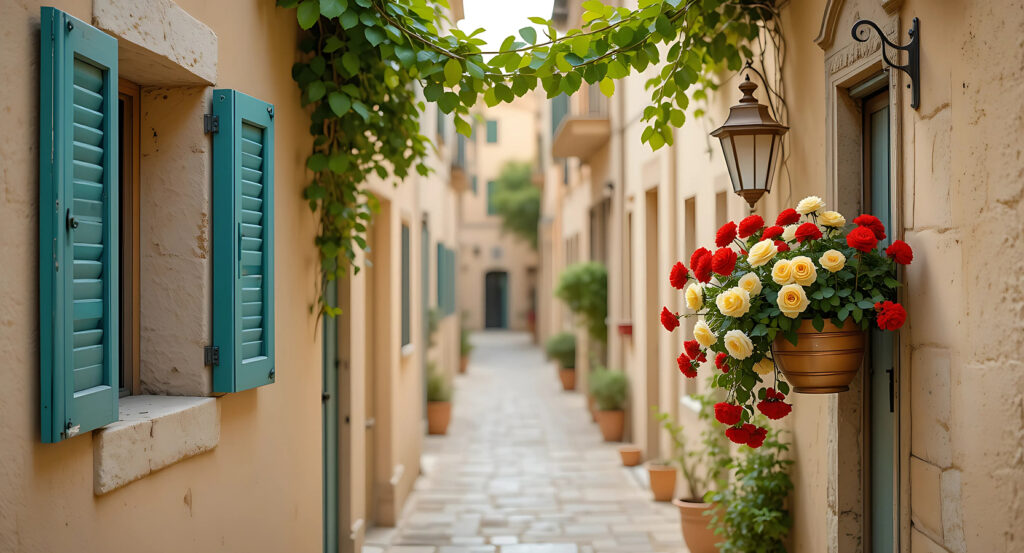
Fun facts about Venice, Italy.
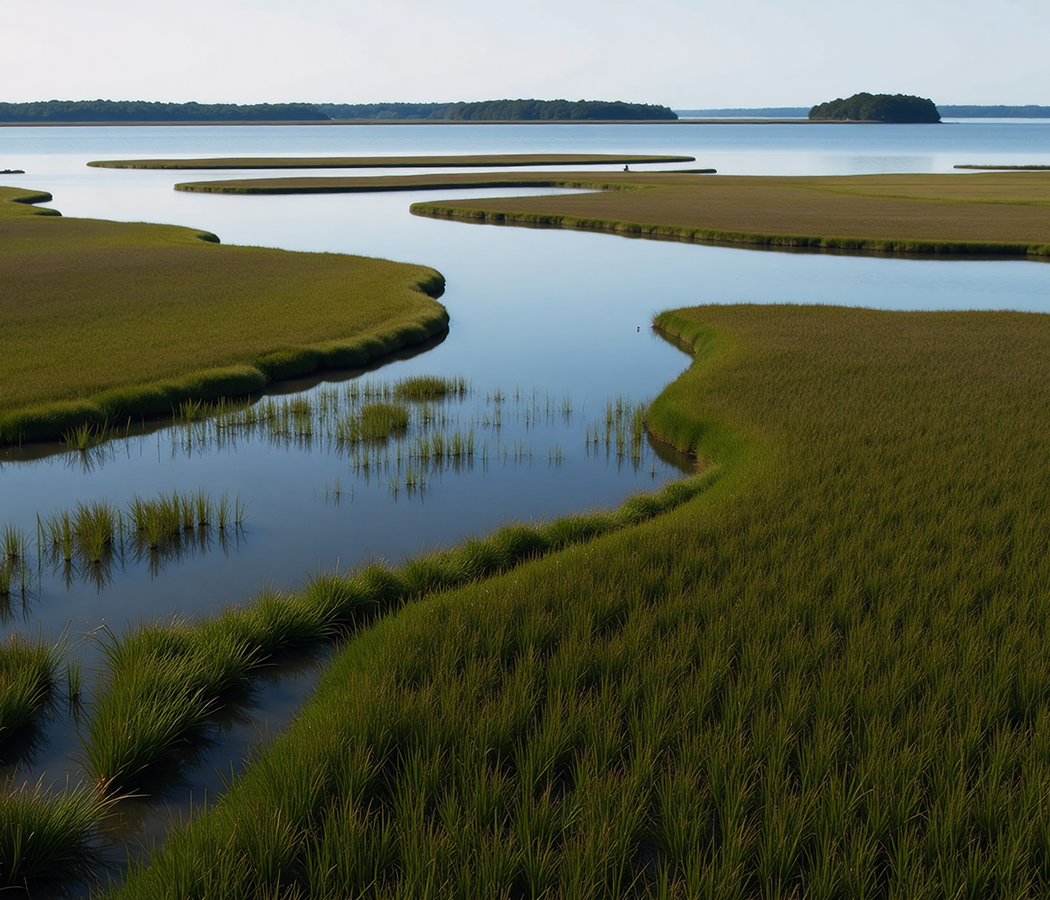
Venice extends across more than one hundred islands within a shallow Adriatic lagoon, where canals, bridges, palaces, and narrow pedestrian streets form an urban environment shaped by centuries of engineering and maritime prosperity. Its buildings rest upon timber piles driven into waterlogged sediment, supporting substantial masonry structures above unstable mudflats and reclaimed land. This construction tradition enabled dense neighborhoods to develop around waterways that functioned as commercial arteries and essential transportation routes. The Grand Canal curves through the historic center in a broad reverse-S configuration, lined with Byzantine, Gothic, Renaissance, and Baroque palaces that express the wealth of successive merchant and aristocratic families. The Ca' d'Oro, constructed during the fifteenth century, exemplifies Venetian Gothic architecture through delicate tracery, pointed arches, and an elaborately ornamented waterfront façade. The Ca' Rezzonico introduces an expansive Baroque composition associated with eighteenth-century aristocratic life. At the historic commercial center, the Rialto Bridge crosses the Grand Canal through a distinctive stone arch incorporating enclosed shopping passages. Completed in 1591 to a design by Antonio da Ponte, it became one of Venice's defining engineering achievements. Piazza San Marco forms the city's principal ceremonial space, dominated by the Basilica di San Marco and its Byzantine-inspired domes, elaborate marble decoration, and extensive golden mosaics. The adjoining Doge's Palace presents an exceptional example of Venetian Gothic architecture through its arcaded ground level, delicate upper loggias, and expansive ceremonial chambers. Its interiors contain major paintings by Venetian masters, including Tintoretto's immense Paradise in the Great Council Chamber. The nearby Bridge of Sighs connects the palace with the former prison complex, preserving a distinctive element of the republic's judicial architecture. Across the Grand Canal, the Santa Maria della Salute rises at the waterway's entrance through an expansive Baroque composition designed by Baldassare Longhena. Constructed following the plague of 1630-1631, its immense dome establishes a commanding presence along the waterfront. Cannaregio preserves residential streets, historic workshops, and the Ghetto Nuovo, where Jewish residence became compulsory under Venetian law in 1516. Dorsoduro contributes quieter canals, historic churches, and important cultural institutions. Farther east, the Arsenale encompasses extensive shipyards, fortified entrances, and industrial structures associated with Venetian naval power. Beyond the historic center, Murano developed an internationally influential glassmaking industry through specialized furnaces and generations of skilled artisans. Burano preserves a distinctive residential landscape of brightly colored houses and a longstanding lacemaking tradition. The lagoon remains fundamental to Venice's physical existence, with tidal fluctuations and periodic flooding presenting persistent conservation challenges. The MOSE flood-barrier system protects the city against exceptionally high tides through movable barriers installed at the lagoon's principal inlets. Venice's architectural distinction arises from the sustained integration of expansive construction, maritime infrastructure, and a dense urban fabric organized around the movement of water.
Italian cultural history owes an immense debt to Venice, whose painters, composers, publishers, playwrights, and artisans transformed European artistic traditions through centuries of experimentation and international exchange. Venetian Renaissance painting achieved prominence through its sophisticated treatment of color, atmosphere, and light. Giovanni Bellini developed a luminous pictorial language through religious compositions and carefully observed landscapes, influencing generations of northern Italian artists. Giorgione introduced poetic ambiguity and atmospheric depth into High Renaissance painting, creating enigmatic works that expanded the expressive possibilities of visual art. Titian became one of Europe's most celebrated painters through portraits, mythological scenes, and religious compositions distinguished by dramatic color relationships and psychological intensity. Tintoretto subsequently developed an energetic style characterized by complex perspective, theatrical lighting, and expansive narrative compositions. Paolo Veronese contributed elaborate paintings celebrating architectural grandeur, ceremonial performance, and the material splendor of Venetian society. During the eighteenth century, Giovanni Battista Tiepolo extended this inheritance through expansive frescoes and luminous allegorical compositions commissioned across Europe. Venice also transformed Western music through the polychoral traditions of St. Mark's Basilica, where Andrea and Giovanni Gabrieli developed spatially distributed compositions that influenced sacred and instrumental performance. The opening of Teatro San Cassiano in 1637 established a landmark in operatic history by introducing a public theater devoted to opera for paying audiences. Antonio Vivaldi, born in Venice in 1678, revolutionized Baroque instrumental composition through his concertos and his association with the Ospedale della Pietà, an institution renowned for educating girls and young women in music. His Four Seasons became a defining work of the classical repertoire. Venetian literary culture flourished through humanist scholarship and printing, particularly through Aldus Manutius, whose influential press advanced the circulation of classical texts and introduced innovations in typography and book design. Carlo Goldoni transformed eighteenth-century Italian comedy through plays emphasizing recognizable social characters and everyday dialogue. Venice's traditions of masked celebration and public performance survive through its Carnival, whose elaborate costumes and ceremonial gatherings preserve elements of the republic's festive inheritance. Specialized craftsmanship achieved comparable distinction through Murano glassmaking, Burano lace, fine textiles, and decorative arts distributed across international markets. The Venice Biennale, established in 1895, introduced a major international platform for contemporary art, subsequently expanding into architecture, cinema, music, theater, and dance. The Venice International Film Festival, founded in 1932, became the world's oldest film festival and an influential institution in modern cinema. Venetian cuisine reflects the maritime resources of the Adriatic and the republic's commercial connections, incorporating seafood, rice, polenta, and spices into a distinctive regional tradition. Dishes including sarde in saor, risotto al nero di seppia, and baccalà mantecato preserve the relationship between local ingredients and Mediterranean exchange. Venice's cultural legacy is inseparable from the artistic ambition of a republic that converted commercial wealth into enduring achievements in painting, music, literature, craftsmanship, and international cultural life.
Five fascinations.
5. Venice rests on millions of wooden piles driven into a lagoon.
Venice's expansive churches, palaces, and houses rise from terrain fundamentally different from ordinary urban ground. Builders drove timber piles deep through soft lagoon sediments until they reached more stable layers, then constructed platforms of wood and stone above them. Permanently submerged in oxygen-poor conditions, many piles resisted the decay normally associated with exposed timber. Generations of builders refined this foundation system as Venice expanded across its islands. Some of Europe's most elaborate stone architecture depends on forests of hidden wooden supports beneath the waterline, turning the lagoon itself into part of the city's engineering system.
4. Venice's Grand Canal is crossed by only four bridges.
The Grand Canal winds through Venice for nearly four kilometers, forming the principal water corridor through the historic city. Despite passing through densely developed neighborhoods, only four pedestrian bridges span it: Rialto, Accademia, Scalzi, and Constitution. For centuries, crossings relied heavily on boats and traghetti, reflecting a city organized around water transportation as deeply as pedestrian movement. The Rialto Bridge became the most celebrated crossing after Antonio da Ponte's stone structure replaced earlier wooden versions in the late sixteenth century. Venice's most important thoroughfare functions simultaneously as a street, transportation artery, architectural showcase, and geographic divide.
3. Venice created one of history's most powerful industrial production centers inside the Arsenal.
The Venetian Arsenal developed into an enormous shipbuilding and military complex that underpinned the maritime power of the Venetian Republic. Specialized workers produced hulls, rigging, weapons, sails, and other components through highly organized processes spread across workshops and shipyards. At its height, the complex employed thousands of workers and used remarkably advanced methods of standardized production and assembly. The Arsenal gave Venice the capacity to build and maintain the fleets behind its commercial and military reach across the Mediterranean. Centuries before modern factories, Venice had created an industrial system on a scale extraordinary for medieval and Renaissance Europe.
2. Venice built an entire neighborhood after establishing the world's first government-enforced Jewish ghetto.
In 1516, the Venetian government required Jewish residents to live within a designated area of Cannaregio that was enclosed at night. Limited space encouraged buildings to rise unusually high as the community grew, producing a distinctive vertical urban environment containing homes, businesses, schools, and synagogues. The district became known as the Ghetto, a term associated with the site's earlier metalworking activity that subsequently spread into numerous languages as a designation for segregated Jewish quarters. A specific piece of Venetian urban geography supplied the world with a word that acquired profound significance across centuries of European history.
1. Venice constructed a vast system of movable barriers to defend its lagoon from catastrophic flooding.
After devastating floods repeatedly exposed Venice's vulnerability to extreme tides, Italy developed MOSE, an immense engineering system positioned at the lagoon's three inlets to the Adriatic Sea. Rows of hollow barriers normally rest filled with water on the seabed. When exceptionally high tides threaten the city, compressed air empties the barriers and raises them into position, temporarily separating the lagoon from the sea. First activated against high water in 2020, the system represents a remarkable new layer in Venice's long relationship with its environment: a city created through hydraulic engineering now relies on engineering at the scale of the lagoon for protection.
Where your story begins.
Foresyte Travel reveals places that feel extraordinary long before you arrive.
Enjoy editorial crafted for luxury travelers.
Foresyte may earn a commission when you book.