Fun facts about Utah.
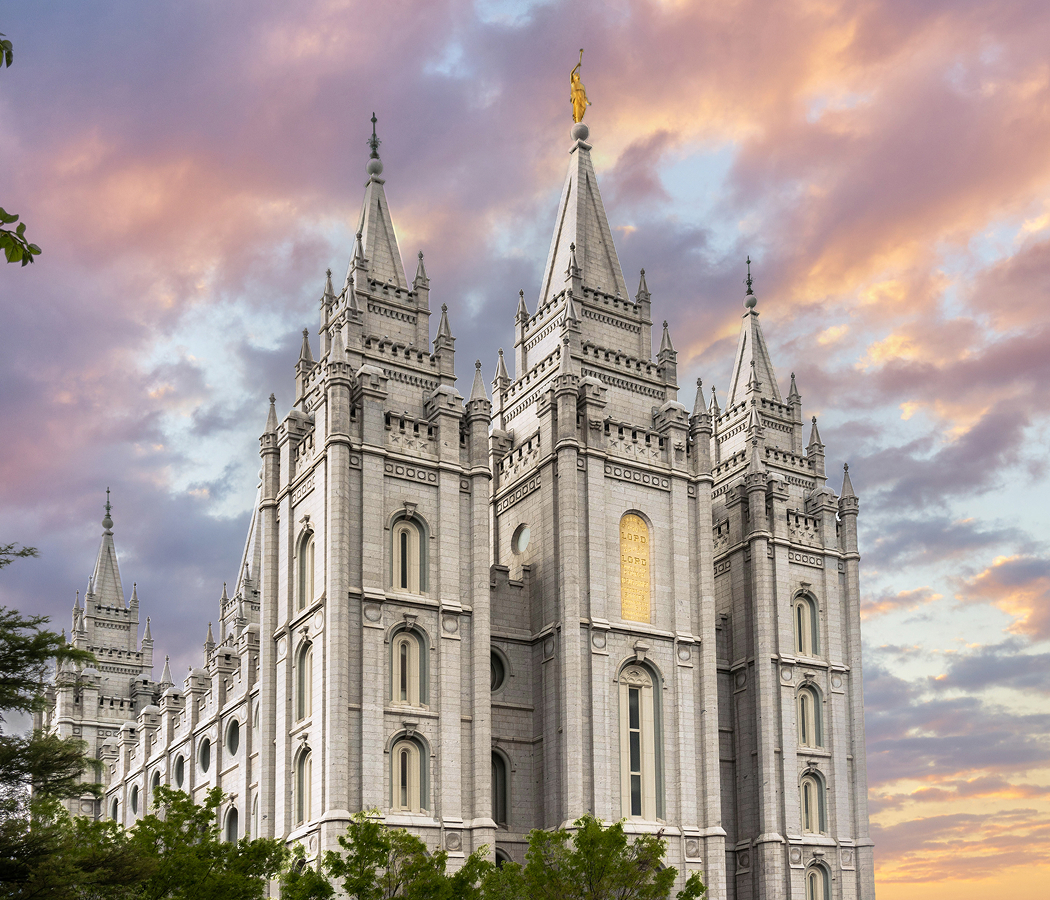
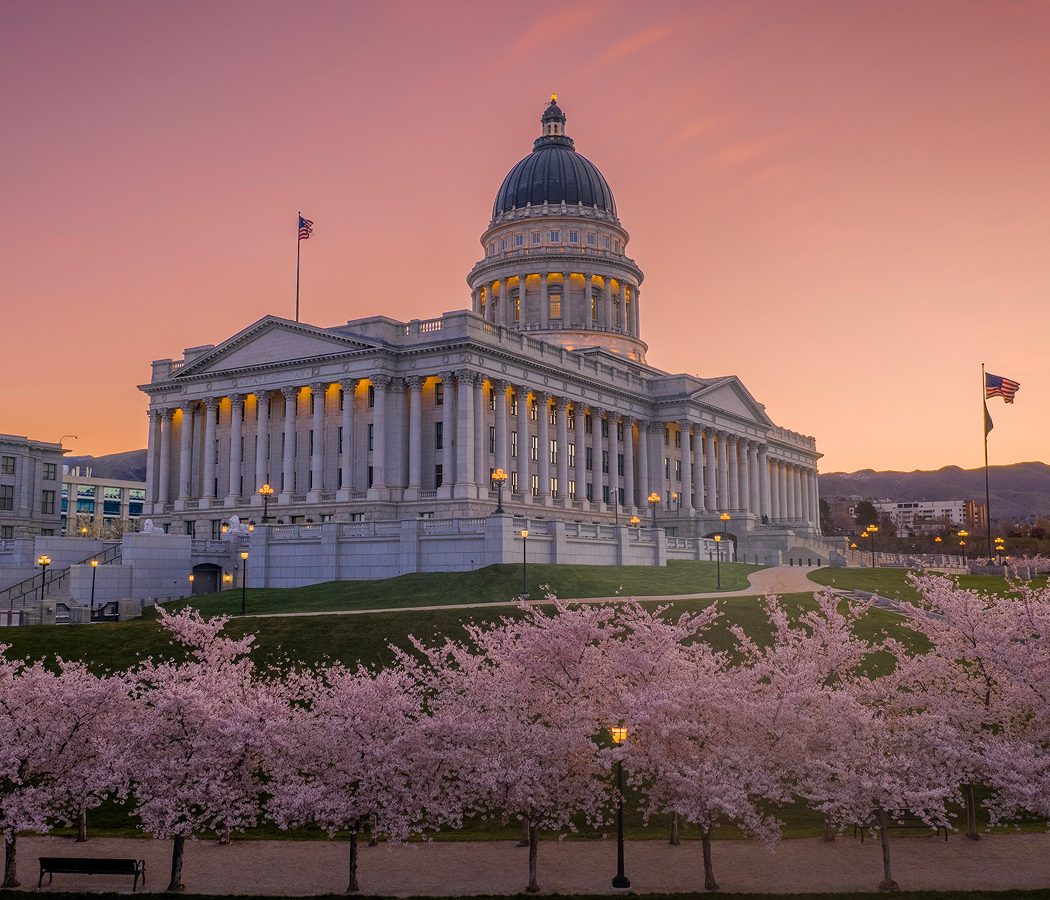
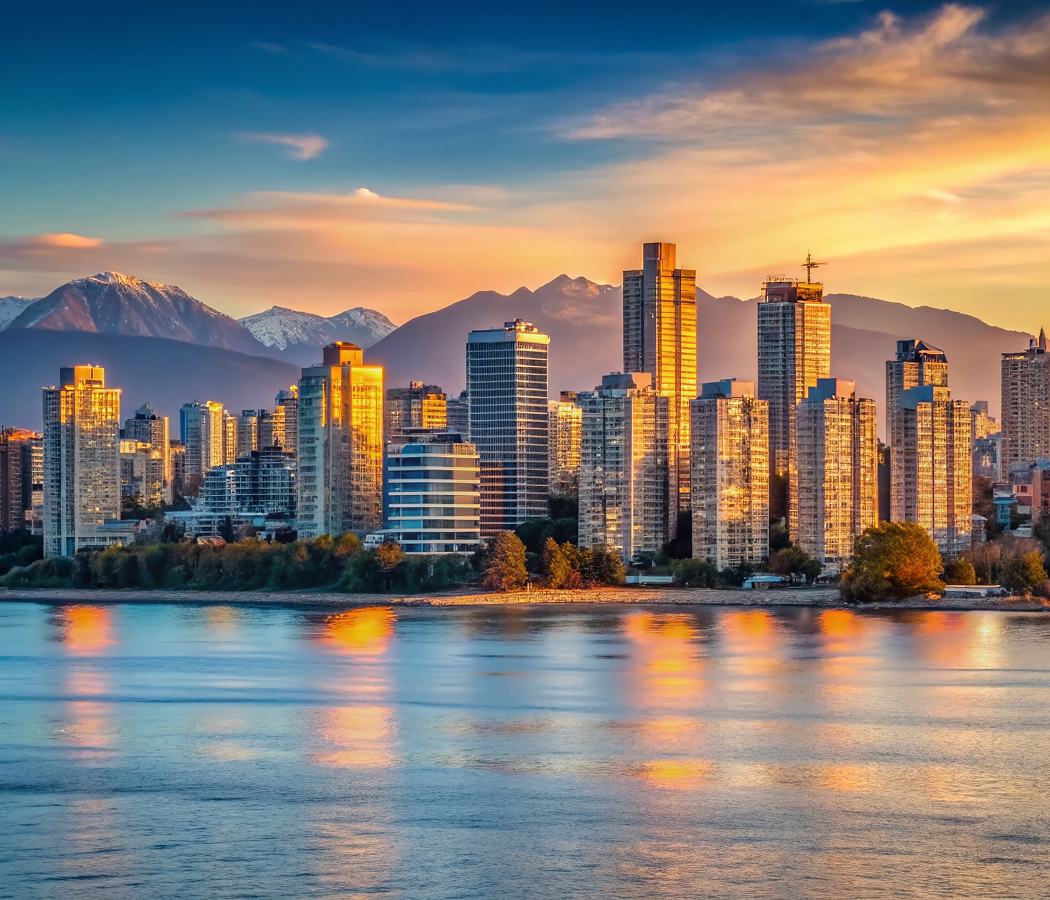
Salt Lake City has become one of America's most distinctive mountain capitals by combining dramatic Wasatch Mountain scenery, pioneering history, and a thriving outdoor culture into a destination unlike anywhere else in the American West. Iconic landmarks including Temple Square, the Utah State Capitol, Red Butte Garden, and Liberty Park have become enduring symbols of the city, while neighborhoods such as Downtown, The Avenues, Sugar House, and 9th & 9th each reveal a distinct side of Salt Lake City's remarkable character. Every district contributes to a destination where historic landmarks, modern cultural attractions, and breathtaking alpine landscapes exist in extraordinary harmony.
Beyond its celebrated skyline, Salt Lake City fascinates through an exceptional blend of history, nature, and recreation. Visitors can admire world-class collections at the Natural History Museum of Utah, explore the exhibits of the Utah Museum of Fine Arts, stroll the energetic shops and restaurants of City Creek Center, or discover the city's pioneering heritage throughout Temple Square. Scenic destinations including the Great Salt Lake, Ensign Peak, This Is the Place Heritage Park, and the nearby ski resorts of Big Cottonwood Canyon and Little Cottonwood Canyon demonstrate how Salt Lake City seamlessly balances urban life with some of North America's most striking mountain recreation.
Perhaps Salt Lake City's greatest fascination is its remarkable ability to unite a spirited capital city with extraordinary natural surroundings. Historic pioneer sites stand beside contemporary museums, thriving downtown streets give way to world-class hiking and skiing within minutes, and the unique landscape of the Great Salt Lake continues to define the region's identity. Whether taking in panoramic views from Ensign Peak, exploring Temple Square, skiing the renowned slopes of the nearby Wasatch Mountains, or relaxing in Liberty Park, visitors quickly discover that Salt Lake City's enduring appeal lies in the seamless blend of history, outdoor adventure, and mountain beauty.
Five fascinations.
5. Salt Lake City was planned around unusually large blocks and exceptionally wide streets.
Brigham Young and other Latter-day Saint settlers established Salt Lake City in 1847 and laid out an expansive rectilinear grid around the future Temple Square. Blocks measured ten acres, creating a scale dramatically larger than that of many nineteenth-century American cities. Streets were also laid out at extraordinary widths, traditionally associated with allowing teams of oxen and wagons to turn. Addresses developed from their distance and direction from the central grid. Salt Lake City's distinctive urban scale originated in its earliest settlement plan and remains immediately visible in the modern downtown.
4. Salt Lake City's street addresses function almost like coordinates.
The city's addressing system radiates outward from the southeast corner of Temple Square, creating combinations such as 300 South and 500 East that communicate approximate location. Numbers generally increase by one hundred with each block, allowing someone familiar with the system to infer both direction and distance from the historic center. The structure expanded beyond Salt Lake City into much of the surrounding metropolitan area, producing an unusually systematic regional geography. What initially appears to visitors as an abundance of numbers is one of the city's most practical inherited design features: the street network itself operates as a navigational coordinate system.
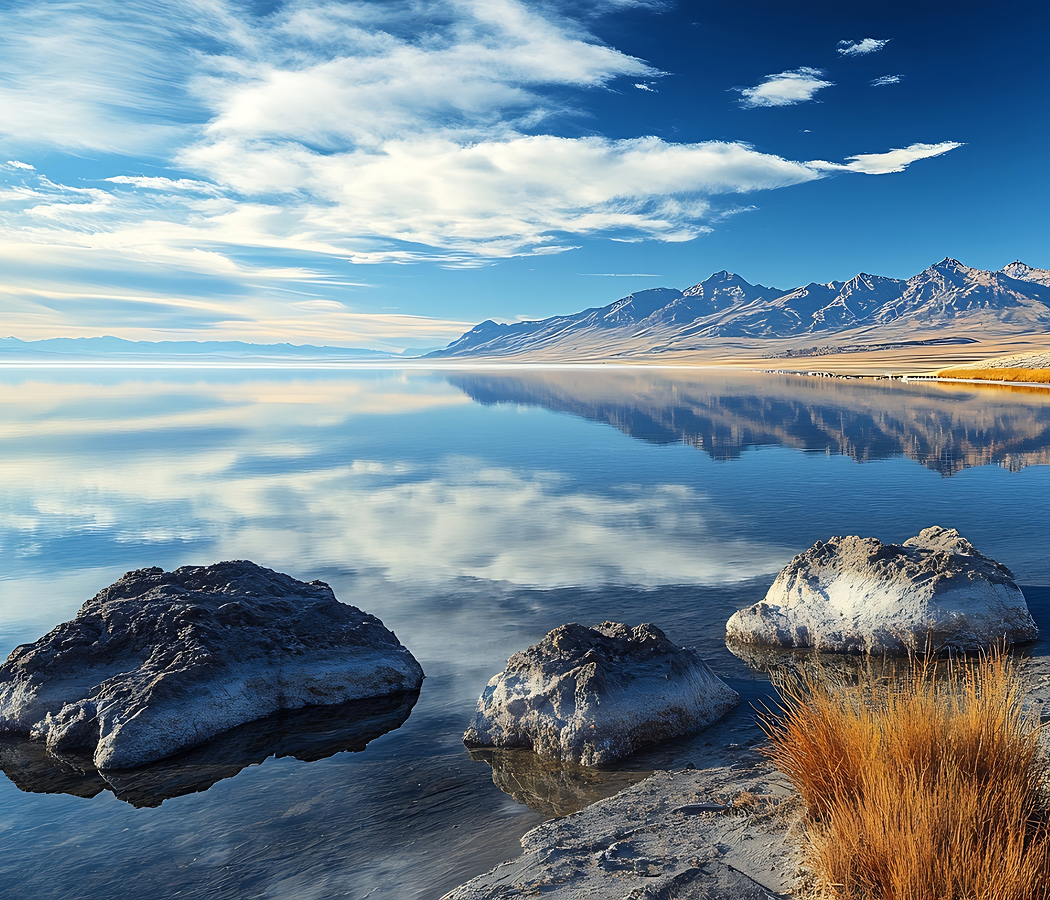
3. The Great Salt Lake is the surviving remnant of an enormous prehistoric lake.
During the last Ice Age, Lake Bonneville covered much of western Utah and reached depths of more than 1,000 feet in places. As the climate changed, the immense lake receded, leaving the Great Salt Lake and smaller bodies of water behind. Ancient shorelines remain etched into mountainsides above Salt Lake City, making the vanished lake physically visible across the surrounding landscape. Because the modern Great Salt Lake has no outlet to the ocean, water escapes primarily through evaporation and leaves dissolved minerals behind. Salt Lake City occupies the floor and shoreline environment of a former inland water system vastly larger than anything present in Utah today.
2. Salt Lake City hosted an Olympics that permanently altered the surrounding mountains.
The 2002 Winter Olympics distributed competition venues across Salt Lake City and the nearby Wasatch Mountains, bringing alpine skiing, speed skating, ski jumping, bobsled, skeleton, and other winter sports to the region. Major facilities included Utah Olympic Park near Park City and the speed-skating oval in Kearns, while transportation and civic infrastructure received substantial investment. Several venues continued as training and competition centers after the Games, giving the Olympic landscape a life far beyond the closing ceremony. Salt Lake City's position beside steep, snow-covered mountains became more than scenic geography: it helped establish the metropolitan region as an international winter-sports center.
1. Salt Lake City sits beneath mountains that rise more than a mile above the valley floor.
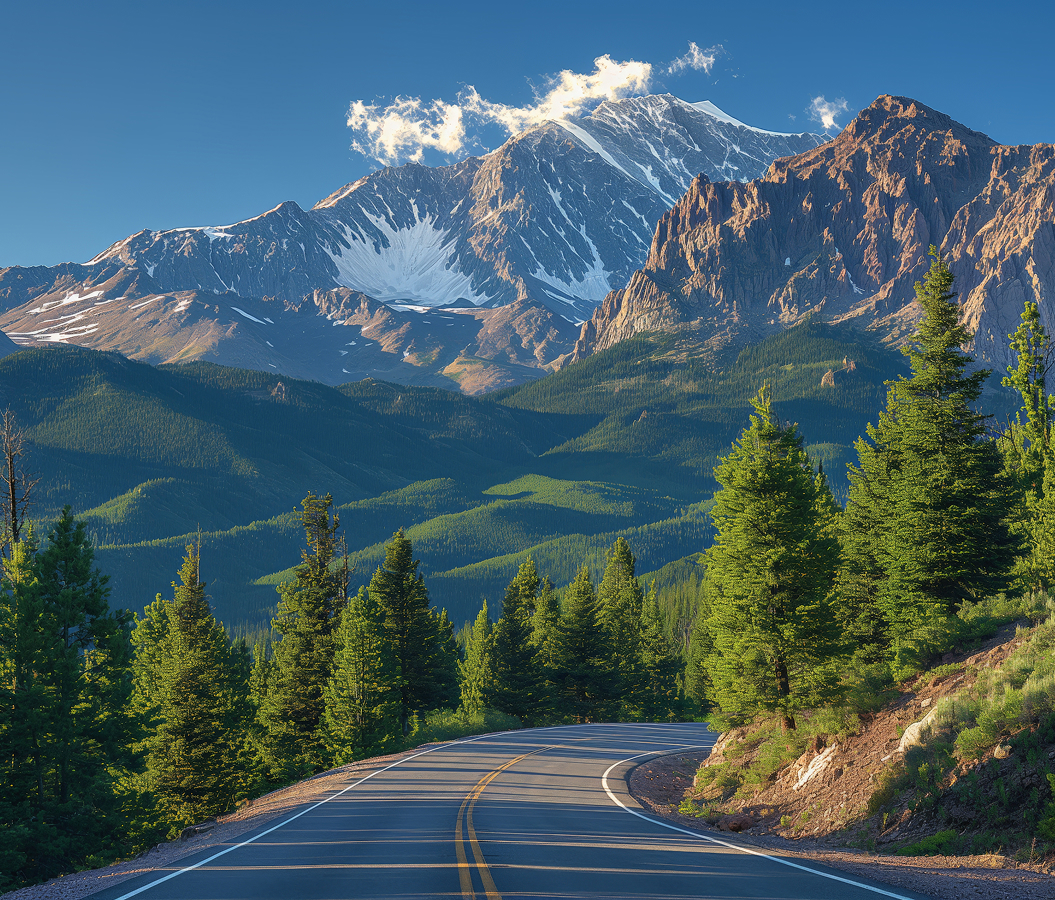
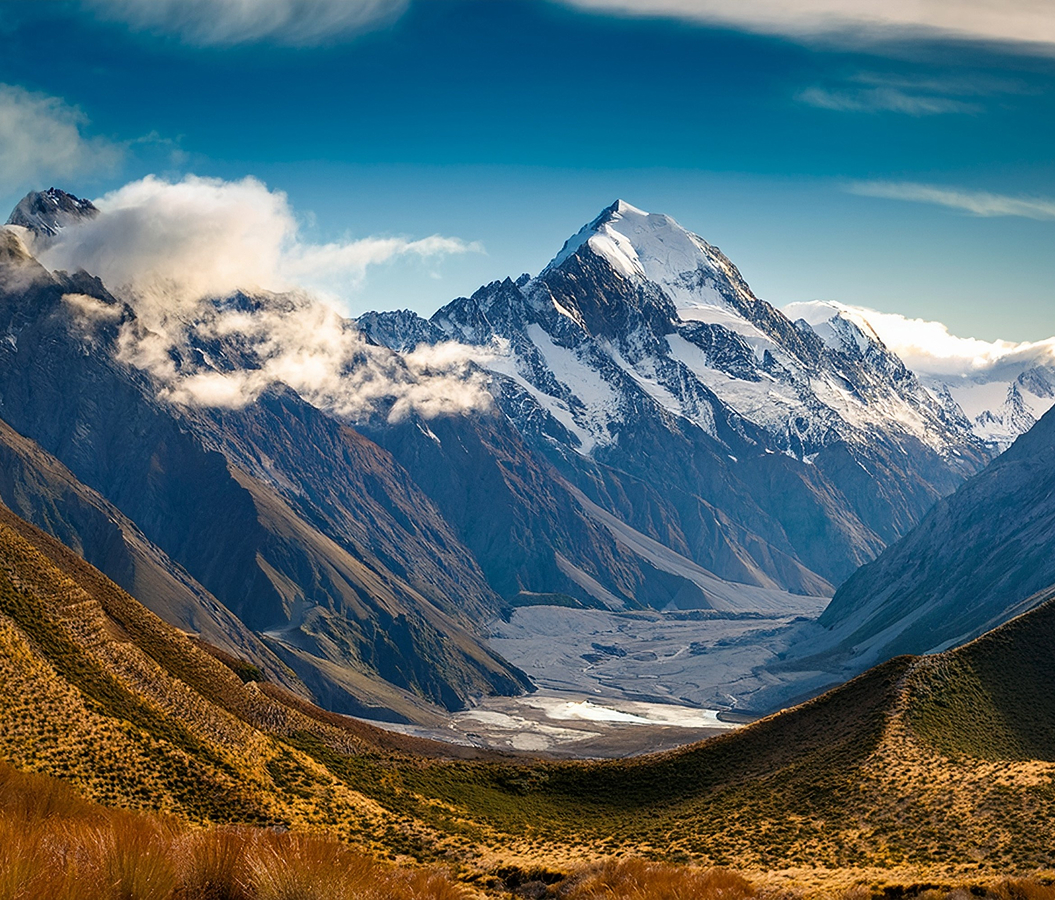
The Wasatch Range forms an extraordinary eastern wall behind Salt Lake City, climbing from the urbanized valley to summits exceeding 11,000 feet. This abrupt topography results from faulting along the Wasatch Front, part of an active tectonic boundary separating the mountainous interior from the Basin and Range Province. Canyons cut deeply into the range immediately beyond the metropolitan area, creating rapid transitions from dense neighborhoods to alpine terrain. The mountains also influence local weather and snowfall as air is forced upward across their slopes. Few major American cities possess such an immediate relationship with extreme topography, making geology fundamental to Salt Lake City's physical identity.
Where your story begins.
Foresyte Travel reveals places that feel extraordinary long before you arrive.
Enjoy editorial crafted for luxury travelers.
Foresyte may earn a commission when you book.