Fun facts about Palm Beach, Florida.
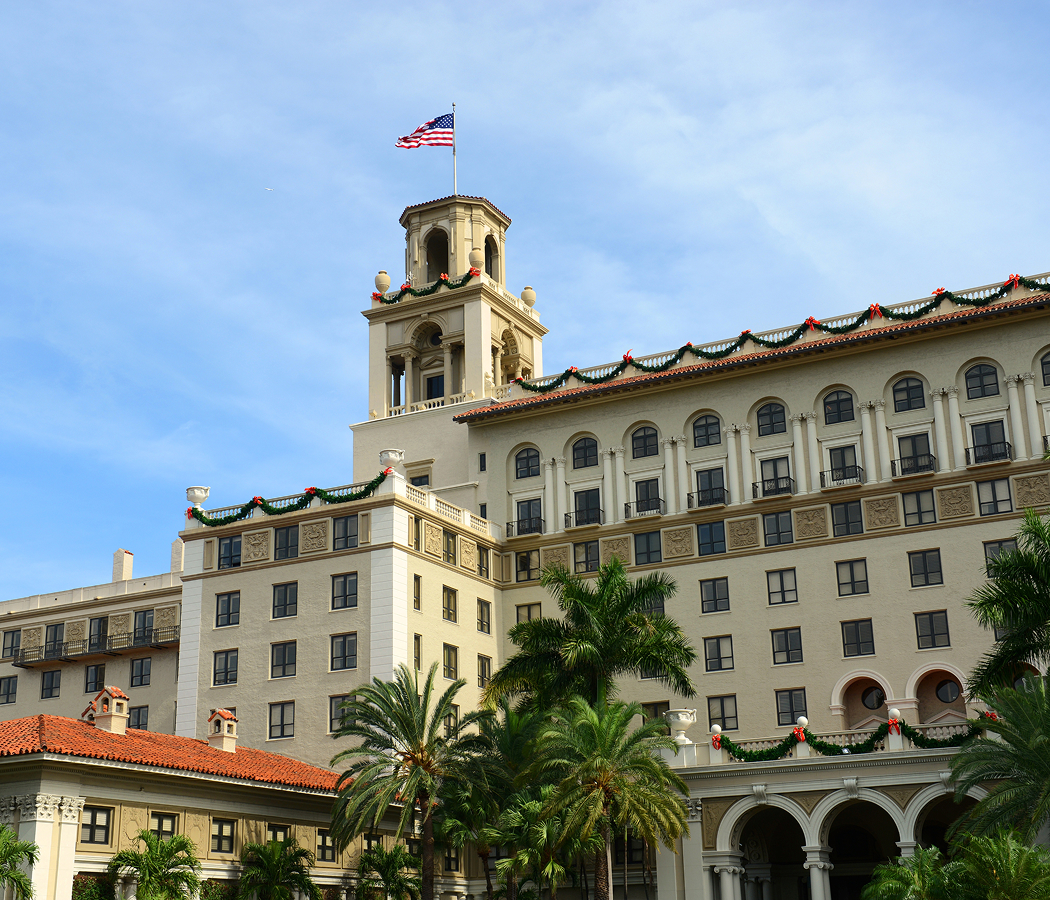
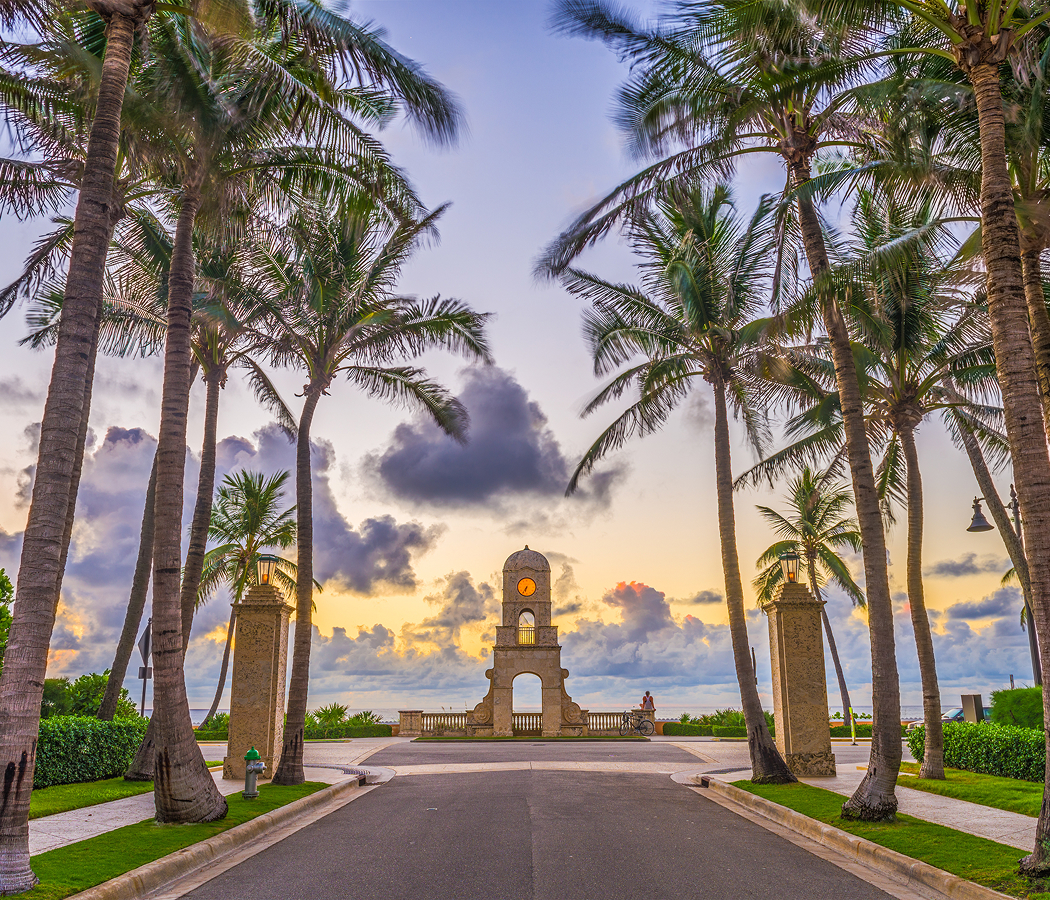
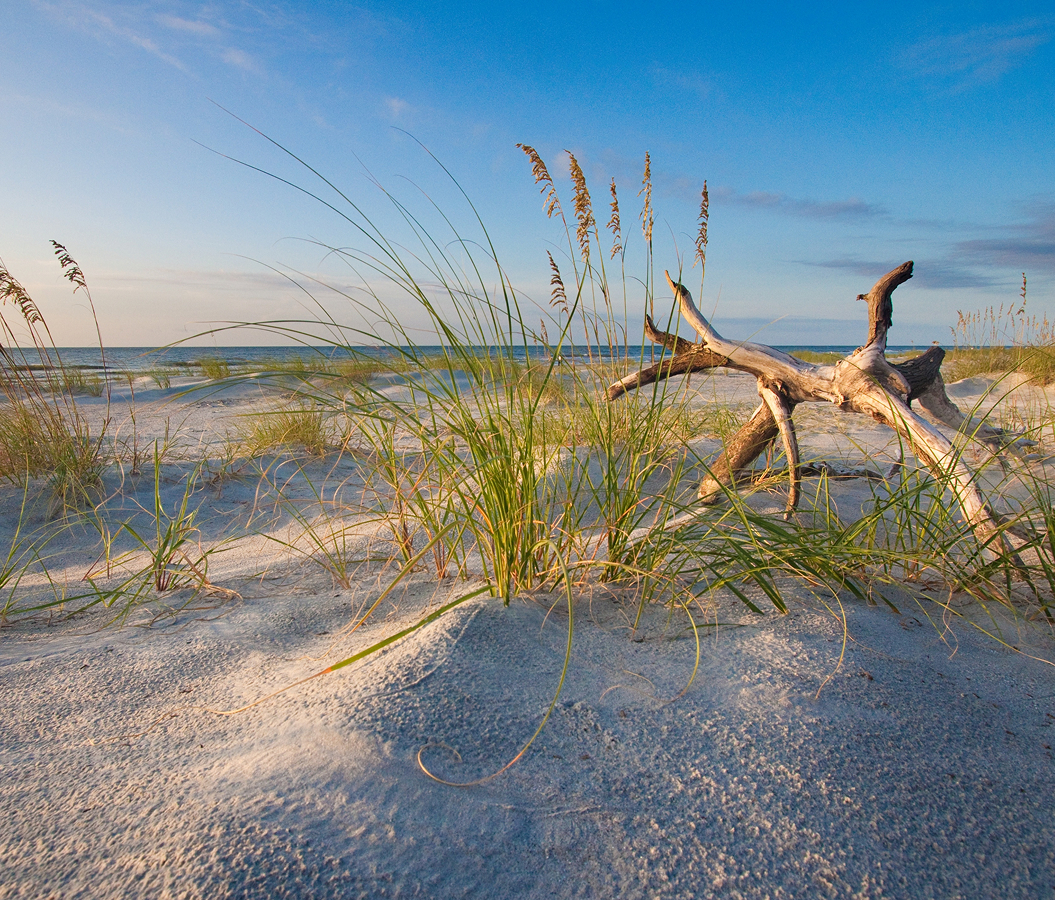
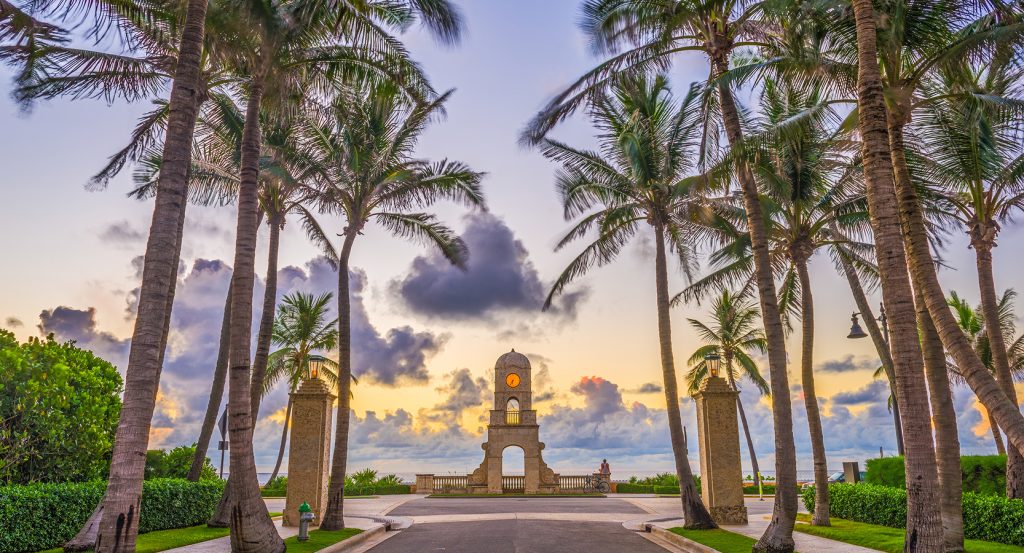
Palm Beach has become one of America's most iconic resort destinations by combining Gilded Age grandeur, pristine Atlantic beaches, and extraordinary tropical beauty into a town unlike anywhere else in Florida. Iconic landmarks including Worth Avenue, The Breakers Palm Beach, Henry Morrison Flagler Museum, and Mid-Town Beach have become enduring symbols of the island, while areas such as Mid-Town, Phipps Ocean Park, The Estate Section, and North End each reveal a distinct side of Palm Beach's remarkable character. Every neighborhood contributes to a destination where Mediterranean Revival architecture, palm-lined avenues, and oceanfront estates exist in extraordinary harmony.
Beyond its celebrated coastline, Palm Beach fascinates through an exceptional blend of history, luxury, and natural beauty. Visitors can explore the opulent Henry Morrison Flagler Museum, stroll the elegant boutiques of Worth Avenue, relax along the golden sands of Palm Beach Municipal Beach, or admire tropical landscapes at the Society of the Four Arts gardens. Scenic destinations including Lake Trail, Phipps Ocean Park, the Norton Museum of Art across the Intracoastal Waterway, and nearby Peanut Island demonstrate how Palm Beach continually balances timeless elegance with outdoor recreation, cultural attractions, and striking waterfront scenery.
Perhaps Palm Beach's greatest fascination is its remarkable ability to preserve the sophistication of America's historic resort era while remaining one of the nation's most prestigious coastal destinations. Landmark hotels stand beside grand private estates, tranquil beaches stretch alongside world-class shopping districts, and lush tropical landscapes frame nearly every view across the island. Whether wandering the luxury storefronts of Worth Avenue, cycling along the scenic Lake Trail, touring the Henry Morrison Flagler Museum, or watching the sunrise over the Atlantic Ocean, visitors quickly discover that Palm Beach's enduring appeal lies in the seamless blend of historic grandeur, coastal beauty, and enduring elegance.
Five fascinations.
5. Palm Beach emerged from a shipwreck that scattered coconuts along the Florida coast.
In 1878, the Spanish ship Providencia wrecked offshore while carrying a cargo that included thousands of coconuts bound for Europe. Local residents salvaged and planted many of them, hoping to establish a profitable coconut industry along the barrier island. The commercial venture never developed as envisioned, but the growing palms transformed the landscape and helped inspire the name Palm Beach. The episode became embedded in the community's origin story decades before luxury estates and resorts defined the island. One of America's most famous resort names traces part of its character to a maritime accident and an unsuccessful agricultural experiment.
4. Henry Flagler transformed Palm Beach into one of America's great winter resort destinations.
Standard Oil co-founder Henry Flagler extended his Florida East Coast Railway southward during the 1890s and paired transportation infrastructure with grand hotels designed to attract wealthy winter travelers. The Royal Poinciana opened beside Lake Worth in 1894, followed by the Palm Beach Inn on the Atlantic side of the island. The latter became The Breakers and evolved through fires, reconstruction, and expansion into Palm Beach's defining resort institution. Flagler also built Whitehall, his enormous Gilded Age estate nearby. Palm Beach developed through an unusually coordinated combination of railroad expansion, luxury hospitality, architecture, and seasonal migration from northern American cities.
3. Palm Beach contains a Gilded Age mansion whose scale rivaled the grandest private residences in America.
Henry Flagler completed Whitehall in 1902 as a wedding gift to his third wife, Mary Lily Kenan Flagler. Architects John Carrère and Thomas Hastings designed the immense Beaux-Arts mansion around a sequence of lavish rooms drawing from European historical styles. Its marble entrance hall, grand staircase, courtyards, salons, and elaborate decorative programs expressed the extraordinary wealth generated during America's Gilded Age. Whitehall later operated as a hotel before being preserved as the Henry Morrison Flagler Museum. Palm Beach retains a grand residence that physically connects the island's resort culture with the industrial fortunes responsible for transforming Florida around the beginning of the twentieth century.
2. Architect Addison Mizner gave Palm Beach much of the visual language still associated with the island.
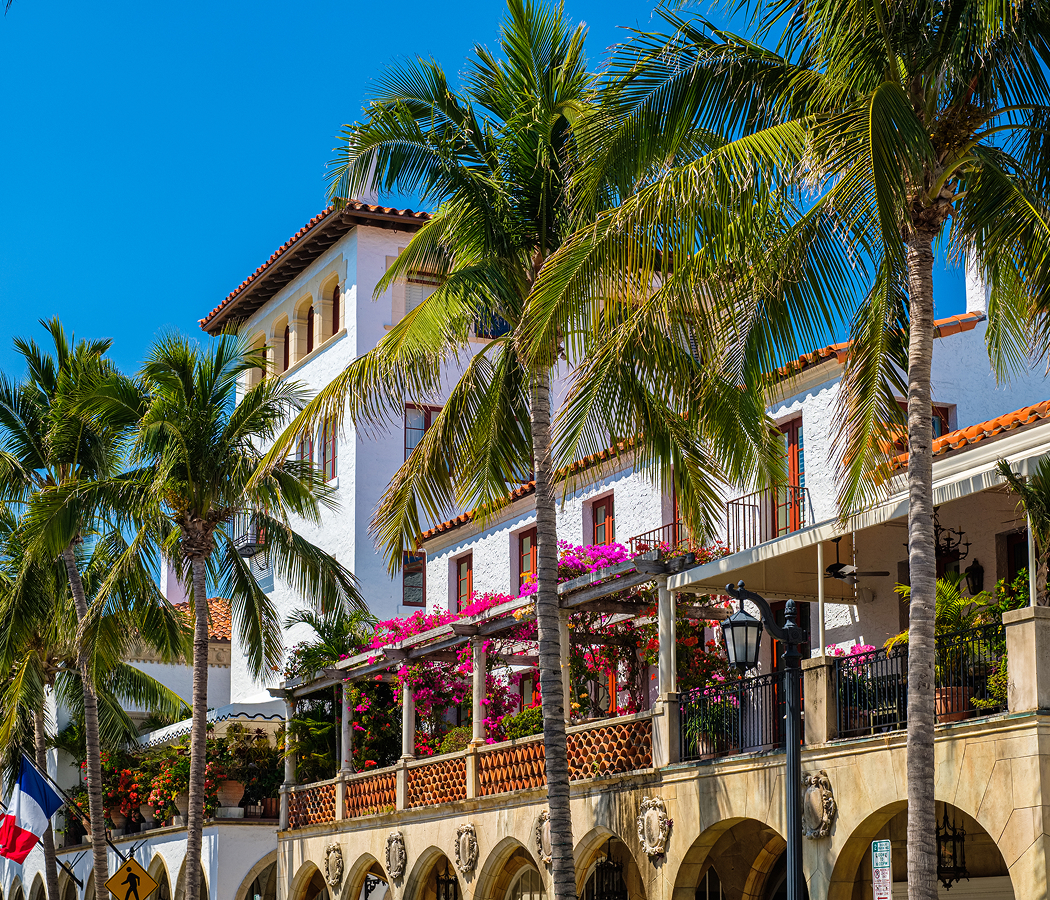
Addison Mizner arrived in Palm Beach during the 1910s and developed an architectural style inspired by Mediterranean and Spanish precedents. Rough stucco walls, tiled roofs, arcades, courtyards, towers, ironwork, carved stone, and deliberately irregular compositions gave his buildings an appearance of accumulated history despite their recent construction. The Everglades Club became an early landmark, while residences and commercial projects extended his influence across the island. Mizner's work helped move American resort architecture away from earlier northern European traditions toward an image tailored to Florida's climate and landscape. Palm Beach's enduring Mediterranean Revival character owes much to one architect's extraordinarily influential interpretation of Old World forms.
1. Worth Avenue grew into a luxury shopping district from architecture designed to feel like a Mediterranean village.
Worth Avenue became internationally associated with luxury retail, yet some of its most distinctive spaces lie beyond the principal storefronts. Addison Mizner developed Via Mizner during the 1920s as a narrow pedestrian passage of shops, residences, courtyards, balconies, stairways, fountains, and richly textured architecture. Additional vias later extended this intimate spatial vocabulary, creating environments dramatically different from conventional American commercial streets. The result helped make shopping itself part of Palm Beach's architectural experience, with movement through hidden courtyards and passages becoming inseparable from the district's identity. Worth Avenue combines high-end commerce with one of the island's most characteristic experiments in Mediterranean-inspired urban design.
Where your story begins.
Foresyte Travel reveals places that feel extraordinary long before you arrive.
Enjoy editorial crafted for luxury travelers.
Foresyte may earn a commission when you book.