Fun facts about The Caribbean.
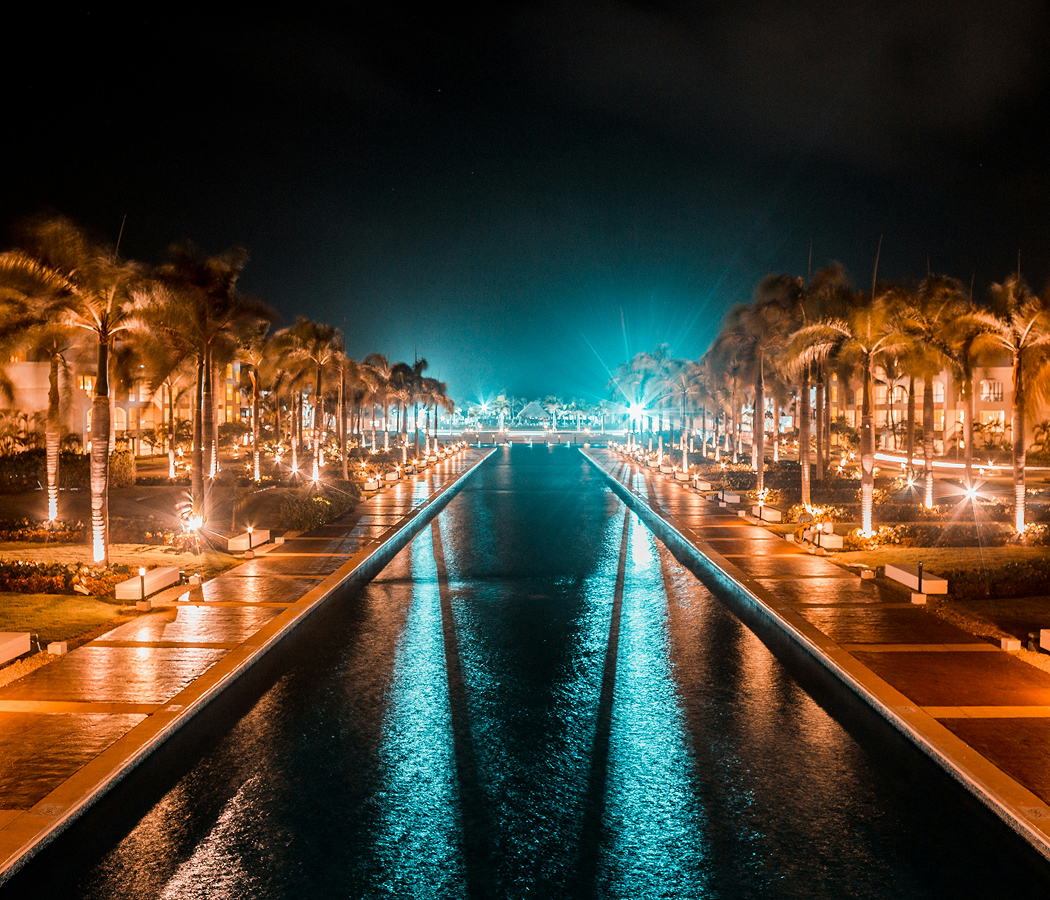
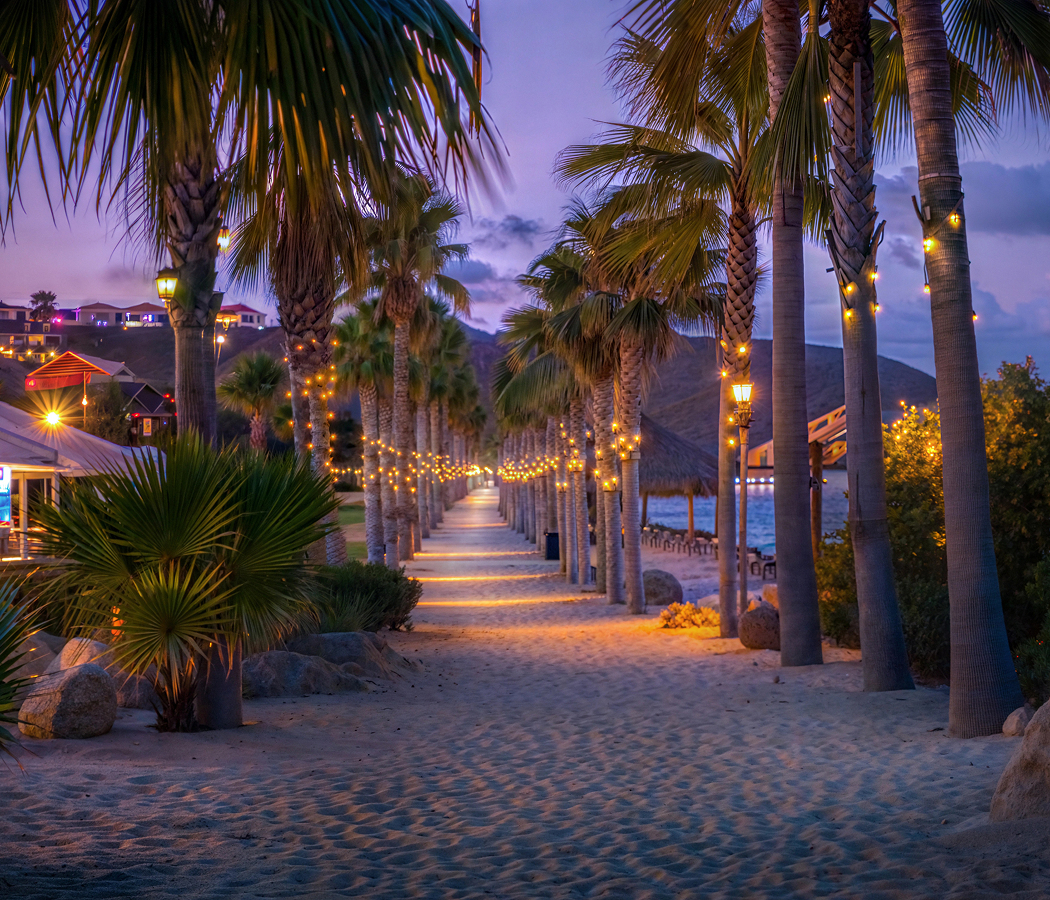
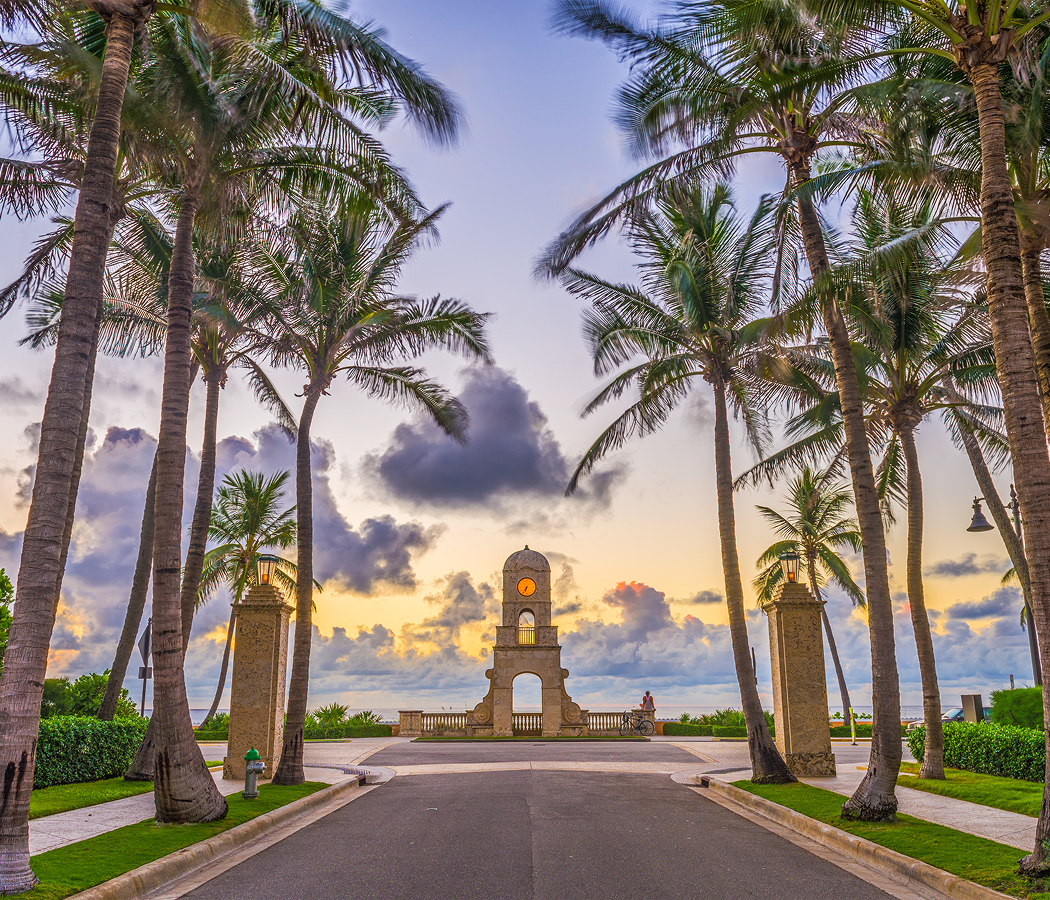
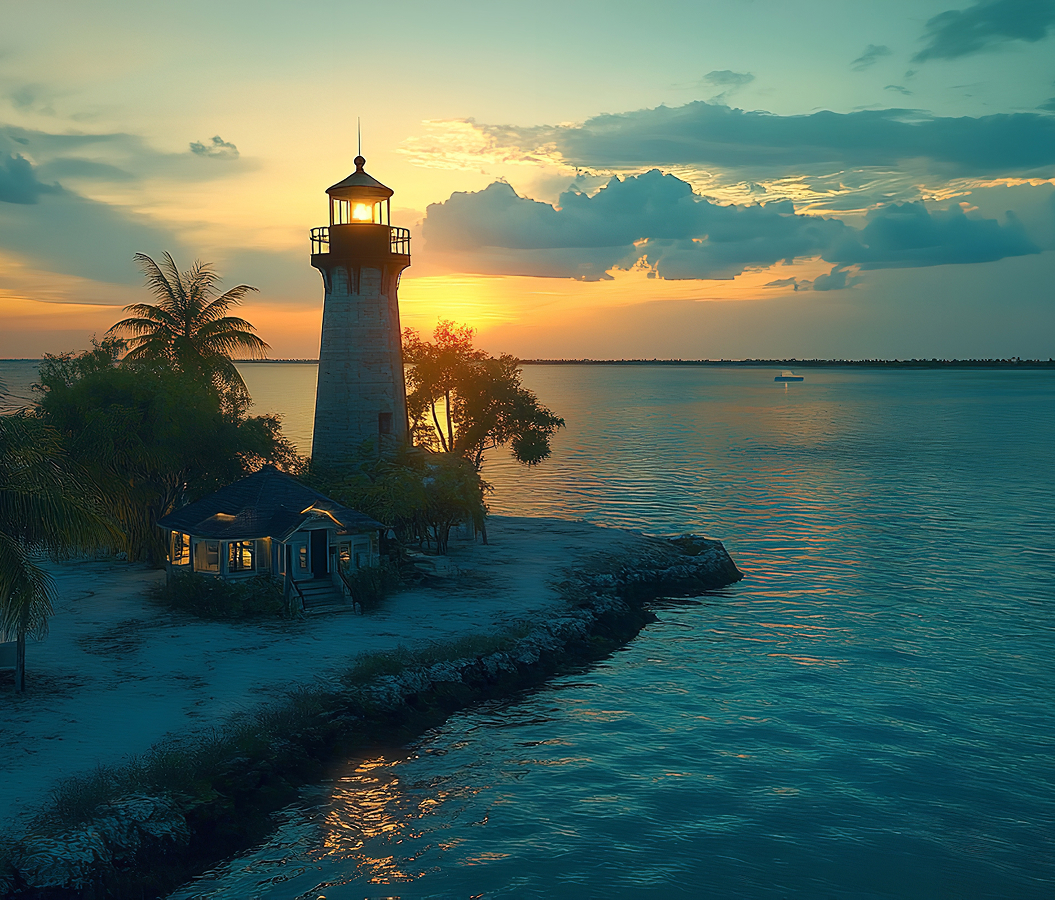
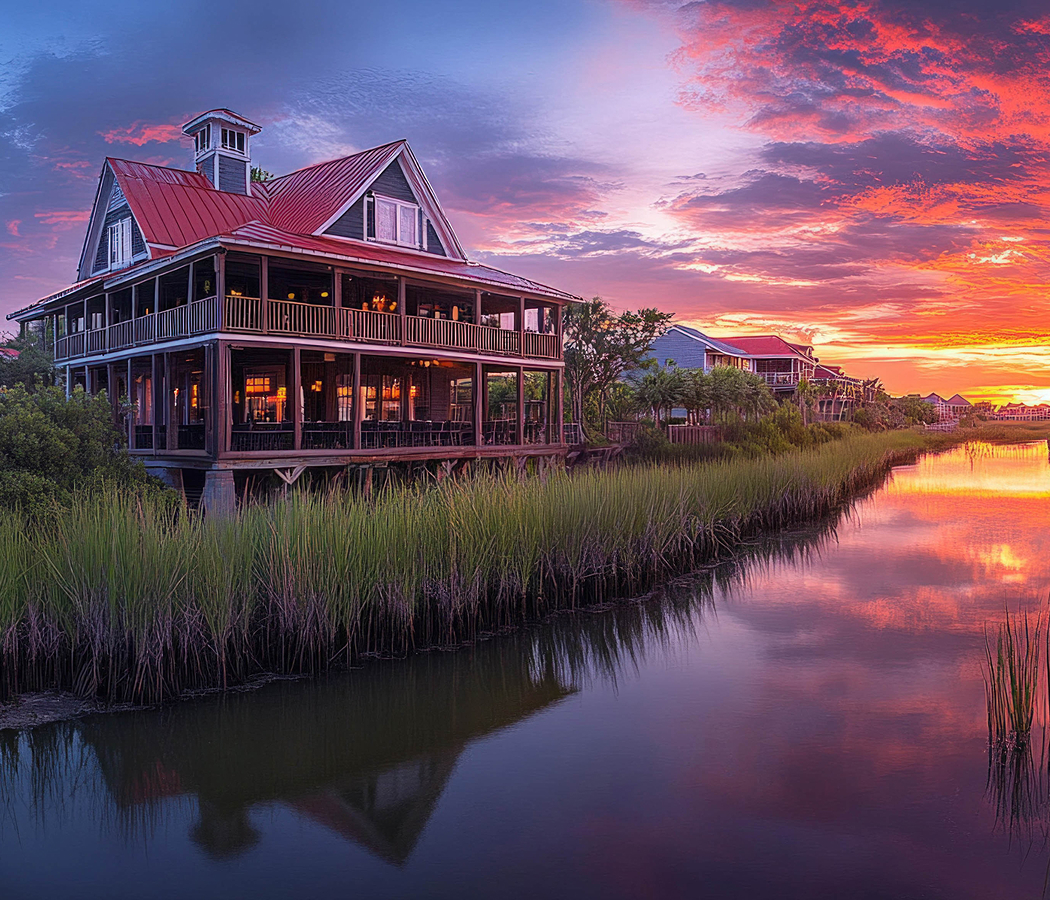
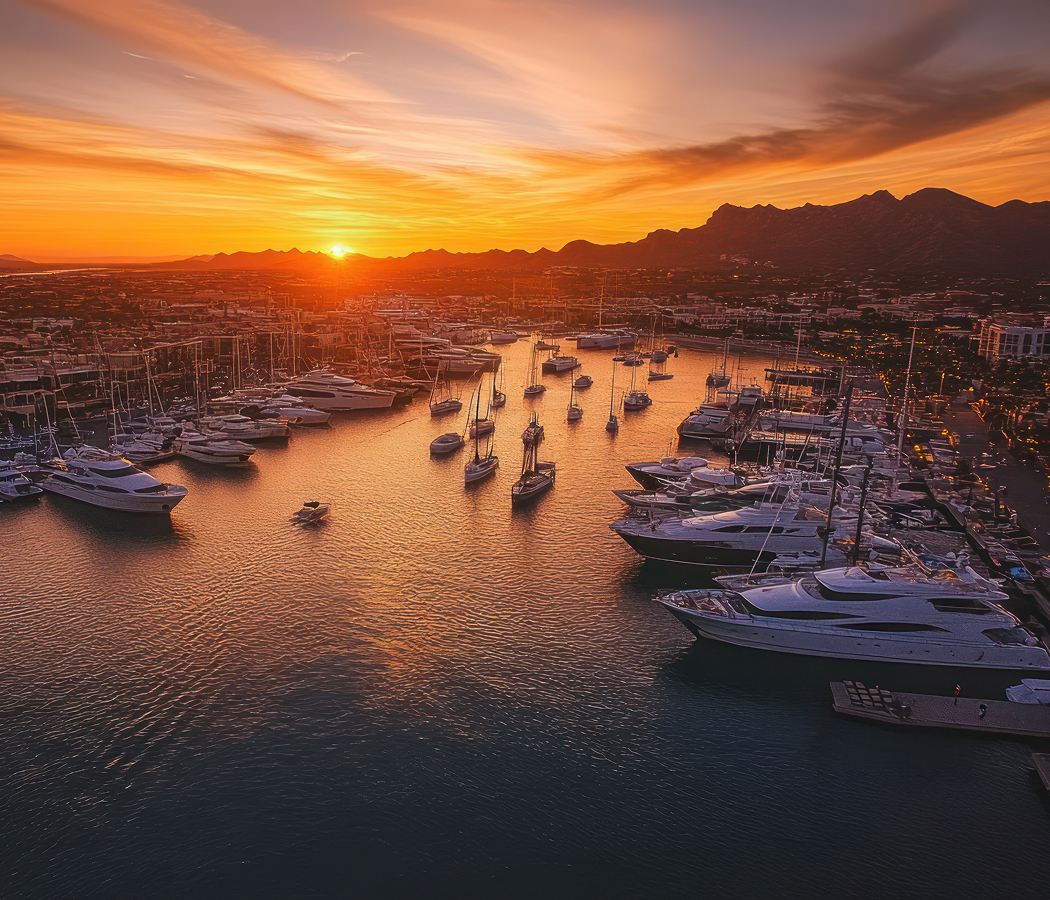
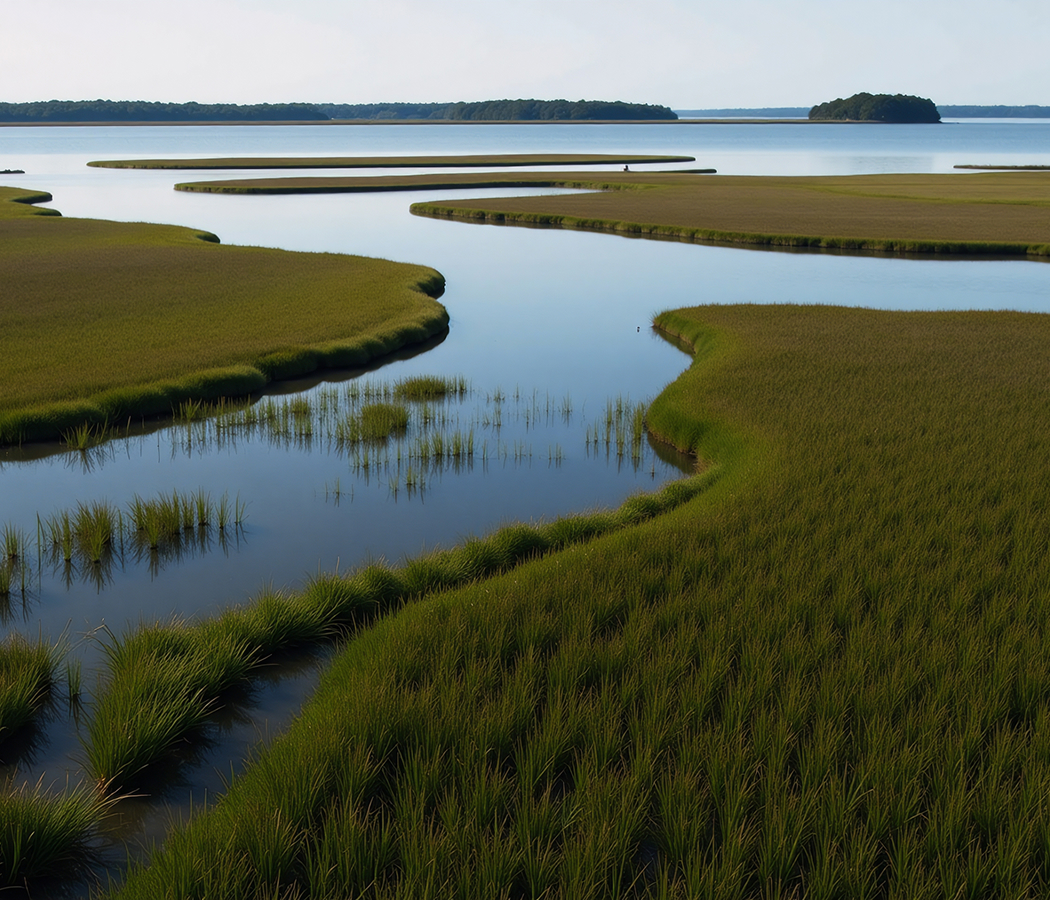
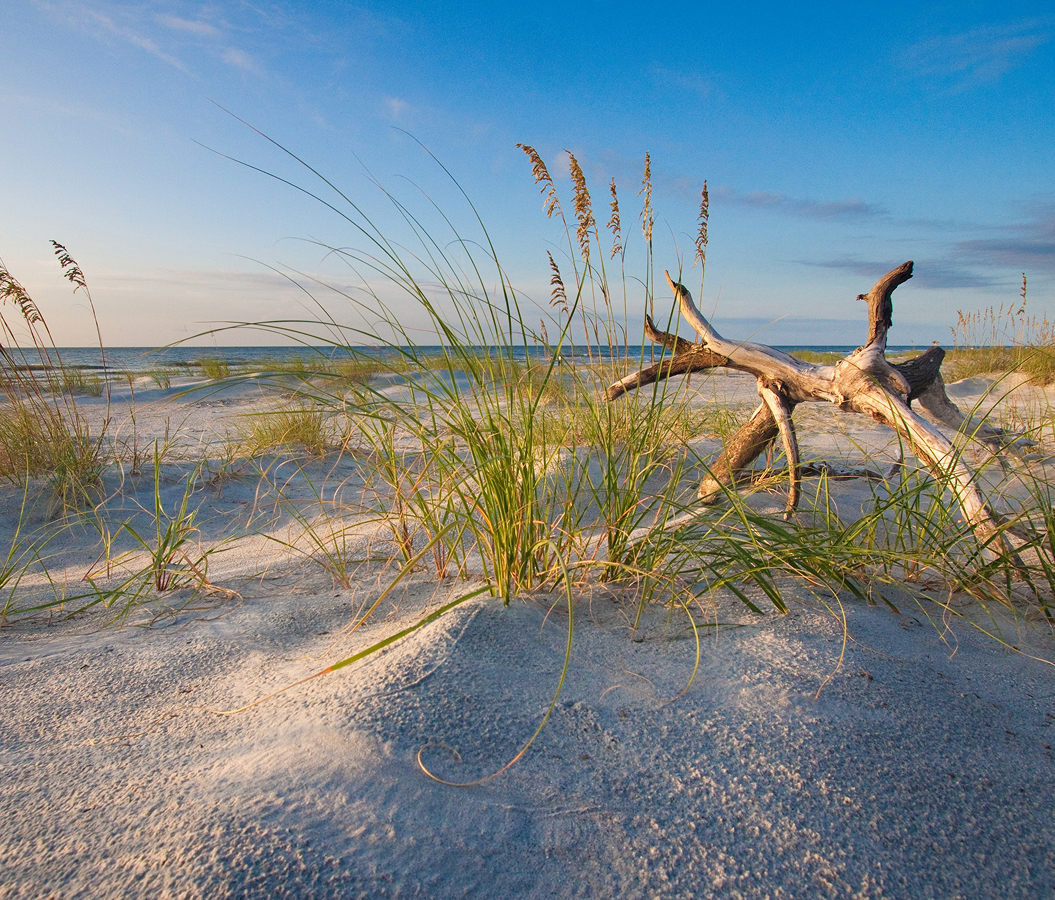
Punta Cana extends along the eastern tip of the Dominican Republic, where the Atlantic Ocean meets the Caribbean Sea across a coastline of pale sand, coral reefs, shallow lagoons, and dense tropical vegetation. The surrounding terrain is predominantly low and gently undulating, with limestone formations, coastal wetlands, and extensive palm groves shaping the natural environment. The region's beaches form a nearly continuous sequence of broad sandy shores, interrupted by rocky headlands, protected inlets, and areas of mangrove vegetation. Bávaro occupies the northern portion of the principal resort corridor, where Playa Bávaro stretches along a sweeping coastline of white sand and turquoise water. Offshore coral formations help moderate wave conditions along sections of the beach, creating sheltered swimming areas and shallow coastal environments. The district contains a dense concentration of hotels, restaurants, shopping complexes, and residential developments connected by landscaped roads and resort access routes. Farther north, Arena Gorda presents another extensive beach landscape, with broad stretches of sand and substantial beachfront hospitality properties. Macao Beach occupies a more exposed Atlantic-facing setting, distinguished by stronger surf, open coastal views, and a shoreline framed by palms and limestone outcrops. Its natural conditions have made it particularly popular for surfing and other ocean activities. South of Bávaro, the Punta Cana resort district extends toward the southeastern tip of the peninsula, incorporating landscaped hospitality developments, golf courses, residential enclaves, and protected natural areas. The Puntacana Resort complex occupies a substantial coastal property distinguished by tropical gardens, low-rise resort architecture, and carefully planned recreational landscapes. The Indigenous Eyes Ecological Reserve protects a portion of the surrounding subtropical forest, including a series of freshwater lagoons formed within the region's limestone geology. Its shaded trails pass through native vegetation toward clear natural pools, providing an important example of the ecological environments that preceded large-scale resort construction. Southward, Cap Cana occupies an extensive planned coastal district containing hotels, villas, golf courses, and the Marina Cap Cana. The marina provides sheltered berths for recreational vessels within a landscaped waterfront development, connecting the area's hospitality infrastructure with Caribbean boating and sportfishing. Juanillo Beach extends along a broad crescent of pale sand near Cap Cana, distinguished by calm coastal waters and a relatively open shoreline. The Punta Espada Golf Club occupies a dramatic coastal landscape where fairways approach rocky cliffs and overlook the Caribbean Sea. Inland, the resort corridor transitions toward residential communities, commercial centers, and the agricultural countryside surrounding Verón and Higüey. The Basilica Cathedral of Our Lady of Altagracia stands in Higüey as one of the eastern Dominican Republic's most important architectural and religious landmarks. Completed in 1971, its expansive concrete arches and modernist composition create a striking contrast with the low-rise development of the surrounding town. West of Punta Cana, the coastline approaches the protected landscapes of Cotubanamá National Park, where tropical forests, limestone caves, and marine environments preserve substantial portions of southeastern Hispaniola's natural heritage. The park includes areas associated with the former Parque Nacional del Este and provides access to coastal ecosystems near Bayahíbe. Saona Island, situated offshore within the protected area, contains palm-lined beaches, shallow turquoise waters, and small coastal communities. Punta Cana's physical character is best known for the unusual continuity of its tropical shoreline, the concentration of purpose-built resort districts, and the surviving forest, reef, and freshwater environments that remain integral to the eastern peninsula.
Dominican culture in Punta Cana draws upon the musical traditions, culinary heritage, religious customs, and coastal rhythms of Hispaniola, creating a distinctive social setting within one of the Caribbean's most internationally visited regions. The country's cultural inheritance reflects centuries of interaction among Indigenous Taíno traditions, African diasporic communities, and Spanish colonial institutions. These influences remain visible in Dominican language, music, food, religious observance, and everyday social practices. Merengue occupies a central position in national musical culture, combining energetic dance rhythms with instruments including the accordion, tambora drum, and güira. The genre developed into an internationally recognized expression of Dominican popular music, with performers such as Johnny Ventura, Wilfrido Vargas, and Juan Luis Guerra contributing to its global prominence. Bachata originated in Dominican working-class communities during the twentieth century, developing a distinctive guitar-driven sound associated with romantic storytelling and intimate partner dancing. Artists including Juan Luis Guerra, Aventura, and Romeo Santos helped bring bachata to audiences across Latin America and beyond. These musical traditions form an important part of the atmosphere of Punta Cana's restaurants, entertainment venues, festivals, and resort performances. The region's cultural heritage also connects closely with Higüey, whose religious traditions center on the Basilica of Our Lady of Altagracia. The annual celebration of Our Lady of Altagracia on January 21 attracts pilgrims from throughout the Dominican Republic, reflecting the enduring importance of Catholic devotion within national life. Dominican visual traditions include painting, woodcarving, ceramics, and crafts associated with regional materials and popular religious imagery. Local markets and artisan businesses present handmade jewelry, woven goods, decorative objects, and works incorporating amber and larimar, the blue gemstone found in the Dominican Republic. The eastern peninsula's maritime setting contributes to a food culture shaped by fresh fish, shellfish, tropical produce, and the agricultural resources of the surrounding countryside. Dominican cooking places particular emphasis on rice, beans, plantains, cassava, meat, and aromatic seasonings. La bandera dominicana, a familiar national meal combining rice, beans, meat, and salad, remains a staple of everyday dining. Mangú, prepared from mashed green plantains and commonly served with eggs, fried cheese, and Dominican salami, is an important breakfast tradition. Sancocho, a substantial stew combining meats, root vegetables, and plantains, is closely associated with family gatherings and celebrations. Along the coast, grilled fish, lobster, shrimp, and seafood stews reflect the resources of the Caribbean and Atlantic waters. Pescado con coco, fish prepared with coconut milk and seasonings, represents a particularly distinctive preparation associated with Dominican coastal cooking. Fried plantains, known as tostones, accompany many seafood and meat dishes, and tropical fruits including pineapple, papaya, mango, and passion fruit contribute to drinks and desserts. Punta Cana's restaurant landscape combines traditional Dominican kitchens with international dining establishments serving Mediterranean, Latin American, Asian, and contemporary Caribbean cuisine. The concentration of major resorts has supported a substantial hospitality workforce and introduced elaborate culinary programming, although neighborhood restaurants in Verón, Bávaro, and Higüey provide a closer connection to everyday regional cooking. Recreational traditions reflect the surrounding marine environment, with sailing, snorkeling, scuba diving, fishing, and beach activities forming a major part of local tourism. Offshore reefs and nearby protected waters support excursions exploring tropical fish, coral formations, and coastal ecosystems. Seasonal cultural events, music performances, and religious celebrations connect the resort corridor with the broader traditions of La Altagracia Province. Punta Cana's cultural experience is most rewarding when the region's international hospitality is understood alongside the Dominican communities that sustain it: the rhythms of merengue and bachata, the flavors of plantains and coconut-seasoned seafood, and the enduring religious and social traditions of the eastern peninsula.
Five fascinations.
5. Punta Cana's modern tourism landscape grew from an almost undeveloped stretch of eastern Dominican coastline.
During the late 1960s, investors including Frank Rainieri and Theodore Kheel began developing tourism on a remote section of the Dominican Republic's eastern coast that lacked substantial roads, utilities, and conventional visitor infrastructure. Early development centered on simple accommodations surrounded by beaches, coconut palms, and tropical vegetation. The project evolved into Grupo Puntacana and helped establish a model for large-scale resort development across the region. Subsequent investment transformed the surrounding coastline into one of the Caribbean's major tourism corridors. Punta Cana emerged through the deliberate creation of a destination in a landscape that had previously remained largely outside the Dominican Republic's established tourism economy.
4. Punta Cana International Airport began as a tiny airstrip and became the Dominican Republic's busiest airport.
The isolation of the emerging resort district made air access essential to its growth. Punta Cana International Airport opened in 1983 with distinctive open-air terminal architecture incorporating palm-thatched roofs inspired by traditional Caribbean building forms. International service expanded alongside the surrounding hotel industry, allowing travelers to arrive directly in eastern Dominican Republic rather than travel overland from Santo Domingo. Successive terminal and runway expansions transformed the airport into the country's leading aviation gateway by passenger traffic. Punta Cana's global tourism economy developed around an unusual piece of privately initiated infrastructure that connected a once-remote coastline directly with cities across the Americas and Europe.
3. Punta Cana sits near the meeting point of the Atlantic Ocean and Caribbean Sea.
The eastern Dominican Republic projects toward the Mona Passage, the body of water separating Hispaniola from Puerto Rico and connecting the Atlantic with the Caribbean. Punta Cana occupies this transitional maritime landscape, while nearby Cap Cana and the coast farther south curve toward the Caribbean-facing side of the island. Ocean currents, prevailing winds, reefs, and coastal orientation create meaningful differences among beaches across the broader region. The destination's geography extends beyond a single uninterrupted tropical shoreline. Punta Cana occupies the eastern edge of Hispaniola at a major marine crossroads where two immense bodies of water and the deep Mona Passage shape the surrounding seascape.
2. The brilliant white beaches around Punta Cana are part of a living tropical coastal system.
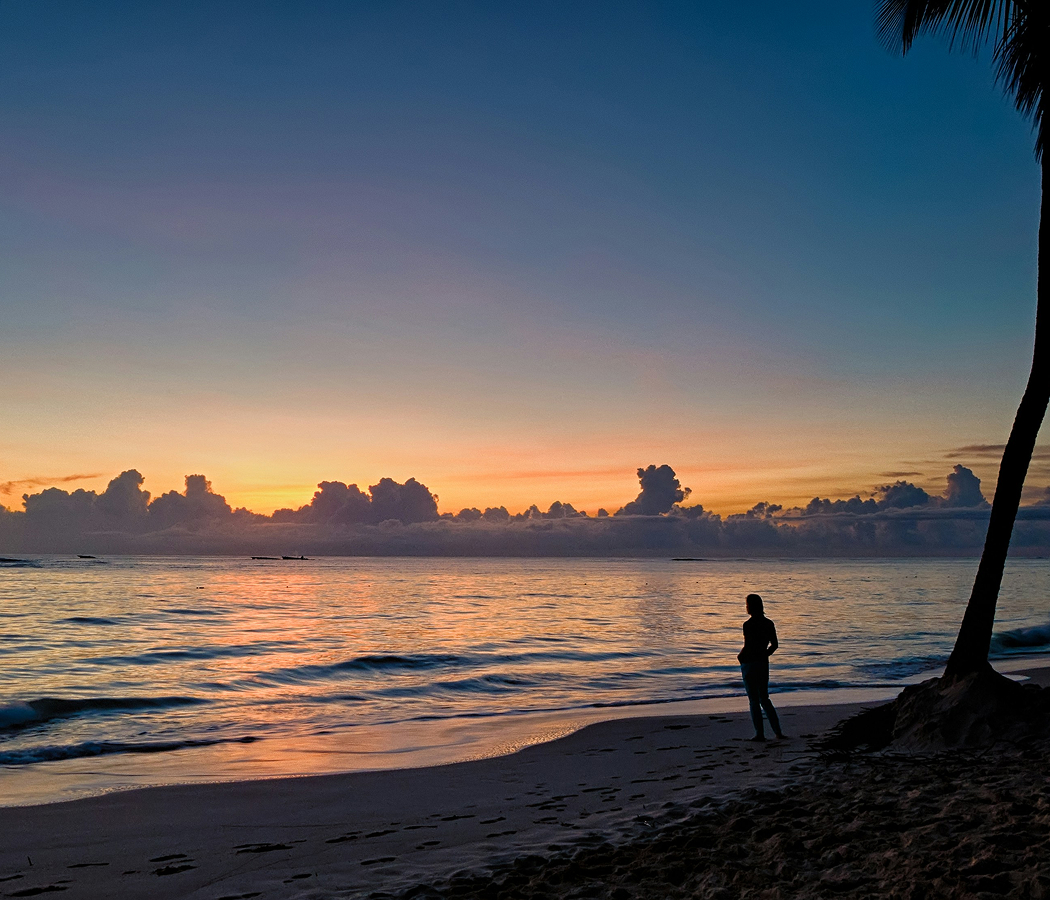
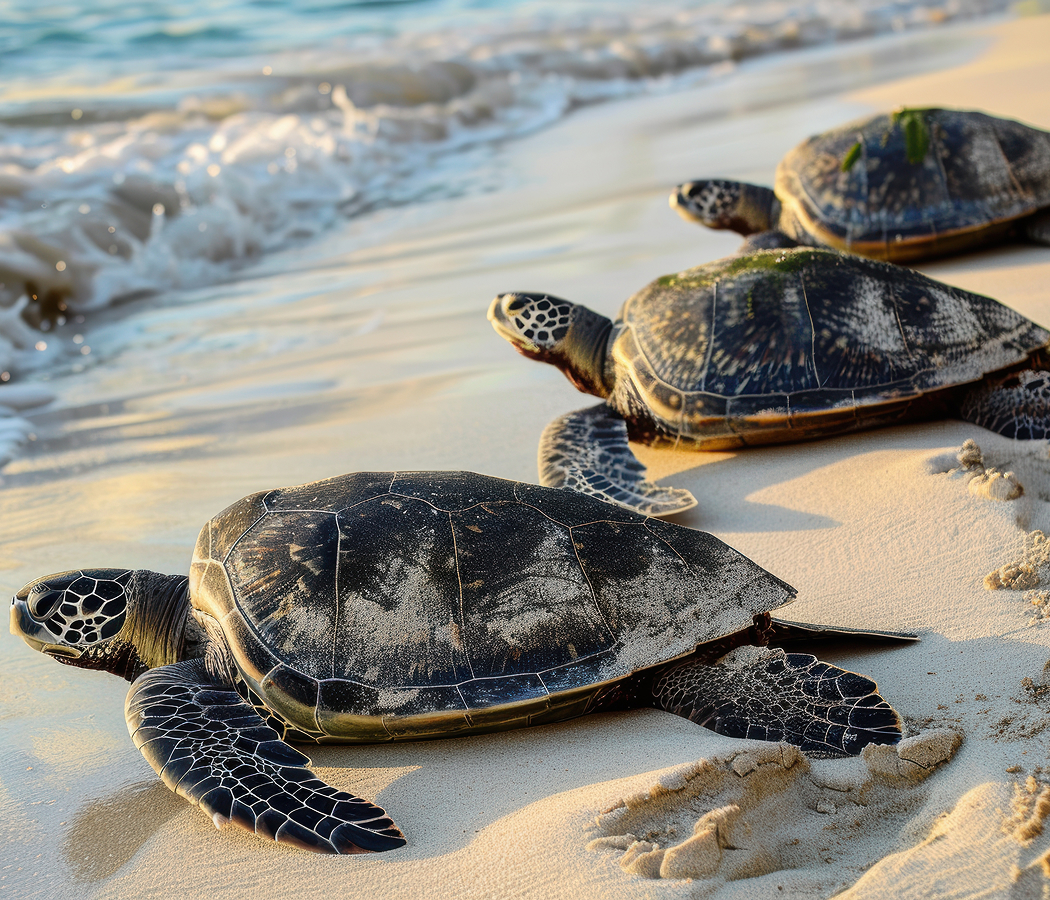
Much of Punta Cana's celebrated shoreline consists of pale carbonate sand derived from biological and geological material associated with tropical marine environments. Offshore reefs, seagrass beds, mangroves, and beaches operate as interconnected habitats, supporting fish, crustaceans, sea turtles, corals, and other marine life. Reefs also absorb wave energy before it reaches sections of the coast, while seagrasses stabilize sediments and provide habitat beneath the water. The famous contrast between pale beaches and intensely blue-green sea emerges from processes extending far beyond the visible shoreline. Punta Cana's visual character is inseparable from the ecological systems operating above and beneath its surrounding waters.
1. Indigenous Taíno history around Punta Cana survives strikingly beneath the ground.
The limestone geology of eastern Hispaniola contains caves and subterranean chambers that preserve evidence of Indigenous life predating European colonization. At nearby Cotubanamá National Park, caves contain Taíno pictographs and petroglyphs alongside extensive geological formations. The region's caverns held practical and spiritual significance for Indigenous communities, whose cosmology gave caves profound associations with origins, ancestors, and the supernatural world. These underground environments create a striking counterpoint to Punta Cana's modern reputation for beaches and resorts. Beneath and beyond the contemporary tourism corridor lies a much older cultural landscape connecting eastern Hispaniola with the Taíno civilization that shaped the Caribbean before European conquest.
Where your story begins.
Foresyte Travel reveals places that feel extraordinary long before you arrive.
Enjoy editorial crafted for luxury travelers.
Foresyte may earn a commission when you book.