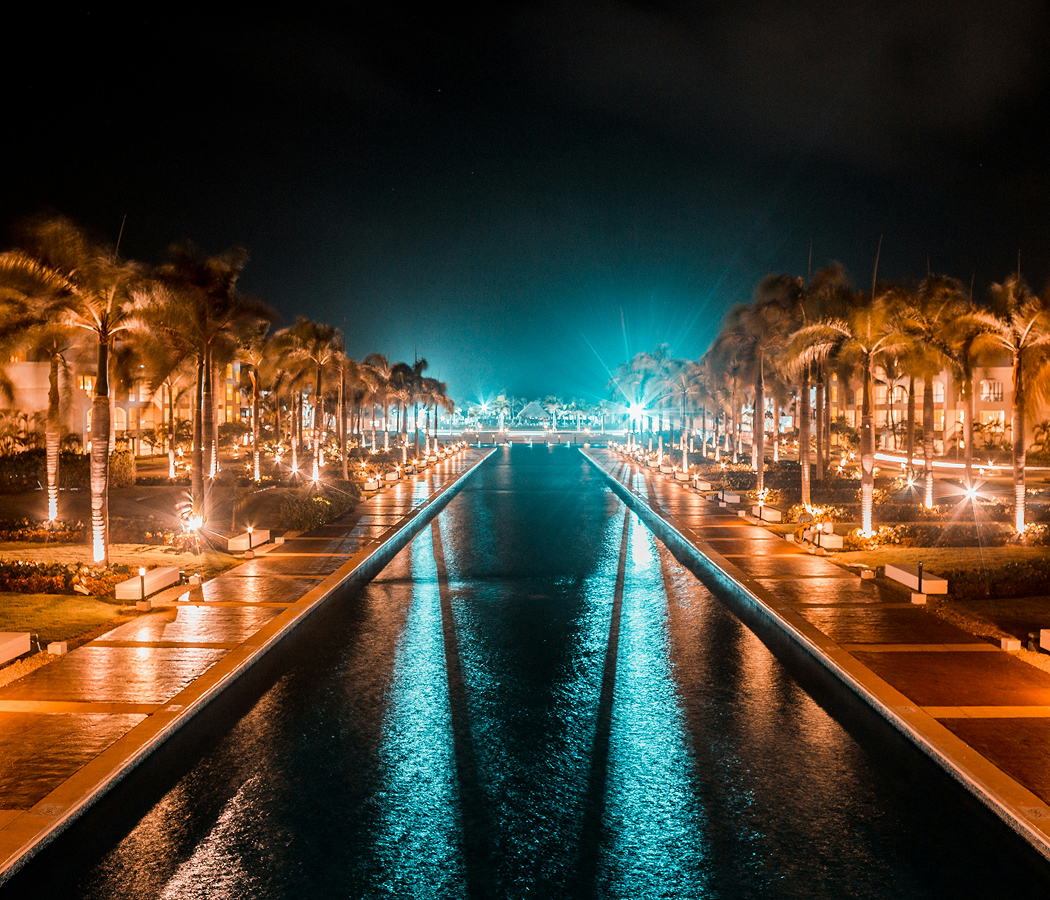
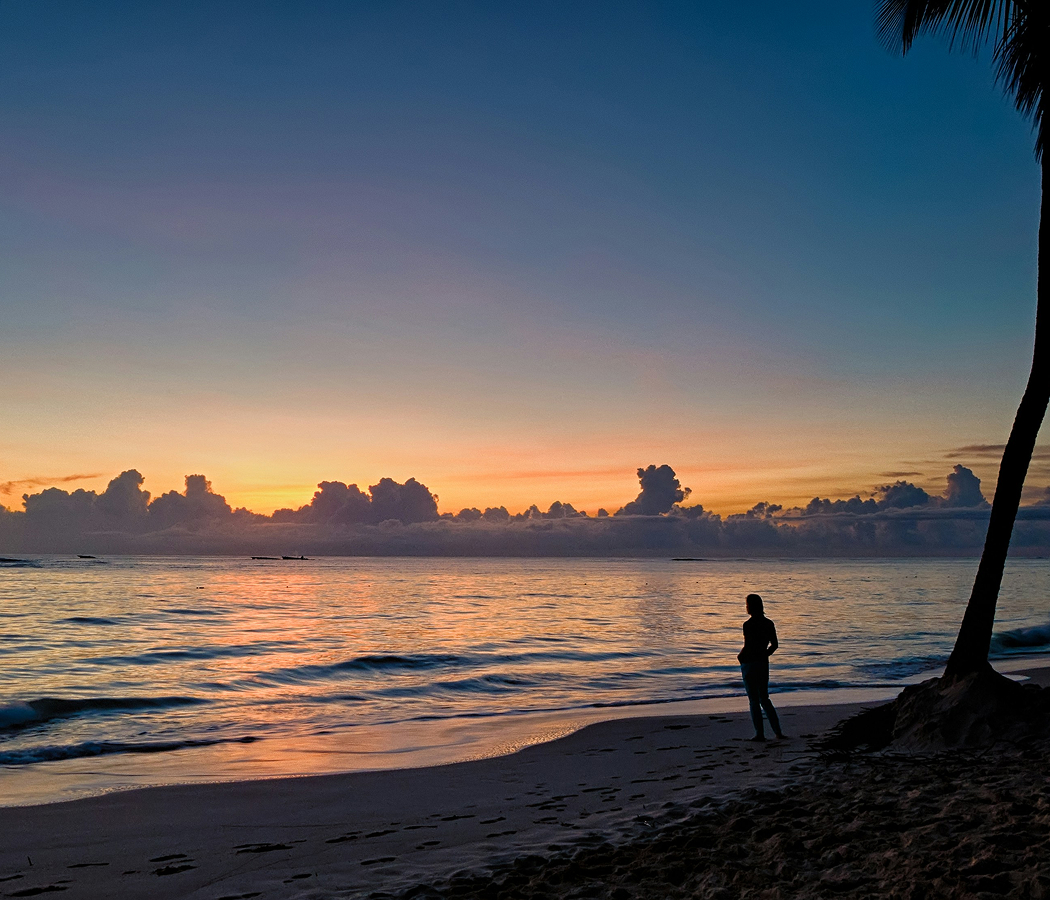
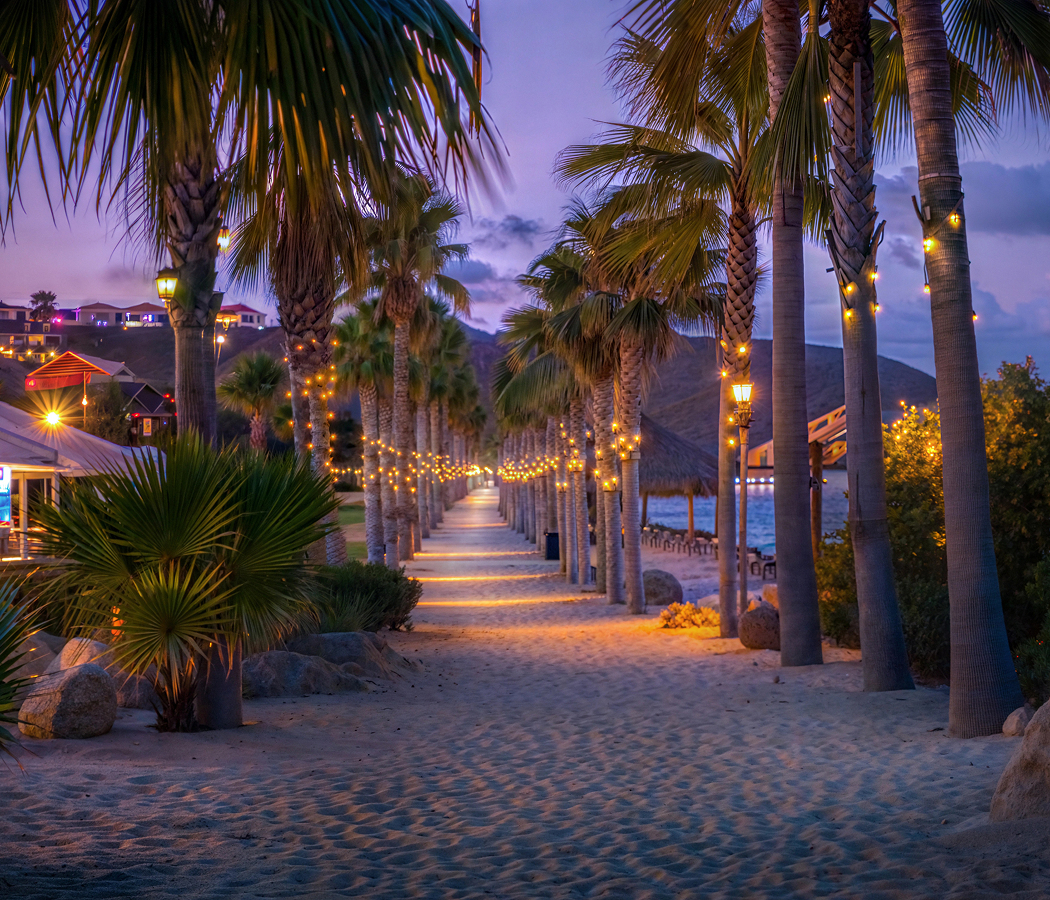
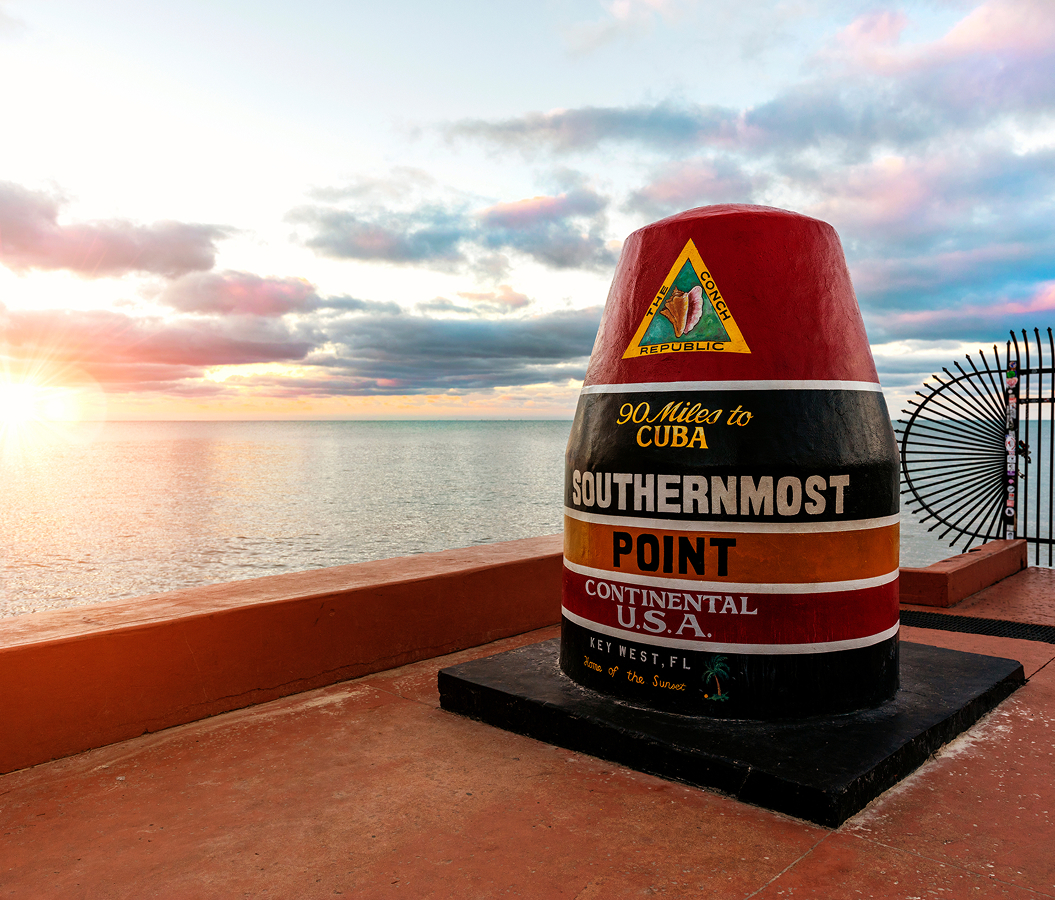
Perfect weekend in The Caribbean.
Punta Cana's transformation from a remote stretch of Caribbean coastline into an internationally celebrated destination unfolded against the longer history of Indigenous settlement, Spanish colonization, and the Dominican Republic's economic development. Situated at the eastern extremity of Hispaniola in La Altagracia Province, the region extends along a limestone coastline where the Atlantic Ocean approaches the Caribbean Sea, creating extensive beaches, coral formations, coastal lagoons, and tropical forests. The surrounding territory belonged to the Taíno civilization, whose communities developed agricultural settlements and maritime traditions throughout Hispaniola before European contact. Taíno society organized political authority through regional chiefdoms, with the eastern portion of the island associated with the chiefdom of Higüey. Christopher Columbus reached Hispaniola in 1492, initiating Spanish colonization and profound demographic changes through warfare, forced labor, and introduced diseases. During the early sixteenth century, Spanish expansion brought cattle ranching, sugar cultivation, and colonial settlements to eastern Hispaniola, including the establishment of Higüey as an important regional center. The surrounding coastline remained comparatively isolated for centuries, with fishing, livestock production, and small agricultural communities supporting local livelihoods. Following Dominican independence in 1844, the eastern region retained strong connections to rural agriculture and maritime commerce. Punta Cana's modern development began in 1969, when American investors led by Theodore Kheel acquired extensive coastal land and subsequently partnered with Dominican entrepreneur Frank Rainieri. Their first hospitality development opened in 1971, initiating a sustained period of investment in accommodations, transportation, and residential infrastructure. The arrival of Club Med during the following decade accelerated international interest in the region. Punta Cana International Airport opened in 1984, fundamentally changing access to the eastern coastline and supporting the expansion of large-scale tourism. Subsequent investment established Punta Cana as a principal economic center of the Dominican Republic, with its coastal geography and planned hospitality communities contributing to the growth of Caribbean travel.
Dominican music acquired international prominence through the development of merengue and bachata, two traditions whose evolution connects the country's rural communities, urban performers, and Caribbean musical exchanges. Merengue developed during the nineteenth century, incorporating European dance influences and Afro-Caribbean rhythmic traditions before becoming closely associated with Dominican national celebrations. The genre's characteristic combination of accordion, güira, and tambora contributed to its recognizable sound, subsequently expanding through orchestral arrangements and modern popular music. Performers including Johnny Ventura and Juan Luis Guerra helped bring merengue to international audiences, with Guerra's recordings also incorporating jazz, Afro-Caribbean percussion, and contemporary Dominican songwriting. Bachata developed during the twentieth century through guitar-based musical traditions associated with working-class communities, acquiring international recognition through performers including Luis Segura, Juan Luis Guerra, and Romeo Santos. The Dominican Republic's eastern provinces also preserve longstanding religious celebrations, traditional dance, and craftsmanship associated with rural settlements and Catholic patronal festivals. In Higüey, devotion to Nuestra Señora de la Altagracia has shaped religious pilgrimage and public celebrations for centuries, with January 21 marking one of the country's most significant annual observances. The region's culinary traditions developed through Taíno agriculture, Spanish colonial cooking, and the contributions of enslaved Africans, incorporating cassava, plantains, rice, beans, tropical fruits, and locally raised livestock. Traditional Dominican preparations include la bandera dominicana, a combination of rice, beans, and meat; sancocho, a substantial stew prepared with meats and root vegetables; and mangú, mashed green plantains traditionally accompanied by fried cheese, eggs, and salami. Coastal communities contribute preparations featuring red snapper, lobster, shrimp, and conch, seasoned with citrus, garlic, oregano, and regional herbs. Cassava bread retains connections to Indigenous food production, preserving a preparation associated with the earliest agricultural communities of Hispaniola. Contemporary restaurants throughout the eastern coastline incorporate these foundations alongside international cooking techniques and ingredients cultivated across the Dominican Republic. A weekend in Punta Cana brings the musical traditions of the Caribbean, the agricultural history of eastern Hispaniola, and Dominican coastal cuisine into a landscape of tropical forests, limestone shores, and turquoise water.
Three day itinerary.
Day 1: Bávaro
Bávaro is best known for its sweeping white-sand shoreline, turquoise Caribbean waters, and central role in establishing Punta Cana as one of the Dominican Republic's premier international beach destinations. Situated along the eastern coastline of Hispaniola, the beach extends through a broad coastal landscape shaped by coral reefs, tropical vegetation, and the marine processes of the western Atlantic. Its pale sands consist substantially of fragmented marine organisms and carbonate sediments associated with the surrounding reef environment. Offshore coral formations contribute to the coastal geography by influencing wave energy and supporting habitats for tropical fish and other marine species. The development of Bávaro accelerated during the late twentieth century as international tourism investment transformed eastern La Altagracia Province into a major resort corridor. Large hospitality developments introduced landscaped beachfront properties, recreational facilities, and extensive visitor infrastructure along the coast. Coconut palms, shallow nearshore waters, and uninterrupted stretches of sand established the area's distinctive tropical character. Playa Bávaro represents a defining expression of the Dominican Republic's coastal tourism development through its exceptional Caribbean scenery and its relationship with the marine environments of eastern Hispaniola.
Day 1: La Yola
La Yola is best known for its refined Mediterranean and Caribbean seafood cuisine within a distinctive waterfront restaurant inspired by traditional fishing boats. Located at the Punta Cana Resort marina, the restaurant occupies an open-air structure overlooking the surrounding harbor and tropical coastal landscape. Its architectural design incorporates timber construction, nautical details, and an elevated thatched roof that reflects the maritime traditions of the Caribbean. The culinary program emphasizes fresh fish, shellfish, seasonal vegetables, and carefully prepared dishes influenced by Mediterranean and Dominican cooking traditions. Its menu incorporates regional seafood alongside classical European preparations, reflecting the relationship between the island's fishing heritage and contemporary international gastronomy. The restaurant's marina setting connects its dining environment with the development of Punta Cana as a major Caribbean hospitality and recreational destination. La Yola represents a distinctive expression of coastal Dominican fine dining through its concentration on fresh seafood, maritime architectural character, and exceptional waterfront setting.
Day 2: Hoyo Azul
Hoyo Azul is best known for its extraordinary turquoise freshwater pool and its dramatic setting at the base of a limestone cliff within the tropical landscape of Cap Cana. The natural cenote developed through geological processes associated with the dissolution and collapse of limestone formations, creating a deep freshwater basin surrounded by exposed rock walls and dense vegetation. Its distinctive blue coloration reflects the interaction of sunlight, water depth, mineral content, and the pale limestone surfaces beneath the pool. The surrounding environment forms part of the extensive karst landscape of eastern Hispaniola, whose geological development produced caves, sinkholes, underground drainage systems, and other distinctive limestone formations. Tropical vegetation surrounding the cenote includes native and introduced plant species adapted to the region's warm climate and seasonal rainfall. The site forms part of Scape Park, an adventure and conservation-oriented attraction incorporating natural geological features and recreational activities. Hoyo Azul represents one of eastern Dominican Republic's most distinctive geological attractions through its exceptional freshwater environment and dramatic tropical limestone landscape.
Day 2: Playa Blanca Restaurant
Playa Blanca Restaurant is best known for its Caribbean-inspired seafood cuisine and its exceptional beachfront setting within the Punta Cana Resort community. Situated beside a sheltered stretch of white sand, the restaurant occupies an open-air coastal environment distinguished by palm trees, tropical vegetation, and expansive views of the surrounding Caribbean waters. Its culinary program emphasizes fresh seafood, grilled fish, shellfish, tropical ingredients, and contemporary preparations influenced by Dominican and broader Caribbean food traditions. The kitchen incorporates citrus, aromatic herbs, regional vegetables, and carefully balanced sauces that complement the natural flavors of its principal ingredients. The restaurant's casual beachfront atmosphere reflects the distinctive hospitality traditions of the Dominican Republic's eastern coastline, where maritime resources and tropical agricultural products contribute substantially to regional cooking. Playa Blanca Restaurant represents an established expression of contemporary Caribbean coastal dining through its concentration on seafood and its close relationship with Punta Cana's natural shoreline.
Day 2: Indigenous Eyes Ecological Reserve
Indigenous Eyes Ecological Reserve is best known for its protected tropical forest, interconnected freshwater lagoons, and exceptional contribution to environmental conservation in eastern Dominican Republic. Established through the conservation initiatives associated with the Puntacana Foundation, the reserve protects an extensive landscape of subtropical vegetation, natural freshwater systems, and habitats supporting native wildlife. Its celebrated lagoons form part of a limestone karst environment characterized by underground water movement and natural sinkhole formations. The reserve's name reflects the distinctive appearance of its freshwater pools, whose circular shapes and clear waters evoke the appearance of eyes within the surrounding forest. Its ecological communities support numerous bird species, reptiles, insects, and tropical plants associated with the environmental diversity of Hispaniola. Conservation programs emphasize habitat protection, environmental education, and the preservation of native species within a region shaped by substantial tourism development. Walking trails connect the reserve's forested landscapes with selected freshwater lagoons, establishing access to a distinctive network of protected natural environments. Indigenous Eyes Ecological Reserve represents an important conservation achievement in the Dominican Republic through its preservation of tropical forest ecosystems and exceptional freshwater habitats.
Day 2: Bamboo
Bamboo is best known for its refined international cuisine and its distinctive architectural setting within the luxury hospitality environment of Tortuga Bay at Puntacana Resort. The restaurant's design reflects the influence of celebrated Dominican-American fashion designer Oscar de la Renta, whose involvement in the development of Tortuga Bay contributed to the property's sophisticated Caribbean aesthetic. Its interior incorporates elegant tropical materials, carefully arranged furnishings, and decorative elements associated with refined island hospitality. The culinary program emphasizes premium seafood, carefully prepared meats, seasonal vegetables, and contemporary dishes influenced by Mediterranean and Caribbean cooking traditions. Regional ingredients contribute to preparations that reflect the agricultural and maritime resources of the Dominican Republic. The restaurant's relationship with Tortuga Bay connects its dining environment with one of Punta Cana's most distinguished luxury hospitality properties. Bamboo represents an established expression of refined Caribbean resort gastronomy through its sophisticated architectural character, international culinary influences, and concentration on premium ingredients.
Day 3: Citrus Fusion Cuisine
Citrus Fusion Cuisine is best known for its diverse international breakfast and brunch preparations and its longstanding popularity within the Bávaro dining community. Located in the Los Corales district, the restaurant developed a culinary character combining contemporary café culture with influences from Mediterranean, Caribbean, and international cooking traditions. Its menu incorporates freshly prepared eggs, breakfast dishes, pastries, tropical fruit, and substantial daytime specialties associated with modern resort dining. The restaurant's culinary approach reflects the international character of Punta Cana's hospitality industry, where diverse culinary traditions developed alongside the region's expansion as a major Caribbean tourism destination. Its casual atmosphere and extensive menu connect it with the independent restaurant culture of Bávaro, whose commercial districts support a broad range of dining establishments beyond the surrounding resort properties. Citrus Restaurant represents an established expression of contemporary Punta Cana café culture through its international culinary influences and substantial daytime dining program.
Day 3: Playa Macao
Playa Macao is best known for its dramatic Atlantic-facing coastline, broad golden sands, and distinctive character among the natural beaches of eastern Dominican Republic. Situated north of the principal Bávaro resort corridor, the beach occupies an expansive coastal landscape characterized by powerful ocean waves, tropical vegetation, and comparatively undeveloped surroundings. Its exposed position along the Atlantic contributes to substantial surf conditions, establishing the beach as an important destination for surfing and other ocean-based recreation. The surrounding coastline reflects the interaction between marine erosion, sediment movement, and the geological formations of eastern Hispaniola. Local fishing traditions contribute to the beach's cultural character, connecting its coastal environment with the maritime livelihoods of nearby Dominican communities. The beach's extensive sandy shoreline and surrounding tropical landscape preserve important elements of the region's natural coastal geography. Playa Macao represents one of Punta Cana's most distinctive Atlantic beaches through its powerful surf, expansive shoreline, and relationship with traditional Dominican coastal communities.
Day 3: Montaña Redonda
Montaña Redonda is best known for its extraordinary panoramic views across the coastal landscapes, lagoons, and mountain ranges of northeastern Dominican Republic. Situated near Miches in El Seibo Province, the rounded hill rises prominently above the surrounding lowlands, establishing an elevated viewpoint over the region's distinctive tropical geography. Its summit overlooks Laguna Redonda and Laguna Limón, two extensive coastal lagoons whose ecological environments support wetland vegetation, birdlife, and other species associated with northeastern Hispaniola. The surrounding landscape incorporates agricultural valleys, forested hills, and extensive views toward the Atlantic coastline. The hill's exposed summit provides an exceptional perspective on the relationship between the island's interior topography and its coastal wetland systems. Its distinctive swings and elevated photographic installations developed into recognizable features of the destination's recreational character. Montaña Redonda represents one of the Dominican Republic's most striking natural viewpoints through its exceptional elevation, expansive coastal panoramas, and relationship with the lagoon ecosystems of the northeastern region.
Day 3: La Palapa by Eden Roc
La Palapa by Eden Roc is best known for its sophisticated Mediterranean and Caribbean seafood cuisine within an exceptional oceanfront setting at Eden Roc Cap Cana. The restaurant occupies a distinctive open-air structure overlooking the Caribbean Sea, incorporating tropical architectural elements and carefully arranged dining spaces that emphasize the surrounding coastal landscape. Its culinary program draws on Mediterranean traditions through carefully prepared seafood, handmade pasta, seasonal vegetables, and premium ingredients associated with Italian coastal gastronomy. The kitchen incorporates Caribbean influences through regional fish, tropical produce, and preparations shaped by the maritime resources of the Dominican Republic. Its setting within Eden Roc Cap Cana connects the restaurant with the development of Cap Cana as an internationally recognized luxury resort community. The restaurant's refined hospitality and concentration on premium seafood contribute to its reputation within the region's sophisticated dining culture. La Palapa by Eden Roc represents a distinctive expression of contemporary Caribbean fine dining through its integration of Mediterranean culinary traditions and exceptional oceanfront hospitality.
Where your story begins.
Foresyte Travel reveals places that feel extraordinary long before you arrive.
Enjoy editorial crafted for luxury travelers.
Foresyte may earn a commission when you book.