Why Playa Blanca Restaurant matters.
Playa Blanca Restaurant is a celebrated beachfront restaurant where Punta Cana's Caribbean coastal beauty meets Dominican seafood traditions, the international appeal of tropical beach dining, and a distinctive culinary setting shaped by the turquoise waters of eastern Hispaniola.
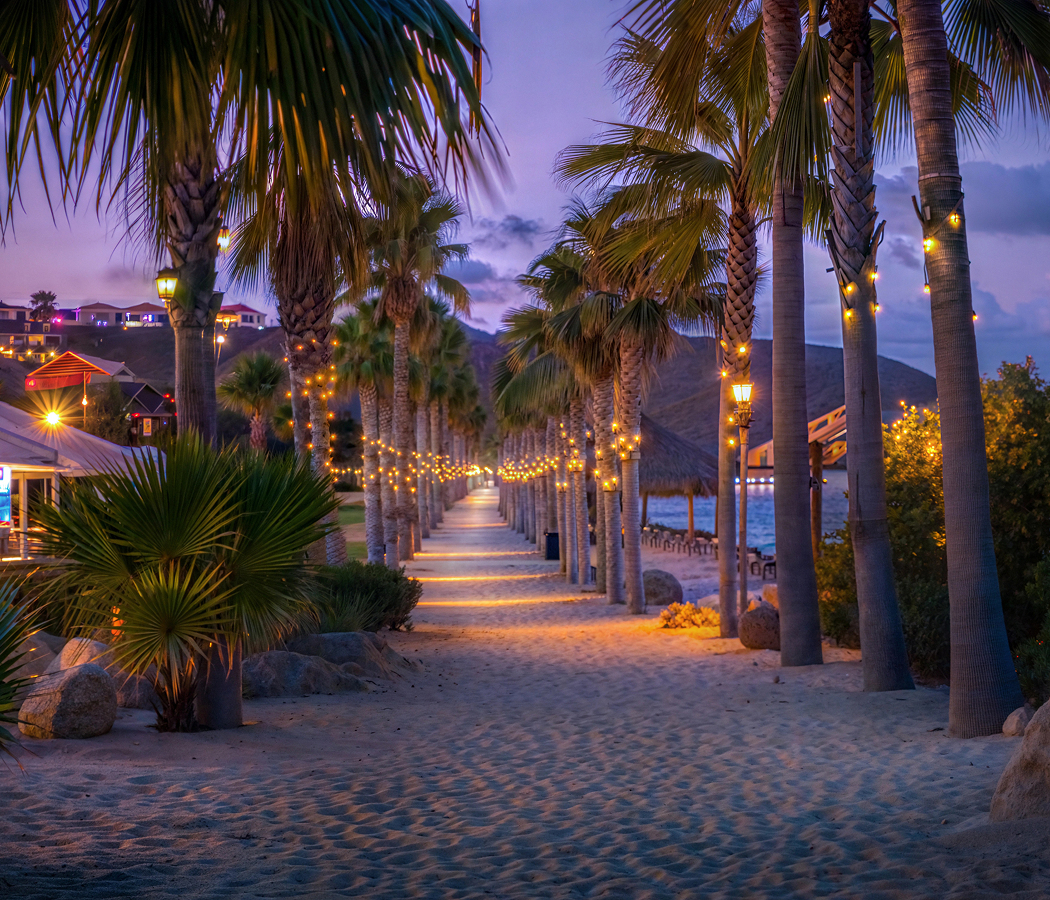
Set directly on Playa Blanca beside The Westin Puntacana Resort & Club, the restaurant occupies a sheltered stretch of Caribbean coastline south of Punta Cana International Airport, where palm-lined resort grounds descend toward shallow turquoise water and the beachfront extends toward the southeastern peninsula. The open-air dining pavilion incorporates a broad palm-thatched roof, timber supports, and expansive seating areas oriented toward the sea, establishing a direct architectural relationship with the surrounding tropical landscape. Natural ventilation and generous openings allow Caribbean breezes to circulate through the dining areas, complementing the restaurant's informal coastal character. Outdoor tables extend the dining environment toward the sand, with coconut palms and landscaped gardens introducing a transition between the resort grounds and the waterfront. The surrounding beach features pale sand and relatively shallow water, creating a distinctive coastal setting associated with swimming, paddleboarding, and other recreational activities. The result is a relaxed tropical restaurant whose traditional Caribbean architectural elements and exceptional waterfront position establish an inviting setting for contemporary Dominican coastal cuisine.
What defines Playa Blanca Restaurant.
Playa Blanca Restaurant is best known for combining Dominican seafood cooking with the beach culture that helped establish Punta Cana as one of the Caribbean's principal international tourism destinations. The restaurant developed within Puntacana Resort & Club, a hospitality community whose origins reach to the partnership formed by Dominican entrepreneur Frank Rainieri and American attorney and labor mediator Theodore Kheel. Rainieri's early ambitions centered upon the development of a relatively isolated stretch of eastern Dominican coastline whose extensive beaches and tropical vegetation offered substantial possibilities for international tourism. The original resort opened in 1971 with ten guest accommodations, introducing a modest hospitality operation whose expansion depended upon substantial improvements to transportation and public infrastructure. The surrounding peninsula contained limited road connections and relatively little commercial development, presenting significant logistical challenges for the establishment of a major international destination. Rainieri's partnership subsequently expanded through investments in hotels, residential communities, transportation facilities, and recreational infrastructure, establishing the foundations of a substantial private resort development. The opening of Punta Cana International Airport in December 1983 transformed access to the region, introducing direct international air service and supporting the rapid expansion of hospitality investment across eastern La Altagracia. The airport's development represented an exceptional private-sector infrastructure achievement, establishing the first privately owned international airport in the world. Additional investment during the 1990s introduced a more sophisticated hospitality landscape, supported by the participation of internationally recognized Dominican cultural figures. Fashion designer Oscar de la Renta and Spanish singer Julio Iglesias became principal investors in the resort development in 1997, strengthening its international profile and contributing to the expansion of its luxury residential and hospitality programs. The resort's architectural development emphasized the relationship between tropical construction traditions and contemporary accommodation, introducing low-rise buildings, landscaped gardens, and recreational facilities across an extensive coastal property. Playa Blanca emerged as an important recreational destination within this expanding community, establishing a beach environment whose relatively sheltered waters supported swimming, sailing, and other marine activities. The restaurant developed as a central component of this coastal setting, introducing a substantial dining operation whose culinary program emphasized locally sourced seafood, grilled meats, and tropical beverages. Its commercial importance expanded through the growing popularity of independent beach dining among visitors seeking alternatives to conventional hotel restaurants. The surrounding shoreline also developed an association with kiteboarding, a sport whose increasing international popularity introduced a distinctive recreational dimension to the beach. The Punta Cana Kite Fest established a recurring gathering for professional and amateur kiteboarders, attracting competitors and spectators to the coastal area surrounding the restaurant. A major edition held in January 2013 featured five-time world champion Aaron Hadlow and professional athlete Susi Mai, introducing international competitive talent to the Dominican Republic's developing watersports community. The event incorporated freestyle, course racing, big-air competitions, and the Red Bull Sun Slide, whose specialized ramp supported aerial tricks above the water. Dominican musician Vicente García contributed to the festival's entertainment program, connecting the sporting event with the country's contemporary musical culture. Playa Blanca Restaurant subsequently developed a substantial reputation as a venue for private celebrations and destination weddings, extending its hospitality program through the use of the surrounding tropical gardens and beachfront. Its culinary operation became part of Puntacana Resort's wider restaurant portfolio, which includes several establishments specializing in Caribbean, Mediterranean, and international cuisine. The restaurant's continued importance rests upon its relationship with the development of Dominican tourism, the international growth of Caribbean watersports, and the preservation of a distinctive beachfront dining tradition within one of the country's most established resort communities.
Jose Luis Abreu Abikarram's culinary leadership brings a distinctly Dominican perspective to Playa Blanca Restaurant, combining an upbringing in Santo Domingo with professional experience in the beach clubs and hospitality establishments of Punta Cana. Abreu developed his early interest in cooking through the influence of his grandmother, whose kitchen introduced him to the preparation of traditional Dominican food and the importance of family culinary knowledge. His professional development subsequently brought him to Punta Cana in 2011, where he established a career in coastal hospitality and developed a particular interest in the relationship between fresh regional ingredients and contemporary restaurant cooking. His approach emphasizes seasonal produce, locally sourced seafood, and preparations that accommodate the relaxed character of an open-air beachfront restaurant. Caribbean fish establishes a central component of this culinary program, with fresh catches supporting preparations whose flavor develops through the careful application of heat, citrus, garlic, and aromatic seasonings. Grilled seafood introduces the natural sweetness and mineral character of coastal ingredients, preserving the distinctive textures associated with fish and shellfish harvested from tropical waters. Shrimp contributes another important dimension through its firm texture and concentrated sweetness, supporting preparations that incorporate tropical fruit, herbs, and carefully balanced acidity. Tuna introduces a contrasting culinary possibility through its substantial flesh and suitability for preparations involving brief searing or raw presentation. The restaurant's grilled-meat offerings extend the menu beyond seafood, introducing familiar international preparations whose accessibility complements the establishment's Caribbean culinary character. Dominican food traditions contribute another important influence through plantains, rice, beans, and other ingredients associated with the country's agricultural heritage. Tostones introduce a distinctive relationship between texture and seasoning through twice-fried green plantains, whose crisp exterior and substantial interior support seafood and meat preparations. Coconut provides a complementary element through its natural sweetness and richness, connecting tropical agricultural ingredients with desserts and other preparations associated with Caribbean cooking. Passion fruit contributes pronounced acidity and aromatic intensity, introducing a characteristic tropical flavor that supports the restaurant's dessert and beverage offerings. The culinary program also accommodates international influences through familiar preparations associated with contemporary beach restaurants, establishing a broad dining format suited to the varied preferences of the resort's international clientele. The beverage selection develops a complementary relationship between tropical fruit, Caribbean rum, and classic cocktail traditions. Mojitos introduce the combination of mint, lime, sugar, and rum associated with Caribbean drinking culture, providing a refreshing accompaniment to seafood and grilled preparations. Fresh fruit beverages establish another dimension through ingredients associated with the Dominican Republic's tropical agricultural production. The restaurant's informal service and open-air dining arrangement support extended lunches, connecting the culinary program with the surrounding coastal environment. Abreu's broader professional interests include participation in local gastronomic events and engagement with the region's developing restaurant community, contributing to the exchange of culinary knowledge among Dominican hospitality professionals. Playa Blanca Restaurant's distinctive character emerges through this relationship between regional seafood, Dominican culinary heritage, tropical ingredients, and the approachable hospitality associated with Caribbean beachfront dining.
How Playa Blanca Restaurant fits.
Playa Blanca Restaurant works as the lunchtime centerpiece of a coastal exploration connecting the recreational traditions of Caribbean golf, the conservation of native Dominican wildlife, and the scientific restoration of the coral ecosystems supporting Punta Cana's marine environment.
Begin at La Cana Golf Course, the championship golf complex whose development introduced a substantial architectural contribution to the Dominican Republic's expanding international sports-tourism industry. American architect P. B. Dye designed the original eighteen-hole course, which opened in 2001 and introduced a distinctive interpretation of Caribbean coastal golf through strategically positioned bunkers, extensive waste areas, and carefully developed relationships between fairways and the surrounding terrain. The course became the first in the Caribbean to use paspalum turfgrass irrigated with recycled water, establishing an important technical development in the management of recreational landscapes within tropical coastal environments. Subsequent expansion introduced twenty-seven holes organized across the Tortuga, Arrecife, and Hacienda nines, creating a substantial championship facility whose design incorporates fourteen holes with ocean views. Continue to Ojos Indígenas Ecological Reserve, the protected tropical forest whose conservation programs preserve an exceptional concentration of freshwater habitats and native vegetation within the eastern Dominican Republic. The reserve encompasses 1,500 acres donated by Grupo Puntacana to Fundación Puntacana for environmental preservation, scientific education, and sustainable recreation. Its twelve freshwater springs occupy natural depressions within the surrounding limestone terrain, establishing a direct relationship between underground water systems and the tropical forest above. The name Ojos Indígenas honors the cultural significance of these natural water formations to the island's Indigenous Taíno communities, whose knowledge of local environments developed across generations of settlement. Conservation programs protect native plants, birds, reptiles, and freshwater ecosystems, with designated swimming areas including the Inriri and Cacibajagua cenotes. Conclude at Marine Innovation Center, the scientific institution whose establishment introduced an ambitious new phase in the conservation of Caribbean coral reefs. Fundación Puntacana inaugurated the facility on April 22, 2026, bringing together scientific and environmental partners including The Nature Conservancy, FUNDEMAR, and Oceankind. Its work builds upon the Dominican Republic's oldest coral nursery, established in 2004, where branching corals are cultivated for transplantation into damaged reef environments. The center incorporates specialized laboratory facilities supporting coral reproduction, microfragmentation, and the preservation of genetic diversity, introducing techniques intended to accelerate restoration and strengthen the resilience of marine ecosystems. Its broader conservation program includes the protection of endangered hawksbill and green sea turtles, connecting reef restoration with the preservation of other species dependent upon healthy Caribbean coastal habitats. The progression moves from the development of environmentally conscious coastal recreation through the preservation of tropical freshwater ecosystems and culminates in the scientific restoration of Caribbean coral reefs, connecting three consequential approaches to the conservation and sustainable enjoyment of Punta Cana's natural landscape.
Where your story begins.
Foresyte Travel reveals places that feel extraordinary long before you arrive.
Enjoy editorial crafted for luxury travelers.
Foresyte may earn a commission when you book.