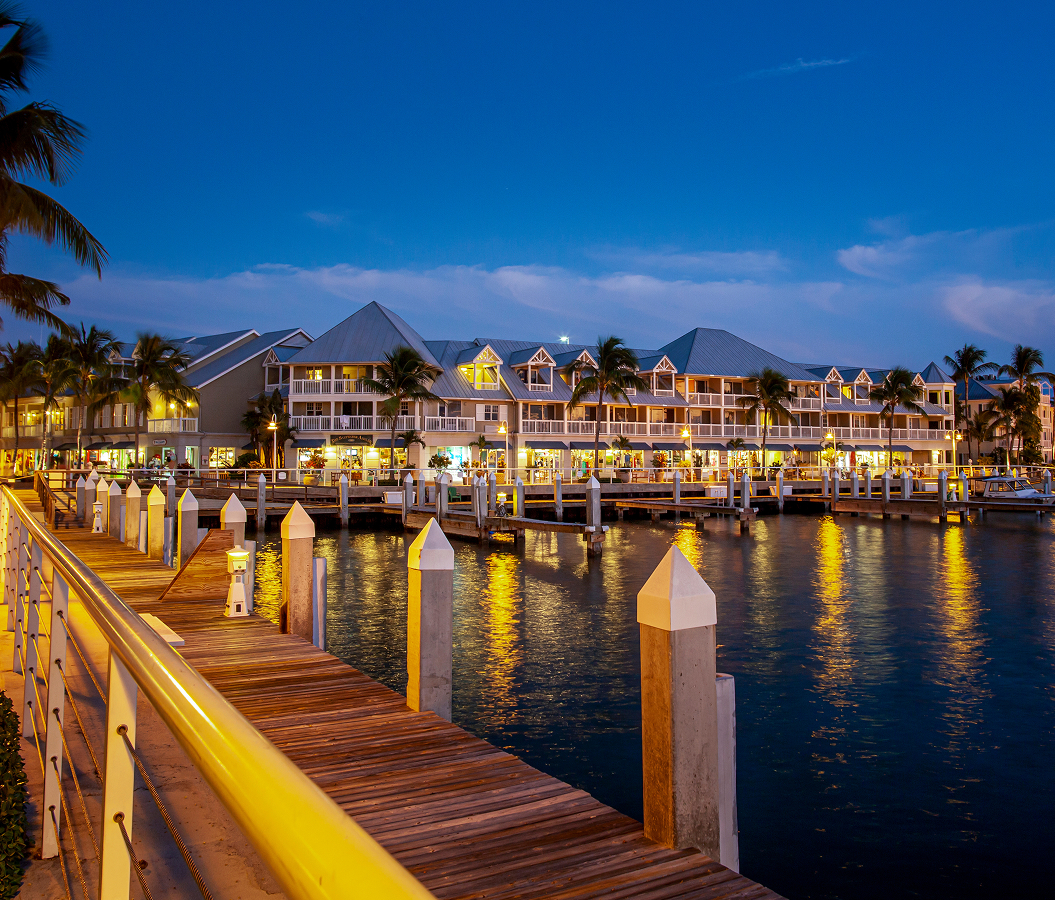
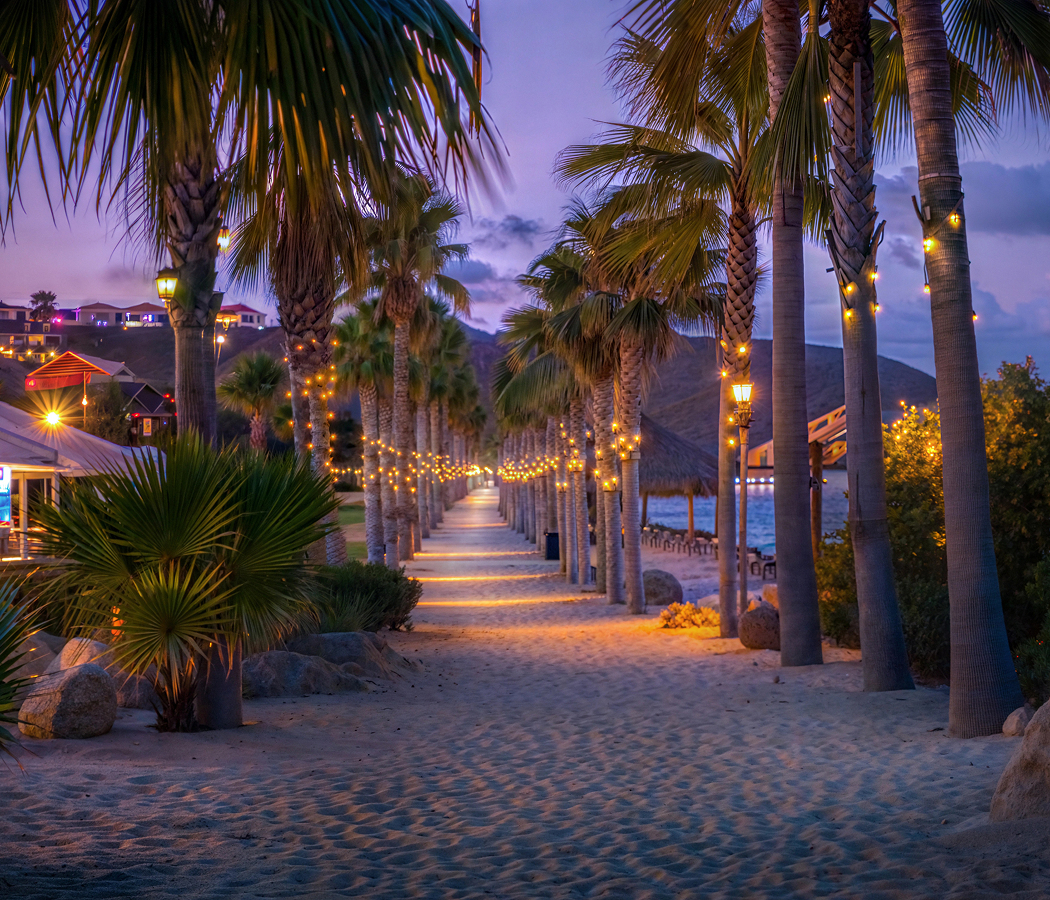
Perfect weekend in The Caribbean.
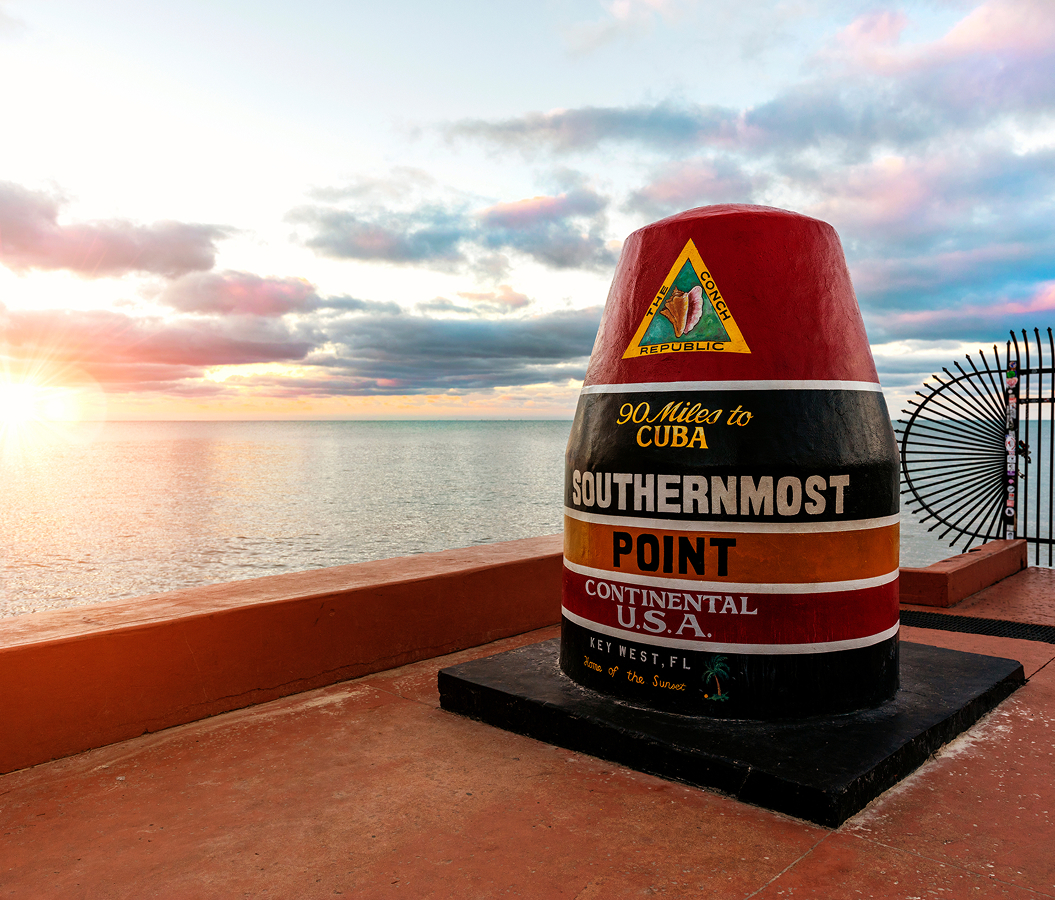
Key West's history stretches from the maritime traditions of the Florida Straits to the commercial prosperity of nineteenth-century wrecking, the strategic ambitions of the United States Navy, and the literary communities that flourished at the southernmost edge of the continental United States. Situated at the western end of the inhabited Florida Keys, the island lies 90 miles north of Cuba, where the Atlantic Ocean approaches the Gulf of Mexico through one of the Caribbean's most significant maritime passages. The surrounding archipelago formed part of the territories used by Indigenous peoples of southern Florida, including the Calusa, whose communities developed sophisticated fishing practices and extensive coastal trading relationships. Spanish explorers encountered the islands during the sixteenth century, and the name Cayo Hueso, meaning Bone Key, became associated with the island before its adaptation into English as Key West. The United States acquired Florida from Spain in 1821, and businessman John Simonton purchased the island in 1822, recognizing its potential as a commercial harbor and naval station. Key West incorporated in 1828, subsequently developing into one of Florida's wealthiest settlements through maritime salvage, ship provisioning, salt production, and commercial fishing. The dangerous reefs surrounding the Florida Keys supported a substantial wrecking industry, with licensed salvagers recovering cargo from vessels stranded along the coast. Cuban immigration strengthened the island's economy during the nineteenth century, particularly through cigar manufacturing and commercial connections with Havana. During the Civil War, Key West remained under Union control, serving as an important naval base supporting the blockade of Confederate ports. Henry Flagler's Overseas Railroad reached the island in 1912, establishing a direct railway connection with mainland Florida and accelerating commercial transportation. The Labor Day Hurricane of 1935 destroyed substantial portions of the railway, and the Overseas Highway subsequently strengthened automobile access to the archipelago. Key West's twentieth-century development combined military activity, commercial fishing, literary tourism, and the preservation of its distinctive tropical architecture.
Floridian literary history acquired an enduring Caribbean dimension in Key West, where the island's tropical climate, maritime communities, and distance from mainland cultural centers attracted prominent American writers during the twentieth century. Tennessee Williams established a longstanding association with Key West during the 1940s, producing significant dramatic works during his years on the island and contributing to its reputation as a gathering place for writers and performers. Poet Elizabeth Bishop lived in Key West during the late 1930s and early 1940s, incorporating the surrounding tropical environment into her development as one of America's foremost twentieth-century poets. Robert Frost visited the island during several winters, strengthening its connections to the wider American literary community. The Key West Literary Seminar, established in 1983, subsequently developed into an important annual gathering for authors, scholars, and readers. The island's musical traditions reflect its historical connections with Cuba, the Bahamas, and the wider Caribbean, incorporating calypso, Afro-Cuban rhythms, maritime songs, and American popular music. Jimmy Buffett developed an enduring association with Key West during the early 1970s, drawing upon the island's coastal atmosphere and seafaring communities in songs that contributed to his distinctive musical style. The Waterfront Playhouse, established in 1939, became an important institution for local theatrical production, supporting performances that connected the island's artistic community with visiting actors and playwrights. Key West's culinary foundations developed through its surrounding fisheries, Cuban immigration, Bahamian cooking, and the agricultural resources of southern Florida. Traditional preparations include conch fritters, conch chowder, stone crab claws, and locally caught fish seasoned with citrus, garlic, and Caribbean spices. Cuban communities contributed pressed sandwiches, roasted pork, black beans, rice, and strong espresso, establishing food traditions that became integral to the island's commercial streets. Key lime pie developed through the use of the small, aromatic limes historically cultivated throughout the Florida Keys, becoming one of the region's most celebrated desserts. The island's contemporary restaurants extend these foundations through fresh seafood, tropical produce, Caribbean preparations, and modern American cooking. A weekend in Key West follows the extraordinary connections between nineteenth-century maritime enterprise, Caribbean community traditions, American literary achievement, and the tropical landscapes of the southern Florida archipelago.
Three day itinerary.
Day 1: Ernest Hemingway Home and Museum
Ernest Hemingway Home and Museum is best known for its association with one of America's most influential novelists and its preservation of the Spanish Colonial residence where Ernest Hemingway lived during a defining period of his literary career. Built in 1851 by maritime architect Asa Tift, the limestone house occupies a substantial property on Whitehead Street in the heart of Old Town Key West. Hemingway and his second wife, Pauline Pfeiffer, established their residence there in 1931, beginning a period of literary productivity that profoundly influenced the writer's international reputation. During his years in Key West, Hemingway completed A Farewell to Arms revisions and produced major works including To Have and Have Not, whose portrayal of Depression-era Florida drew directly on the island's maritime environment. His experiences fishing in the Gulf Stream contributed to the development of recurring themes involving the sea, endurance, and human confrontation with nature. The property incorporates tropical gardens, broad verandas, and a distinctive swimming pool installed during the 1930s. Its celebrated population of polydactyl cats descends from animals associated with Hemingway's household, preserving an unusual element of the property's literary heritage. The writer's former studio contains furnishings and personal objects connected with his creative life, establishing a direct relationship between the historic residence and his literary achievements. Ernest Hemingway Home and Museum represents one of America's most consequential literary residences through its association with Hemingway's artistic development and the cultural history of twentieth-century Key West.
Day 1: Latitudes Sunset Key Cottages
Latitudes Sunset Key Cottages is best known for its refined contemporary American seafood cuisine and its extraordinary waterfront setting on Sunset Key, a small island situated just offshore from historic Key West. The restaurant occupies a distinctive coastal property associated with the development of Sunset Key as an exclusive residential and hospitality destination. Its dining environment incorporates open-air terraces, tropical landscaping, and panoramic views across the surrounding waters of the Gulf of Mexico. The culinary program emphasizes fresh Florida seafood, carefully prepared meats, seasonal vegetables, and contemporary preparations influenced by Caribbean and Mediterranean traditions. Local fish, shellfish, citrus, and tropical ingredients contribute to dishes that reflect the maritime resources of the Florida Keys. The restaurant's setting establishes a direct relationship with the island's celebrated sunset views, whose changing colors illuminate the surrounding harbor and historic waterfront. Access by passenger ferry reinforces the property's distinctive offshore character, connecting its refined hospitality with the maritime geography of the Keys. Latitudes represents one of Key West's most distinguished dining destinations through its sophisticated coastal cuisine and exceptional island setting.
Day 2: Fort Zachary Taylor Historic State Park
Fort Zachary Taylor Historic State Park is best known for its remarkably preserved nineteenth-century coastal fortress and its strategic role in the military history of the Florida Keys. Construction began in 1845 as part of an extensive federal program to strengthen American coastal defenses following the territorial expansion of the United States. Named for President Zachary Taylor, the fort occupied a strategically important position overlooking the shipping approaches to Key West and the surrounding maritime passages. Its substantial brick masonry walls, defensive casemates, and artillery positions reflect the military engineering principles developed during the nineteenth century. Although Florida joined the Confederacy during the American Civil War, Fort Zachary Taylor remained under Union control, providing a critical naval position for the blockade of Confederate shipping routes. The fortress subsequently underwent modifications associated with advances in coastal artillery and changing military requirements. Extensive archaeological and restoration work preserved important structural elements, including significant collections of historic artillery. The surrounding state park incorporates beaches, coastal vegetation, and marine habitats associated with the island's southwestern shoreline. Fort Zachary Taylor Historic State Park represents one of Florida's most consequential military heritage sites through its Civil War history, exceptional coastal fortifications, and strategic relationship with the maritime geography of the Florida Straits.
Day 2: Blue Heaven
Blue Heaven is best known for its inventive Caribbean-influenced American cuisine and its extraordinary open-air dining environment within Key West's historic Bahama Village neighborhood. Established in 1992 by Richard Tallmadge and Suanne Moore, the restaurant occupies a distinctive property whose history reflects the island's unconventional artistic and social traditions. The site previously accommodated activities associated with boxing, gambling, and local entertainment, contributing to its longstanding reputation within the surrounding community. Ernest Hemingway participated in boxing activities connected with the property during his years in Key West, establishing an unusual association between the location and the island's literary history. The restaurant's tropical courtyard incorporates mature trees, colorful furnishings, and informal outdoor seating that reflect the architectural and cultural character of Bahama Village. Its culinary program emphasizes fresh seafood, Caribbean seasonings, substantial breakfast preparations, and celebrated desserts including Key lime pie. Dishes incorporate ingredients and techniques influenced by the diverse culinary traditions of the Florida Keys, the Bahamas, and the wider Caribbean. Blue Heaven represents an influential institution in Key West's independent restaurant culture through its distinctive historic setting, inventive regional cuisine, and enduring association with the island's artistic community.
Day 2: Truman Little White House
Truman Little White House is best known for its extraordinary presidential history and its role as a working retreat for President Harry S. Truman during the formative years of the postwar United States. Built in 1890 as quarters for naval officers, the residence occupies a prominent site within the historic Truman Annex district of Key West. Its architectural character reflects the military and residential development of the island during the late nineteenth century, incorporating broad verandas, timber construction, and tropical design adaptations. Truman first visited the property in 1946 and subsequently returned for numerous extended stays, conducting presidential business from the residence during a period of significant international political transformation. His visits coincided with the early Cold War, the development of the Truman Doctrine, and major debates concerning American foreign policy and national security. The house accommodated important political advisers and government officials, establishing an informal setting for discussions associated with the administration's domestic and international priorities. Later presidents and prominent political figures also visited the property, extending its association with American presidential history. The residence preserves original furnishings, historical objects, and rooms associated with Truman's visits, providing an unusually intimate perspective on the daily operations of the presidency. Harry S. Truman Little White House represents one of America's most significant presidential retreat properties through its direct association with postwar political leadership and the development of modern American foreign policy.
Day 2: Louie's Backyard
Louie’s Backyard is best known for its sophisticated contemporary American seafood cuisine and its exceptional oceanfront setting within a historic Victorian residence overlooking the Atlantic Ocean. Established as a restaurant in 1971, the property developed into one of Key West's most distinguished dining institutions through its combination of ambitious cooking and historic residential architecture. Its principal building dates to the late nineteenth century, preserving important elements of the island's traditional timber construction and tropical architectural character. The restaurant's culinary program emphasizes fresh Florida seafood, premium meats, seasonal vegetables, and carefully composed dishes influenced by Caribbean and international gastronomic traditions. Its extensive wine program reflects the restaurant's longstanding commitment to refined dining and sophisticated hospitality. The surrounding decks and terraces establish a dramatic relationship with the Atlantic shoreline, whose expansive views contribute to the property's distinctive atmosphere. Louie's Backyard represents an important institution in Key West's culinary development through its longstanding reputation for contemporary coastal gastronomy and its preservation of historic island architecture.
Day 3: Banana Cafe
Banana Café is best known for its French-inspired breakfast and brunch cuisine and its established position within Key West's independent café culture. Located on Duval Street, the restaurant developed a culinary character centered on traditional French preparations adapted to the tropical ingredients and informal dining traditions of the Florida Keys. Its menu emphasizes freshly prepared crêpes, omelets, eggs Benedict, pastries, and substantial breakfast dishes associated with European café traditions. The kitchen incorporates fresh fruit, seafood, vegetables, and carefully prepared sauces into dishes that reflect the relationship between classical French cooking and contemporary island hospitality. Its architectural setting reflects the commercial development of Duval Street, whose historic buildings accommodate many of Key West's independent restaurants and neighborhood businesses. The restaurant's casual dining atmosphere contributes to the distinctive café culture of Old Town, where international culinary influences intersect with the island's established traditions. Banana Café represents an established expression of Key West brunch culture through its concentration on French culinary craftsmanship and its longstanding relationship with the historic downtown dining community.
Day 3: Key West Butterfly and Nature Conservatory
Key West Butterfly and Nature Conservatory is best known for its extraordinary tropical butterfly habitat and its immersive presentation of the ecological relationships between flowering plants, insects, and birdlife. Situated near the southern end of Duval Street, the conservatory occupies a carefully controlled tropical environment containing hundreds of butterflies representing numerous species from around the world. Its enclosed habitat incorporates flowering plants, waterfalls, tropical trees, and carefully arranged vegetation that support the feeding and reproductive behaviors of its butterfly populations. The conservatory's botanical collections include nectar-producing plants and other species associated with tropical ecosystems, establishing a living environment that reflects the ecological complexity of butterfly habitats. Its educational exhibits explore the stages of butterfly metamorphosis, including the transformation from egg to caterpillar, chrysalis, and adult insect. The property also accommodates tropical birds, including flamingos, whose presence contributes to the conservatory's distinctive environmental character. Key West Butterfly and Nature Conservatory represents an exceptional small-scale natural history attraction through its carefully developed tropical ecosystem and its contribution to environmental education within the Florida Keys.
Day 3: Key West Lighthouse
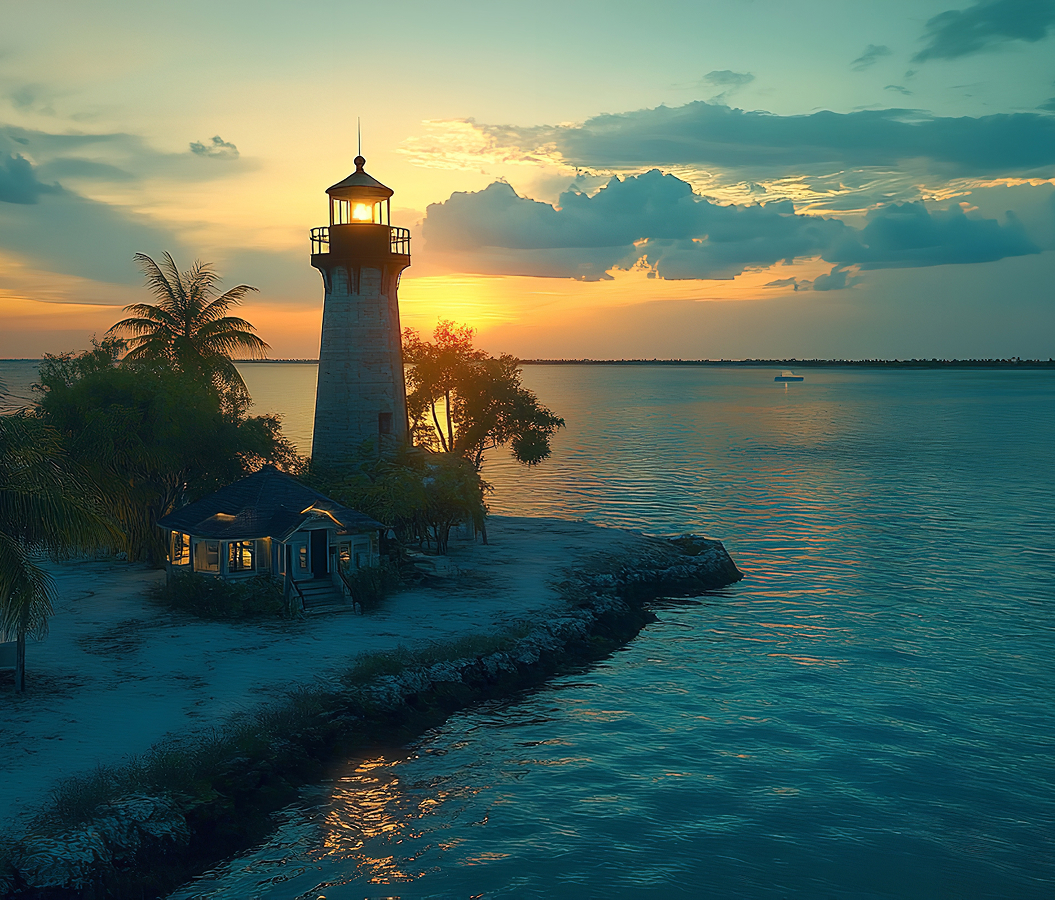
Key West Lighthouse is best known for its historic maritime architecture and its extraordinary contribution to the navigational history of the Florida Straits. The present lighthouse was completed in 1848, replacing an earlier structure destroyed by a hurricane in 1846. Its construction reflected the strategic importance of Key West as a maritime center situated along major shipping routes connecting the Gulf of Mexico, the Atlantic Ocean, and the Caribbean. The lighthouse's substantial brick tower supported a powerful navigational beacon that assisted vessels approaching the island's surrounding reefs and shallow coastal waters. During the nineteenth century, Key West developed into an important center of the wrecking industry, whose maritime salvage operations reflected the dangers associated with navigation through the Florida Reef. The lighthouse's keepers maintained its optical equipment and lighting systems, contributing to the safety of commercial and naval shipping throughout the region. Its adjacent keeper's quarters preserve exhibits associated with the daily lives of lighthouse personnel and the technological development of coastal navigation. The tower provides expansive views across Old Town Key West, the surrounding waterfront, and the distant marine landscape. Key West Lighthouse and Keeper's Quarters Museum represents one of the Florida Keys' most significant maritime heritage institutions through its preservation of historic navigational infrastructure and its association with the island's seafaring economy.
Day 3: Santiago's Bodega
Santiago’s Bodega is best known for its inventive Spanish-inspired tapas and its distinctive contribution to Key West's contemporary neighborhood dining culture. Located within the historic Bahama Village district, the restaurant developed a culinary character centered on small plates, shared dining, and preparations influenced by the gastronomic traditions of Spain and the Mediterranean. Its menu incorporates carefully prepared seafood, meats, vegetables, and cheeses, emphasizing contrasting flavors and sophisticated combinations of ingredients. The restaurant's tapas format reflects the social dining traditions of Spain, where multiple small dishes establish a varied sequence of culinary preparations. Its wine selection incorporates international producers and complements the kitchen's concentration on savory dishes and carefully balanced seasonings. The restaurant's intimate interior and neighborhood setting connect its culinary character with the distinctive cultural heritage of Bahama Village, whose development reflects the historical influence of Bahamian migration on Key West. Santiago's Bodega represents an established institution in the island's independent dining culture through its creative interpretation of Spanish tapas and its relationship with one of Key West's most historically significant neighborhoods.
Where your story begins.
Foresyte Travel reveals places that feel extraordinary long before you arrive.
Enjoy editorial crafted for luxury travelers.
Foresyte may earn a commission when you book.