Why Latitudes Sunset Key Cottages matters.
Latitudes Sunset Key Cottages is a waterfront fine-dining restaurant where Sunset Key's secluded island hospitality meets Caribbean-influenced American cooking, Florida Keys seafood, and the celebrated sunsets of the Gulf of Mexico.
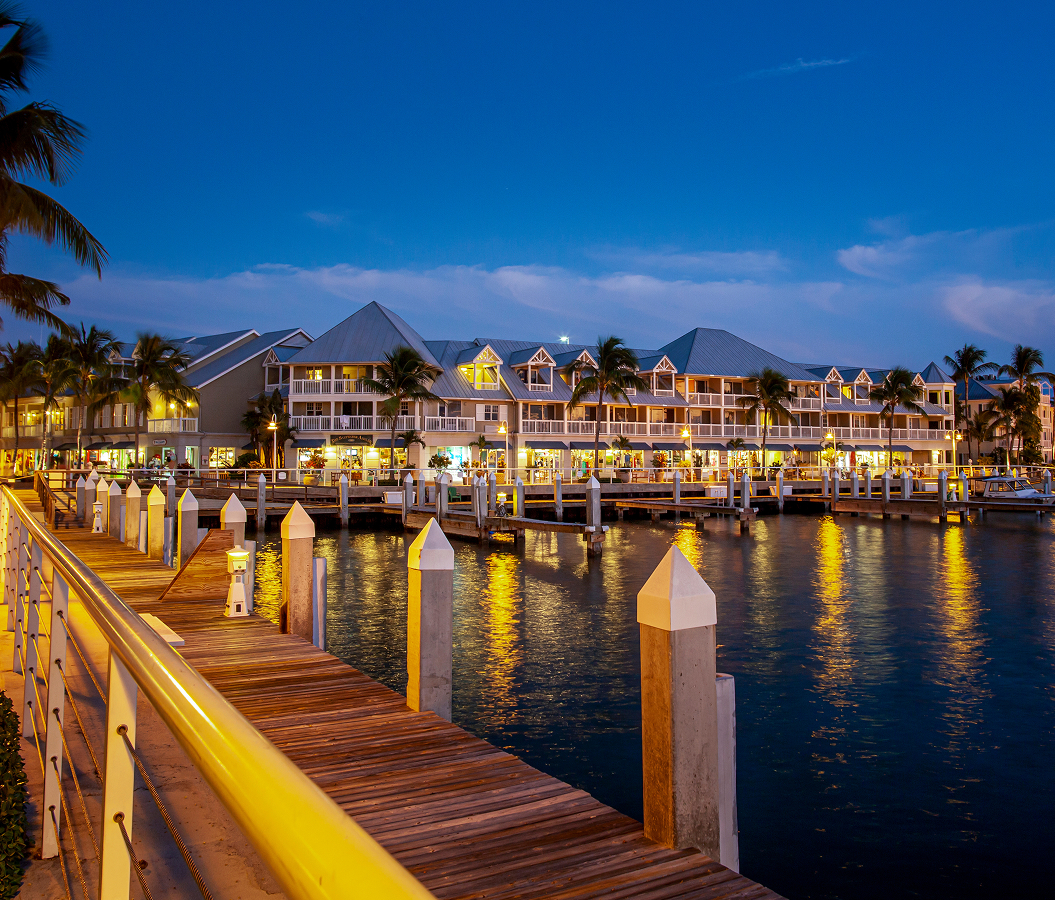
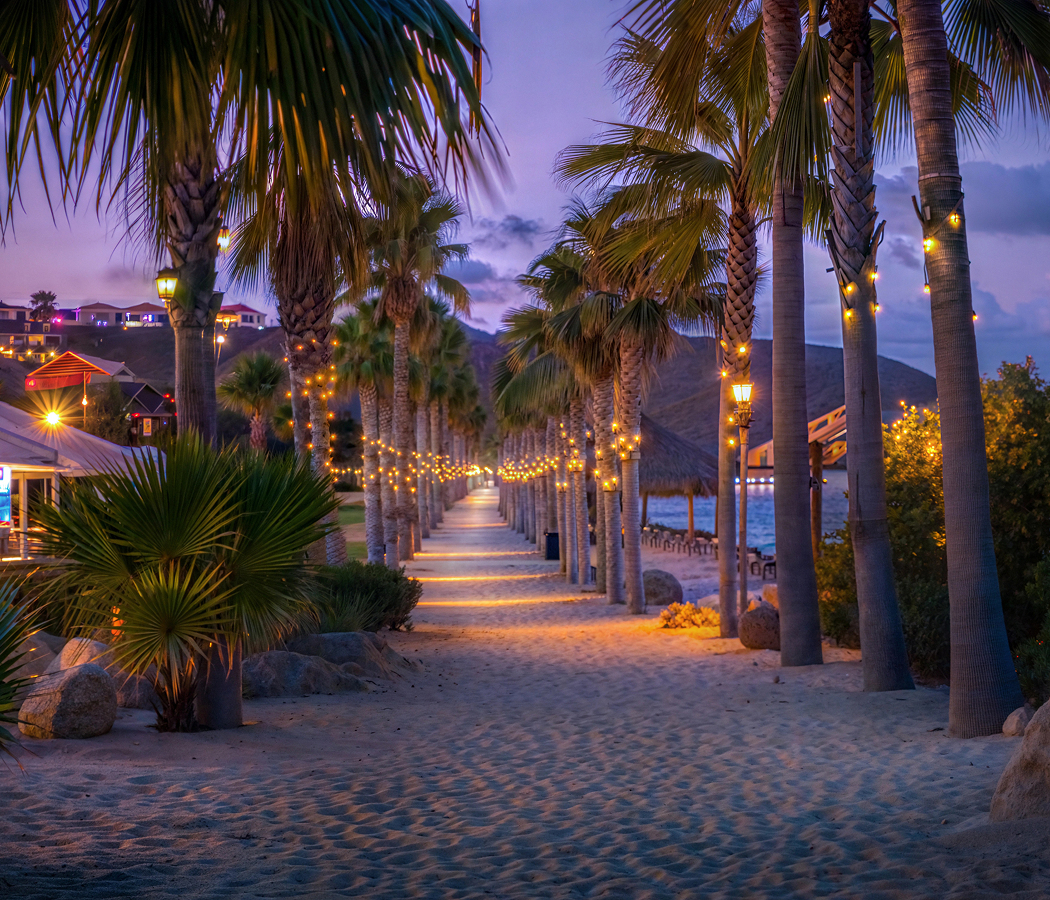
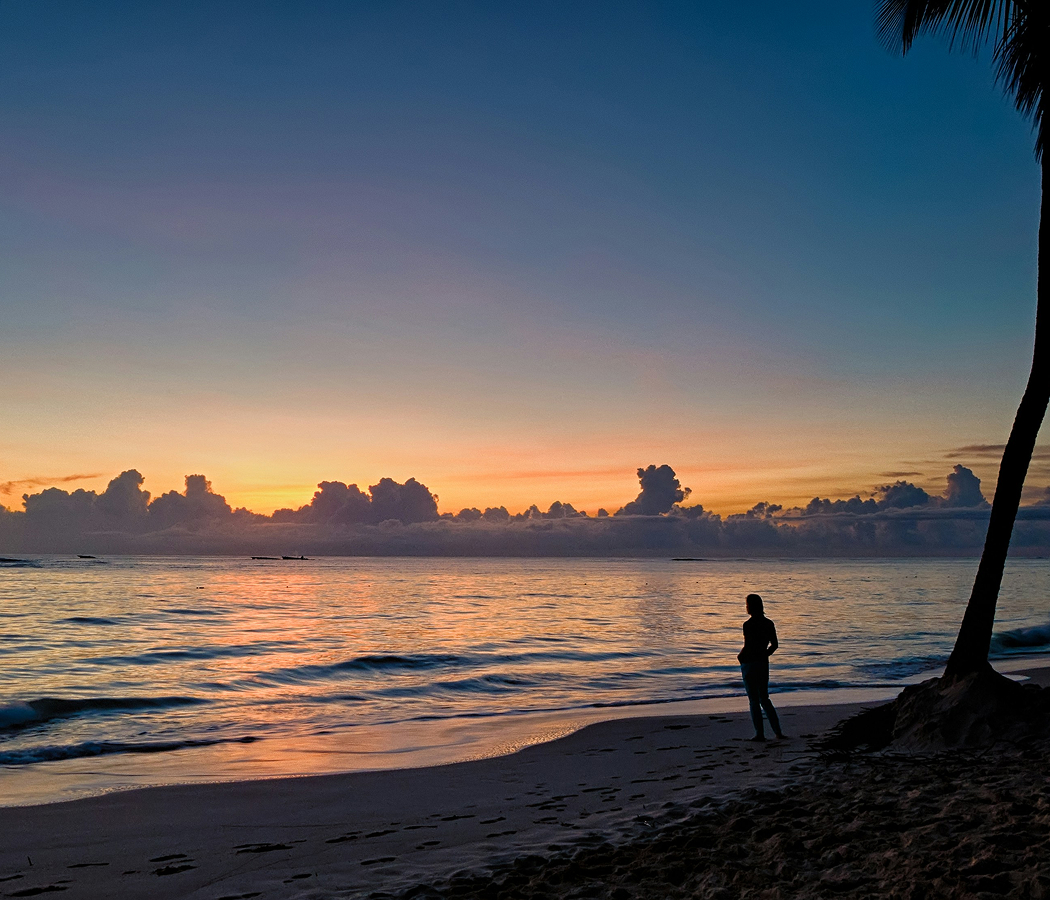
Occupying the western shoreline of Sunset Key, a private island across Key West Harbor from the historic waterfront, Latitudes sits within the landscaped grounds of Sunset Key Cottages, overlooking open Gulf waters and the distant maritime approaches to the Florida Keys. The restaurant combines a colonial-style dining room with a broad beachfront terrace, where white tablecloths, shaded seating, tropical palms, and an uninterrupted western horizon create an intimate coastal setting. Arrival begins aboard the resort's private ferry from the waterfront near Mallory Square, followed by a short walk from the island dock to the dining room and its adjoining sandy shoreline. Outdoor tables place the changing colors of the Gulf directly beside the meal, with afternoon sunlight gradually giving way to sunset and the illuminated silhouettes of passing boats. The result is an elegant private-island restaurant whose maritime arrival, beachfront dining, and unobstructed western exposure create one of Key West's most distinctive waterfront settings.
What defines Latitudes Sunset Key Cottages.
Latitudes Sunset Key Cottages is best known for bringing destination dining to an island whose transformation from an unfinished United States Navy installation into a private residential and hospitality retreat reshaped the western waterfront of Key West. The restaurant's history begins with the creation of Tank Island, an artificial landmass constructed during the expansion of the Navy's submarine and maritime facilities in the Florida Keys. Dredging began in 1965, producing a substantial offshore property intended to accommodate fuel storage and support naval operations. The original development envisioned twelve fuel tanks connected to a distribution system serving military vessels operating through the surrounding waters. Changes in naval requirements interrupted the project after two tanks had been constructed, leaving the island largely unused for its intended military purpose. The abandoned installation eventually became an opportunity for private redevelopment as Key West's economy shifted toward leisure travel, residential investment, and waterfront hospitality. The island was sold in 1994 and received the name Sunset Key, marking its transition from a military support property into a planned coastal community. Its twenty-seven acres provided sufficient land for private residences, landscaped streets, resort cottages, and a dedicated shoreline dining destination. Developer Tom Walsh became closely associated with the island's transformation through his hospitality and real estate interests in Key West. The redevelopment established a residential environment whose architectural character drew upon the traditional houses of the Florida Keys, incorporating pastel exteriors, pitched roofs, verandas, and tropical landscaping. Sunset Key Cottages developed as the principal hospitality component, connecting individual accommodations with a private beach, swimming facilities, and a restaurant serving the surrounding island community. Latitudes became the property's signature dining destination, establishing a direct relationship between the island's western shoreline and Key West's longstanding culture of sunset gatherings. Its placement transformed the island's geographic separation into an essential component of the restaurant's character, giving the waterfront dining program a dedicated marine transportation connection with the historic city. The property operated for a period under the Westin Sunset Key Guest Cottages name, linking the island retreat with an international hotel brand during its development as a luxury destination. The resort subsequently adopted the Sunset Key Cottages name and joined the Opal Collection, a hospitality portfolio associated with Delray Sands Resort, Jupiter Beach Resort & Spa, and other coastal properties. Opal expanded the Latitudes restaurant concept to additional Florida destinations, including Highland Beach and Jupiter, extending the name beyond its original Sunset Key association. The Key West restaurant retained its private-island setting as the distinguishing feature of the concept. Its culinary program developed around contemporary American cooking with substantial attention to Florida seafood, Caribbean ingredients, and the seasonal produce of the surrounding region. The restaurant also established a reputation for special-occasion dining through its beachfront seating and carefully coordinated evening service. National recognition followed through OpenTable's annual dining awards, including Latitudes' selection among the Top 100 Romantic Restaurants in the United States for 2025. That distinction strengthened the restaurant's association with celebratory dining and the western horizon that originally inspired the island's redevelopment. The transformation of Tank Island into Sunset Key provides the historical foundation for Latitudes, connecting an abandoned Cold War military project with the development of a private coastal community and an internationally recognized waterfront restaurant.
How Latitudes Sunset Key Cottages fits.
Latitudes Sunset Key Cottages works as the waterfront dining destination for an exploration connecting Key West's maritime commerce, nineteenth-century federal architecture, and the political history of the American presidency.
Begin at Mallory Square, the historic waterfront gathering place whose development belongs to Key West's early maritime economy. Commodore David Porter established a naval base on the property in 1823, directing an anti-piracy squadron responsible for protecting commercial shipping through the surrounding waters. The suppression of piracy helped strengthen the island's maritime economy, and the waterfront subsequently became a center for the wrecking industry. Salvaged cargo arrived at the docks for storage, auction, and redistribution, supporting a commercial system that made Key West one of Florida's wealthiest communities during the nineteenth century. The City of Key West and the Old Island Restoration Foundation initiated a major restoration effort in 1961, preserving historic waterfront buildings and developing the public gathering area associated with the city's nightly sunset celebration. Continue to Key West Museum of Art & History at the Custom House, the substantial Romanesque Revival building constructed during the expansion of federal institutions in the Florida Keys. The United States Treasury authorized the project in 1885 to accommodate the growing demands of customs administration, maritime trade, and federal judicial proceedings. Architect William Kerr designed the building, whose construction began in 1889 and reached completion in 1891. Its red-brick exterior, prominent arches, and substantial corner tower established a commanding architectural presence near the harbor. The building accommodated the customs service, federal district court, and post office, bringing several important government functions into a single institution. Its subsequent preservation created a museum devoted to the island's artistic, maritime, and political history. Conclude at Harry S. Truman Little White House, the former naval officers' quarters that became a working presidential retreat during the administration of Harry S. Truman. Constructed in 1890, the building served military officers during the development of Key West's naval installations. Truman first visited in November 1946 following a period of illness and returned for eleven working vacations through March 1952. His visits totaled 175 days, during which he conducted official business, met with advisers, and addressed significant domestic and international questions. The property subsequently hosted other American presidents and diplomatic gatherings, including peace discussions between the leaders of Armenia and Azerbaijan in 2001. Its preserved interiors connect the island's military history with the political responsibilities of the American presidency. The progression moves from Mallory Square's maritime commerce through the Custom House's federal administration and culminates at Harry S. Truman Little White House, connecting Key West's historic waterfront economy with the institutions and political figures that shaped its national significance.
Where your story begins.
Foresyte Travel reveals places that feel extraordinary long before you arrive.
Enjoy editorial crafted for luxury travelers.