Fun facts about Orlando, Florida.
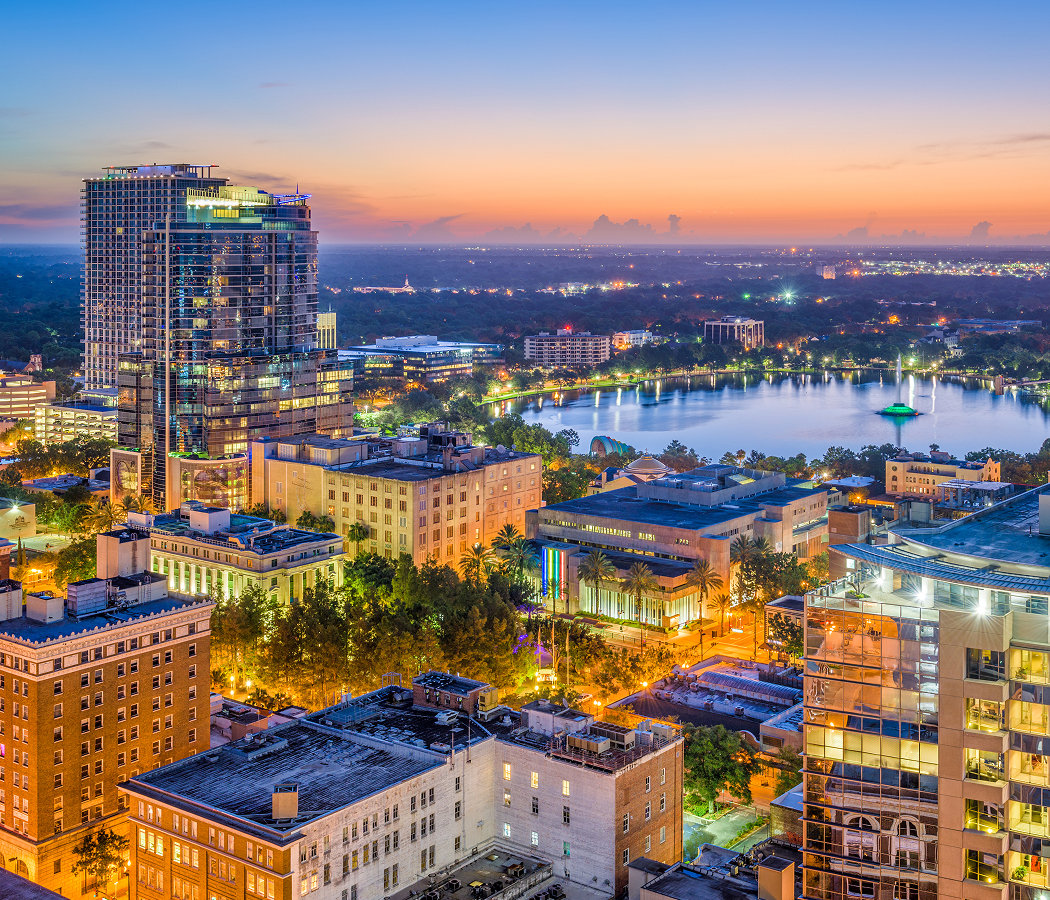
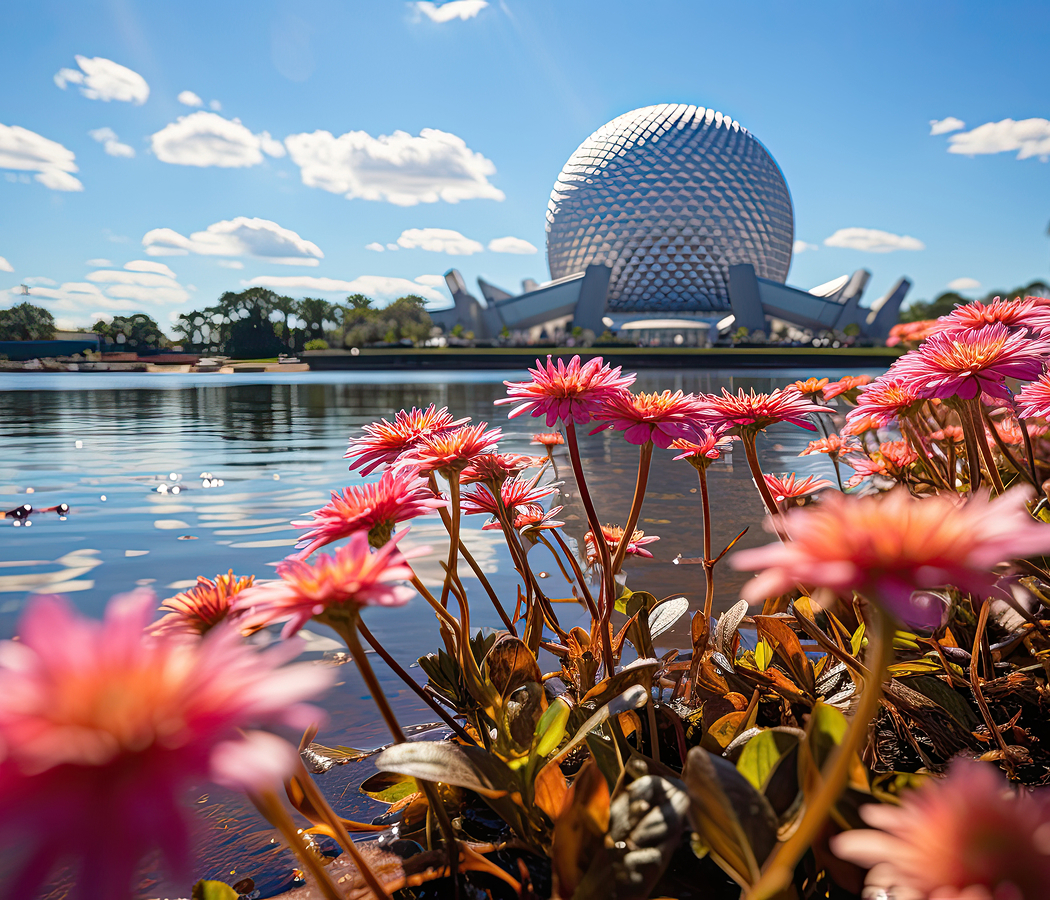
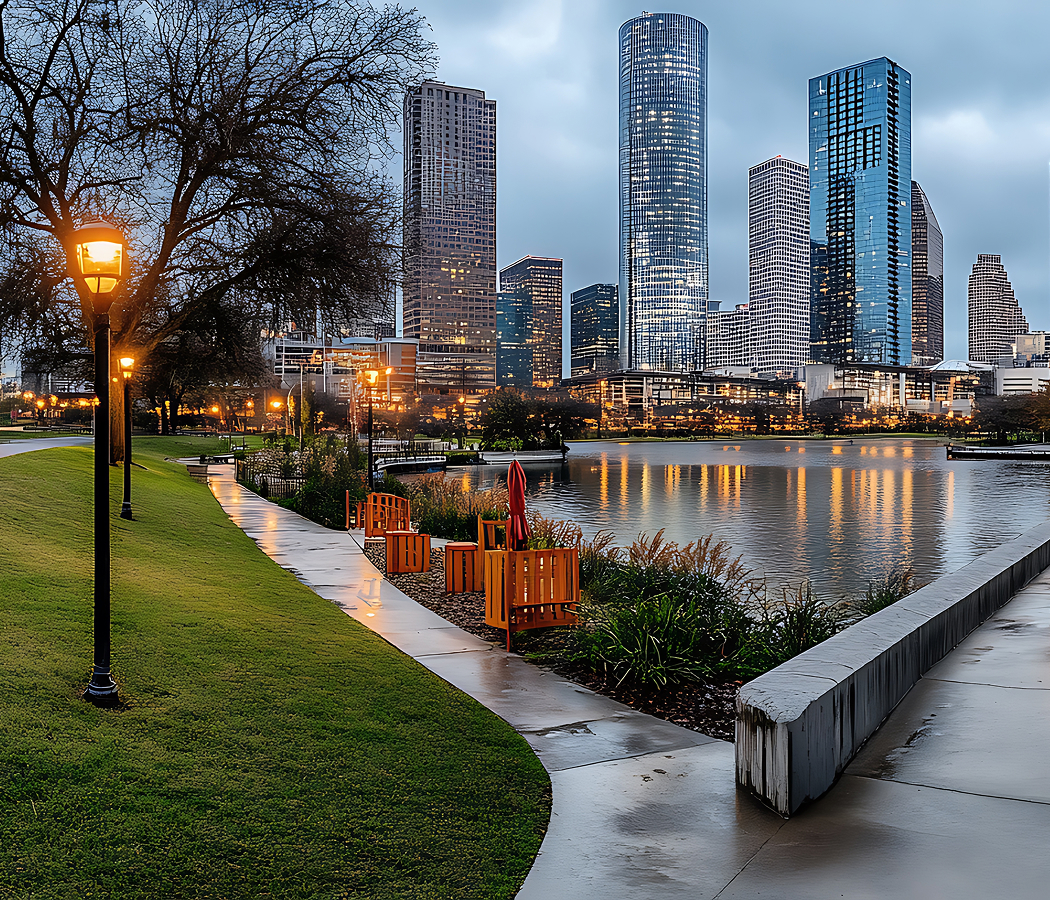
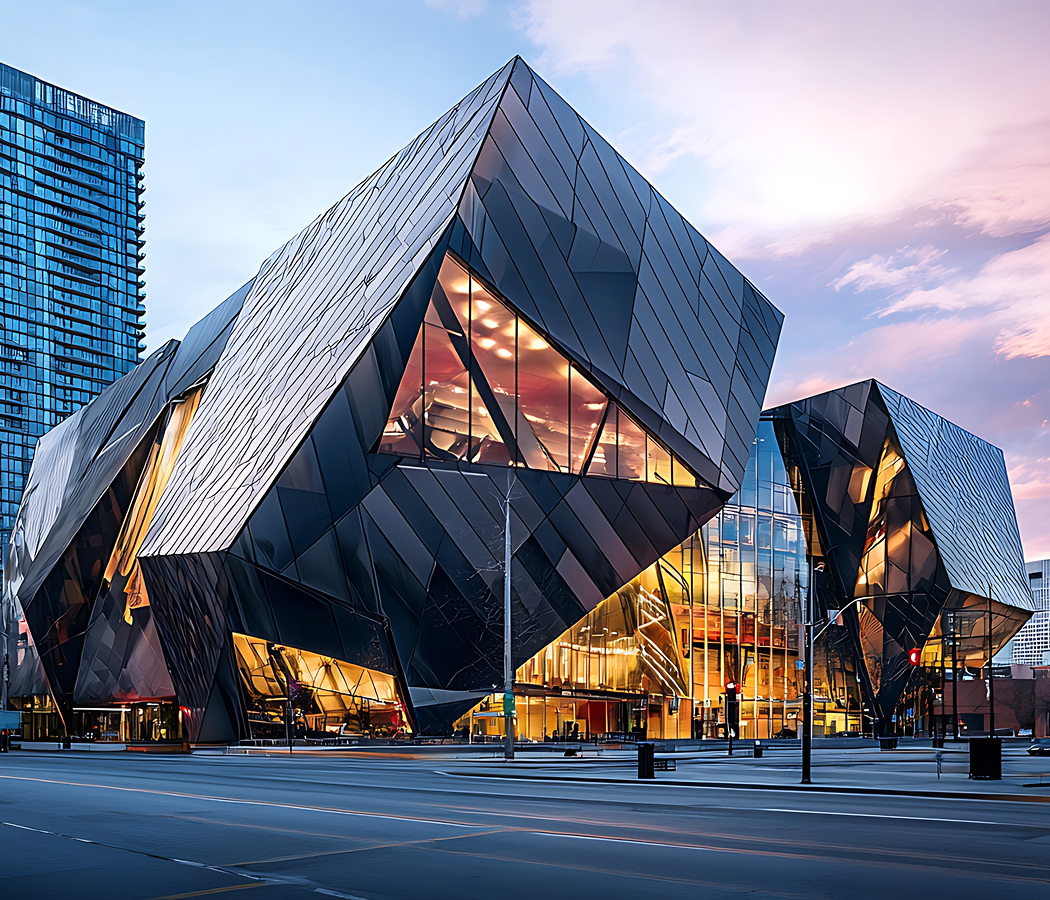
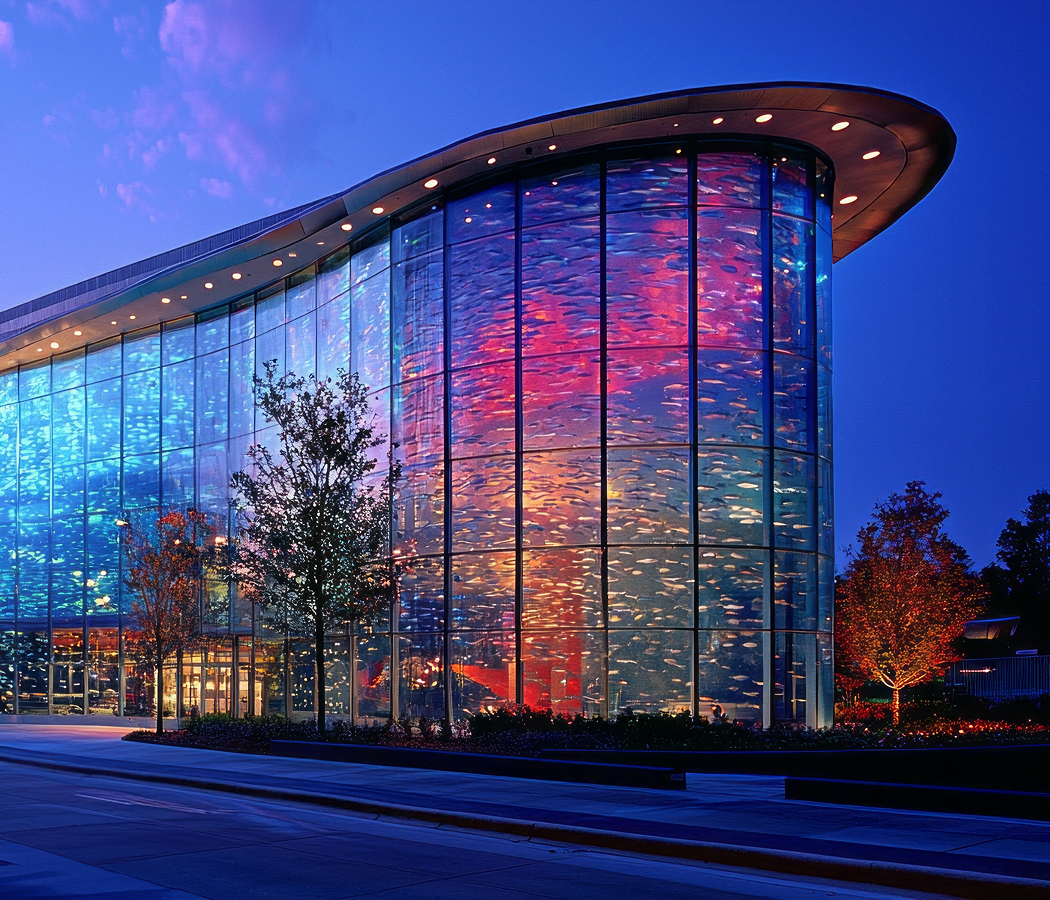
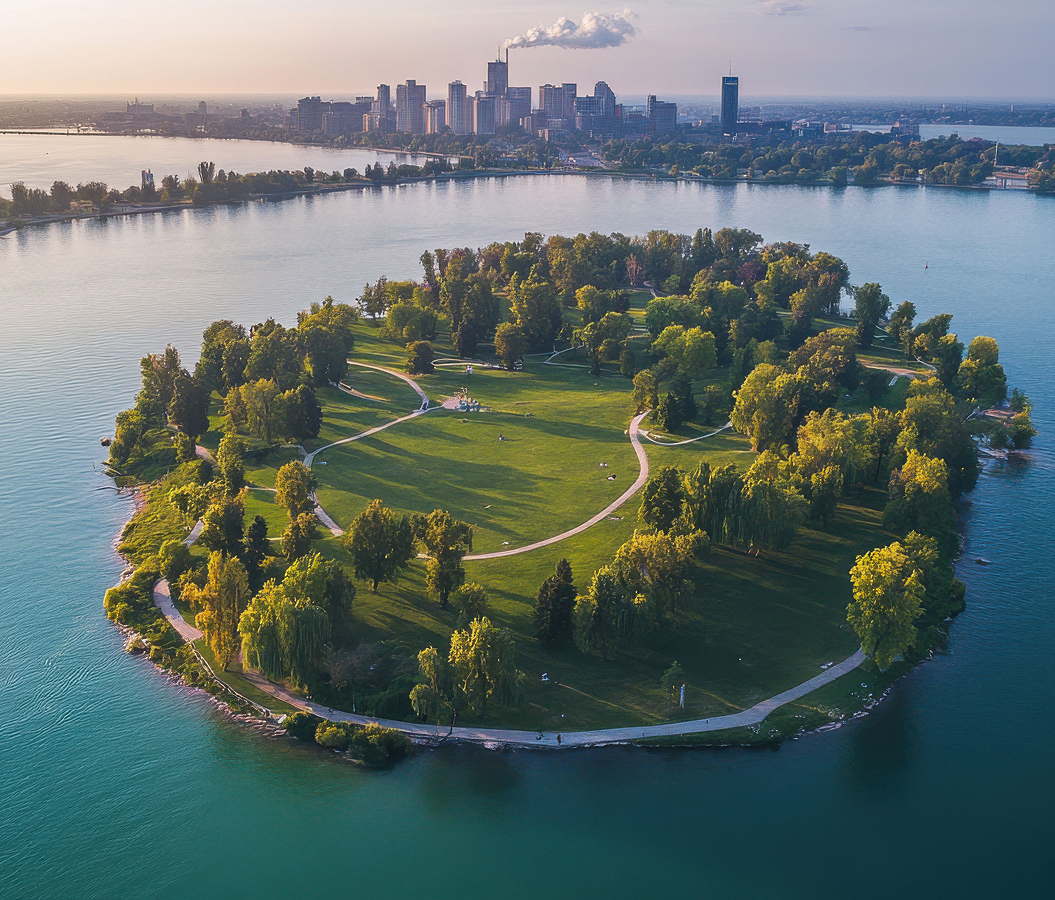
Orlando spreads across the gently undulating interior of the Florida Peninsula, where freshwater lakes, wetlands, sandy ridges, and subtropical vegetation shape an urban landscape extending far beyond its compact downtown. The city sits within the Central Florida lake region, a terrain distinguished by hundreds of water bodies formed through the interaction of limestone geology, groundwater, and natural drainage systems. Lake Eola occupies the heart of downtown, surrounded by landscaped paths, mature trees, residential towers, and civic gathering spaces. Its distinctive fountain rises from the center of the lake, creating a recognizable focal point beneath the downtown skyline. The surrounding Lake Eola Heights Historic District preserves an extensive collection of early twentieth-century residences, including Craftsman bungalows, Colonial Revival houses, and Mediterranean-inspired architecture. West of the lake, the central business district follows a compact grid of commercial streets, office buildings, entertainment venues, and civic institutions. Church Street retains historic brick buildings associated with Orlando's railroad-era commercial development, including the former Church Street Station complex. The nearby Dr. Phillips Center for the Performing Arts introduces an expansive contemporary structure distinguished by expansive glass façades and landscaped public approaches. North of downtown, Ivanhoe Village follows the shores of Lake Ivanhoe through a neighborhood of historic houses, independent businesses, and former industrial properties adapted for contemporary use. College Park extends northwest through residential streets organized around a series of lakes, with Edgewater Drive serving as its principal commercial corridor. Eastward, Thornton Park combines brick streets, early twentieth-century homes, restaurants, and shaded sidewalks within walking distance of Lake Eola. The surrounding neighborhoods of Audubon Park and the Milk District contain independent shops, cafés, creative businesses, and modest residential architecture reflecting Orlando's midcentury expansion. North of the city center, Winter Park presents a distinctive landscape of interconnected lakes, historic estates, landscaped avenues, and elegant commercial streets. Park Avenue forms its principal pedestrian corridor, with boutiques, restaurants, museums, and civic spaces arranged beneath a mature tree canopy. The Charles Hosmer Morse Museum of American Art occupies an important position along this avenue, and nearby Rollins College overlooks Lake Virginia from a campus distinguished by Mediterranean Revival architecture. South and southwest of downtown, Orlando's metropolitan landscape expands through major transportation corridors, residential developments, hotels, and entertainment complexes. International Drive forms a prominent visitor-oriented district containing convention facilities, restaurants, attractions, and substantial hospitality development. The Orange County Convention Center occupies an immense complex whose contemporary exhibition halls and public spaces support one of the country's major convention markets. Farther southwest, the Walt Disney World resort extends across an extensive landscape of artificial lakes, forests, themed environments, and purpose-built transportation networks. Magic Kingdom is organized around Cinderella Castle and a sequence of carefully composed architectural settings, from Main Street, U.S.A., to Adventureland and Tomorrowland. EPCOT presents another distinctive composition, with Spaceship Earth forming an expansive geodesic sphere at the entrance to the park. Disney's Hollywood Studios and Disney's Animal Kingdom expand the resort's architectural style through cinematic environments and elaborate naturalistic landscapes. Northeast of the Disney resort, Universal Orlando occupies another major entertainment district, with themed streetscapes, large-scale attractions, and resort hotels organized around interconnected pedestrian areas. Beyond these developments, the wider metropolitan region contains substantial areas of protected wetlands, lakeside parks, and natural habitats. The Tibet-Butler Preserve protects pine flatwoods, cypress swamps, and freshwater ecosystems near the southwestern resort corridor. Orlando's physical character is defined by the unusual contrast of historic lakeside neighborhoods, expansive subtropical landscapes, and highly engineered entertainment environments whose scale has few international equivalents.
Central Floridian culture in Orlando reflects the intersection of established Southern communities, Caribbean and Latin American migration, aerospace innovation, and an entertainment industry that has influenced the way themed environments are conceived around the world. The city's cultural development extends well beyond its resort economy, with a growing network of museums, theaters, music venues, and independent creative institutions serving a diverse metropolitan population. The Orlando Museum of Art, founded in 1924, presents collections and exhibitions encompassing American art, contemporary work, and artistic traditions from across the Americas. The Mennello Museum of American Art occupies a lakeside setting near Loch Haven Park, with a particular association with American folk art and the work of Earl Cunningham. The Orlando Science Center contributes interactive exhibitions and educational programming devoted to scientific discovery, technology, and the natural world. Loch Haven Park forms an important cultural district, bringing several of these institutions together within a landscaped public setting north of downtown. The Dr. Phillips Center for the Performing Arts presents Broadway productions, orchestral concerts, dance, opera, and contemporary music through its major performance halls. The Orlando Philharmonic Orchestra contributes to the city's classical music traditions, and regional theater companies support an active performing arts community. The Orlando International Fringe Theatre Festival, established in 1992, has become a significant platform for independent theater, comedy, dance, and experimental performance. Orlando's literary and artistic heritage also includes Zora Neale Hurston, whose childhood and early experiences in nearby Eatonville shaped her influential writing about African American life in the South. Eatonville, incorporated in 1887, is among the oldest incorporated African American municipalities in the United States and remains an important center of Black cultural history. The annual ZORA! Festival celebrates Hurston's literary achievements and the cultural inheritance of the surrounding community. Orlando's contemporary population includes substantial Puerto Rican, Cuban, Dominican, Haitian, Venezuelan, Brazilian, and other Latin American and Caribbean communities, whose influence is especially visible in the region's restaurants, markets, music, and neighborhood businesses. Puerto Rican cooking contributes dishes such as mofongo, arroz con gandules, and slow-roasted pork, alongside bakeries specializing in traditional pastries and breads. Cuban cafés serve pressed sandwiches, strong espresso, croquetas, and other familiar preparations, and Brazilian restaurants contribute churrasco, pão de queijo, and regional specialties. Southern cooking remains important through barbecue, fried chicken, seafood, and dishes rooted in Florida's agricultural traditions. Freshwater fish, Gulf seafood, citrus, and seasonal produce connect the region's food culture with its natural resources. Contemporary restaurants in neighborhoods such as Mills 50, Audubon Park, and the Milk District have expanded Orlando's culinary reputation through independent concepts, inventive menus, and diverse international influences. Mills 50 is particularly associated with Vietnamese restaurants and Asian American businesses, reflecting decades of immigrant entrepreneurship along Colonial Drive and Mills Avenue. The city's craft breweries, specialty coffee shops, and neighborhood markets contribute to a growing culture of independent food production and hospitality. Orlando's most internationally influential creative industry remains themed entertainment design, which brings together architecture, engineering, filmmaking, animation, landscape design, music, and live performance. The development of immersive attractions has supported a specialized regional workforce whose technical expertise influences entertainment projects around the world. Annual conventions, major sporting events, concerts, and cultural festivals add further dimensions to the city's public calendar. Orlando's cultural depth is especially apparent in the coexistence of an independent theater performance near Loch Haven Park, a Vietnamese meal along Colonial Drive, and the elaborate theatrical environments that have made Central Florida a global center of entertainment design.
Five fascinations.
5. Orlando's modern character was shaped by citrus long before theme parks transformed the region.
Central Florida became an important citrus-growing region during the nineteenth and early twentieth centuries, and groves once occupied enormous areas around Orlando. Railroads connected growers with distant markets, while packing houses, processing facilities, and agricultural businesses tied the city's economy to oranges, grapefruit, and other citrus crops. Devastating freezes periodically destroyed groves and pushed cultivation farther south, yet the industry left a lasting imprint on local place names, imagery, and development patterns. Much of the metropolitan landscape now occupied by subdivisions, commercial districts, and visitor infrastructure emerged from terrain that once formed part of an extensive agricultural economy.
4. Walt Disney chose Central Florida partly because highways allowed him to build at an extraordinary scale.
After Disneyland became successful in California, Walt Disney sought a vastly larger site for his next project. Central Florida offered inexpensive expanses of land near major highways, including Interstate 4 and Florida's Turnpike, while Orlando's inland location reduced direct exposure to coastal hurricane storm surge. Disney-affiliated companies quietly assembled thousands of acres southwest of Orlando during the 1960s before the project became public. Walt Disney World opened in 1971 and fundamentally altered the region's economy, population growth, transportation patterns, and international identity. Orlando's emergence as a global tourism capital resulted partly from a strategic geographic decision made at metropolitan scale.
3. Walt Disney World operates through a special governmental structure created before the resort opened.
Florida established the Reedy Creek Improvement District in 1967 across much of the land assembled for Walt Disney World, giving the district extensive responsibility for infrastructure and municipal-style services required by the enormous development. Roads, drainage, utilities, fire protection, and other systems evolved through an unusual governmental arrangement closely tied to the resort property. Florida substantially restructured that system in 2023, renaming it the Central Florida Tourism Oversight District and changing its governing board. The resort's physical growth depended not only on attractions and hotels but also on an extraordinary experiment in infrastructure, land management, and local governance.
2. Universal transformed a former Orlando theme park into an entire second generation of immersive entertainment.
Universal Studios Florida opened in 1990 as a movie- and television-oriented theme park built around attractions that placed visitors inside entertainment properties. The resort subsequently expanded with Islands of Adventure, CityWalk, hotels, and increasingly elaborate themed environments. The Wizarding World of Harry Potter became particularly consequential after opening at Islands of Adventure in 2010, combining architecture, retail, food, rides, and environmental storytelling into a deeply integrated fictional landscape. Universal later expanded the concept across additional properties and major new development. Orlando became an experimental laboratory for immersive entertainment design, where fictional worlds increasingly operate at the scale and complexity of urban districts.
1. Orlando helped send humans to the Moon even though the launch pads were on Florida's opposite coast.
Orlando sits an hour inland from Florida's Space Coast, where Cape Canaveral and Kennedy Space Center became central to the American space program. The aerospace expansion surrounding the Mercury, Gemini, and Apollo programs transformed Central Florida through engineering employment, defense contracting, infrastructure, migration, and technological investment. Martin Marietta established major operations in Orlando and developed aerospace and defense systems that deepened the city's connection with the industry. The region's tourism economy grew during the same transformative decades, creating an unusual convergence of rockets, military technology, entertainment, and rapid metropolitan expansion. Orlando's twentieth-century rise unfolded alongside one of humanity's most ambitious technological enterprises.
Where your story begins.
Foresyte Travel reveals places that feel extraordinary long before you arrive.
Enjoy editorial crafted for luxury travelers.
Foresyte may earn a commission when you book.