Fun facts about Colorado Springs, Colorado.
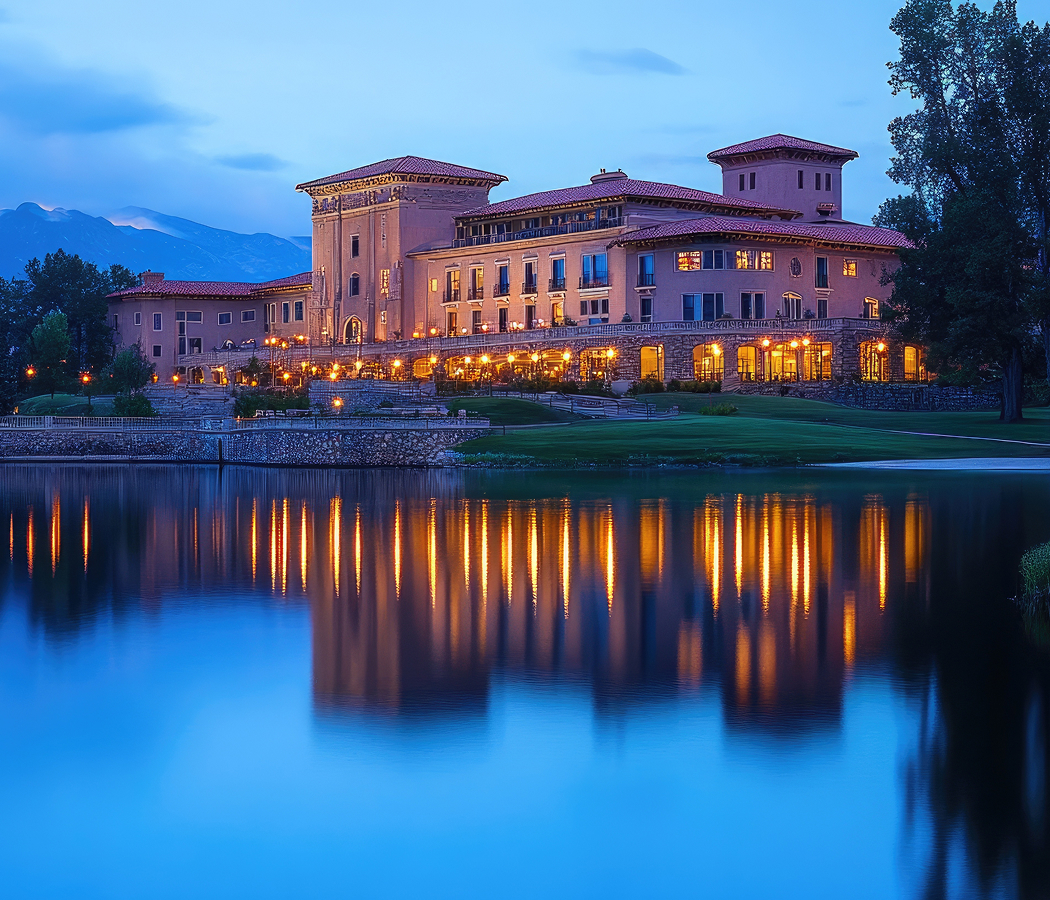
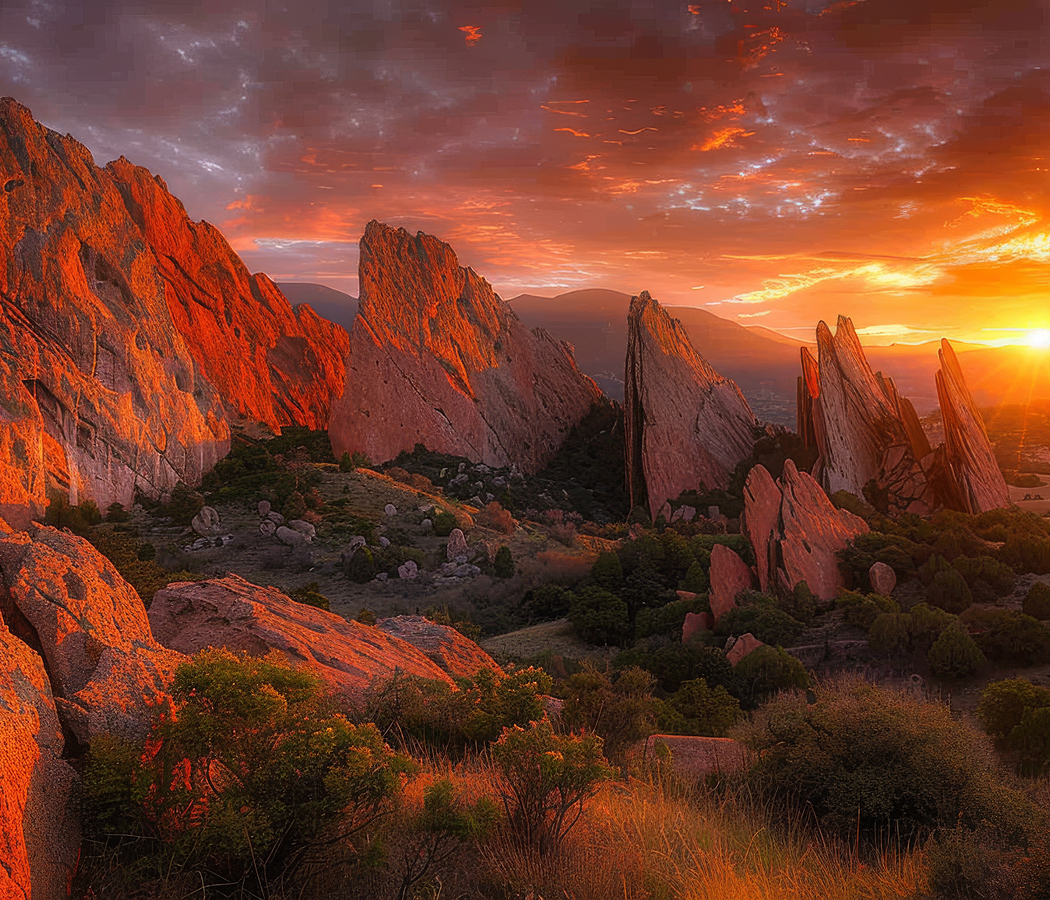
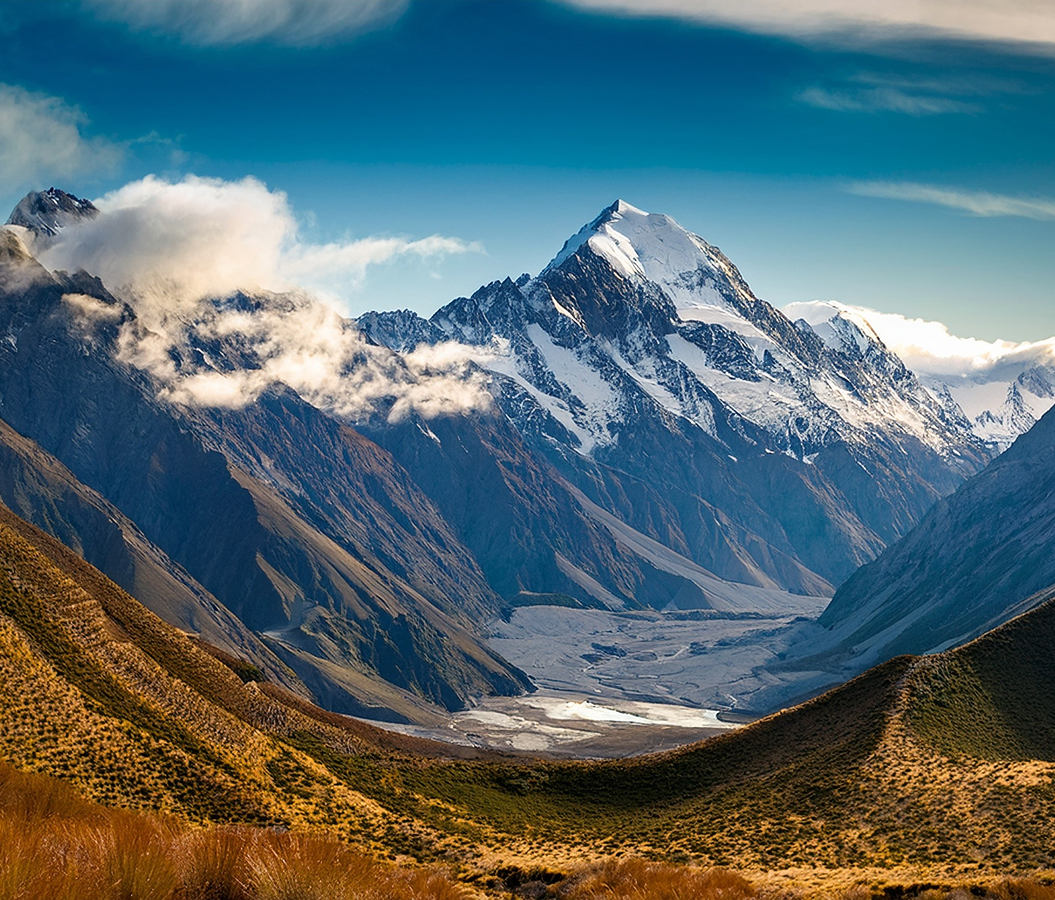
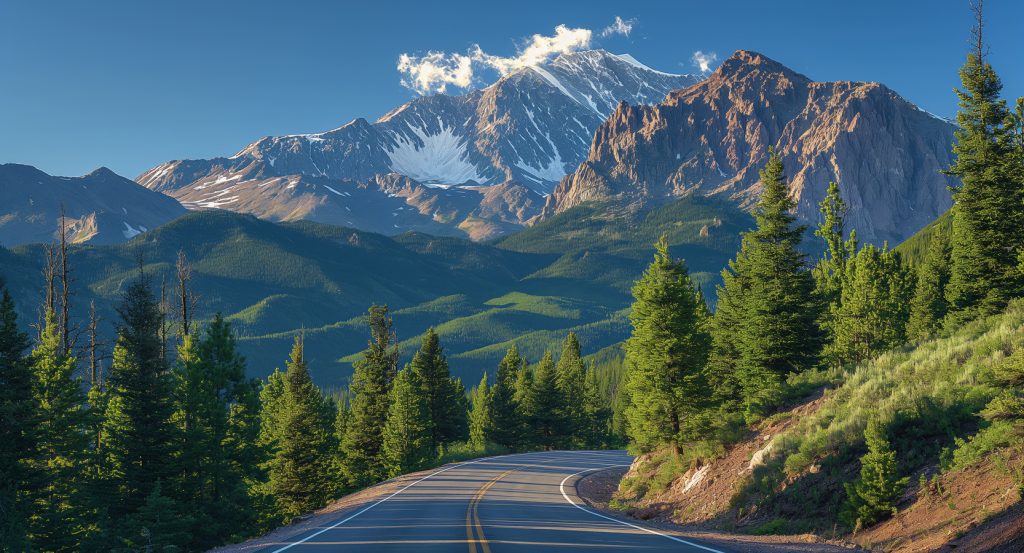
Colorado Springs extends across the western edge of the Great Plains beneath the abrupt eastern escarpment of the Rocky Mountains, where Pikes Peak rises to 14,115 feet above sea level and dominates the city's western horizon. The mountain belongs to the southern Front Range, whose granite formations, forested foothills, and steep canyons create an immediate contrast with the open grasslands extending eastward. The city's central districts occupy a broad plateau at 6,000 feet, giving Colorado Springs an unusually close relationship with alpine terrain and expansive high-country views. Downtown follows a relatively regular street grid centered on Tejon Street and Colorado Avenue, where historic commercial buildings, civic institutions, restaurants, and landscaped public spaces preserve elements of the original planned settlement. The Colorado Springs Pioneers Museum occupies the former El Paso County Courthouse, an expansive building completed in 1903 whose domed tower and ornate stonework reflect the prosperity of the mining era. Nearby, Acacia Park provides a historic civic green space surrounded by downtown streets and commercial activity. North of the center, the Old North End contains an extensive collection of late nineteenth- and early twentieth-century residences, including Victorian, Queen Anne, Tudor Revival, and Craftsman houses set along mature tree-lined streets. Colorado College occupies a landscaped campus within this district, where historic academic buildings and contemporary facilities form an important architectural presence. Westward, Old Colorado City preserves the commercial core of the earlier settlement founded in 1859, with brick storefronts, galleries, restaurants, and former mercantile buildings arranged along Colorado Avenue. Beyond the historic district, Manitou Springs occupies a narrow valley at the base of Pikes Peak, distinguished by mineral springs, Victorian buildings, steep residential streets, and a pedestrian-oriented commercial center. The nearby Manitou Incline climbs dramatically up the mountainside along the former alignment of a cable railway, providing one of the region's most demanding recreational routes. Garden of the Gods occupies a striking landscape of towering red sandstone formations northwest of Central Colorado Springs. Its vertical fins, balanced rocks, and narrow ridges rise above juniper-covered terrain, with Pikes Peak forming an expansive backdrop. The park's principal formations include North Gateway Rock, South Gateway Rock, and Balanced Rock, creating a distinctive geological landscape accessible through scenic roads and walking trails. South of the city, Cheyenne Mountain rises through wooded slopes and rocky summits above residential districts and military facilities. The Broadmoor occupies a landscaped setting near the mountain's base, with Italian Renaissance-inspired architecture, ornamental lakes, gardens, and views toward the surrounding foothills. Nearby, Seven Falls descends through a narrow granite canyon in a sequence of waterfalls framed by steep rock walls. North Cheyenne Cañon Park provides access to forested trails, rock formations, and mountain streams within a rugged natural setting close to the urban core. The United States Air Force Academy occupies an extensive campus north of the city, with the Cadet Chapel standing as one of the region's most recognizable examples of modern architecture. Its sharply pointed aluminum-and-glass structure rises against the foothills through a composition of seventeen spires. Eastward, Colorado Springs expands into residential neighborhoods, commercial corridors, and planned communities across the plains, where the terrain opens toward the distant horizon. Palmer Park preserves an elevated landscape of sandstone bluffs, wooded slopes, and panoramic overlooks within the city itself. The extensive network of trails, open spaces, and mountain access routes makes Colorado Springs distinctive among American cities for the proximity of its historic urban districts to dramatic geological formations and high-elevation wilderness.
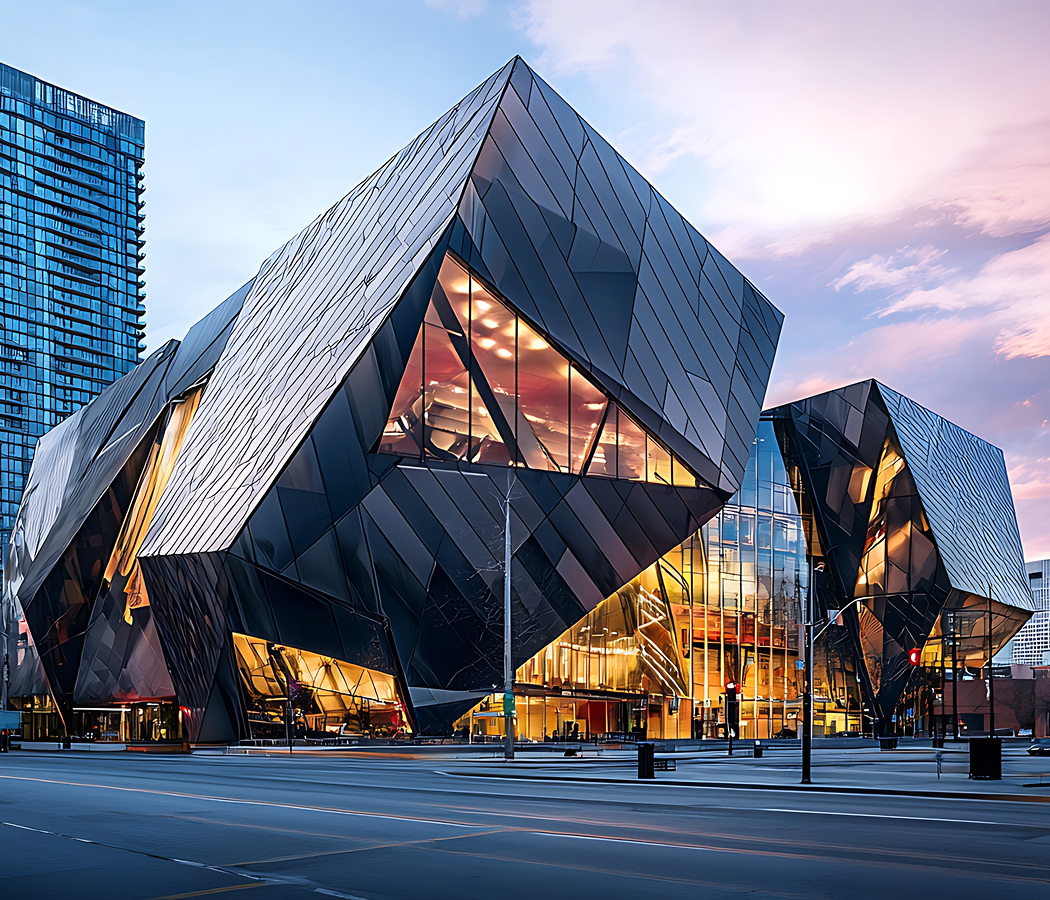
Colorado's mountain heritage shapes the cultural traditions of Colorado Springs, where Olympic sport, military history, visual art, and outdoor recreation occupy an unusually prominent place in civic life. The city's association with elite athletics developed through its high-altitude training environment and the concentration of national sporting organizations. The United States Olympic & Paralympic Committee maintains its headquarters in Colorado Springs, and the city's Olympic & Paralympic Training Center provides facilities for athletes preparing for international competition. The U.S. Olympic & Paralympic Museum, opened in 2020, presents interactive exhibitions exploring athletic achievement, training, and the history of the Olympic and Paralympic movements. Its sculptural contemporary building contributes a distinctive architectural landmark to the southwestern edge of downtown. The city's military institutions support another important cultural and educational presence. The National Museum of World War II Aviation preserves historic aircraft and explores the technological and human dimensions of wartime aviation. The Air Force Academy contributes ceremonial traditions, athletic events, and public programming associated with the education of military officers. Colorado Springs also maintains a substantial visual arts community rooted in the artistic colonies and cultural institutions that developed during the early twentieth century. The Colorado Springs Fine Arts Center, founded in 1936 and now part of Colorado College, occupies an influential Art Deco building designed by John Gaw Meem. Its collections encompass Native American, Hispanic, Latin American, and American art, including significant works associated with the Southwest. The institution also supports theatrical performances and arts education. The Colorado Springs Philharmonic presents orchestral concerts, and the Ent Center for the Arts at the University of Colorado Colorado Springs provides performance and exhibition spaces for regional and visiting artists. The city's cultural history includes the work of Katharine Lee Bates, who wrote the poem that became “America the Beautiful” after visiting Pikes Peak in 1893. The mountain's sweeping views helped inspire one of the country's most familiar patriotic songs, establishing an enduring association between the region's landscape and American cultural memory. The annual Pikes Peak International Hill Climb, first held in 1916, brings motorsport competitors to a demanding mountain course renowned for its steep grades, sharp turns, and dramatic elevation gain. The Pikes Peak Marathon and Ascent extend the city's athletic traditions through long-distance mountain running, drawing competitors to the demanding terrain above Manitou Springs. The region's outdoor culture also encompasses hiking, climbing, mountain biking, horseback riding, and winter recreation, with access to trails and public lands throughout the surrounding foothills. Local food traditions reflect the agricultural heritage of the Colorado Front Range and the influence of Mexican and Southwestern cooking. Green chile, often prepared with roasted peppers and pork, appears in restaurants throughout the city, served over burritos, enchiladas, and other regional specialties. Colorado lamb, beef, trout, and seasonal produce contribute to contemporary menus, supported by farms and ranches across the surrounding region. The city's dining landscape has expanded through independent restaurants, bakeries, breweries, and cafés concentrated downtown, in Old Colorado City, and along the commercial streets of Manitou Springs. Craft breweries draw upon Colorado's longstanding brewing culture, producing a range of ales, lagers, and experimental styles. Seasonal festivals, farmers markets, outdoor concerts, and neighborhood art events contribute to a calendar shaped by the region's mountain climate. Colorado Springs offers a cultural experience closely connected to its setting: Olympic training facilities beneath the Front Range, early modern art institutions within a former resort city, and historic neighborhoods only minutes from sandstone formations, mountain canyons, and the ascent toward Pikes Peak.
Five fascinations.
5. Colorado Springs was founded as a deliberately planned resort city beside the Rocky Mountains.
Civil War veteran and railroad entrepreneur William Jackson Palmer founded Colorado Springs in 1871 as part of a larger development centered on the Denver and Rio Grande Railway. Palmer envisioned a refined community that would attract residents and visitors through mountain scenery, broad streets, parks, and access to the surrounding landscape. The city developed a markedly different character from many Colorado settlements created around mining camps. Nearby mineral springs at Manitou Springs and the immense profile of Pikes Peak strengthened its appeal as a health and leisure destination. Colorado Springs began with tourism, transportation, landscape, and urban planning embedded directly in its civic identity.
4. Garden of the Gods received its name before Colorado Springs even existed.
In 1859, surveyors exploring the dramatic sandstone formations beneath Pikes Peak encountered a landscape of towering fins, balanced rocks, and narrow passages. One suggested that the area would make an excellent beer garden, prompting fellow surveyor Rufus Cable to declare it fit for the gods. The name Garden of the Gods endured. Charles Elliott Perkins later acquired much of the land but resisted commercial development, and after his death his children transferred hundreds of acres to Colorado Springs in 1909 with provisions preserving the landscape as a free public park. One of the city's defining attractions survived through an unusually consequential act of private conservation.
3. Pikes Peak helped inspire the words of “America the Beautiful.”
Katharine Lee Bates traveled to Colorado Springs in 1893 to teach at Colorado College and joined an excursion to the summit of Pikes Peak. The expansive view from more than 14,000 feet helped inspire the poem that became “America the Beautiful,” including its celebrated imagery of spacious skies and purple mountain majesties. First published as a poem in 1895, the work was later paired with Samuel A. Ward's melody and became one of the country's best-known patriotic songs. Pikes Peak occupies an unusual position in American cultural history: its summit landscape directly influenced language that generations of Americans came to associate with the geography of the entire nation.
2. Colorado Springs became one of the most important military and aerospace centers in the United States.
The establishment of Camp Carson during World War II began a military expansion that permanently changed Colorado Springs. The installation evolved into Fort Carson, while Peterson Space Force Base, Schriever Space Force Base, Cheyenne Mountain Space Force Station, and the United States Air Force Academy created an extraordinary concentration of defense and aerospace institutions around the city. Cheyenne Mountain became especially famous for its hardened command complex excavated deep within granite during the Cold War. Military investment reshaped the region's population, economy, engineering, and international significance. Colorado Springs developed from a nineteenth-century resort community into a major center of American military and space operations.
1. The United States Air Force Academy built its most recognizable landmark around seventeen soaring aluminum spires.
The Cadet Chapel emerged from the modernist campus designed by Skidmore, Owings & Merrill after the Air Force Academy established its permanent home north of Colorado Springs during the 1950s. Architect Walter Netsch conceived the chapel as a sequence of sharply rising tetrahedral forms clad in aluminum, producing seventeen spires that evoke aircraft and upward movement. Its interior accommodates multiple religious traditions within distinct worship spaces, an unusually ambitious arrangement when the building was conceived. Completed in 1962, the chapel became an icon of postwar American architecture. Colorado Springs possesses a landmark where aerospace imagery, structural experimentation, military culture, and religious space converge in a single extraordinary building.
Where your story begins.
Foresyte Travel reveals places that feel extraordinary long before you arrive.
Enjoy editorial crafted for luxury travelers.
Foresyte may earn a commission when you book.