Why Manitou Incline matters.
Manitou Springs is a historic mountain enclave where the Colorado's dramatic foothill geography meets the sacred mineral waters of the Ute people, Colorado's nineteenth-century health-resort movement and a distinctive community of Victorian architecture, independent artists and mountain recreation.
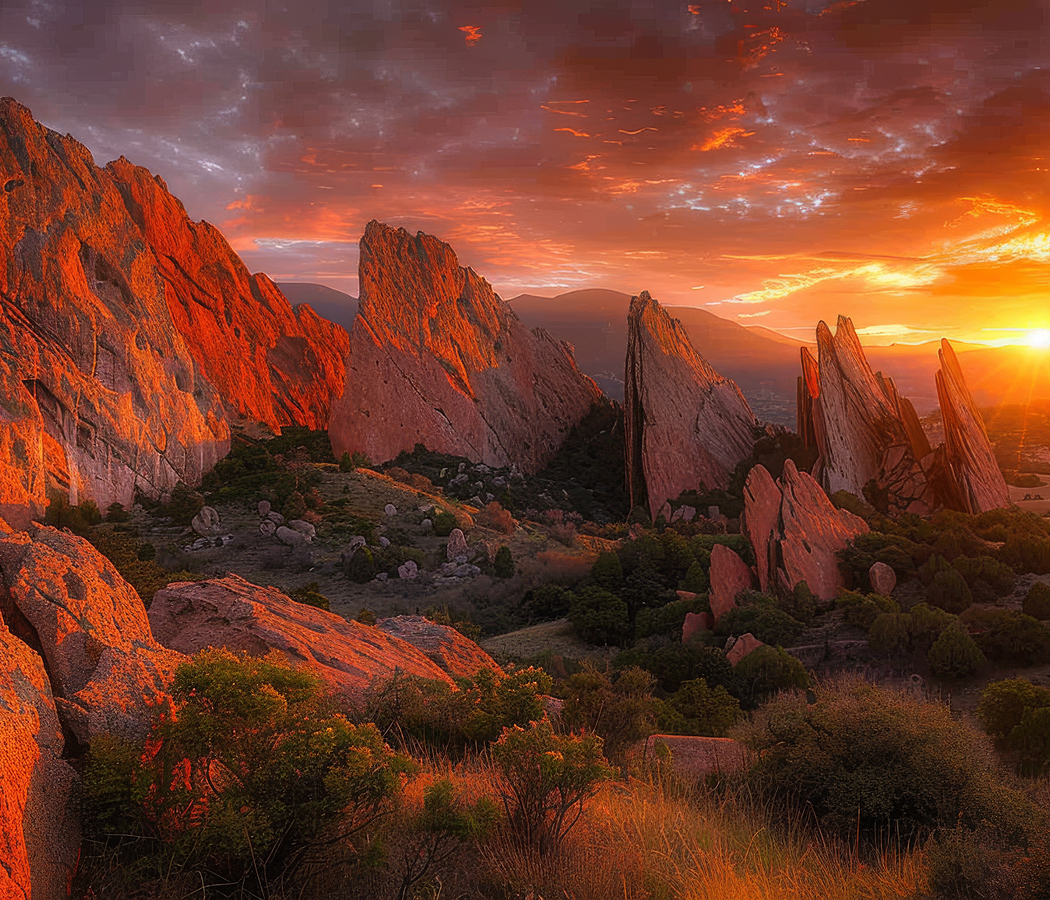
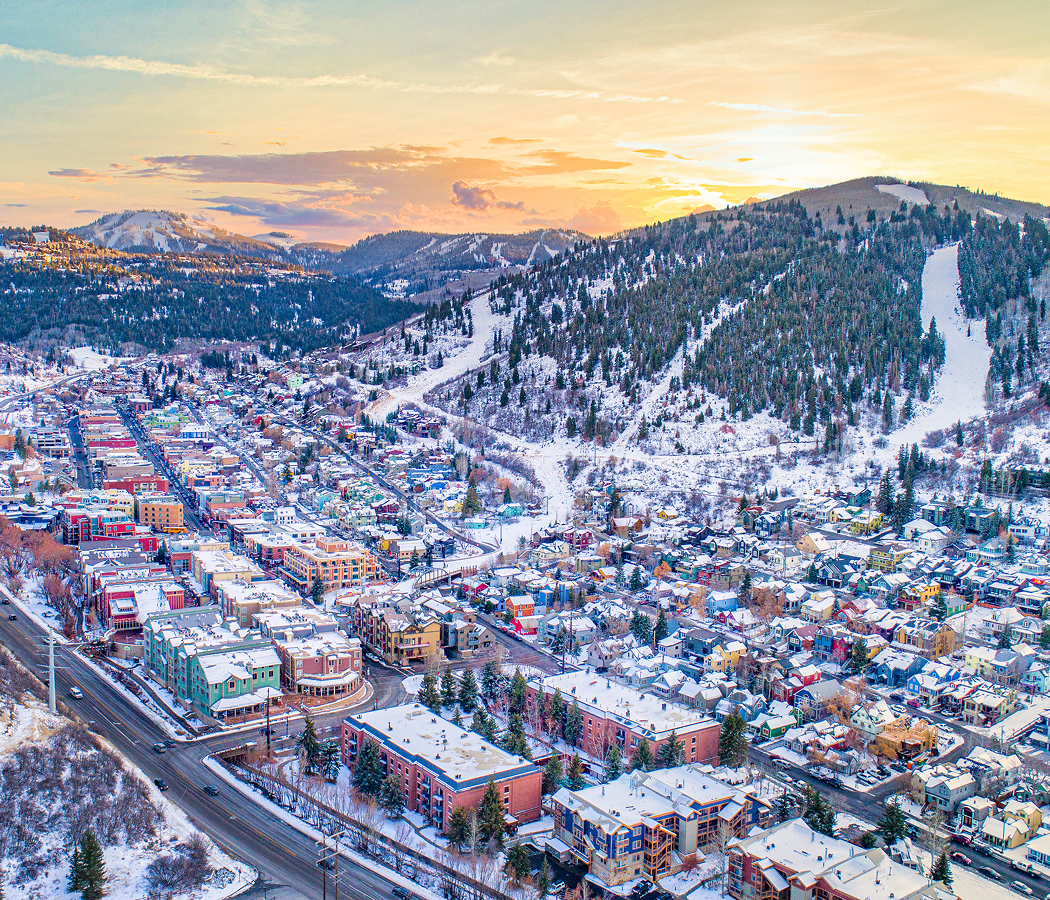
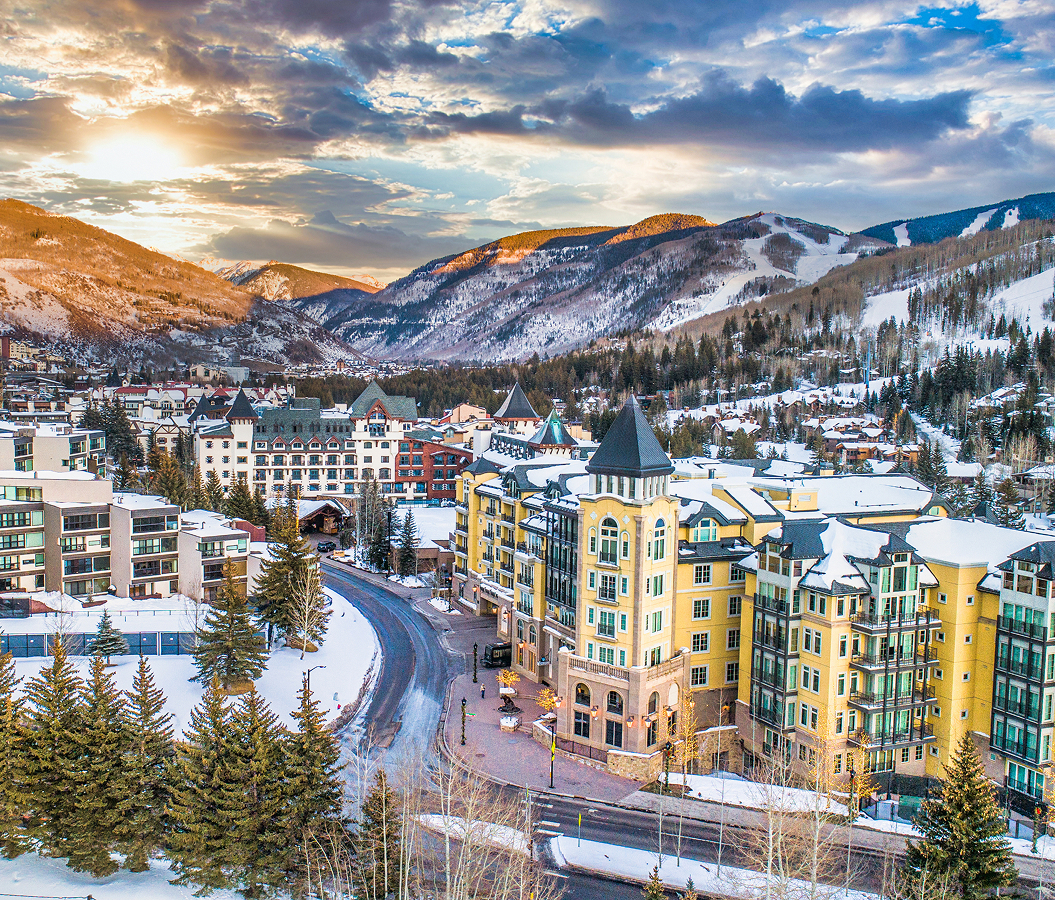
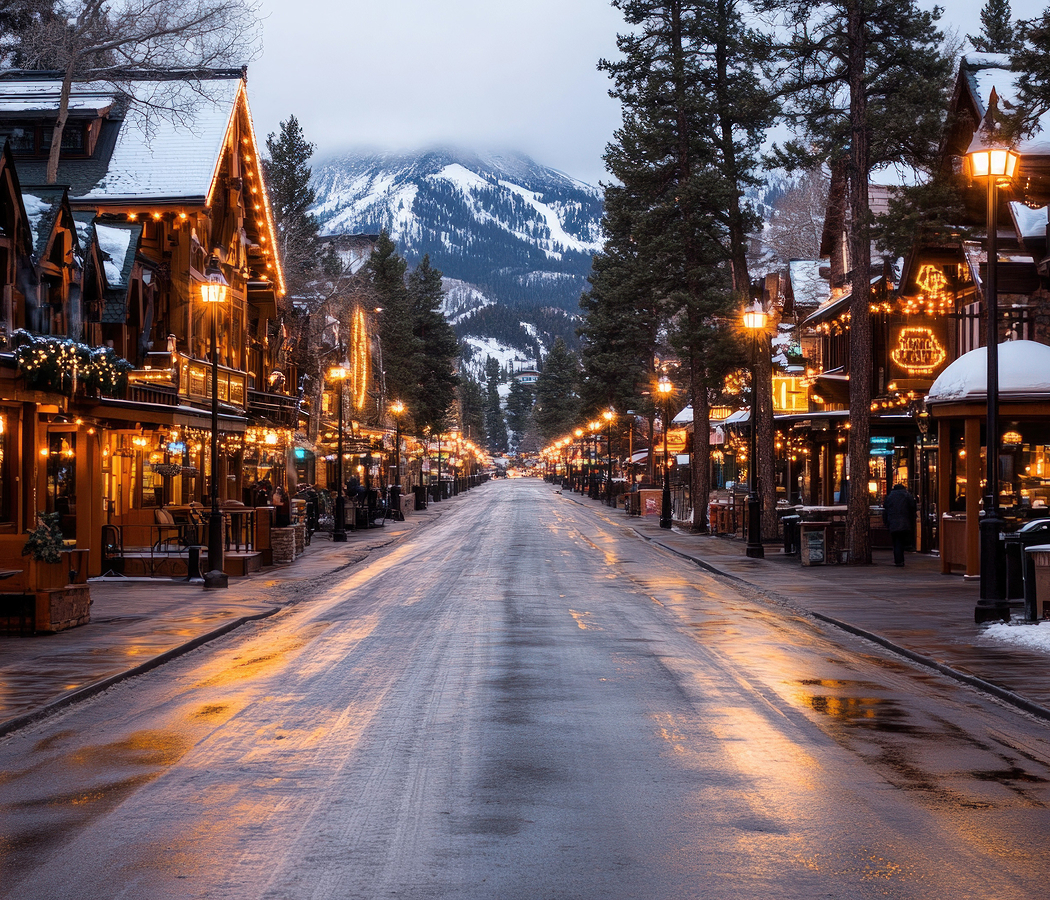
Positioned between Colorado Springs to the east, the Garden of the Gods foothills to the north and the steep eastern slopes of Pikes Peak to the west, the mountain town occupies a narrow valley along Fountain Creek, with its historic commercial district extending through the natural corridor between surrounding sandstone ridges and forested mountainsides. Manitou Avenue follows the valley floor through closely arranged nineteenth-century storefronts, decorative brick buildings and historic hotels whose varied rooflines preserve the scale of an early Colorado resort community. Steep residential streets climb the surrounding hillsides, where Victorian cottages, substantial stone residences and wooded properties occupy irregular parcels shaped by the mountain terrain. Public mineral-spring fountains, landscaped pocket parks, pedestrian passages and narrow side streets establish a walkable downtown distinguished by its unusually close relationship with the surrounding landscape. The result is a mountain community whose historic architecture, naturally carbonated springs and concentrated foothill geography preserve the character of Colorado's early resort era.
What defines Manitou Incline.
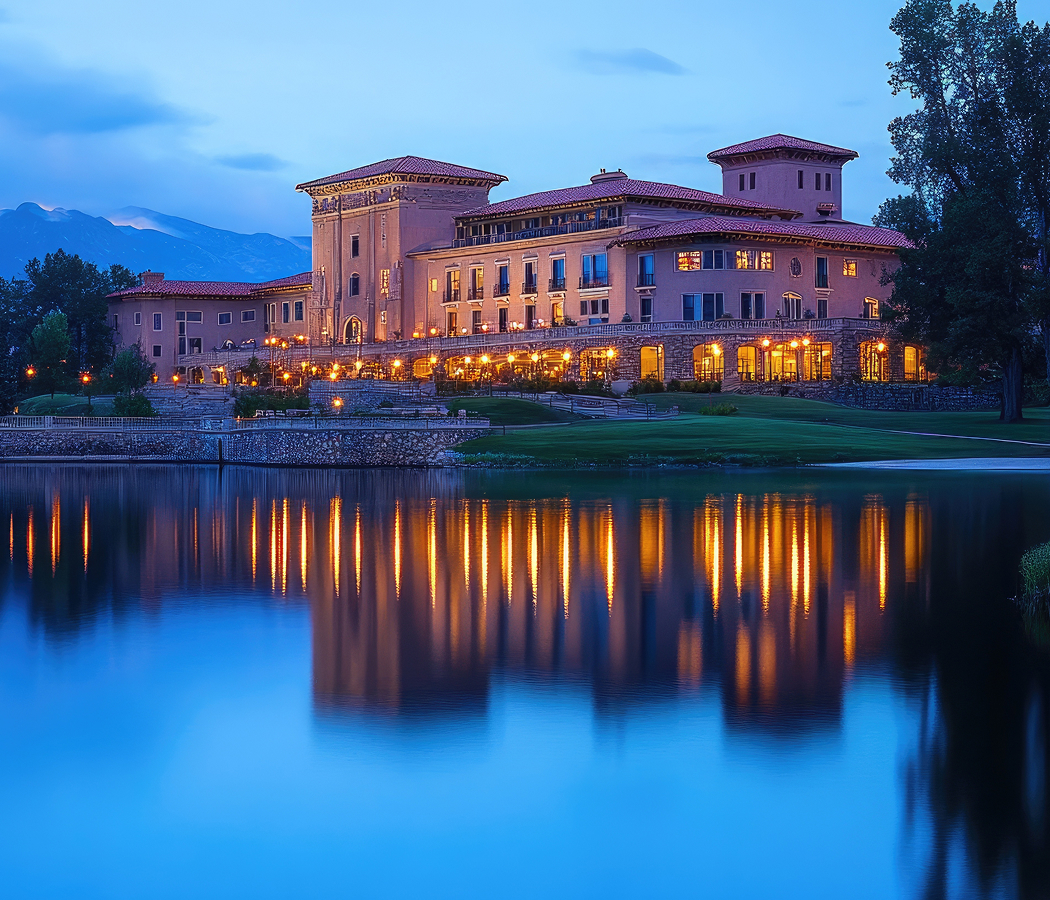
Manitou Springs is best known for its naturally carbonated mineral springs, its origins as a nineteenth-century health resort and its longstanding importance within the cultural geography of the southern Rocky Mountains. The area's mineral waters attracted Indigenous peoples for centuries before the establishment of European American settlements, with the Ute maintaining particularly substantial ancestral and spiritual connections to the surrounding landscape. The naturally effervescent springs acquired ceremonial significance through traditions associating their bubbling waters with spiritual forces, and the valley also attracted Cheyenne, Arapaho and other Plains peoples. Water descending through the mountain's geological formations absorbed dissolved minerals and carbon dioxide, producing springs distinguished by differing concentrations of iron, calcium, sodium and other mineral compounds. European American settlement expanded following the Colorado Gold Rush, bringing prospectors, merchants and transportation enterprises into the region during the 1850s and 1860s. William Jackson Palmer founded Colorado Springs in 1871 and recognized the neighboring mineral-spring valley's potential as a resort destination associated with the emerging city's development. Physician William Abraham Bell, Palmer's business associate, helped establish Manitou in 1872, developing a settlement intended to attract travelers seeking mountain scenery, mineral-water treatments and relief from respiratory illnesses. The community incorporated in 1876, establishing municipal government during Colorado's transition to statehood. Railroad service reached Manitou in 1881, substantially improving access for travelers arriving through Colorado Springs and accelerating the development of hotels, boardinghouses and commercial establishments. The resort's growing reputation attracted affluent travelers from eastern American cities and Europe, including people seeking relief from tuberculosis and other chronic illnesses. By the 1890s, substantial hotels such as the Cliff House, Barker House and Grandview accommodated seasonal travelers, establishing a competitive hospitality district supported by mineral baths, organized excursions and mountain transportation. The town acquired the nickname Saratoga of the West, connecting its mineral-water culture with the established spa traditions of Saratoga Springs, New York. Commercial bottling operations subsequently expanded the economic importance of the springs, allowing mineral water to reach consumers far beyond the mountain valley. The arrival of automobile tourism during the twentieth century encouraged the construction of motor courts and roadside accommodations, gradually changing the duration and character of resort stays. Declining demand for traditional mineral-water treatments contributed to economic difficulties during the middle decades of the century, prompting preservation initiatives and a renewed emphasis on the town's historic architecture. The establishment of a local historic district in 1980 strengthened efforts to protect the surviving resort-era streetscape, preserving an unusually concentrated architectural inheritance from Colorado's early tourism economy.
Jerome Byron Wheeler, a former president of Macy's and an influential Colorado mining investor, became one of Manitou's most consequential nineteenth-century benefactors through his investment in mineral-water bottling and civic improvements. Wheeler developed a substantial bottling plant intended to distribute the town's mineral waters commercially, extending the resort's economic activities beyond its seasonal hotel business. His donation of the Wheeler Town Clock introduced a distinctive public monument crowned by a figure of Hebe, the Greek goddess associated with youth and the serving of divine nectar. The clock became a prominent feature of the commercial district, connecting the town's mineral-water traditions with the decorative ambitions of its prosperous resort period. Emma Crawford, a young woman who arrived in Manitou seeking relief from tuberculosis, became another enduring figure in local cultural history after her death in 1891. Her burial on Red Mountain and the subsequent displacement of her coffin inspired the Emma Crawford Coffin Races, an annual October celebration established in 1995. The event combines elaborate costumes, decorated wheeled coffins and competitive racing, introducing a distinctive local tradition associated with the town's Victorian past. Manitou's artistic development accelerated during the 1970s as painters, craftspeople and independent merchants occupied historic commercial buildings and established a substantial creative community. Commonwheel Artists Co-op, founded in 1974, became an important institution supporting local artists through exhibitions, retail opportunities and community programming. The Mineral Springs Foundation, established in 1987, undertook efforts to restore and protect the town's public springs, preserving access to the natural waters that originally attracted settlement. Its work supported the restoration of drinking fountains and the interpretation of individual springs distinguished by different mineral compositions. The town's designation as a Colorado Creative District strengthened the relationship between independent galleries, public art and cultural events. Its downtown retains a concentration of artist-operated shops, historic businesses, restaurants and locally organized celebrations that contribute to a distinct civic culture. The surrounding mountains support an extensive recreational community, linking the historic resort town with hiking, climbing and other activities associated with the Pikes Peak landscape. Manitou Springs' continuing significance rests in the preservation of its mineral-water heritage, nineteenth-century architecture and independent artistic traditions within a geographically concentrated mountain community.
How Manitou Incline fits.
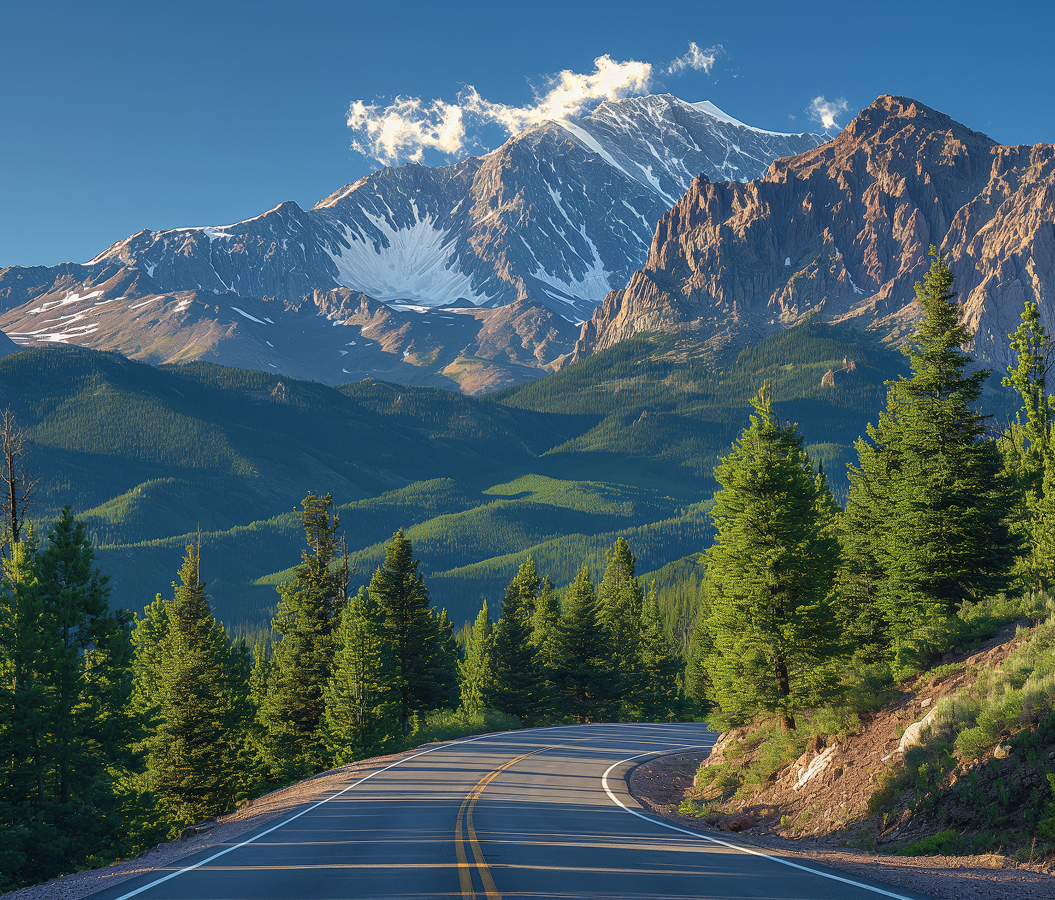
Manitou Springs works as the cultural anchor for a Pikes Peak Region outing connecting the area's preserved Victorian domestic architecture, its pioneering mountain transportation systems and the geological formations that established the southern Front Range as a destination for natural exploration.
Begin at Miramont Castle Museum, the elaborate historic residence constructed for French Catholic priest Jean Baptiste Francolon beginning in 1895. The building incorporates an eclectic combination of architectural influences, including English Tudor, medieval European and Victorian forms, assembled through irregular rooflines, projecting bays and crenellated towers. Local contractors Angus and Archie Gillis contributed to its construction, using substantial quantities of quarried greenstone to create the castle's distinctive exterior. Interior rooms preserve architectural details and furnishings associated with the Victorian period, and historical exhibitions examine the property's changing institutional uses. Continue to The Broadmoor Manitou and Pikes Peak Cog Railway, the historic mountain railway whose original service began in 1891. The railway employs a rack-and-pinion system that allows specially designed trains to ascend steep gradients through the rugged terrain of Pikes Peak's eastern slopes. Its route extends through wooded valleys, exposed rock formations and alpine landscapes before reaching the mountain's summit at 14,115 feet. Major modernization completed in 2021 introduced new railway equipment, upgraded track infrastructure and improved passenger facilities, preserving one of Colorado's most consequential transportation achievements. Conclude at Cave of the Winds Mountain Park, the historic cavern attraction situated above Williams Canyon near Manitou Springs. Brothers George and John Pickett explored the cave entrance in 1880, drawing the attention of George Washington Snider, who subsequently excavated passages and developed the property for public exploration. Guided tours began in February 1881, establishing the attraction during Colorado's early period of organized mountain tourism. The limestone cave system contains chambers, narrow passages and mineral formations created through the movement of groundwater over immense geological periods. Electric lighting introduced in 1907 transformed the presentation of its underground chambers, expanding access to formations previously explored by candlelight. The progression moves from Miramont Castle Museum's Victorian architecture through The Broadmoor Manitou and Pikes Peak Cog Railway's pioneering mountain engineering and culminates at Cave of the Winds Mountain Park's historic underground passages, connecting three consequential dimensions of the Pikes Peak Region's architectural, technological and geological heritage.
Where your story begins.
Foresyte Travel reveals places that feel extraordinary long before you arrive.
Enjoy editorial crafted for luxury travelers.
Foresyte may earn a commission when you book.