Fun facts about Colorado.
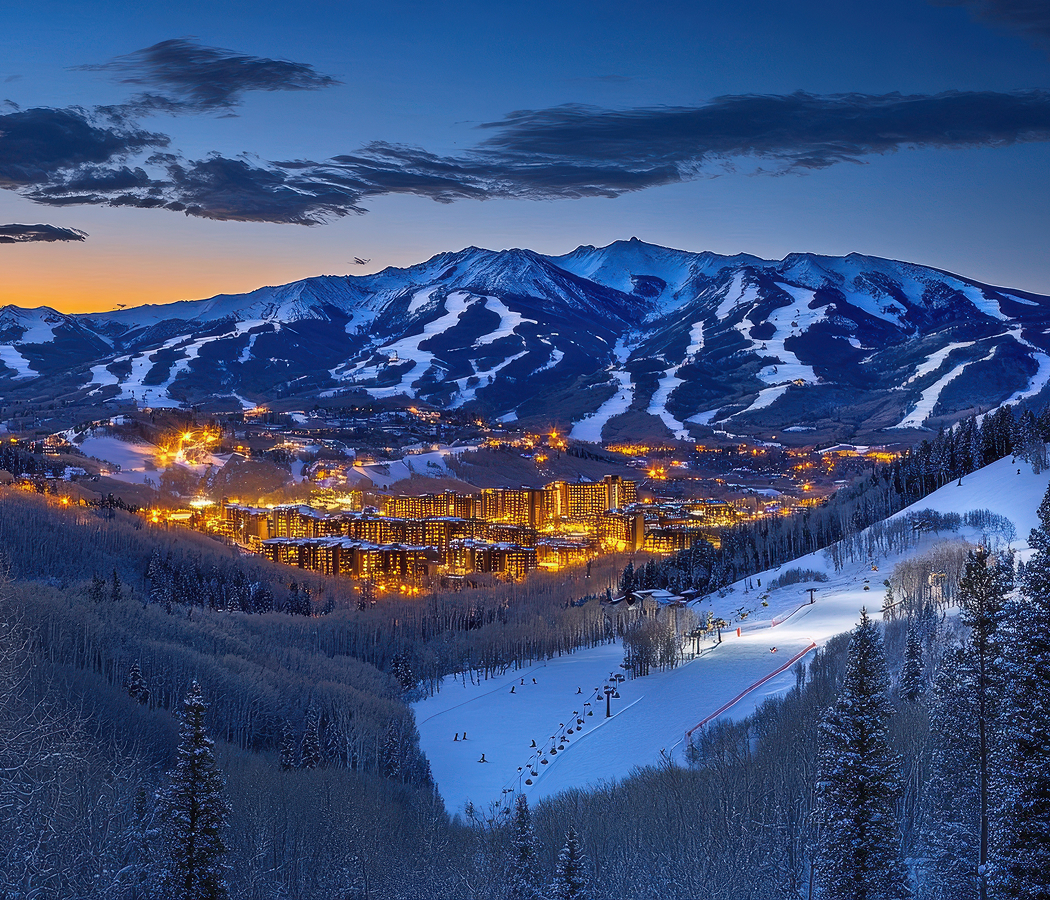
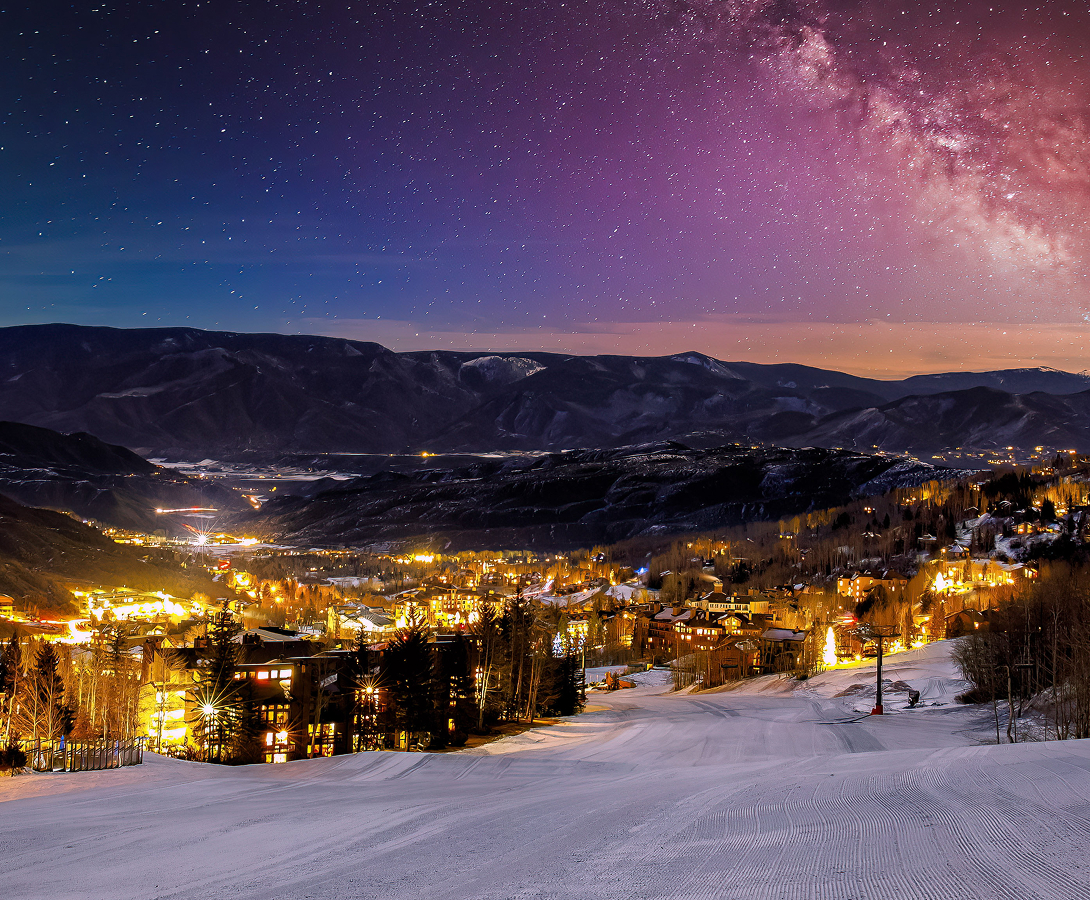
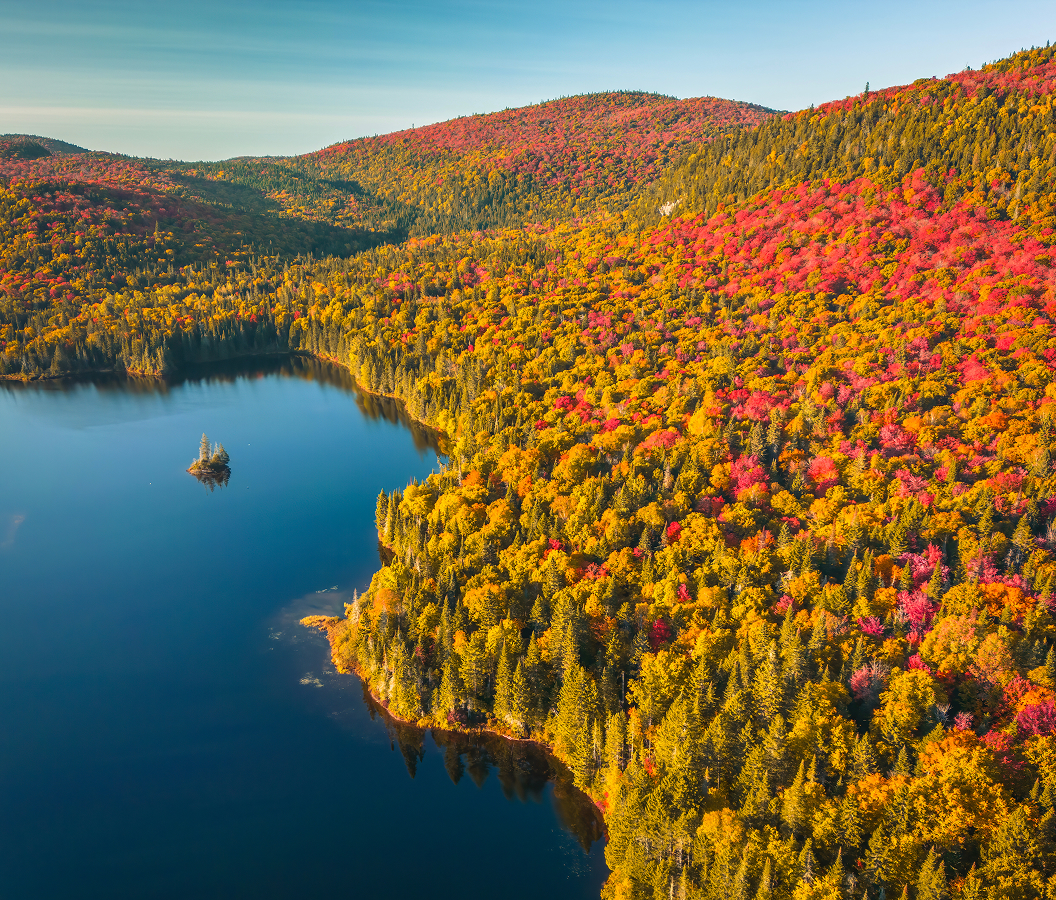
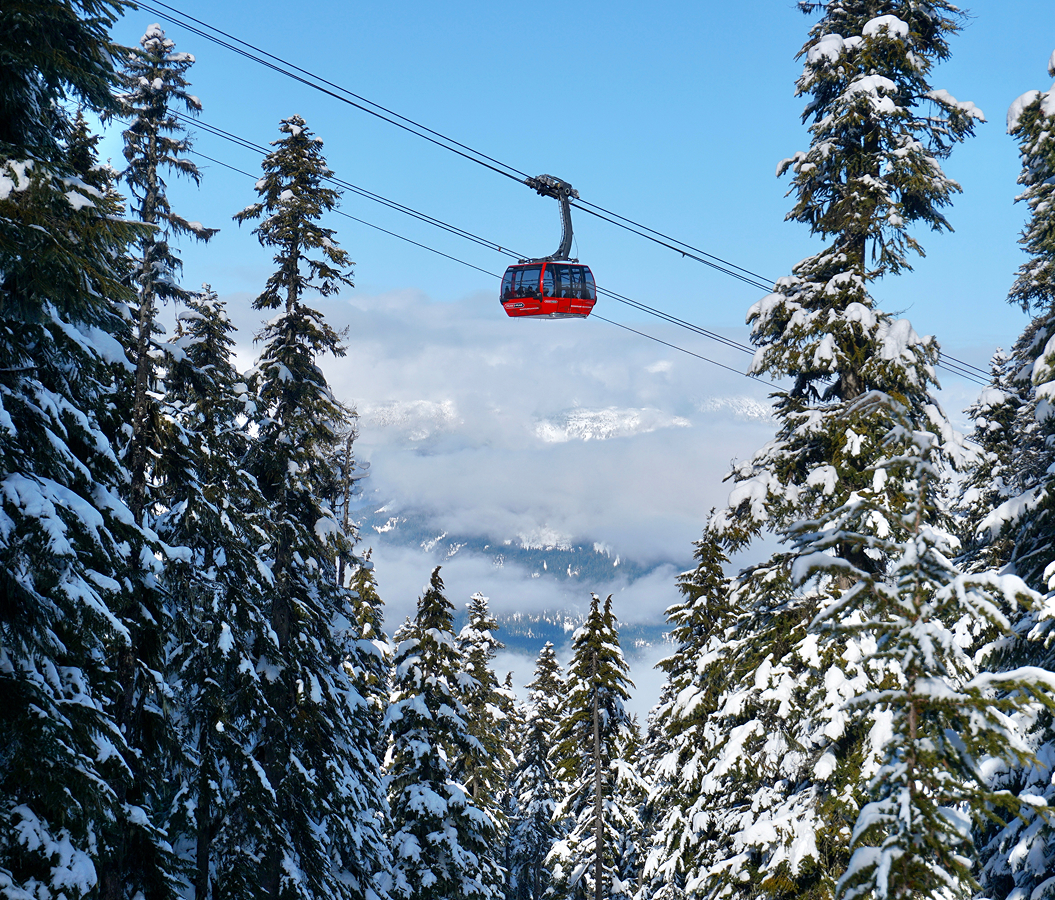
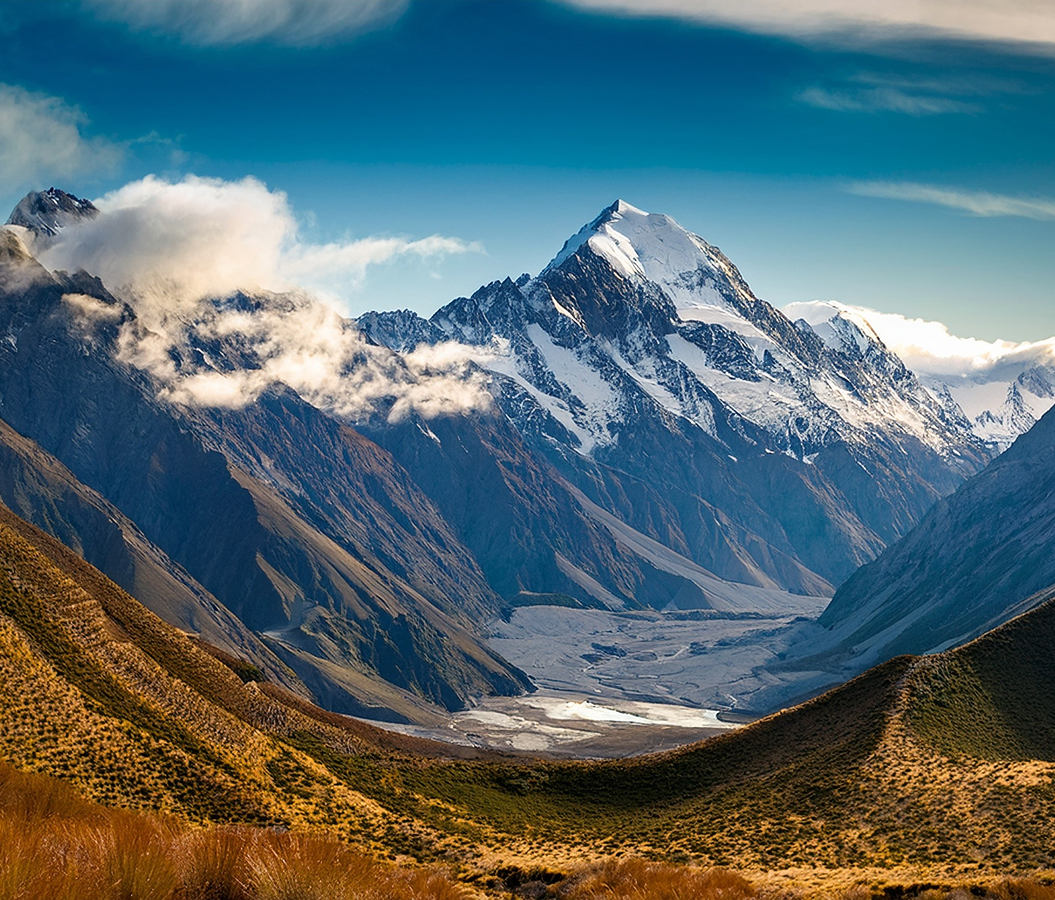
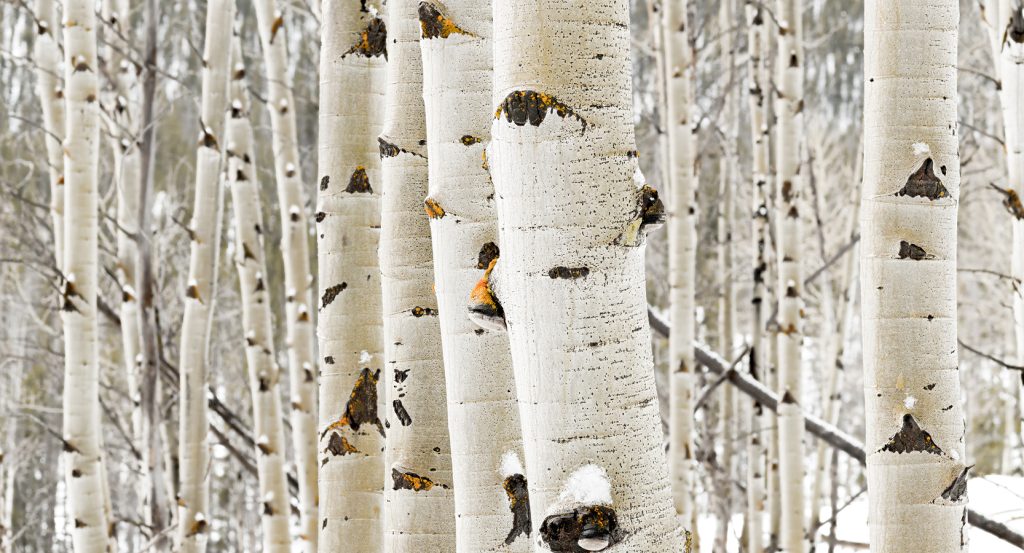
Aspen occupies a narrow mountain valley in Central Colorado, where the Roaring Fork River, densely forested slopes, and towering peaks of the Elk Mountains create an alpine setting distinguished by dramatic topography and a remarkably compact historic center. The town stands 7,900 feet above sea level, surrounded by mountains whose geological formations, glacial valleys, and extensive aspen forests define the landscape of the Upper Roaring Fork watershed. Aspen Mountain rises immediately south of downtown, reaching 11,212 feet and presenting steep ski terrain that descends directly toward the historic street grid. The mountain's proximity to the commercial center creates an unusually intimate relationship between an established nineteenth-century town and a major alpine resort. Aspen's downtown follows a regular grid of streets developed during the silver boom, with Main Street, Hyman Avenue, and Cooper Avenue forming important corridors through its commercial and residential districts. The pedestrianized portions of Hyman and Cooper contain historic brick buildings, galleries, restaurants, and shops connected by landscaped public spaces. The Wheeler Opera House occupies a prominent position at Hyman Avenue and Mill Street, preserving an ornate Victorian façade and performance hall associated with the town's mining-era prosperity. Nearby, the Hotel Jerome presents a substantial nineteenth-century brick building whose architecture recalls Aspen's early commercial ambitions. The Pitkin County Courthouse, completed in 1890, introduces another important civic landmark through its Romanesque Revival architecture and distinctive stonework. The surrounding residential neighborhoods preserve Victorian cottages, substantial historic houses, and later mountain residences, creating a varied architectural environment shaped by preservation and contemporary development. The Aspen Art Museum occupies a striking contemporary building designed by Shigeru Ban, whose woven exterior screen and open interior spaces introduce a modern architectural counterpoint to the historic downtown. East of the center, the Roaring Fork River flows through wooded corridors and residential districts, connecting the town with the broader valley extending toward Basalt and Glenwood Springs. The Rio Grande Trail follows a former railroad alignment through the Roaring Fork Valley, providing an extensive recreational corridor linking mountain communities. North of Aspen, the Red Mountain area rises above the valley through steep residential slopes offering expansive views of Aspen Mountain and the surrounding peaks. To the west, Aspen Highlands occupies a separate mountain landscape distinguished by challenging alpine terrain and the dramatic Highland Bowl, whose summit reaches 12,392 feet. Buttermilk Mountain introduces gentler slopes and extensive freestyle skiing facilities, including terrain associated with major international winter sports competitions. Farther west, Snowmass occupies a broad mountain basin containing extensive ski terrain, purpose-built resort neighborhoods, and substantial recreational infrastructure. The surrounding Elk Mountains contain some of Colorado's most celebrated alpine scenery, particularly within the Maroon Bells-Snowmass Wilderness. The Maroon Bells rise above Maroon Lake through a pair of sharply defined peaks composed of distinctive reddish sedimentary rock, creating one of the state's most recognizable mountain panoramas. The nearby Maroon Creek Valley preserves glacial landforms, alpine meadows, and dense forests of aspen and evergreen trees. Independence Pass crosses the Continental Divide east of Aspen at 12,095 feet, following a dramatic mountain road through exposed alpine terrain and the upper reaches of the Roaring Fork River. The pass connects Aspen with the Arkansas River Valley during the warmer months, traversing landscapes shaped by glaciation and high-elevation weather. The surrounding White River National Forest encompasses extensive wilderness, mountain watersheds, and recreational terrain, establishing a protected natural setting around the developed resort community. Aspen's physical distinction lies in the concentration of a preserved Victorian mining town, four major ski mountains, and exceptionally accessible alpine wilderness within a single interconnected valley.
Colorado's intellectual and artistic history acquired an influential new center in Aspen during the twentieth century, when the town's reinvention brought together European humanist philosophy, classical music, contemporary art, and the expanding culture of American alpine recreation. Walter and Elizabeth Paepcke envisioned a mountain community where physical activity, cultural participation, and serious intellectual inquiry could develop alongside one another, establishing an enduring relationship between the resort economy and institutions devoted to education and the arts. The Aspen Institute grew into an internationally prominent organization supporting leadership development, public policy discussions, and interdisciplinary exchange among figures from government, business, academia, and civil society. Its Aspen Ideas Festival brings influential speakers and audiences together for discussions spanning politics, economics, science, and contemporary social questions. The Aspen Music Festival and School developed into one of the country's leading classical music institutions, attracting professional musicians, distinguished faculty, and talented students for an extensive summer season. Its performances encompass orchestral concerts, chamber music, opera, and contemporary composition, with the Benedict Music Tent providing a major setting for large-scale musical events. The institution's educational programs have supported generations of performers, contributing to Aspen's importance within American classical music. The Aspen Center for Physics, established in 1962, introduced another significant intellectual institution by providing a collaborative environment for theoretical physicists working on fundamental scientific questions. Its presence strengthened the town's unusual concentration of cultural and academic organizations. Aspen's visual arts community developed through galleries, exhibitions, and educational initiatives, with the Aspen Art Museum presenting contemporary artists through ambitious installations and interdisciplinary programming. The Anderson Ranch Arts Center in nearby Snowmass Village contributes another important institution through workshops, artist residencies, and programs devoted to ceramics, photography, painting, sculpture, and digital media. Aspen's literary and journalistic associations include Hunter S. Thompson, whose residence in nearby Woody Creek connected the region with his distinctive approach to political reporting and countercultural writing. His unsuccessful 1970 campaign for Pitkin County sheriff became a memorable episode in the area's political and cultural history. The town also developed an influential skiing culture through the achievements of athletes, instructors, and mountain professionals who helped establish American alpine competition. The Aspen Skiing Company supported the development of advanced lift systems, ski instruction, and mountain operations, contributing to the wider evolution of North American resort skiing. Aspen's competitive sporting traditions extend to the Winter X Games, which began holding events at Buttermilk in 2002, attracting elite athletes in freestyle skiing and snowboarding. The surrounding mountains also support a substantial summer recreation community through hiking, cycling, climbing, and endurance sports, connecting the town's contemporary social life with the changing seasons of the Elk Mountains. Aspen's culinary landscape reflects both Colorado's agricultural traditions and the influence of internationally trained chefs, with regional restaurants incorporating Rocky Mountain trout, lamb, beef, mushrooms, and seasonal produce from the Roaring Fork Valley. The nearby agricultural communities of Basalt and Carbondale contribute to a regional food network supporting farmers' markets, independent producers, and contemporary mountain cuisine. Historic establishments and sophisticated dining rooms coexist within the compact downtown, reflecting the intersection of long-established local traditions and international hospitality. Aspen's most consequential contribution to American resort culture is the sustained presence of institutions devoted to music, science, public discussion, and contemporary art within a mountain community whose original prosperity came from silver and whose modern economy developed around skiing.
Five fascinations.
5. Aspen began as a silver-mining town with a different name.
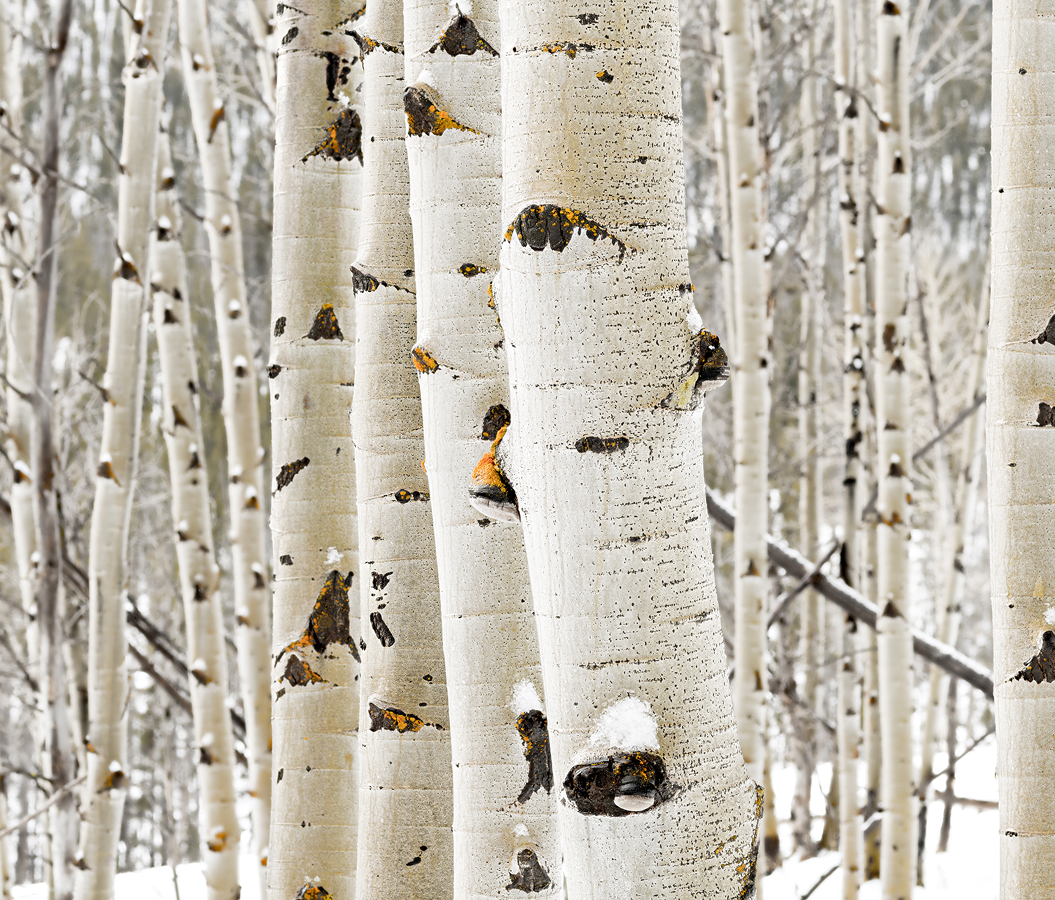
Aspen emerged during Colorado's nineteenth-century mining boom after prospectors entered the Upper Roaring Fork Valley in search of silver. The settlement was initially called Ute City before adopting the name Aspen in 1880, reflecting the trees surrounding the community. Rich silver deposits fueled rapid growth, bringing mines, railroads, elaborate buildings, and thousands of residents into the isolated mountain valley. The boom collapsed after the repeal of the Sherman Silver Purchase Act in 1893 devastated silver prices. Aspen's celebrated resort landscape rests on the physical and architectural remains of a mining economy that nearly disappeared within a generation.
4. Aspen endured decades of decline known locally as the “Quiet Years.”
After the silver crash of the 1890s, Aspen entered a prolonged period of economic contraction. Mines closed, residents departed, and a town built for a much larger population became strikingly quiet. Buildings from the boom era survived partly because there was comparatively little pressure to replace them during these decades. The period lasted into the twentieth century before skiing and cultural development created a new economic character for the community. Aspen's remarkable collection of Victorian architecture is connected to an unusual historical reversal: the collapse that impoverished the mining town also helped preserve substantial portions of the streetscape inherited by the later resort.
3. Aspen's modern ski era was shaped by a Chicago industrialist and a European ski champion.
Industrialist Walter Paepcke and his wife Elizabeth became central figures in Aspen's postwar reinvention, envisioning the former mining town as a place combining outdoor recreation with intellectual and cultural life. Skiing supplied a crucial foundation for that transformation. Austrian champion Friedl Pfeifer helped develop Aspen Mountain, and the Aspen Skiing Corporation was established in 1946. A chairlift soon carried skiers directly from town onto the mountain. Aspen developed around an unusually ambitious concept: a declining Rocky Mountain settlement could become an international destination through the deliberate combination of skiing, culture, education, and mountain landscape.
2. Aspen hosted a celebration of Goethe that helped create two major American cultural institutions.
Walter Paepcke organized the Goethe Bicentennial Convocation in Aspen in 1949, bringing prominent intellectuals, artists, musicians, and public figures to the mountain community for events marking the German writer's 200th birthday. The gathering helped establish Aspen's character as a setting for serious cultural and intellectual exchange alongside recreation. Its legacy contributed directly to the development of the Aspen Institute and the Aspen Music Festival and School. A one-time commemoration became a formative event in the town's reinvention, embedding ideas, education, and classical music into the character of a destination increasingly famous for skiing.
1. Aspen transformed an abandoned industrial site into one of America's most important contemporary art museums.
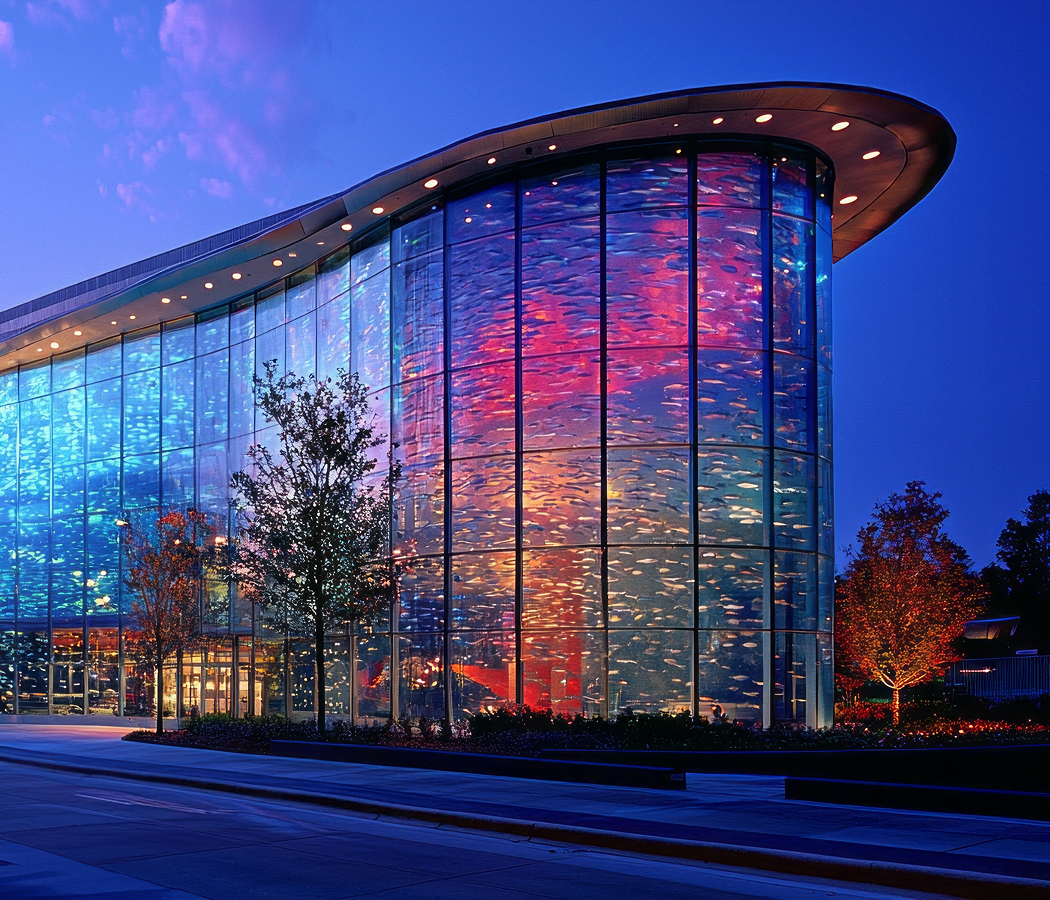
The Aspen Art Museum traces its origins to the Aspen Center for the Visual Arts, established in 1979 in a former hydroelectric plant near the Roaring Fork River. The institution later moved downtown, where Japanese architect Shigeru Ban designed its current building, completed in 2014. A woven exterior screen, rooftop public space, and expansive interior staircase give the museum a striking architectural presence within the compact city center. The evolution reflects Aspen's broader transformation across generations: infrastructure created for an extractive mountain economy ultimately gave way to institutions devoted to art, ideas, and international cultural exchange.
Where your story begins.
Foresyte Travel reveals places that feel extraordinary long before you arrive.
Enjoy editorial crafted for luxury travelers.
Foresyte may earn a commission when you book.