Fun facts about Hawaii.
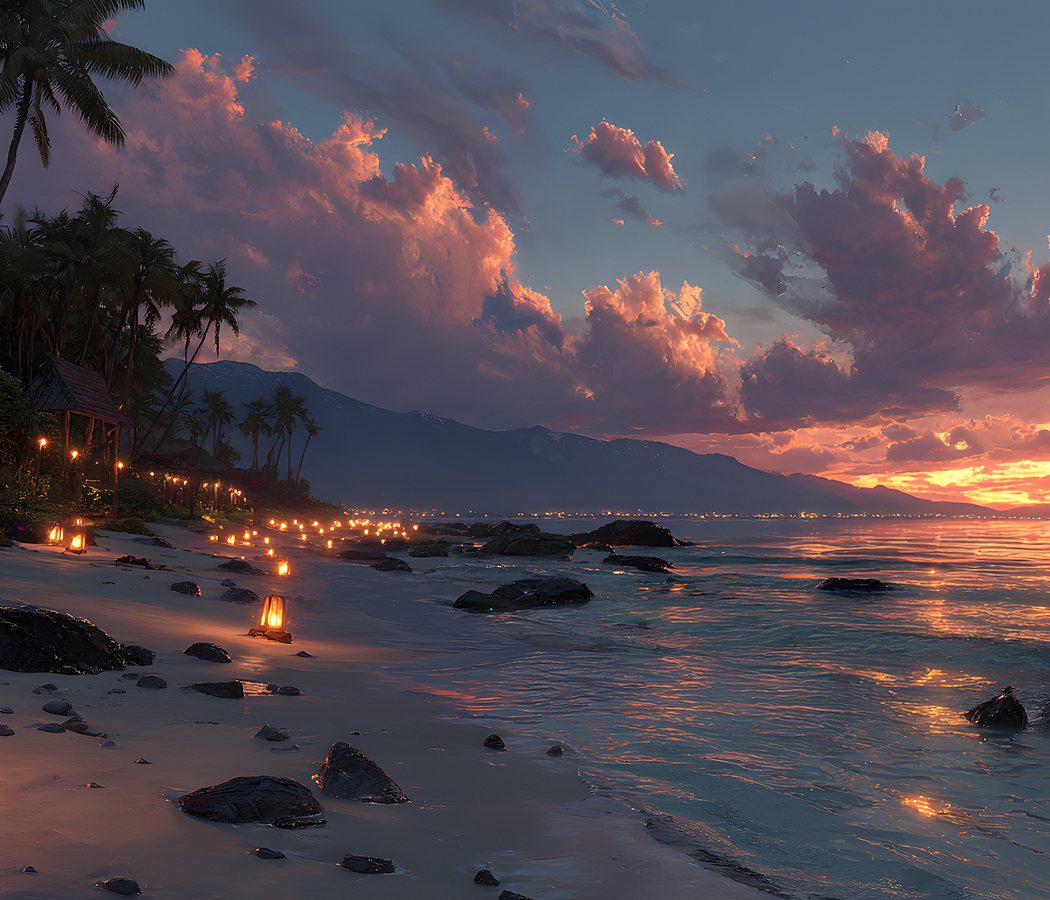
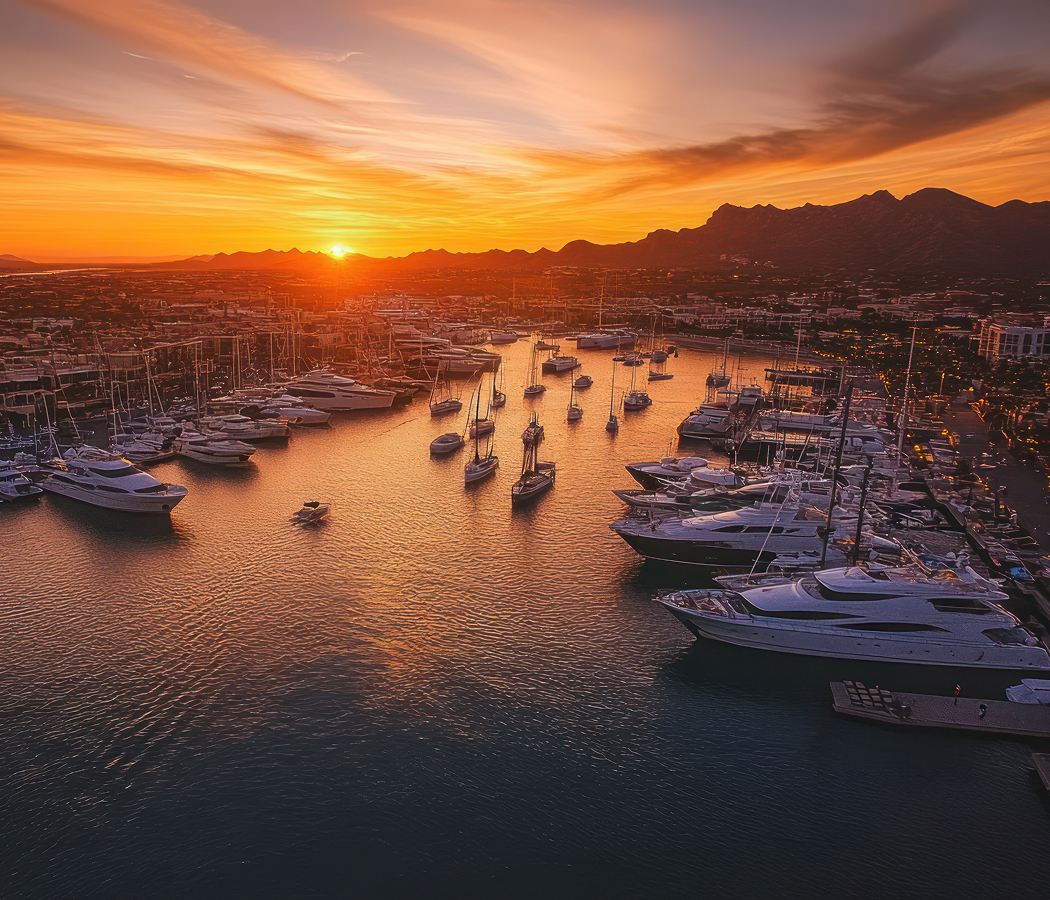
Wailea extends along Maui's southwestern shoreline beneath the broad volcanic slopes of Haleakalā, where dry coastal terrain descends toward the Pacific through lava fields, landscaped resort grounds, and a succession of sandy beaches. The area lies immediately south of Kīhei and north of Mākena, occupying a relatively sheltered section of coastline facing the neighboring islands of Kahoʻolawe and Lānaʻi. Haleakalā, the massive shield volcano that dominates eastern Maui, rises to 10,023 feet above sea level, establishing the island's principal topographic landmark. Its southwestern slopes create a rain-shadow environment characterized by abundant sunshine, relatively low rainfall, and extensive areas of dry tropical vegetation. Wailea's coastline alternates between crescent-shaped beaches, rocky headlands, and low volcanic outcrops, producing a series of protected swimming areas with expansive ocean views. Wailea Beach forms one of the destination's principal waterfront settings, bordered by landscaped resort properties and broad stretches of golden sand. The beach is associated with the Grand Wailea and Four Seasons Resort Maui at Wailea, whose grounds incorporate tropical gardens, water features, and extensive oceanfront terraces. Immediately north, Ulua Beach and Mokapu Beach provide sheltered coastal access, with offshore reef environments supporting snorkeling and marine observation. The Wailea Beach Path connects these waterfront areas through a landscaped pedestrian route extending past major resorts, public beach access points, and rocky coastal viewpoints. Its alignment provides uninterrupted opportunities to experience the relationship between resort architecture and the natural shoreline. South of Wailea Beach, Polo Beach forms another crescent-shaped waterfront area bordered by the Fairmont Kea Lani and residential resort developments. The surrounding neighborhood contains low-rise condominium communities, landscaped roadways, and recreational facilities integrated into the coastal terrain. Inland, Wailea Alanui Drive serves as the principal north-south resort corridor, connecting hotels, residential neighborhoods, commercial centers, and public beach access routes. The Shops at Wailea occupies a central landscaped retail complex containing boutiques, restaurants, galleries, and open-air pedestrian spaces. The area's architecture emphasizes low-rise resort buildings, broad terraces, shaded courtyards, and extensive tropical landscaping, with design approaches intended to preserve ocean views and accommodate the region's warm climate. Beyond the coastal hotels, the Wailea Golf Club maintains three championship courses, Gold, Emerald, and Blue, whose fairways extend across the volcanic slopes above the shoreline. The elevated terrain provides broad views toward the Pacific and neighboring islands, with course landscapes incorporating native vegetation, water features, and carefully maintained gardens. Residential districts occupy the hillsides between the golf courses and the coast, including gated communities and luxury homes oriented toward sunset views. Southward, the landscape transitions into Mākena, where development becomes less concentrated and substantial stretches of coastline retain a more rugged volcanic character. Mākena State Park protects the extensive sandy shoreline of Oneloa, commonly known as Big Beach, whose broad crescent and surrounding cinder formations distinguish it from Wailea's more sheltered resort beaches. Nearby, the Ahihi-Kinaʻu Natural Area Reserve protects a coastal lava landscape and sensitive marine habitats, including reef environments and areas of significant ecological value. Offshore waters throughout southwestern Maui support seasonal humpback whale activity, particularly during winter months when whales migrate to Hawaiian breeding and calving grounds. Wailea's physical setting brings together sheltered beaches, carefully planned resort landscapes, volcanic slopes, and marine environments within one of Hawaii's most recognizable luxury coastal destinations.
Hawaiian hospitality traditions and the natural heritage of southern Maui shape Wailea's cultural character, connecting contemporary resort experiences with the island's longstanding relationships among land, ocean, food, and community. Native Hawaiian concepts of aloha, mālama ʻāina, and kuleana emphasize care, responsibility, and reciprocal obligations toward people and place, informing contemporary efforts to preserve cultural knowledge and natural resources. The broader Maui region maintains important traditions of hula, Hawaiian-language chant, storytelling, and musical performance, with cultural practitioners sustaining knowledge passed through generations. Hula serves as a central form of historical and spiritual expression, communicating genealogies, landscapes, and ancestral narratives through movement and chant. Traditional hula kahiko employs percussion and vocal accompaniment, and later hula ʻauana incorporates musical influences associated with guitars, ʻukulele, and modern Hawaiian song. Wailea's resorts frequently host cultural programming involving lei making, traditional music, hula instruction, and Hawaiian crafts, introducing visitors to practices whose deeper significance extends beyond tourism. The area's hospitality institutions also support exhibitions, performances, and educational experiences connected to Maui's artistic communities. The annual Maui Film Festival, historically associated with outdoor screenings in Wailea, contributed to the destination's reputation for cultural events combining cinema with distinctive coastal settings. Wailea's culinary landscape reflects the agricultural resources of Maui and the wider Hawaiian Islands, with restaurants emphasizing locally harvested seafood, tropical produce, and regional ingredients. Hawaiian food traditions include preparations such as kālua puaʻa, pork traditionally cooked in an underground imu, and laulau, meat or fish wrapped in leaves and steamed until tender. Poi, prepared from cooked and pounded taro, remains a foundational food associated with Hawaiian agriculture and ceremonial life. The cultivation of kalo, or taro, carries particular cultural significance through its relationship to Hawaiian genealogy and traditional land stewardship. Contemporary Maui cuisine also reflects the influence of Japanese, Chinese, Filipino, Portuguese, and other communities whose migration shaped Hawaii's plantation-era society. Dishes such as poke, plate lunches, and locally inspired seafood preparations demonstrate the interaction of these culinary influences. Wailea's restaurants have helped establish Maui as a destination for contemporary Pacific cuisine, combining regional ingredients with international techniques and sophisticated hospitality. The surrounding agricultural districts contribute products including Maui onions, tropical fruit, coffee, and specialty crops cultivated across the island's varied elevations. The region's marine environment also supports traditions of canoeing, fishing, and ocean navigation rooted in Polynesian seafaring knowledge. Outrigger canoe paddling remains an important recreational and competitive activity throughout Hawaii, preserving techniques associated with centuries of interisland travel. Seasonal humpback whale migration has become a defining element of Maui's environmental education and marine tourism, with conservation organizations promoting responsible observation and protection of ocean habitats. The nearby Hawaiian Islands Humpback Whale National Marine Sanctuary protects important breeding and calving waters surrounding Maui and other islands. Wailea's cultural significance comes from the intersection of Hawaiian heritage, contemporary Pacific cuisine, marine conservation, and a resort environment whose appeal depends upon the preservation of Maui's coastal landscapes.
Five fascinations.
5. Wailea occupies the lava-built flank of one of Earth's largest volcanic mountains.
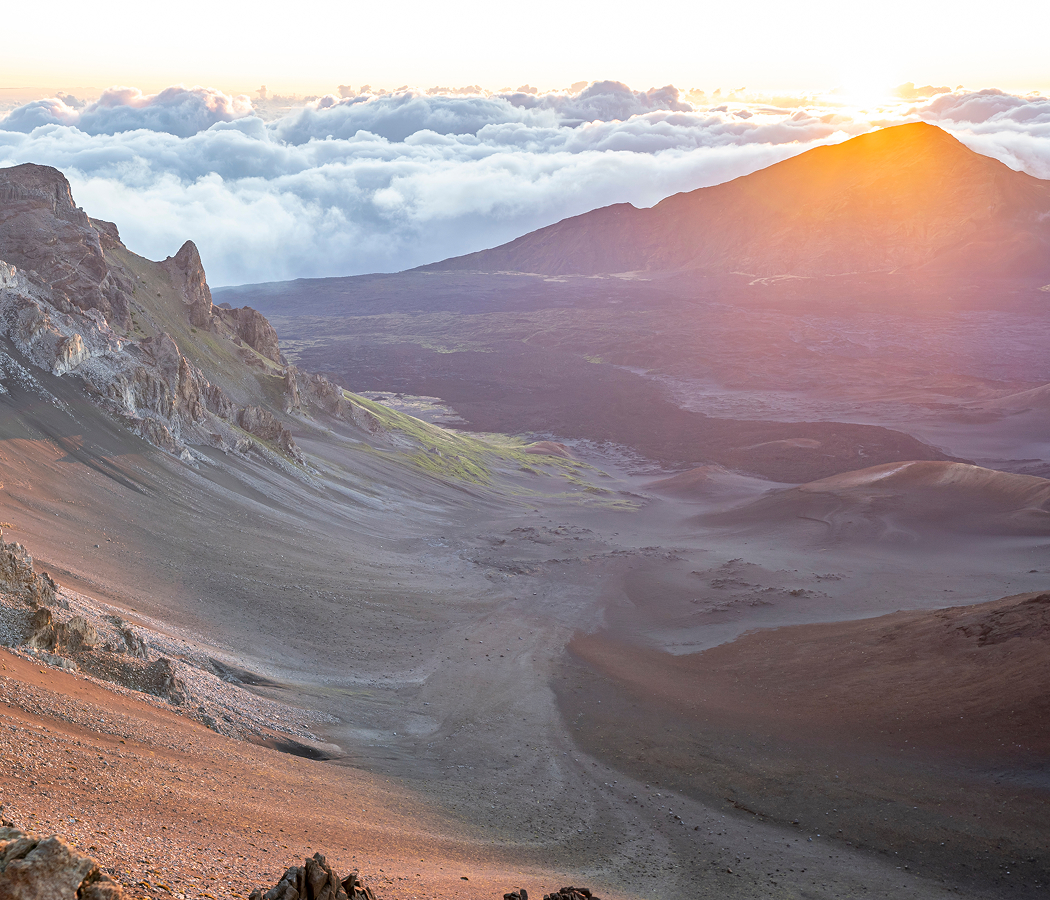
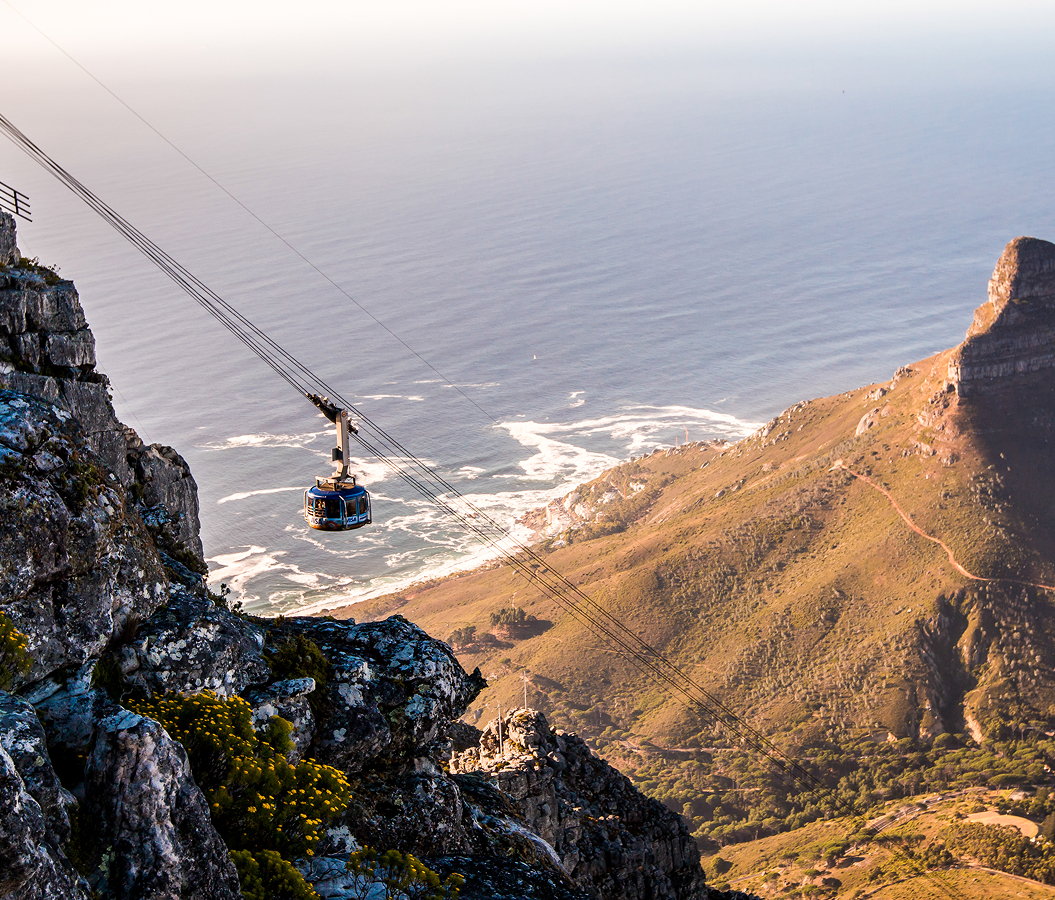
Wailea lies on the southwestern slope of Haleakalā, the enormous shield volcano responsible for forming most of eastern Maui. Successive lava flows constructed the terrain that eventually descends toward Wailea's beaches, leaving volcanic rock exposed throughout the coastline and beneath later development. Haleakalā rises more than 10,000 feet above sea level, yet much of the volcano continues far below the Pacific, making its true dimensions vastly greater than the mountain visible above water. Wailea's celebrated combination of dry climate, elevated slopes, rocky headlands, and oceanfront terrain is inseparable from the immense volcanic structure beneath South Maui.
4. Wailea was conceived as a master-planned resort community.
Modern Wailea emerged during the twentieth century through coordinated development of a large stretch of South Maui coastline. Roads, residential areas, golf courses, hotels, landscaped open spaces, and shoreline access were organized as parts of an integrated resort district. Development preserved broad ocean views while concentrating major hospitality properties along beaches including Wailea, Ulua, and Polo. This planned origin distinguishes Wailea from Hawaiian communities that gradually accumulated around historic ports, plantations, or commercial centers. Its unusually cohesive physical character, low-rise resorts, landscaped roadways, recreational infrastructure, and carefully arranged coastal development, reflects the deliberate creation of an entire destination around Maui's natural setting.
3. Wailea's shoreline preserves an ancient Hawaiian trail beneath the modern resort landscape.
The coastal corridor through Wailea forms part of a much older pattern of movement around Maui, where trails connected Hawaiian communities, fishing areas, agricultural lands, and religious sites long before modern roads existed. Sections of the broader trail system around South Maui survive amid lava fields and coastal development, preserving evidence of how people moved through the island's rugged terrain. Modern shoreline paths now connect Wailea's beaches and resorts across portions of this same coastal geography. Beneath the polished resort environment lies a transportation landscape with roots extending centuries deeper, linking contemporary pedestrian movement with Maui's long history of coastal circulation.
2. Humpback whales travel thousands of miles to the waters directly offshore from Wailea.
North Pacific humpback whales migrate from productive feeding grounds around Alaska to Hawaiʻi each winter, undertaking journeys spanning thousands of miles across the Pacific. The warm, comparatively shallow waters surrounding Maui provide important habitat for breeding, calving, and nursing, and the channels visible from South Maui become major seasonal gathering areas. Breaching, tail slaps, and blows are frequently visible from Wailea's shoreline during peak months. The phenomenon connects the resort coast with an immense oceanic migration cycle: some of the largest animals on Earth arrive offshore after crossing a substantial portion of the North Pacific.
1. Wailea's remarkably sunny climate is partly created by Haleakalā itself.
Moist trade winds approaching Maui are forced upward across the island's mountains, where rising air cools and releases substantial precipitation on windward slopes. Wailea occupies the leeward side of Haleakalā, placing South Maui within a pronounced rain-shadow environment. Air descending toward the southwestern coast becomes warmer and drier, helping produce the abundant sunshine and comparatively low rainfall that distinguish the area. The climate that made Wailea exceptionally attractive for resort development is not simply a product of tropical latitude. It is strongly shaped by volcanic topography, with Haleakalā influencing atmospheric conditions from its summit all the way to Wailea's beaches.
Where your story begins.
Foresyte Travel reveals places that feel extraordinary long before you arrive.
Enjoy editorial crafted for luxury travelers.
Foresyte may earn a commission when you book.