Fun facts about Toronto, Ontario.
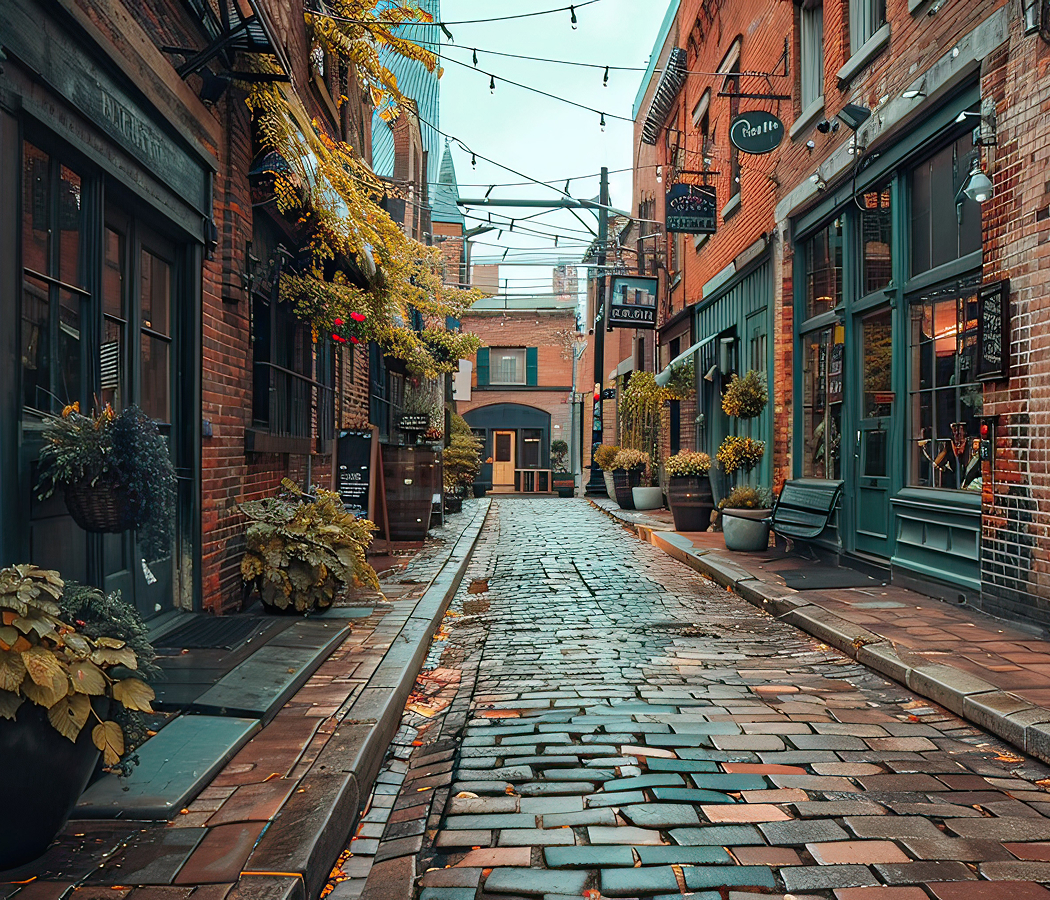
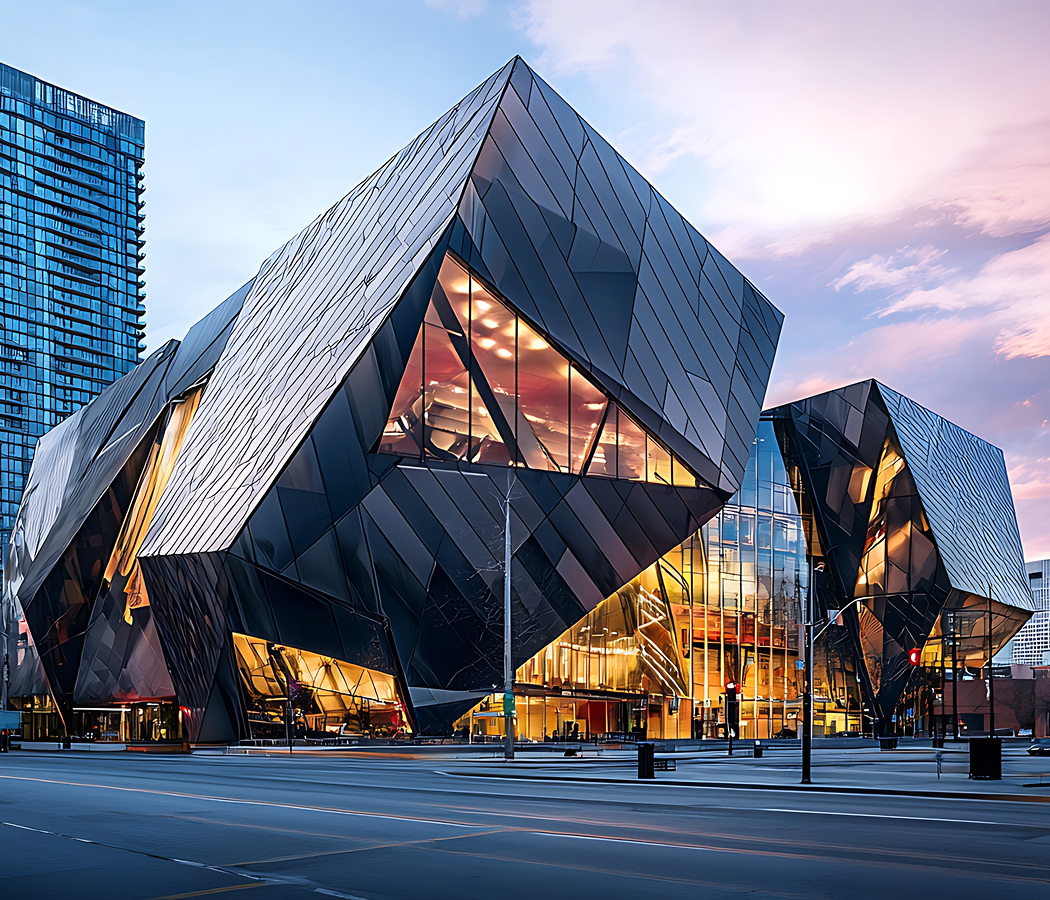
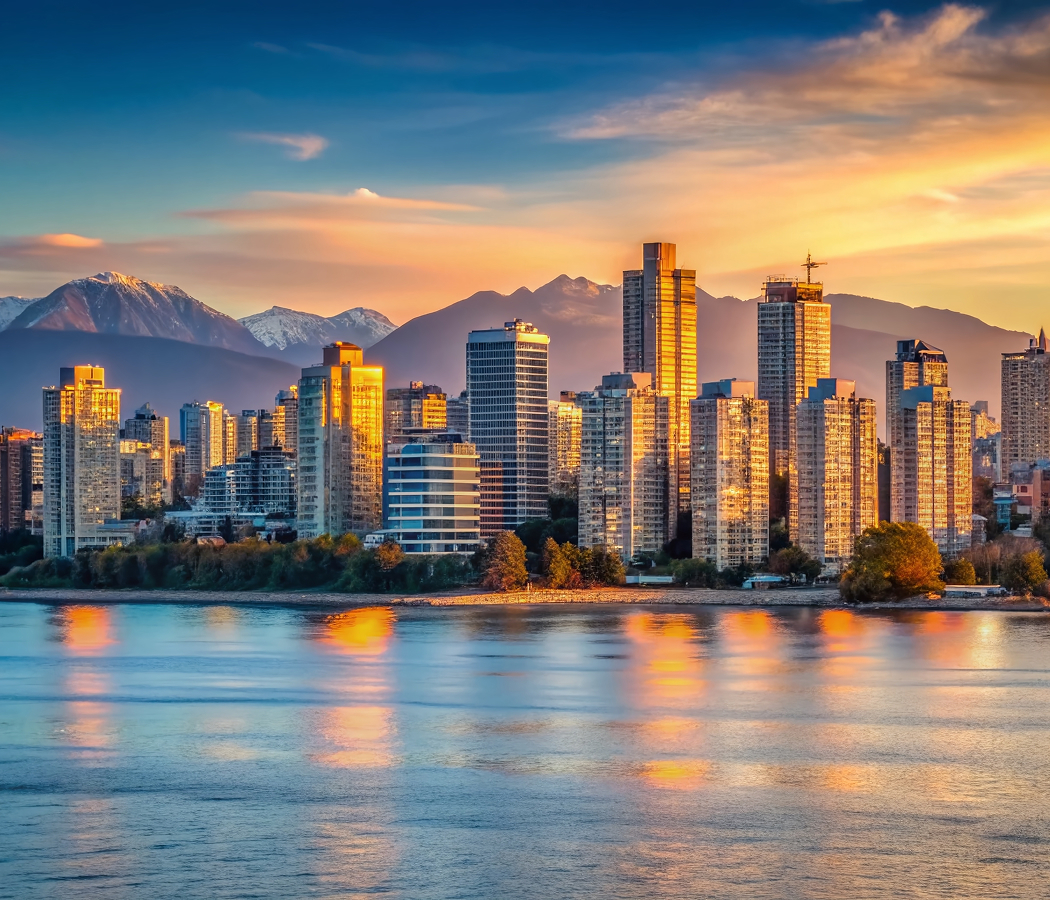
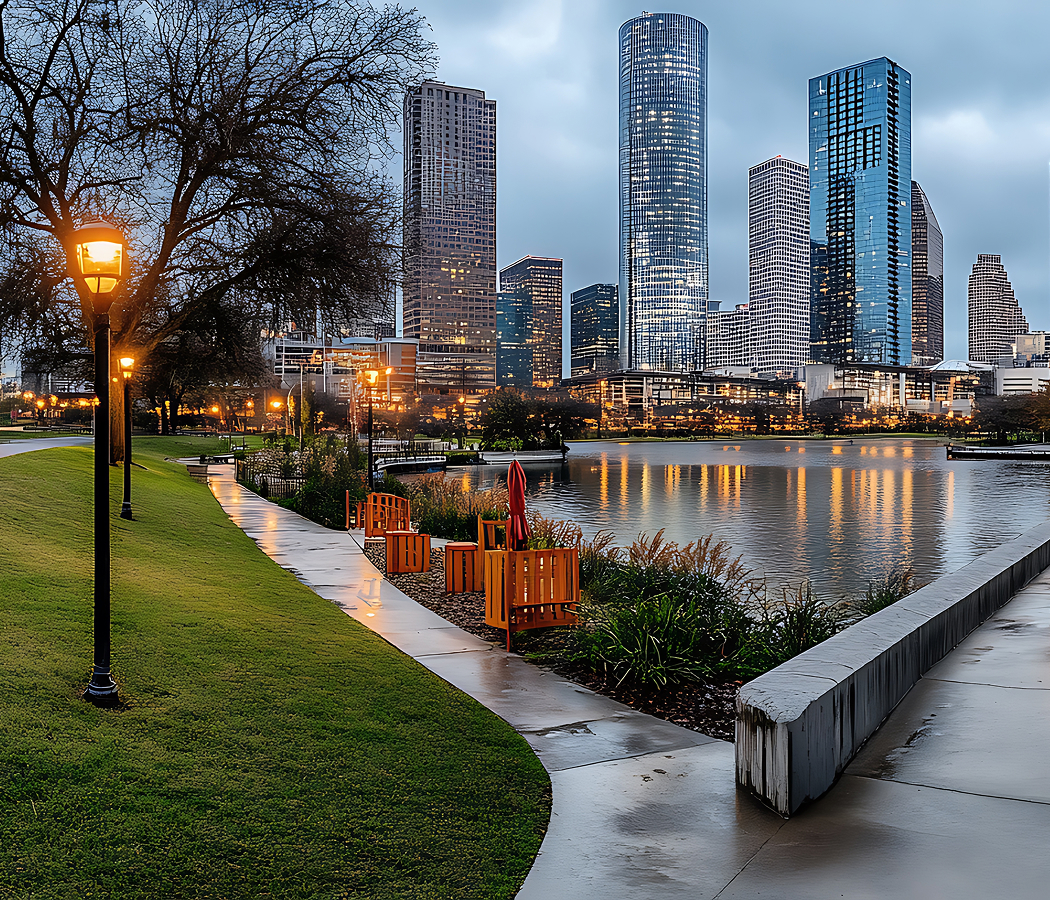
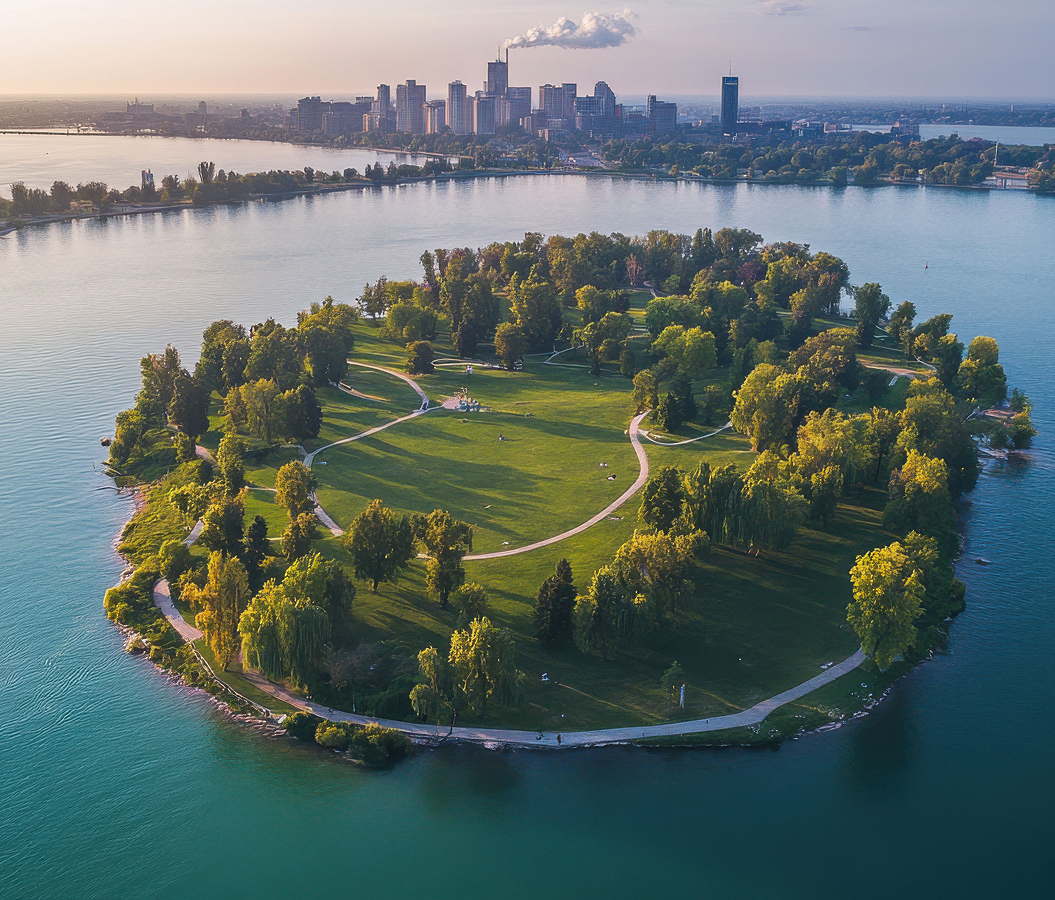
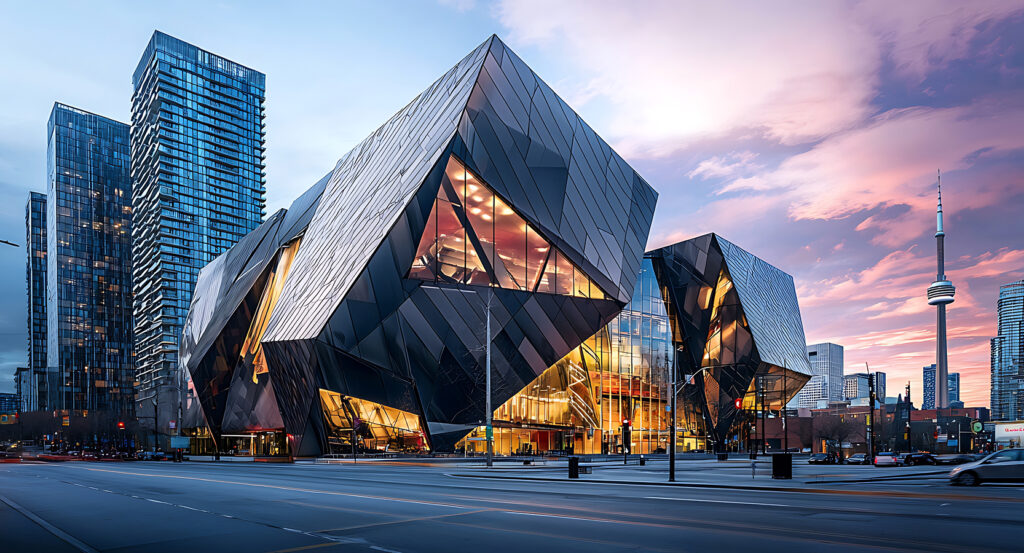
Toronto stretches along the northwestern shore of Lake Ontario, where a broad waterfront, ravine systems, expansive skyscrapers, and distinctive residential neighborhoods form an urban landscape shaped by glacial geography and successive periods of metropolitan expansion. The city occupies a gently rising plain extending northward from the lake, with its terrain divided by rivers and deep wooded valleys formed through erosion following the retreat of continental glaciers. The Don and Humber rivers establish major geographic corridors through the metropolitan landscape, connecting inland watersheds with Lake Ontario. Toronto's historic downtown developed around the original colonial street grid, with commercial and civic institutions concentrated near the harbor. The Financial District presents an imposing collection of modernist and contemporary office towers, including the Toronto-Dominion Centre, designed by Ludwig Mies van der Rohe and completed in stages beginning in 1967. Its restrained black steel and glass architecture introduced a defining example of International Style design to Canada's commercial center. Nearby, First Canadian Place rises through an expansive white-clad skyscraper that became a principal landmark of the downtown skyline. The CN Tower dominates the surrounding urban landscape through its 553-meter concrete structure, originally developed as a telecommunications tower and observation landmark. Its elevated observation levels provide expansive views across Lake Ontario, the Toronto Islands, and the metropolitan region. The neighboring Rogers Centre, opened in 1989, introduced a major stadium distinguished by its retractable roof, reflecting the city's investment in large-scale sports and entertainment infrastructure. Union Station anchors the central transportation network through an expansive Beaux-Arts building completed in 1927, connecting regional rail services with the wider metropolitan transit system. Eastward, the St. Lawrence Market district preserves an important commercial environment associated with Toronto's early development, including historic market buildings and carefully restored nineteenth-century streetscapes. The nearby Distillery District occupies the former Gooderham and Worts industrial complex, where Victorian-era brick warehouses, cobblestone lanes, and preserved manufacturing structures create one of North America's notable industrial heritage environments. North of downtown, Old City Hall presents an imposing Romanesque Revival building designed by Edward James Lennox, distinguished by its clock tower and elaborate stonework. Across Nathan Phillips Square, Toronto City Hall introduces a contrasting modernist composition through two curved office towers surrounding a circular council chamber. The University of Toronto occupies an extensive campus west of Queen's Park, with Gothic Revival collegiate buildings, landscaped quadrangles, and contemporary academic facilities reflecting successive periods of institutional development. The Royal Ontario Museum contributes another distinctive landmark through the Michael Lee-Chin Crystal, designed by Daniel Libeskind, whose angular glass and aluminum forms intersect with the museum's historic masonry building. Toronto's residential neighborhoods preserve substantial architectural variety, particularly through the Victorian and Edwardian houses of Cabbagetown, the commercial streets of Kensington Market, and the established residential districts of the Annex and Rosedale. The city's extensive ravine network introduces a remarkable natural landscape within the metropolitan fabric, with wooded valleys and parkland corridors extending through residential neighborhoods toward the waterfront. High Park preserves substantial green space west of downtown, including naturalized woodlands, recreational grounds, and ornamental gardens. Along the lake, the Toronto Islands form a sheltered archipelago of parklands, beaches, and small residential communities separated from downtown by the inner harbor. The waterfront has undergone extensive redevelopment through projects including Harbourfront Centre and the revitalization of former industrial lands. Toronto's architectural distinction arises from the relationship between its Great Lakes geography, preserved nineteenth-century neighborhoods, expansive commercial skyline, and extensive natural corridors that remain embedded within the urban landscape.
Canadian cultural life finds one of its most internationally connected expressions in Toronto, where immigrant communities, literary institutions, contemporary music, film, theater, and diverse culinary traditions have developed through the city's position as the country's principal metropolitan center. Toronto's cultural character reflects successive waves of migration that introduced languages, religious practices, artistic traditions, and social institutions from across the world. Neighborhoods including Chinatown, Little Italy, Greektown, Little Portugal, and Little India preserve important elements of these communities through commercial streets, restaurants, festivals, and cultural organizations. The city's Caribbean population contributed profoundly to its contemporary cultural environment, particularly through the development of the Toronto Caribbean Carnival, established in 1967 and widely associated with Caribbean music, costume design, dance, and public celebration. Toronto's literary traditions include internationally influential writers whose work explores immigration, identity, historical memory, and urban life. Margaret Atwood developed a substantial body of fiction, poetry, and criticism associated with Canadian literary modernity, including The Handmaid's Tale, whose themes of political authority and personal freedom achieved international prominence. Michael Ondaatje contributed another distinctive literary voice through novels including In the Skin of a Lion, which explores the experiences of immigrant laborers involved in Toronto's early twentieth-century development. Dionne Brand's poetry and fiction examine race, migration, belonging, and the social geography of the modern city. Toronto's visual arts institutions include the Art Gallery of Ontario, whose collections encompass Canadian, Indigenous, European, and contemporary art. The museum's expansion by architect Frank Gehry introduced a sculptural glass façade and extensive gallery spaces that strengthened its architectural presence. The Aga Khan Museum contributes another major institution through collections devoted to Islamic art and cultural traditions, housed in a contemporary building designed by Fumihiko Maki. Toronto's performing arts environment includes the Canadian Opera Company, National Ballet of Canada, and major theater companies presenting classical and contemporary productions. The city's theater district supports an extensive commercial performance industry, with venues including the Royal Alexandra Theatre and Princess of Wales Theatre contributing to its international reputation. The Toronto International Film Festival, established in 1976, developed into one of the world's most influential film events, attracting filmmakers, performers, and audiences through screenings and industry programs. Toronto's music scene encompasses jazz, rock, hip-hop, electronic music, and independent production, reflecting the influence of Caribbean, African American, and international musical traditions. Artists including Drake and The Weeknd contributed to the city's prominence within contemporary popular music, developing internationally influential sounds through R&B, hip-hop, and atmospheric electronic production. Toronto's culinary landscape reflects its diverse population through an extensive concentration of regional and international cooking traditions. Cantonese dim sum, Indian and Pakistani cuisine, Caribbean specialties, Italian cooking, Middle Eastern dishes, and Ethiopian food form integral parts of the city's restaurant culture. The peameal bacon sandwich, traditionally associated with St. Lawrence Market, preserves a distinctive local specialty rooted in Toronto's historical meat-processing industry. Contemporary chefs have also developed influential approaches to Canadian cuisine through seasonal ingredients, regional agriculture, and the reinterpretation of immigrant food traditions. Toronto's cultural significance lies in the interaction between global migration, artistic innovation, major cultural institutions, and the neighborhood communities that have transformed Canada's largest city into an influential center of contemporary urban culture.
Five fascinations.
5. Toronto's name predates the city by centuries.
The name Toronto reaches far deeper into regional history than the modern metropolis. It derives from an Indigenous term associated with the area and appeared on maps long before the British colonial settlement of York was established in 1793. The growing community officially adopted Toronto as its name when it incorporated as a city in 1834. The change restored a name with roots in the Indigenous geography of the Great Lakes region and replaced one imported from England. One of North America's most recognizable city names carries a linguistic history extending well beyond the urban center that eventually inherited it.
4. Toronto's PATH created an enormous second pedestrian network beneath downtown.
Beneath Central Toronto, passageways connect office towers, transit stations, hotels, retail complexes, and major civic destinations across an extensive climate-controlled network. PATH developed incrementally as individual underground connections expanded into a larger system, allowing pedestrians to move across substantial portions of downtown while avoiding winter weather and surface traffic. Its corridors contain shops, restaurants, services, and entrances to buildings above, effectively creating another commercial layer beneath the conventional street grid. Toronto's dense downtown operates on multiple levels, with an extraordinary portion of everyday pedestrian circulation occurring through spaces largely invisible from the streets overhead.
3. Toronto's Distillery District preserves an industrial complex that once dominated Canadian whisky production.
Gooderham and Worts developed an enormous distilling operation beside Toronto's waterfront during the nineteenth century, expanding from a small windmill-based enterprise into one of the largest distilleries in the world. Brick warehouses, processing buildings, and industrial structures accumulated into a remarkably cohesive Victorian complex. Distilling eventually ceased, but the surviving architecture found a new life as the Distillery Historic District, filled with cultural venues, restaurants, shops, and public spaces. A neighborhood now associated with pedestrian streets and preserved architecture originated as a major industrial engine during Toronto's nineteenth-century transformation.
2. Toronto created new land in Lake Ontario and built an airport on part of it.
Toronto's present waterfront differs dramatically from its nineteenth-century shoreline. Successive harbor projects, landfill operations, industrial expansion, and infrastructure construction pushed substantial sections of the city southward into Lake Ontario. The Toronto Islands themselves originated from a peninsula that storms severed from the mainland during the nineteenth century, and later engineering continued reshaping the surrounding harbor. Billy Bishop Toronto City Airport eventually opened on the islands in 1939. Parts of contemporary Toronto occupy terrain produced or radically altered through human intervention, making the waterfront a physical record of nearly two centuries of urban expansion.
1. The CN Tower was built partly to solve a communications problem created by Toronto's own skyscrapers.
Toronto's rapid high-rise development during the 1960s and 1970s began interfering with broadcast signals across the growing city. Canadian National responded with a communications tower tall enough to rise decisively above the expanding skyline. Completed in 1976, the CN Tower reached 553.3 meters and became the world's tallest freestanding structure, a record it retained for more than three decades. Its immense concrete shaft was constructed using a continuously rising slipform system before antennas and observation facilities completed the structure. A practical response to urban growth ultimately produced the architectural symbol most closely associated with Toronto.
Where your story begins.
Foresyte Travel reveals places that feel extraordinary long before you arrive.
Enjoy editorial crafted for luxury travelers.
Foresyte may earn a commission when you book.