Fun facts about Iceland.
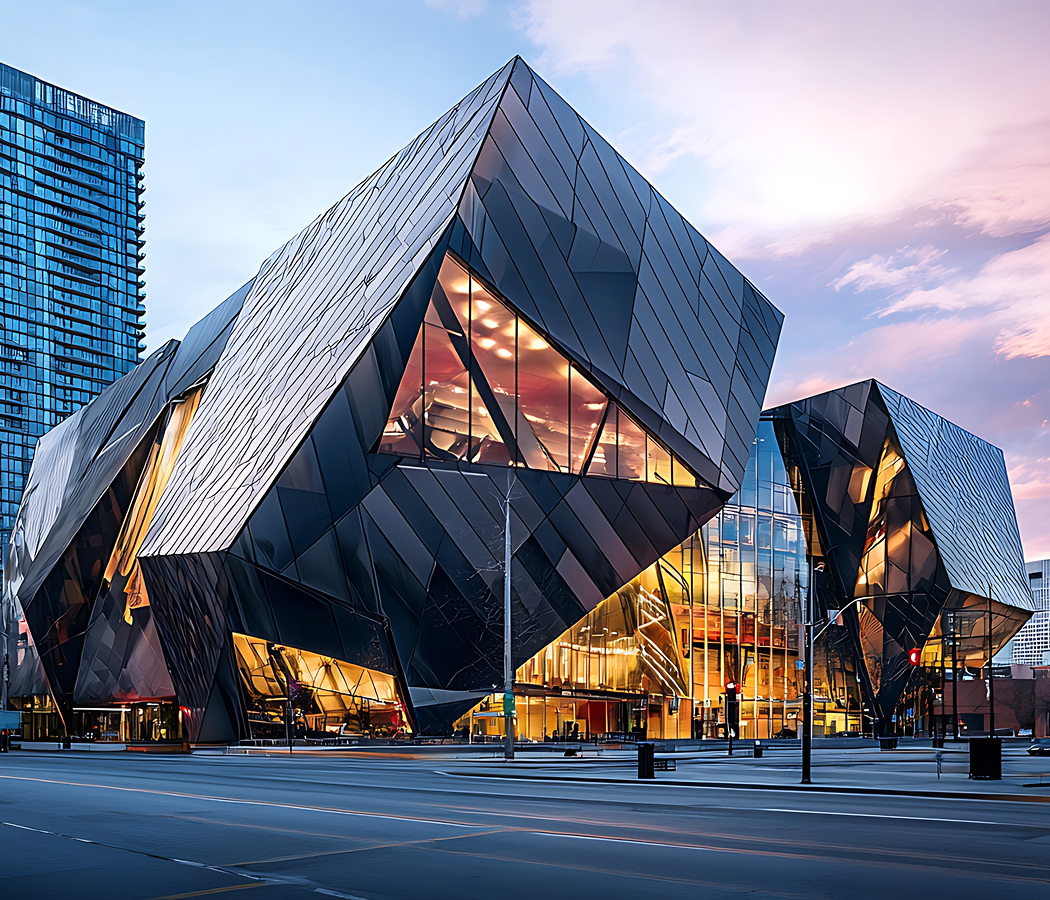
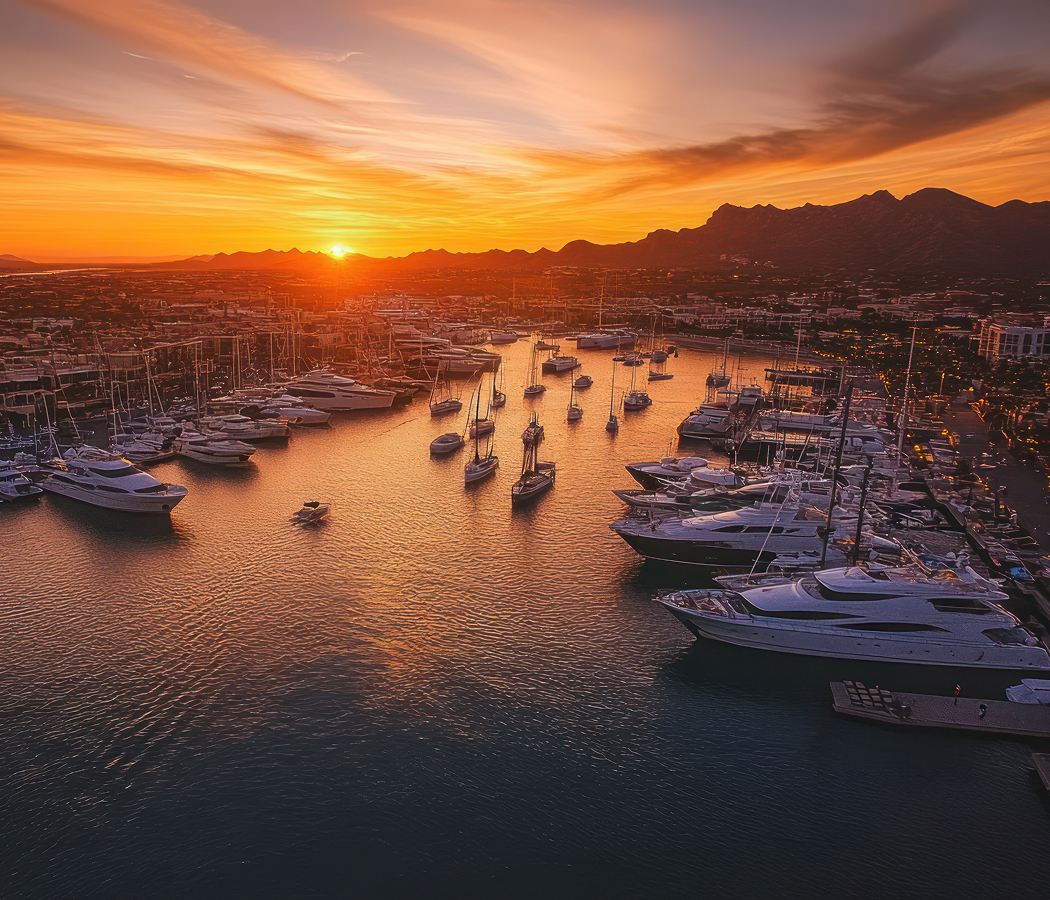
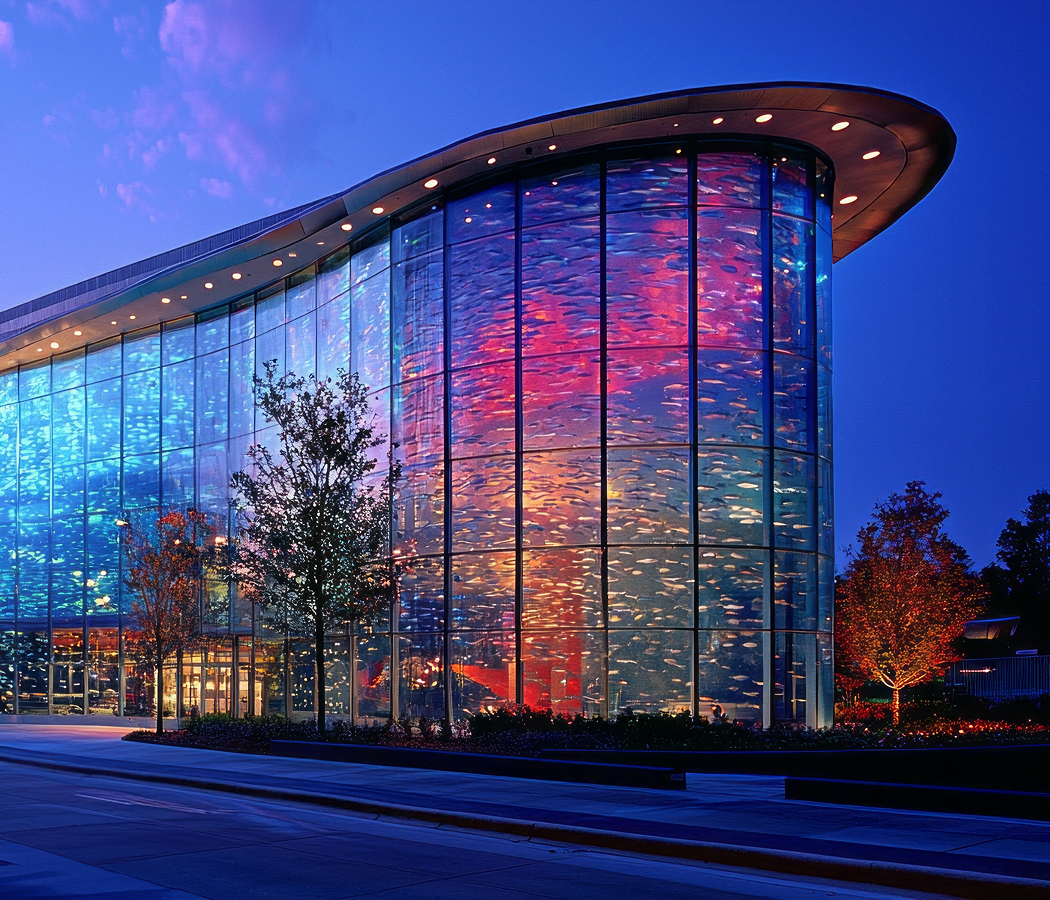
Reykjavík extends along the southern shore of Faxaflói Bay, where a low coastal peninsula, sheltered harbors, volcanic terrain, and distant mountain ranges create a compact urban landscape defined by the meeting of the North Atlantic and Iceland's geologically active interior. The city occupies the southwestern corner of Iceland, with its historic center concentrated around the old harbor, Tjörnin pond, and the elevated streets surrounding Skólavörðuholt. Its underlying landscape reflects the volcanic processes of the Mid-Atlantic Ridge, whose tectonic activity has produced extensive lava fields, geothermal systems, and distinctive geological formations across the region. Reykjavík's historic harbor developed as the principal connection between the capital and Iceland's maritime economy, with fishing vessels, warehouses, and commercial buildings occupying the waterfront. The Old Harbour district preserves elements of this industrial inheritance through converted buildings, maritime businesses, and cultural institutions overlooking the sheltered basin. Nearby, Harpa Concert Hall and Conference Centre introduces one of the city's most distinctive contemporary landmarks through its geometric glass façade, developed by Henning Larsen Architects in collaboration with artist Olafur Eliasson. Completed in 2011, the building incorporates an intricate modular structure inspired by Icelandic basalt formations, creating changing patterns of light across the waterfront. Eastward, the central shopping streets of Laugavegur and Skólavörðustígur extend through a compact district of colorful houses, small commercial buildings, cafés, and contemporary architecture. Hallgrímskirkja rises above this neighborhood through an expansive Expressionist church designed by Guðjón Samúelsson, whose stepped concrete exterior evokes the vertical forms of Icelandic columnar basalt. Its tower establishes the principal vertical landmark of the city, with views extending across the harbor, residential districts, and surrounding mountains. The church's construction began in 1945 and continued for several decades before its completion in 1986. Below the central streets, Tjörnin forms a shallow urban lake surrounded by landscaped paths, civic buildings, and historic residences. Reykjavík City Hall occupies part of its northern waterfront, integrating contemporary architecture with the surrounding public landscape. Nearby, Alþingishúsið, the Icelandic parliament building completed in 1881, presents a restrained structure of dressed dolerite stone overlooking Austurvöllur square. The adjacent Reykjavík Cathedral preserves an important landmark of the city's religious and civic development through its modest Neoclassical architecture. Farther west, the National Museum of Iceland and the University of Iceland occupy an institutional district associated with the country's historical scholarship and higher education. The city's residential neighborhoods introduce a varied architectural environment of timber houses clad in corrugated metal, modern apartment buildings, and low-rise suburban development adapted to the North Atlantic climate. The widespread use of corrugated iron reflects the material's durability and practicality in a landscape exposed to strong winds and maritime weather. Along the northern shoreline, the Sun Voyager sculpture by Jón Gunnar Árnason presents a skeletal stainless-steel form overlooking Faxaflói, with Mount Esja rising across the water. The mountain's broad ridgeline forms a defining natural backdrop to Reykjavík, particularly during winter when snow accentuates its layered geological structure. Southeast of the center, Perlan occupies the summit of Öskjuhlíð, where former geothermal hot-water storage tanks support a distinctive glass-domed structure overlooking the city. The surrounding wooded hill introduces walking paths and recreational landscapes within the metropolitan area. Reykjavík's extensive geothermal infrastructure provides district heating to homes and public buildings, connecting everyday urban life with the volcanic systems beneath southwestern Iceland. The city's physical distinction arises from the close relationship between its maritime setting, volcanic geology, restrained northern architecture, and modern infrastructure developed around the practical use of geothermal energy.
Five fascinations.
5. Reykjavík heats most of its buildings with naturally hot water from beneath the ground.
Iceland's volcanic geology gives Reykjavík access to abundant geothermal energy, fundamentally shaping the city's infrastructure. Hot water drawn from geothermal fields is distributed through an extensive district-heating network that supplies homes and other buildings across the capital region. Reykjavík began developing geothermal heating at significant scale during the twentieth century, progressively replacing coal and other imported fuels. The same resource supports swimming pools and other municipal facilities. A geological phenomenon associated with Iceland's volcanoes became part of ordinary urban life, allowing Reykjavík to build one of the world's most distinctive geothermal heating systems.
4. Reykjavík has a beach where geothermal water makes swimming in the North Atlantic more inviting.
Nauthólsvík Geothermal Beach transformed a section of Reykjavík's coastline into an unusual recreational landscape by combining seawater with geothermal heating. Development of the beach created a sheltered lagoon where naturally cold North Atlantic water receives an influx of hot geothermal water, raising temperatures around the bathing area. Hot tubs and other facilities extend the experience onto shore. The project connects two forces that define Iceland: frigid ocean water and intense geothermal activity beneath the island. Reykjavík effectively turned that contrast into public infrastructure, creating a beach culture in a subarctic capital where conventional sea bathing would otherwise offer a dramatically colder experience.
3. Hallgrímskirkja was designed to evoke the basalt formations of Iceland's volcanic landscape.
Architect Guðjón Samúelsson designed Reykjavík's expansive Lutheran church with a façade that rises in stepped vertical forms around its central tower. The composition is commonly associated with Iceland's basalt columns, mountains, and other geological formations produced by volcanic activity. Construction began in 1945 and continued for decades before the church was completed in 1986. Its 74-meter tower became one of Reykjavík's dominant landmarks, visible across much of the relatively low-rise city. Hallgrímskirkja transformed forms associated with Iceland's natural geology into expansive architecture at the center of the national capital.
2. Reykjavík preserves the remains of a Viking Age building beneath its modern streets.
Archaeological remains beneath Central Reykjavík include a longhouse dating to the settlement era around the tenth century. The structure was discovered during excavation near Aðalstræti, within the area associated with the city's earliest habitation. Its surviving foundations now form the centerpiece of the Settlement Exhibition, positioned below contemporary street level near the location where they were uncovered. The remains connect modern Reykjavík directly with the period when Norse settlers established communities in Iceland. Beneath the compact contemporary capital survives physical evidence of habitation reaching back a millennium to the island's formative settlement period.
1. Reykjavík's name describes the steam its first Norse settlers saw rising from the landscape.
According to Iceland's settlement tradition, Ingólfur Arnarson established his farm in the Reykjavík area during the ninth century. The name Reykjavík means “smoky bay” or “bay of smoke,” referring to the steam rising from geothermal activity that early settlers could observe around the landscape. What appeared like smoke became the name of the settlement that eventually developed into Iceland's capital and largest city. The name remains unusually appropriate more than a thousand years later: geothermal heat still shapes Reykjavík's buildings, pools, infrastructure, and everyday life, linking the modern city directly to the natural phenomenon that inspired its identity.
Where your story begins.
Foresyte Travel reveals places that feel extraordinary long before you arrive.
Enjoy editorial crafted for luxury travelers.