Fun facts about Hawaii.
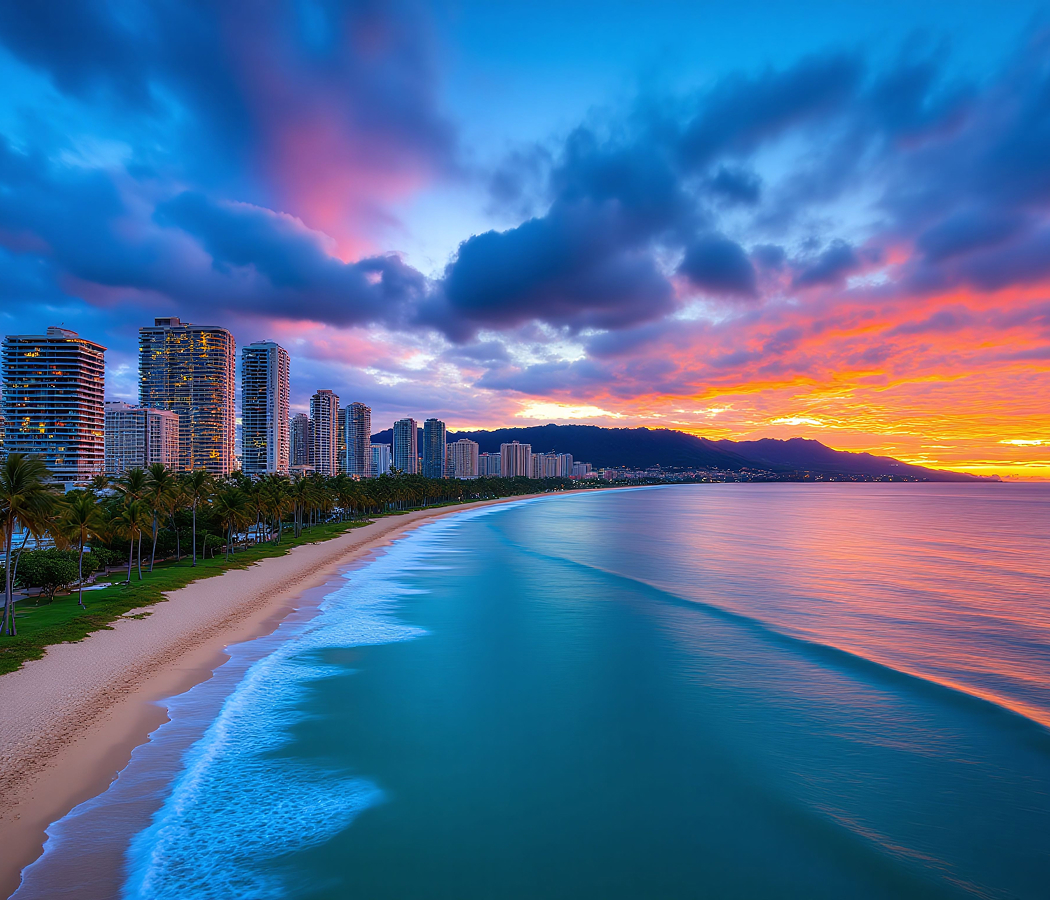
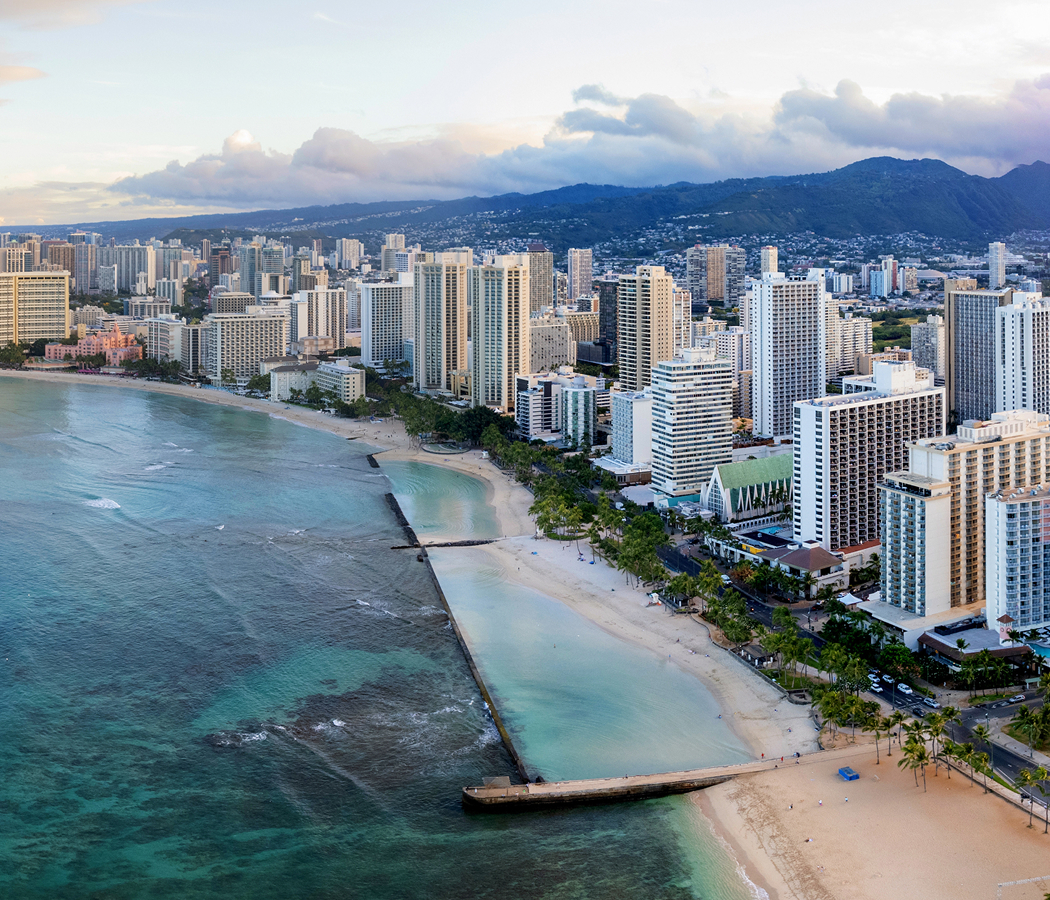
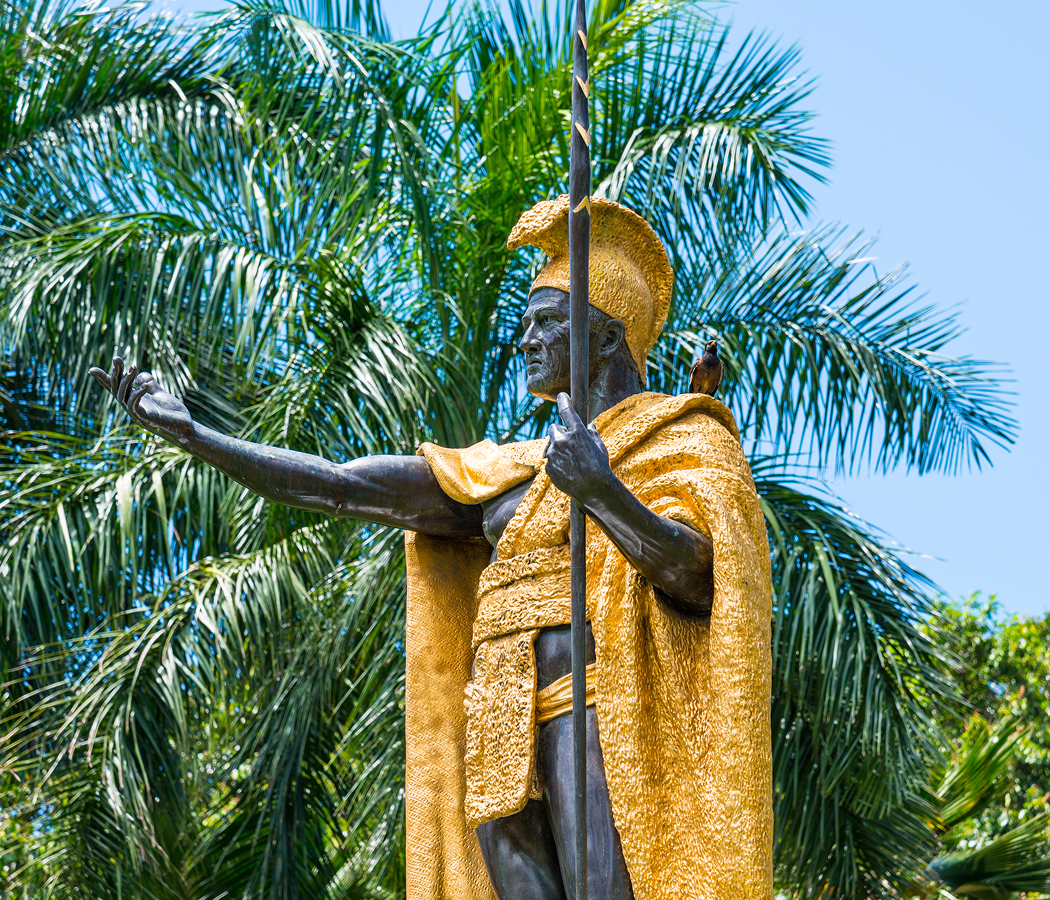
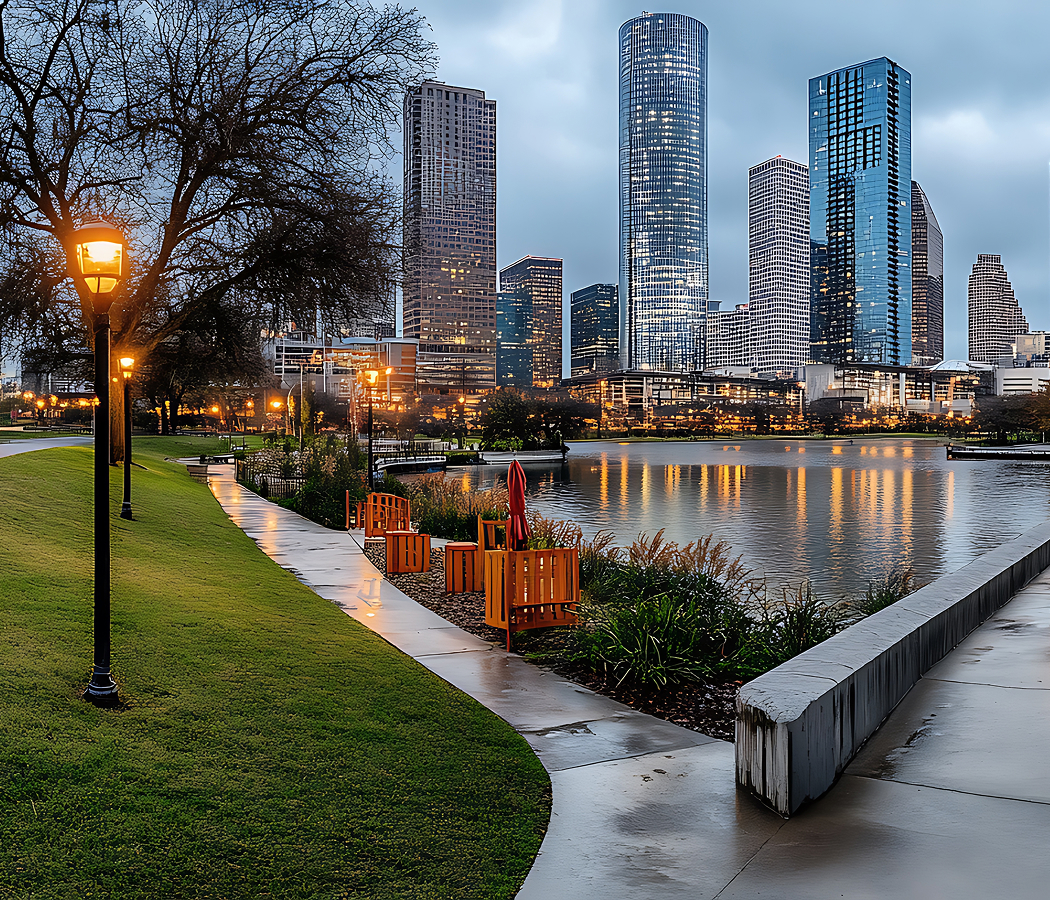
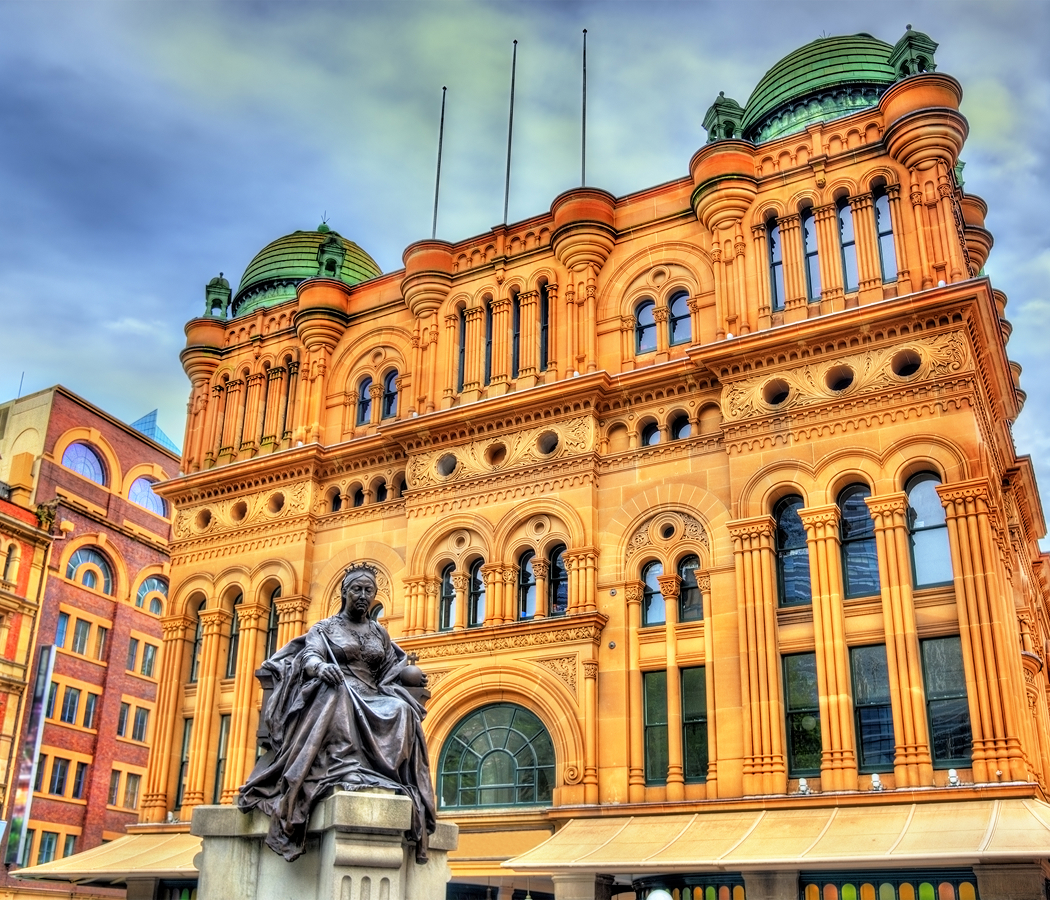
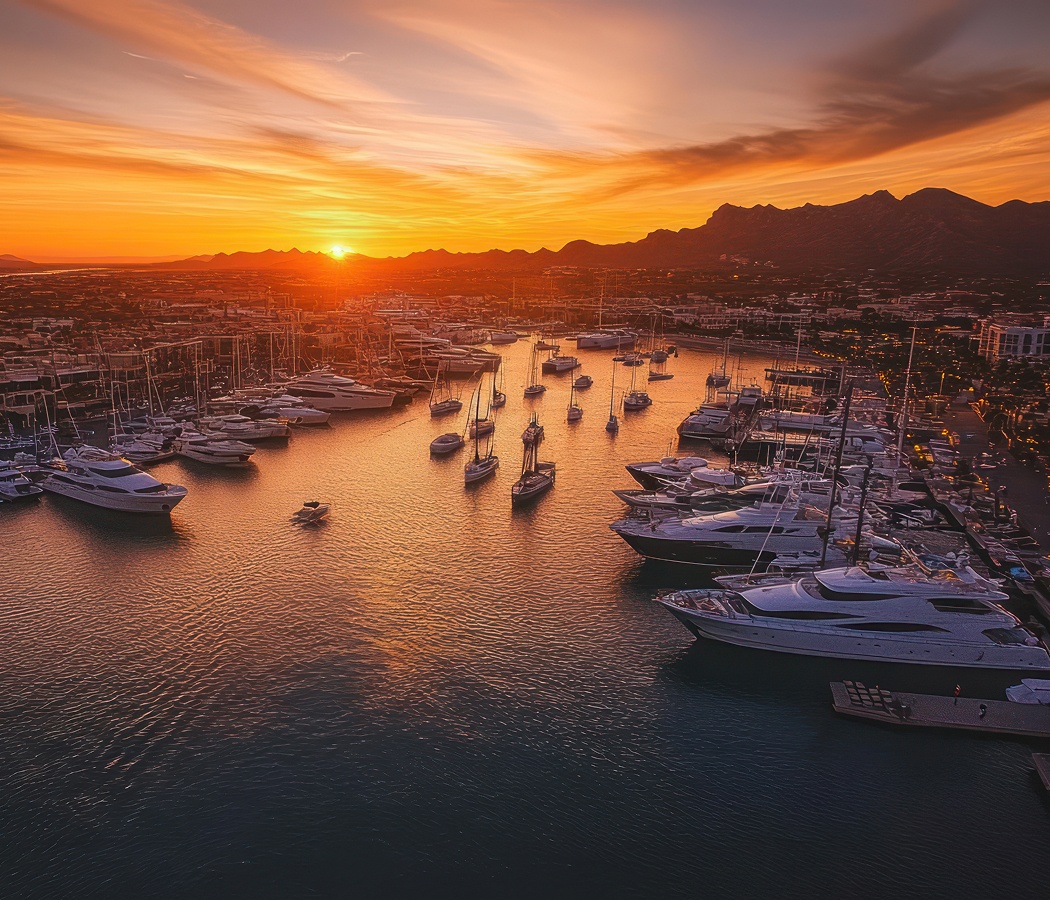
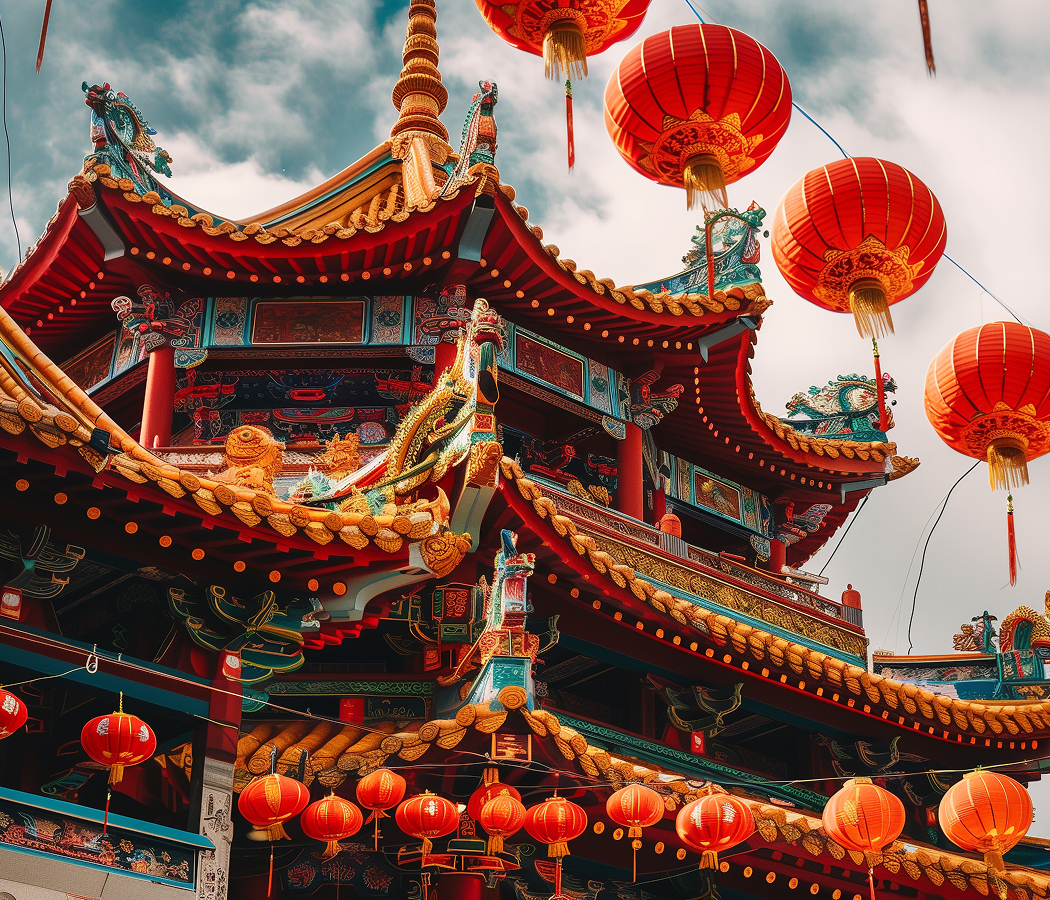
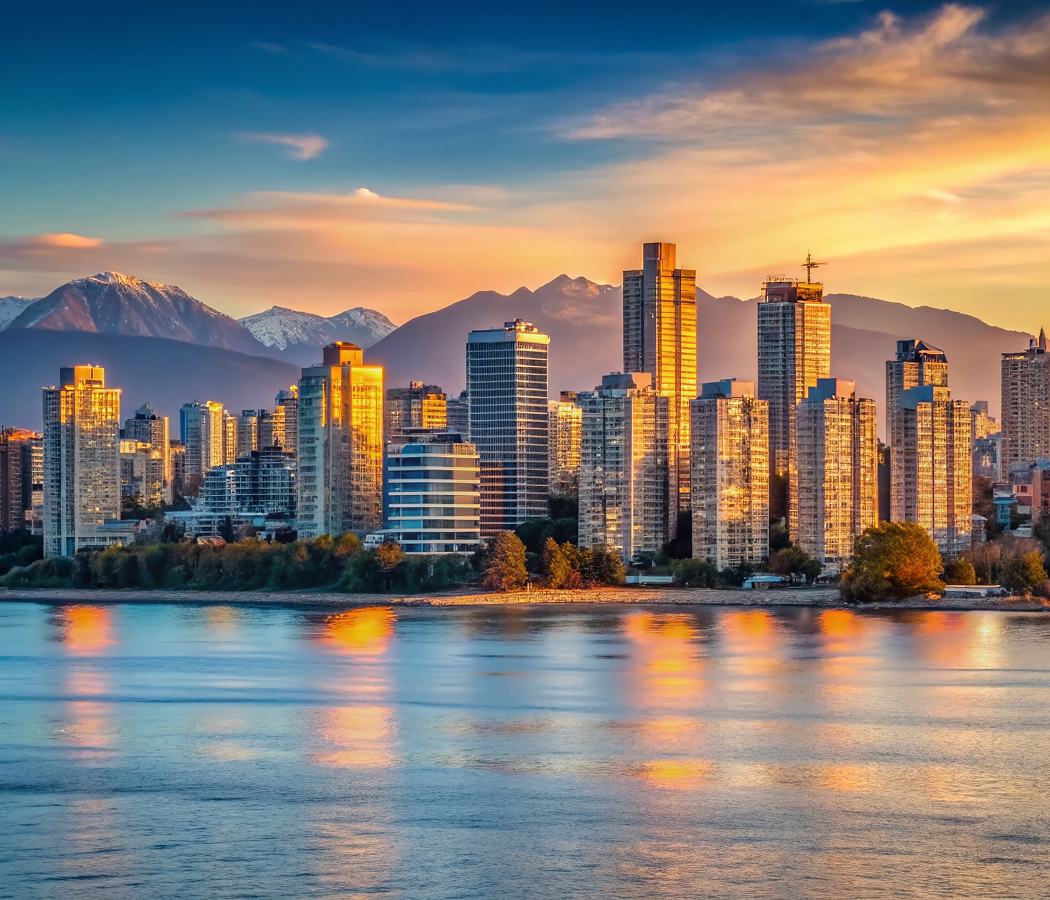
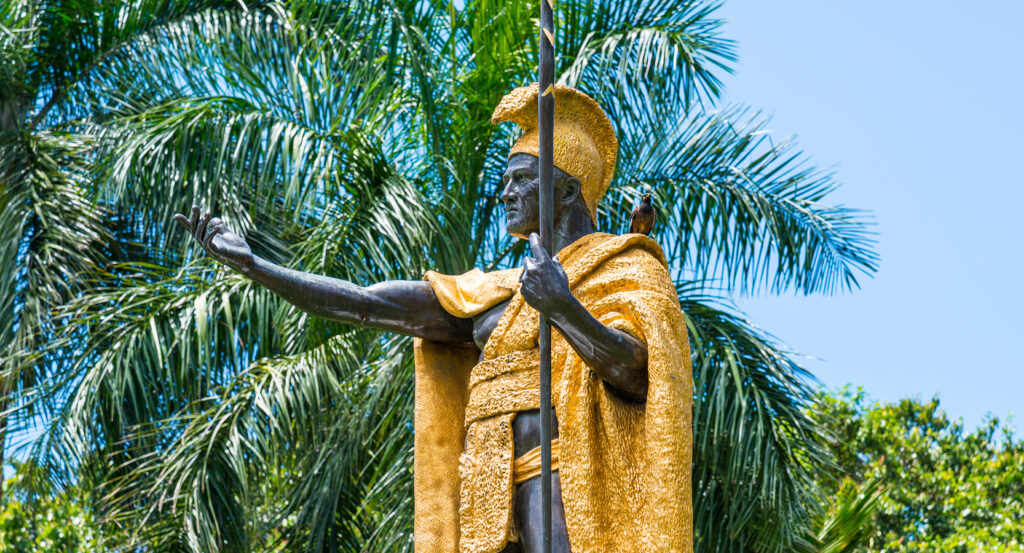
Honolulu extends along the southeastern coast of Oʻahu, where the Pacific Ocean meets a landscape of volcanic ridges, steep green valleys, and narrow coastal plains. The city lies beneath the Koʻolau Range, the deeply eroded remnant of an ancient shield volcano whose dramatic cliffs rise along the island's eastern interior. The metropolitan shoreline stretches from the harbor district through Ala Moana and Waikīkī toward the volcanic headland of Lēʻahi, commonly known as Diamond Head. Downtown Honolulu developed around the sheltered waters of Honolulu Harbor, where nineteenth-century maritime commerce established the foundations of the modern business district. The historic center contains a concentration of government buildings, royal landmarks, churches, and commercial architecture associated with the Hawaiian Kingdom and subsequent territorial administration. ʻIolani Palace stands within landscaped grounds near the Hawaiʻi State Capitol, presenting an architectural composition that combines European Renaissance influences with distinctive elements developed for the Hawaiian royal court. Across King Street, Aliʻiōlani Hale contains the Hawaiʻi Supreme Court and the King Kamehameha I statue, forming a prominent civic ensemble. Nearby, Kawaiahaʻo Church, completed in 1842, incorporates thousands of coral blocks and reflects the substantial influence of early Protestant institutions. The Hawaiʻi State Capitol, opened in 1969, presents a contrasting modernist design whose open central courtyard, surrounding columns, and reflecting pools evoke the islands' volcanic geography and ocean setting. West of downtown, Chinatown preserves historic commercial streets associated with Chinese immigration and the city's nineteenth-century trading economy. Its markets, temples, restaurants, and galleries occupy a dense urban district adjoining the harbor. Eastward, the Kakaʻako neighborhood has undergone extensive redevelopment, combining former industrial properties with residential towers, commercial spaces, and contemporary public art. Ala Moana Beach Park extends along a sheltered waterfront, providing broad lawns, recreational facilities, and a protected swimming area overlooking the Pacific. Waikīkī occupies a low-lying coastal district historically characterized by wetlands, streams, and agricultural lands. Modern development transformed the area into a dense concentration of hotels, residential towers, retail streets, and beachfront promenades. Kalākaua Avenue forms its principal commercial corridor, running parallel to the shoreline through the resort district. Waikīkī Beach faces the open Pacific through a series of sandy waterfront sections protected in places by offshore reefs and coastal engineering. The Royal Hawaiian Hotel, opened in 1927, preserves an important example of early resort architecture through its pink stucco exterior, landscaped grounds, and Spanish-Moorish design influences. Farther east, Kapiʻolani Park occupies an extensive landscaped area beneath Diamond Head, providing recreational grounds and open space at the edge of the urban coastline. Lēʻahi rises through a prominent volcanic tuff cone formed by explosive eruptions 300,000 years ago. Its crater rim reaches 761 feet above sea level, offering expansive views across Waikīkī, the southern shoreline, and the surrounding mountains. Inland, Mānoa Valley extends into the Koʻolau foothills through a lush residential landscape distinguished by tropical vegetation, frequent rainfall, and steep forested slopes. The University of Hawaiʻi at Mānoa occupies a substantial campus near the valley entrance, connecting the metropolitan center with one of the Pacific's principal research institutions. Farther east, the coastal road passes through Kāhala toward the rugged shoreline of southeastern Oʻahu, where volcanic headlands and sheltered bays create a contrasting landscape of residential neighborhoods and natural coastal formations. Honolulu's physical distinction comes from the close proximity of historic royal institutions, modern commercial districts, volcanic terrain, and a Pacific shoreline whose geography has shaped settlement, commerce, and recreation for generations.
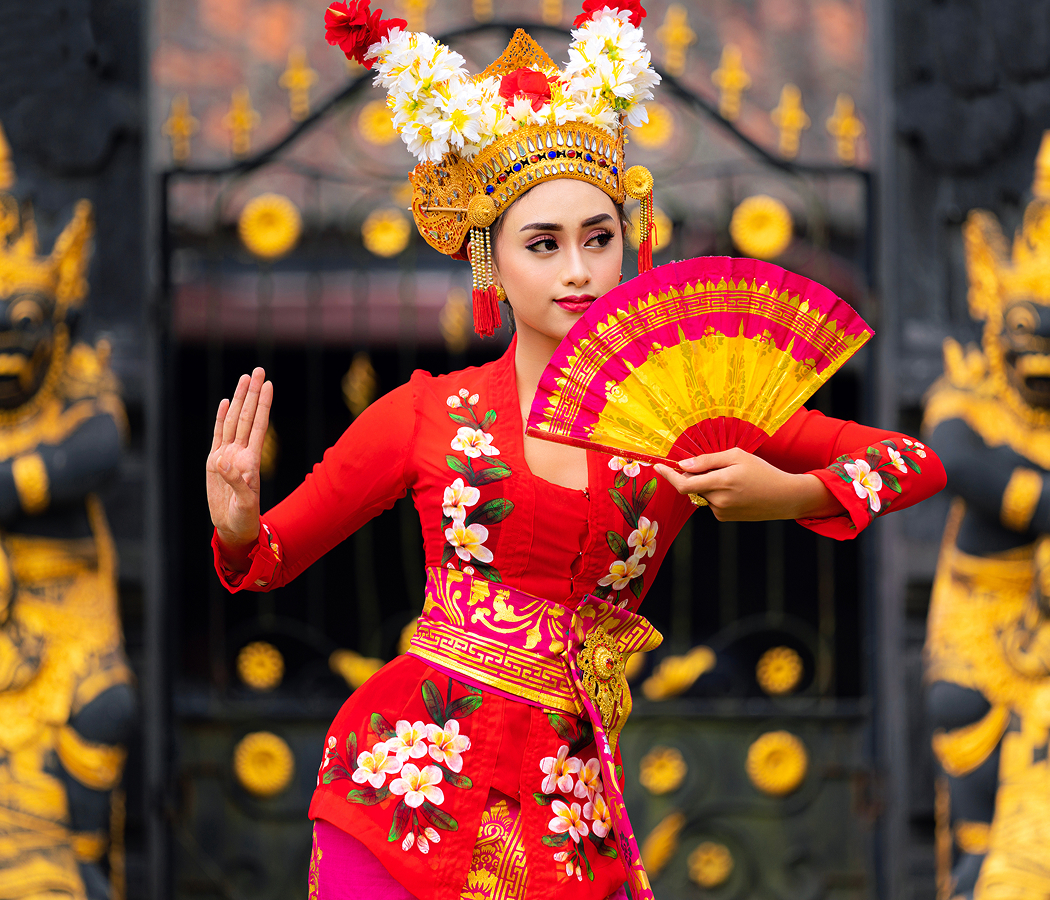
Hawaiian music, language, and performing arts retain a central place in Honolulu through institutions and communities dedicated to the preservation and contemporary development of Native Hawaiian culture. The revival of Hawaiian-language education and traditional practices reflects generations of cultural leadership following the political upheavals of the nineteenth century. Hula occupies a particularly important position, combining movement, chant, poetry, and storytelling to preserve genealogies, historical events, and relationships with the natural world. Traditional hula kahiko employs chant and percussion, and hula ʻauana incorporates later musical influences, including melodic accompaniment and instruments introduced through intercultural exchange. King Kalākaua actively supported hula and other Hawaiian ceremonial practices during his reign, contributing to a broader cultural revival that continues to influence contemporary performance. The ʻukulele, developed in Hawaiʻi during the late nineteenth century from Portuguese string instruments, became internationally associated with Hawaiian music. Slack-key guitar, or kī hōʻalu, developed through the adaptation of guitar techniques to Hawaiian musical traditions, producing distinctive open tunings and melodic arrangements. Honolulu's musical heritage includes influential performers such as Israel Kamakawiwoʻole, whose recordings brought Hawaiian-language music and interpretations of familiar songs to international audiences. The Bishop Museum, founded in 1889, preserves extensive collections of Hawaiian cultural objects, archaeological materials, natural history specimens, and archival resources associated with the Pacific. Its Hawaiian Hall presents important examples of featherwork, wood carving, textiles, and ceremonial objects connected to the islands' chiefly traditions. The Honolulu Museum of Art contributes another major institution through collections of Asian, European, American, and Pacific art, reflecting Hawaiʻi's position within international cultural exchange. The Hawaiʻi State Art Museum, housed in the historic No. 1 Capitol District Building, emphasizes artistic production associated with the islands. Contemporary Honolulu supports a diverse creative community encompassing Native Hawaiian artists, Asian American cultural organizations, and Pacific Islander performers. The University of Hawaiʻi contributes substantially to scholarship in Hawaiian language, Pacific history, anthropology, and regional literature. Writers including Sia Figiel, Lois-Ann Yamanaka, and Kiana Davenport have explored the social experiences, cultural complexities, and historical relationships of communities across the Pacific and Hawaiʻi. Honolulu's annual celebrations include the Aloha Festivals, established in 1946, which feature Hawaiian music, hula, floral displays, and community gatherings. The Honolulu Festival brings together performers and cultural organizations from across the Pacific Rim, emphasizing relationships among Hawaiʻi, Japan, and other regional communities. The city's culinary traditions reflect Native Hawaiian agricultural practices and the successive migrations that transformed the islands' population. Traditional Hawaiian foods include poi, prepared from pounded taro, and laulau, in which meat or fish is wrapped in taro leaves and steamed. Kālua puaʻa, pork traditionally cooked in an underground imu oven, remains closely associated with communal celebrations and ceremonial gatherings. Japanese, Chinese, Korean, Filipino, and Portuguese influences contributed to the development of contemporary local food, including plate lunches combining rice, macaroni salad, and varied meat or seafood preparations. Loco moco, typically prepared with rice, a hamburger patty, fried egg, and gravy, represents a familiar example of Hawaiʻi's modern comfort food. Poke, traditionally prepared with seasoned raw fish, has developed into an internationally recognized dish while retaining important connections to Hawaiian seafood practices. Honolulu's cultural importance rests upon the endurance of Native Hawaiian artistic and linguistic traditions and the continuing exchange among Pacific communities whose contributions have shaped the city's music, literature, institutions, and food.
Five fascinations.
5. Honolulu became the capital of the Hawaiian Kingdom under Kamehameha III.
Honolulu's protected harbor helped transform a small settlement on Oʻahu into the political and commercial center of the Hawaiian Islands during the nineteenth century. King Kamehameha III established Honolulu as the permanent capital of the Hawaiian Kingdom in 1845, concentrating government, diplomacy, commerce, and royal life there. The city subsequently developed institutions and buildings associated with an independent constitutional monarchy while its harbor connected Hawaiʻi with expanding Pacific trade. Honolulu's modern prominence emerged long before Hawaiʻi became a U.S. state, and the city remains physically shaped by its earlier role as the capital of a sovereign Polynesian kingdom.
4. ʻIolani Palace had electric lighting before the White House.
King Kalākaua completed ʻIolani Palace in 1882 as the ceremonial and governmental center of the Hawaiian monarchy. Its sophisticated technology reflected the king's interest in international innovation, and electric lighting was installed in the palace in 1887, several years before the White House received its electrical system. Telephones and indoor plumbing further distinguished the building during its royal era. ʻIolani Palace later became inseparable from the overthrow of the monarchy and the imprisonment of Queen Liliʻuokalani. Honolulu preserves the only royal palace used by reigning monarchs in the United States, combining technological ambition with one of Hawaiʻi's most consequential political histories.
3. Waikīkī was once a landscape of wetlands, fishponds, and taro fields.
Modern Waikīkī bears little resemblance to the low-lying landscape that existed before intensive twentieth-century development. Streams descending from the Koʻolau Range once fed wetlands, agricultural areas, fishponds, and loʻi kalo used for cultivating taro. Hawaiian royalty also favored Waikīkī for residence, recreation, and surfing. The construction of the Ala Wai Canal during the 1920s redirected water and drained extensive wetlands, helping make large-scale urban development possible. Hotels, roads, residences, and commercial districts subsequently transformed the district. Honolulu's most internationally famous resort neighborhood rests upon a dramatically engineered landscape whose earlier hydrology remains fundamental to understanding its geography.
2. Diamond Head is the eroded remnant of an explosive volcanic eruption.
Lēʻahi, widely known as Diamond Head, formed during a comparatively late period of volcanic activity on Oʻahu. An explosive interaction between rising magma and groundwater blasted volcanic material outward, producing the broad tuff cone that now dominates Honolulu's southeastern skyline. British sailors later gave the landmark its English name after mistaking sparkling calcite crystals for diamonds. The United States subsequently incorporated the crater into Oʻahu's coastal defense system, constructing military installations within and around its slopes. Honolulu's defining natural landmark combines volcanic geology, Native Hawaiian cultural significance, maritime history, and military engineering within a single extraordinary formation.
1. Pearl Harbor was once known to Native Hawaiians for its abundant pearl oysters.
The great lagoon west of Central Honolulu carried the Hawaiian names Wai Momi, meaning “Waters of Pearl,” and Puʻuloa, reflecting a landscape deeply embedded in Native Hawaiian geography and tradition. Pearl oysters once flourished in its protected waters long before the harbor became synonymous with American naval power. The United States developed Pearl Harbor into a major Pacific naval base, and the Japanese attack of December 7, 1941 propelled the United States into World War II. Few places demonstrate Honolulu's layered history more powerfully: an Indigenous lagoon associated with marine abundance became one of the most strategically important and historically consequential military harbors in the world.
Where your story begins.
Foresyte Travel reveals places that feel extraordinary long before you arrive.
Enjoy editorial crafted for luxury travelers.
Foresyte may earn a commission when you book.