Fun facts about Nashville, Tennessee.
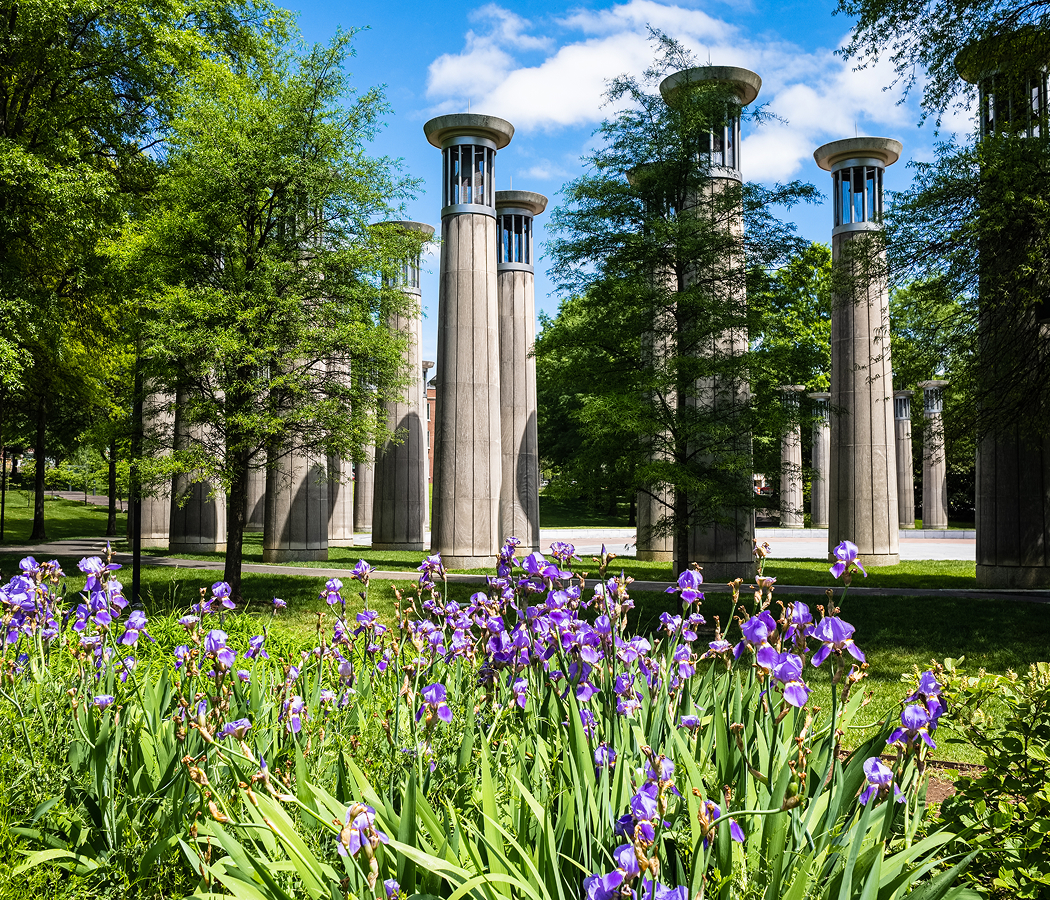
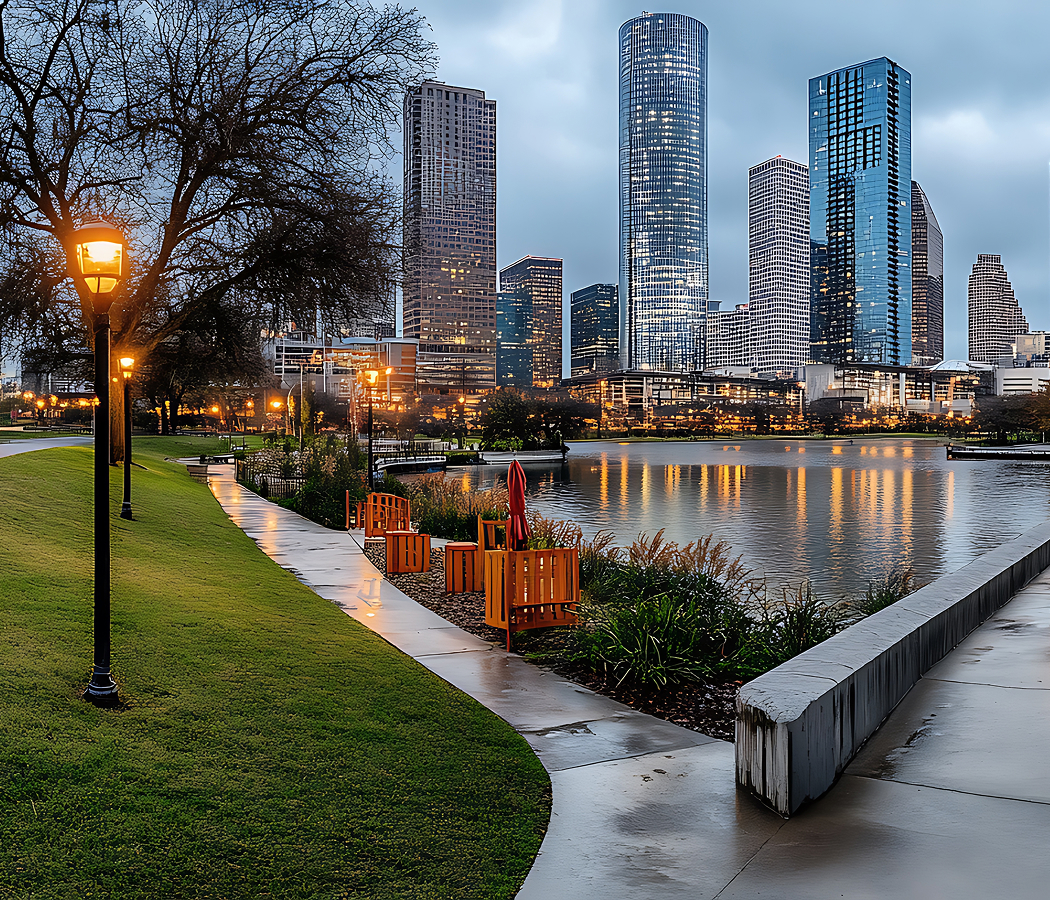
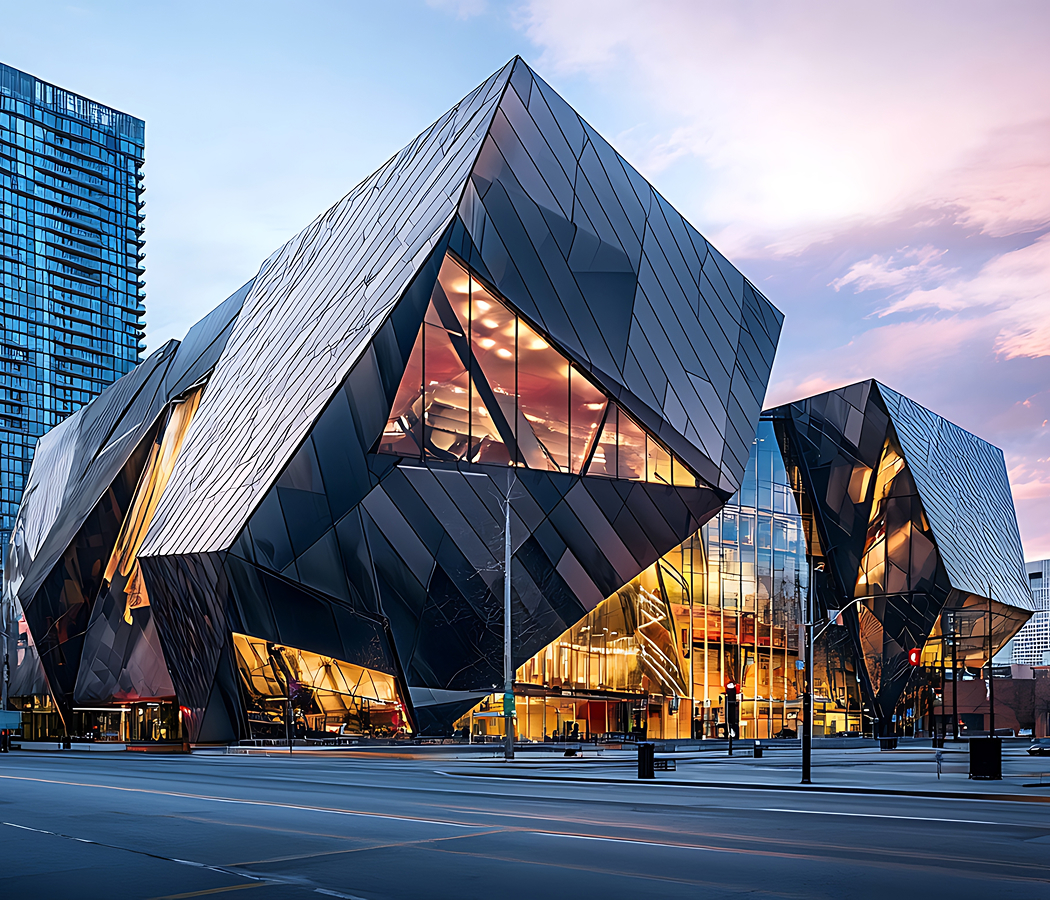
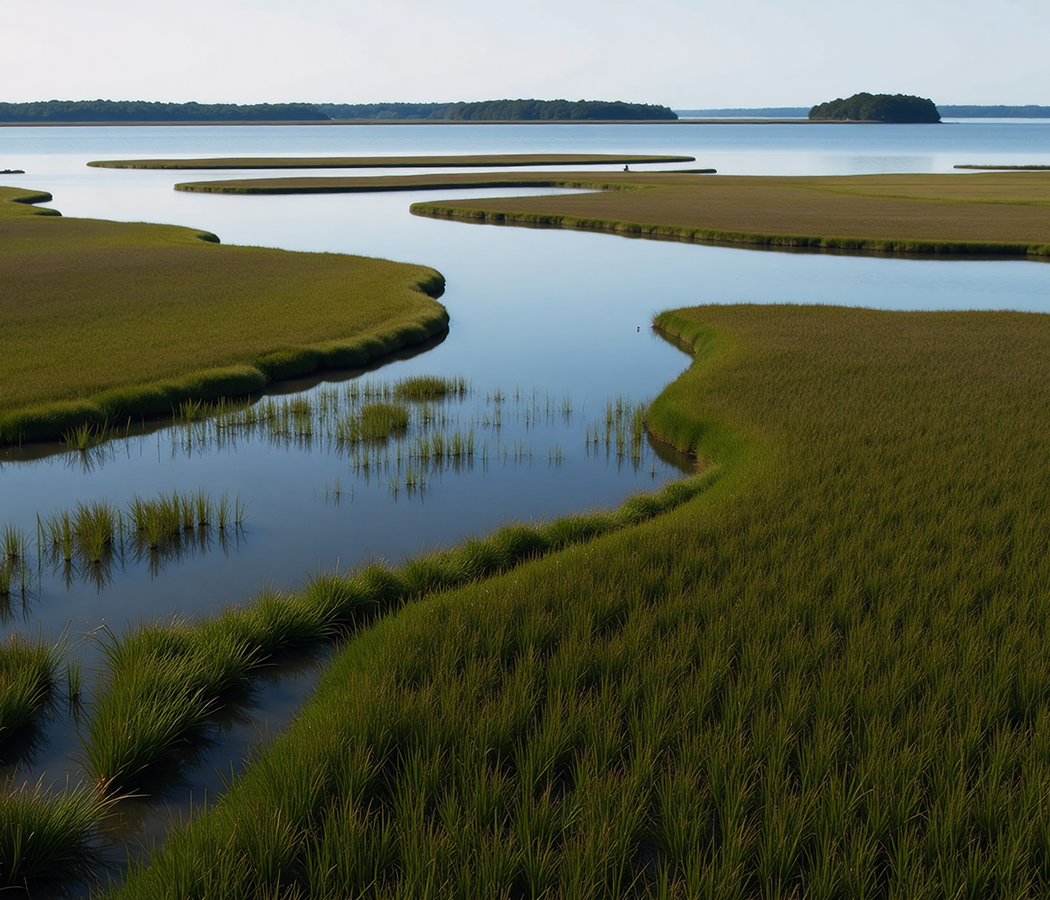
Nashville extends across the rolling hills of Middle Tennessee, where the Cumberland River curves through a landscape of historic neighborhoods, grand civic buildings, university campuses, and rapidly expanding commercial districts. The city's physical development reflects its position within the Central Basin, a region of limestone geology, wooded ridges, and fertile valleys surrounded by the higher terrain of the Highland Rim. Downtown Nashville occupies elevated ground near a prominent bend in the Cumberland, with its original street network extending westward from the riverfront. The Tennessee State Capitol crowns a hill above the central business district, presenting a grand Greek Revival structure designed by William Strickland and completed in 1859. Its limestone exterior, Ionic columns, and commanding position express the architectural ambitions of Tennessee's nineteenth-century government. Nearby, the Tennessee State Museum and Bicentennial Capitol Mall State Park establish a civic landscape connecting state history with public monuments and open space. Lower Broadway forms Nashville's most recognizable entertainment corridor through a concentration of historic commercial buildings, illuminated signs, live music venues, and crowded pedestrian streets. The Ryman Auditorium stands just north of Broadway, its redbrick Gothic Revival exterior preserving the architectural character of a building originally constructed as the Union Gospel Tabernacle in 1892. The auditorium's distinctive interior, wooden pews, and celebrated acoustics reflect its transformation into one of America's most important performance spaces. Eastward, the Cumberland Riverfront connects downtown with landscaped public spaces, including Riverfront Park and the John Seigenthaler Pedestrian Bridge. Originally completed in 1909, the bridge introduces a prominent steel truss structure offering expansive views of the river and surrounding skyline. The Country Music Hall of Fame and Museum occupies a contemporary building south of Broadway, distinguished by sweeping architectural forms that reference musical instruments and Nashville's recording heritage. Nearby, the Music City Center extends across several downtown blocks through an expansive convention complex whose undulating roofline contributes to the city's modern architectural identity. The Gulch, southwest of the historic core, presents a contrasting landscape of contemporary residential towers, converted industrial buildings, restaurants, and commercial developments associated with Nashville's recent growth. Music Row occupies a collection of streets southwest of downtown, where former residences and purpose-built facilities house recording studios, publishing companies, and music industry offices. The district's relatively modest architectural scale contrasts with its immense influence over American popular music. Farther west, Vanderbilt University occupies a landscaped campus characterized by mature trees, historic academic buildings, and substantial research facilities. Centennial Park preserves one of Nashville's most distinctive architectural landmarks through the Parthenon, a full-scale reconstruction of the ancient Greek temple originally developed for Tennessee's Centennial Exposition of 1897. Its grand Doric columns and classical proportions reflect Nashville's longstanding association with education and its historical nickname, the Athens of the South. Across the Cumberland, East Nashville contains an extensive collection of Victorian residences, early twentieth-century commercial buildings, neighborhood parks, and revitalized retail corridors. The Five Points area forms an important local center through independent businesses and a distinctive residential streetscape. South of downtown, the 12 South neighborhood combines historic houses with restaurants, boutiques, and walkable commercial blocks. The Belle Meade Historic Site preserves a substantial nineteenth-century estate associated with plantation agriculture and thoroughbred horse breeding, including buildings that illuminate the wealth and enslaved labor underlying Tennessee's antebellum economy. Nashville's architectural character emerges from the relationship between its riverfront geography, grand civic institutions, historic performance venues, university landscapes, and neighborhoods transformed by contemporary metropolitan growth.
Tennessee's musical inheritance finds its most influential commercial expression in Nashville, where country music, gospel, blues, soul, and contemporary songwriting developed through the interaction of regional traditions, recording technology, and an extensive network of performers and producers. The city's musical foundations extend beyond the modern country industry, particularly through the African American spiritual traditions preserved and popularized by the Fisk Jubilee Singers during the nineteenth century. Their international performances introduced audiences to a repertoire rooted in the experiences of enslaved African Americans and helped establish Nashville's early reputation as a center of musical excellence. During the twentieth century, the Grand Ole Opry transformed regional country performance into a nationally influential entertainment tradition through radio broadcasting. Performers including Roy Acuff, Minnie Pearl, and Bill Monroe helped establish the program's enduring association with country music, bluegrass, and Southern storytelling. The Ryman Auditorium served as the Opry's principal home from 1943 until 1974, becoming closely associated with the genre's formative decades. Nashville's recording industry expanded substantially during the postwar period, particularly through producers and studio musicians who developed the polished arrangements associated with the Nashville Sound. Chet Atkins and Owen Bradley played central roles in this transformation, incorporating sophisticated instrumentation, vocal harmonies, and pop-oriented production techniques into country recordings. RCA Studio B became an important recording location for artists including Elvis Presley, Dolly Parton, and Jim Reeves, contributing to a body of recordings that shaped twentieth-century popular music. Nashville's songwriting industry developed alongside these studios, with publishing companies and professional composers establishing a sophisticated commercial network centered on Music Row. The city's musical influence also extended through artists who challenged established genre conventions, particularly during the emergence of outlaw country in the 1970s. Willie Nelson, Waylon Jennings, and other performers pursued greater creative control, contributing to broader changes in country music production and artistic identity. Nashville's African American musical history includes the development of Jefferson Street as a major entertainment corridor, where clubs hosted influential blues, jazz, and rhythm-and-blues performers during the mid-twentieth century. Artists including Jimi Hendrix performed in Nashville during their early careers, contributing to the city's connections with wider developments in American popular music. Contemporary Nashville supports a diverse musical environment encompassing country, Americana, rock, gospel, jazz, and independent songwriting, with venues including the Bluebird Cafe providing intimate settings for composers and performers. The city's cultural institutions extend beyond music through the Frist Art Museum, housed in a grand Art Deco former post office building, and the Tennessee Performing Arts Center, which supports theater, ballet, and orchestral performance. The Nashville Symphony performs at the Schermerhorn Symphony Center, whose Neoclassical architecture reflects the city's continuing investment in formal musical institutions. Nashville's culinary traditions developed through the agricultural heritage of Middle Tennessee and the broader foodways of the American South. Hot chicken, a spicy fried chicken preparation associated with Nashville's African American culinary history, became one of the city's defining specialties through establishments including Prince's Hot Chicken Shack. Meat-and-three restaurants preserve another regional tradition through combinations of roasted or fried meats, vegetables, cornbread, and Southern side dishes. Barbecue, biscuits, country ham, and seasonal produce contribute additional elements to the city's culinary identity. Nashville's cultural importance lies in its sustained ability to transform regional musical traditions into internationally influential forms of popular expression, supported by a creative infrastructure that connects performance, songwriting, recording, and the enduring social traditions of the American South.
Five fascinations.
5. Nashville's full-scale Parthenon began as a temporary exposition building.
Nashville constructed a replica of the Parthenon for the Tennessee Centennial Exposition of 1897, using the monument to reinforce the city's reputation as the “Athens of the South.” The original exposition structure was temporary, but its popularity led Nashville to replace it with a permanent version during the early twentieth century. Architect Russell Hart oversaw the reconstruction in concrete, reproducing the proportions and architectural details of the ancient temple in Athens. Centennial Park contains an extraordinary piece of American neoclassicism: a world's-fair attraction transformed into a lasting civic monument thousands of miles from the building that inspired it.
4. Nashville's Ryman Auditorium began as a religious tabernacle.
The building synonymous with country music originated with riverboat captain Thomas G. Ryman, who commissioned the Union Gospel Tabernacle after attending a revival led by evangelist Samuel Porter Jones. Completed in the 1890s, the auditorium later took Ryman's name and developed into one of Nashville's principal gathering places for lectures, concerts, theatrical performances, and civic events. Its cultural character changed decisively when the Grand Ole Opry established the Ryman as its home in 1943. A building conceived for religious revival meetings became one of the foundational stages in the history of American country music.
3. Nashville built a radio station powerful enough to reshape American music.
WSM began broadcasting from Nashville in 1925 and soon launched the program that evolved into the Grand Ole Opry. Its powerful clear-channel signal carried performances far beyond Tennessee, allowing rural and small-town audiences across enormous portions of the United States to hear Nashville musicians. The broadcasts helped transform country music from a collection of regional traditions into a commercial genre with a national audience. Nashville's emergence as “Music City” depended not only on performers and recording studios, but also on communications technology capable of projecting the city's musical culture across the country.
2. Music Row grew from houses converted into the infrastructure of a recording industry.
During the twentieth century, an area southwest of Downtown Nashville developed into an extraordinary concentration of recording studios, publishers, record labels, management companies, and other music businesses. Many occupied modest houses and converted residential buildings, giving the industry district a physical character unlike a conventional corporate center. RCA Studio B became one of its defining sites after opening in 1957, hosting recordings by Elvis Presley, Dolly Parton, the Everly Brothers, and numerous other artists. Music Row turned an ordinary urban neighborhood into the operational heart of an industry that profoundly shaped Nashville's global identity.
1. Nashville contains one of the world's longest-running live radio broadcasts.
The Grand Ole Opry traces its origins to the WSM Barn Dance, first broadcast from Nashville in 1925. The program evolved through different venues as its audience expanded, eventually establishing a celebrated period at the Ryman Auditorium before moving to the purpose-built Grand Ole Opry House in 1974. Generations of performers used its stage to connect traditional country, bluegrass, gospel, and contemporary country music with audiences across the United States. Nearly a century of continuous broadcasting turned what began as a local radio program into an institution central to Nashville's development as an international center of popular music.
Where your story begins.
Foresyte Travel reveals places that feel extraordinary long before you arrive.
Enjoy editorial crafted for luxury travelers.
Foresyte may earn a commission when you book.