Perfect weekend in Hawaii.
Wailea's history extends across centuries of Hawaiian settlement, chiefly stewardship, volcanic activity, and the transformation of Maui's southern coastline into one of the Pacific's most celebrated resort destinations. Situated on the southwestern slopes of Haleakalā, the coastal community overlooks the ʻAlalākeiki Channel toward Kahoʻolawe and the neighboring island of Lānaʻi. Its landscape developed through successive volcanic eruptions that created extensive lava fields, rocky headlands, and sheltered coves along Maui's southern shore. Native Hawaiian communities established settlements throughout the region, developing fishing practices, agricultural systems, and religious traditions adapted to the island's contrasting coastal and mountain environments. The traditional Hawaiian system of land division organized territory into ahupuaʻa, extending from mountain watersheds toward the ocean and supporting access to agricultural, forest, and marine resources. South Maui's relatively dry climate encouraged specialized cultivation and the management of freshwater resources, with coastal communities maintaining close relationships with fishing grounds and offshore channels. During the late eighteenth century, Maui became a principal center of political competition among Hawaiian chiefs, including Kahekili II, whose authority extended across substantial portions of the archipelago. Kamehameha I conquered Maui in 1790, incorporating the island into the expanding Hawaiian kingdom. The nineteenth century brought profound changes through missionary activity, commercial agriculture, introduced livestock, and the development of plantation enterprises. Sugar cultivation expanded across Central Maui, supported by irrigation systems that redirected water from wetter mountain regions toward agricultural fields. Following the overthrow of the Hawaiian monarchy in 1893 and the annexation of Hawaii by the United States in 1898, the island's economy became increasingly connected to American agricultural and commercial interests. Wailea's development as a planned resort community accelerated during the 1970s, when investment in hospitality, residential construction, and recreational infrastructure transformed former ranching lands along the southern coastline. The area's subsequent expansion established a concentration of oceanfront resorts, landscaped residential communities, and internationally prominent hospitality establishments within Maui's volcanic coastal environment.
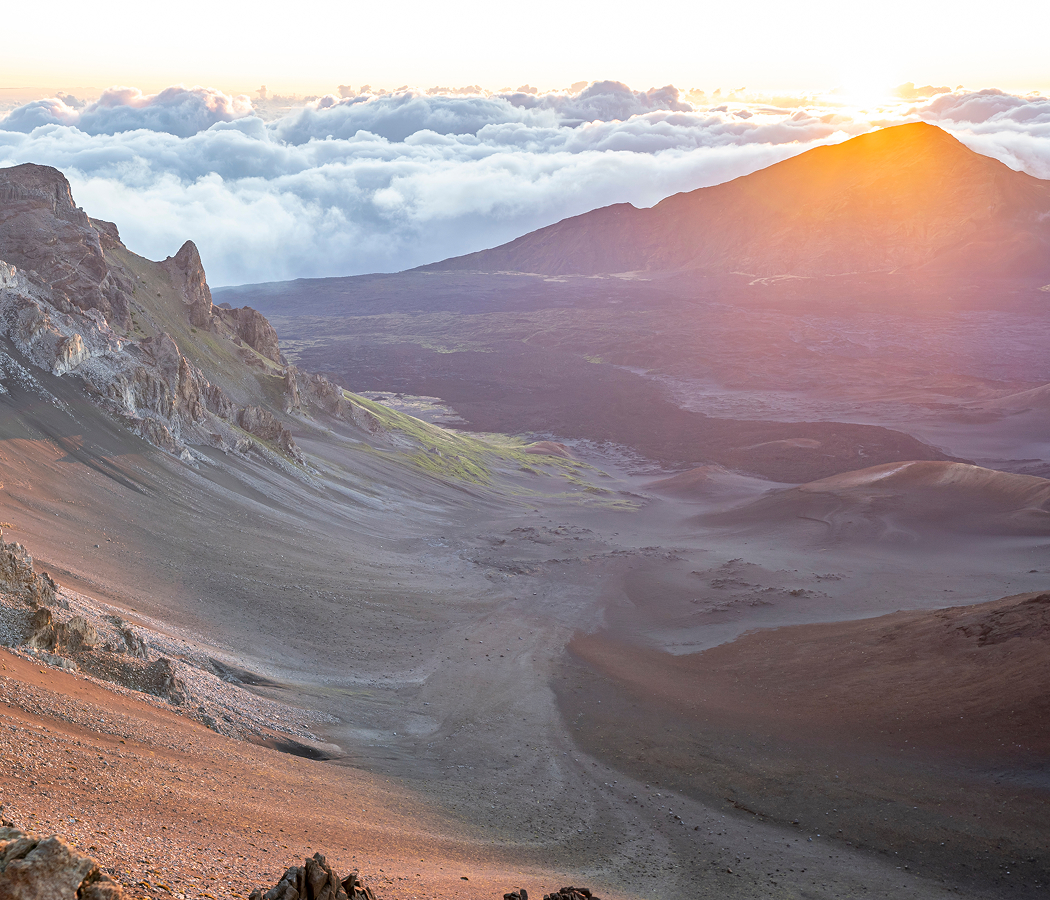
Hawaiian cultural practices retain profound connections to Maui's volcanic landscapes, ocean environments, and traditions of genealogy, navigation, music, and food preparation. Hawaiian oral histories associate Haleakalā with the demigod Māui, whose renowned capture of the sun explains the mountain's name, commonly translated as House of the Sun. The mountain's summit and surrounding slopes hold enduring spiritual significance within Native Hawaiian traditions, connecting ancestral knowledge with the island's distinctive geography. Hawaiian voyaging developed through sophisticated understanding of ocean currents, winds, stars, and seasonal environmental patterns, enabling Polynesian navigators to travel across immense distances and establish communities throughout the Pacific. The revival of traditional navigation during the twentieth century gained international prominence through the Polynesian Voyaging Society and the double-hulled canoe Hōkūleʻa, whose voyages strengthened the transmission of ancestral maritime knowledge. Maui's performing arts traditions include hula kahiko, accompanied by traditional chants and percussion, and hula ʻauana, which developed through later musical influences and the incorporation of stringed instruments. The island's musical history also encompasses slack-key guitar, or kī hōʻalu, whose fingerstyle techniques became closely associated with Hawaiian ranching communities during the nineteenth century. Musicians including George Kahumoku Jr. contributed to the preservation and international recognition of these traditions. The Maui Arts & Cultural Center in Kahului supports the island's performing and visual arts through concerts, exhibitions, and educational programming. Hawaiian food traditions developed through the cultivation of kalo, ʻuala, breadfruit, and other crops introduced by Polynesian settlers, alongside fish and marine resources harvested from surrounding waters. Traditional preparations include poi, made from cooked and pounded taro; laulau, consisting of seasoned ingredients wrapped in leaves and steamed; and kālua puaʻa, pork traditionally cooked in an underground imu. The island's agricultural communities contribute sweet onions, tropical fruits, coffee, and vegetables cultivated across varied elevations. Maui's contemporary restaurants incorporate these ingredients through Hawaiian regional cuisine, a culinary movement established in 1991 by chefs seeking to strengthen connections between local agriculture and professional cooking. Japanese, Filipino, Chinese, Portuguese, and other immigrant communities have also contributed substantially to Hawaii's food culture, producing dishes such as saimin, loco moco, and plate lunch combinations. A weekend in Wailea brings together Maui's ancestral Hawaiian traditions, volcanic geography, agricultural history, and the exceptional marine environment of the island's southern coastline.
Three day itinerary.
Day 1: Wailea Beach
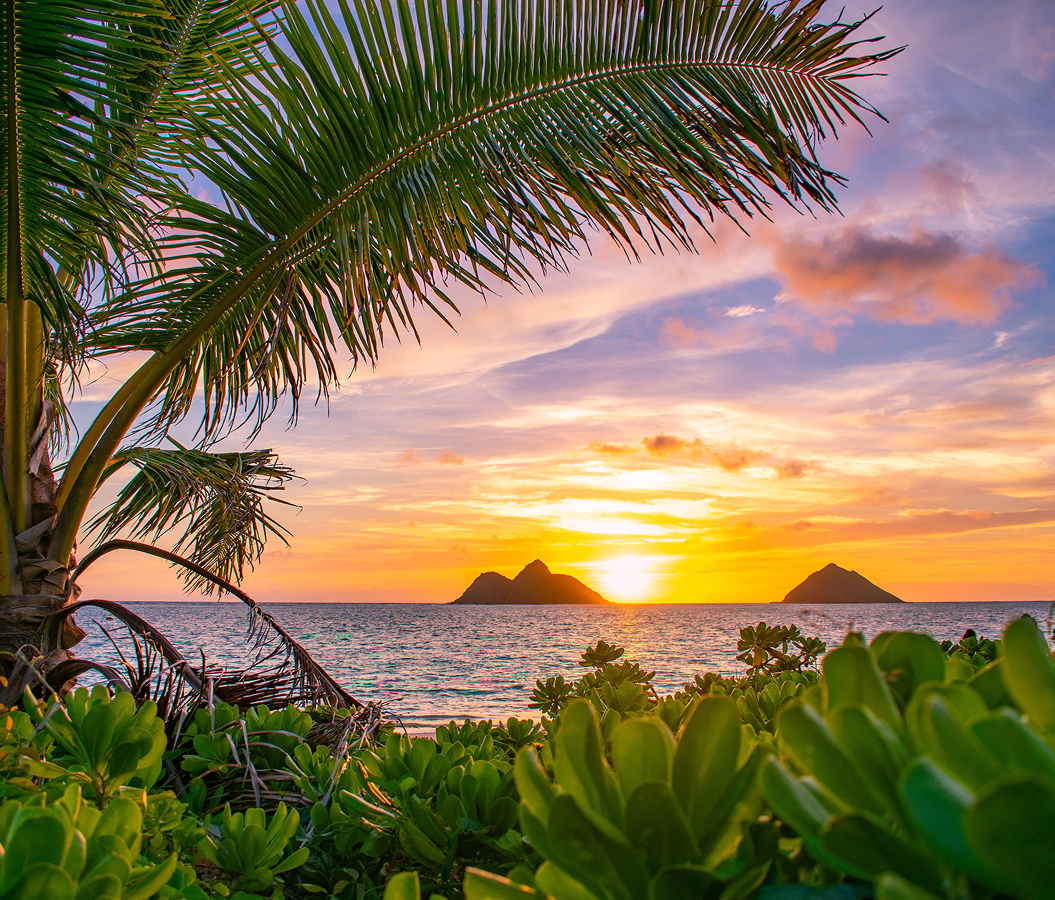
Wailea Beach is best known for its sweeping golden shoreline, exceptionally clear Pacific waters, and central role in establishing South Maui as one of Hawaii's premier coastal resort destinations. Situated along the island's southwestern coastline, the beach occupies a sheltered crescent between rocky lava formations that reflect Maui's volcanic origins. Its name derives from the Hawaiian words associated with the waters of Lea, connecting the surrounding landscape with the cultural traditions of the island's early inhabitants. The beach's coastal geography reflects the long geological development of Haleakalā, whose volcanic slopes descend toward the Pacific through a landscape of ancient lava flows and marine terraces. During the late twentieth century, the surrounding Wailea resort community developed through an ambitious master-planned approach that integrated luxury hotels, landscaped grounds, golf courses, and public shoreline access. The beach became closely associated with internationally recognized resorts including the Grand Wailea and Four Seasons Resort Maui at Wailea, whose architectural development helped establish the region's reputation for luxury hospitality. Its gently sloping sands and protected nearshore waters support swimming, snorkeling, and seasonal observations of humpback whales migrating through the waters surrounding Maui. Wailea Beach represents a defining expression of South Maui's volcanic coastal geography and its transformation into an internationally celebrated Pacific resort destination.
Day 1: Ferraro's Restaurant & Bar
Ferraro’s Restaurant & Bar is best known for its refined interpretation of coastal Italian cuisine within the oceanfront grounds of Four Seasons Resort Maui at Wailea. The restaurant's culinary character draws on the maritime traditions of southern Italy, emphasizing fresh seafood, handmade pasta, seasonal vegetables, and ingredients associated with Mediterranean coastal cooking. Its kitchen incorporates classical Italian preparations through carefully balanced sauces, premium olive oils, aromatic herbs, and contemporary presentations that preserve the character of regional ingredients. The restaurant's open-air dining environment overlooks Wailea Beach and the Pacific Ocean, establishing a distinctive relationship between Italian seaside gastronomy and Maui's tropical coastal landscape. Its development within the Four Seasons reflects the expansion of internationally influenced fine dining across Hawaii's luxury resort communities. Ferraro's represents an established expression of Mediterranean culinary traditions within South Maui through its concentration on Italian coastal ingredients, refined preparation, and exceptional oceanfront setting.
Day 2: Molokini Crater
Molokini Crater is best known for its extraordinary crescent-shaped volcanic formation and its exceptional marine biodiversity within the protected waters off Maui's southwestern coast. Located between Maui and Kahoʻolawe, the partially submerged volcanic crater developed through explosive eruptions associated with the region's complex geological history. Its distinctive horseshoe shape reflects the surviving rim of a volcanic cone that rises above the surrounding Pacific waters. The crater's protected interior supports extensive coral formations and a diverse assemblage of tropical reef fish, creating one of Hawaii's most celebrated snorkeling and diving environments. Molokini was designated a Marine Life Conservation District in 1977, establishing important protections for its reef ecosystems and surrounding marine habitats. The island's steep outer walls descend into deep ocean waters, creating contrasting environments for marine organisms adapted to different depths and current conditions. Its isolated position and exceptionally clear waters contribute to the ecological and recreational significance of the site. Molokini Crater represents one of Hawaii's most distinctive marine conservation areas through its volcanic origins, coral reef biodiversity, and exceptional underwater geography.
Day 2: Nalu's South Shore Grill
Nalu’s South Shore Grill is best known for its contemporary interpretation of Hawaiian comfort food and its emphasis on locally influenced ingredients within South Maui's independent dining scene. Located in Kihei, the restaurant developed a culinary character combining traditional island preparations with contemporary American café and grill cooking. Its menu incorporates fresh fish, locally inspired meat dishes, vegetables, and regional flavors shaped by Hawaii's multicultural culinary history. Preparations reflect the influence of Native Hawaiian, Japanese, Filipino, Portuguese, and mainland American food traditions that collectively contributed to the development of modern island cuisine. The restaurant's casual atmosphere and substantial daytime menu reflect the distinctive hospitality culture of Maui's coastal communities. Nalu's South Shore Grill represents an established expression of contemporary Hawaiian casual dining through its concentration on regional flavors and the multicultural culinary traditions of the islands.
Day 2: ʻĀhihi-Kīnaʻu Natural Area Reserve
ʻĀhihi-Kīnaʻu Natural Area Reserve is best known for its extraordinary volcanic landscapes, protected coastal ecosystems, and exceptional snorkeling environments along Maui's southwestern shoreline. Established in 1973, the reserve protects a substantial expanse of rugged lava fields, coastal waters, and native habitats associated with the southwestern slopes of Haleakalā. Its geological character reflects relatively recent volcanic activity, including lava flows associated with the island's youngest volcanic formations. The landscape incorporates dark basaltic rock, sparse vegetation, and intricate coastal formations shaped by the interaction of lava and ocean processes. Offshore waters support coral reefs, tropical fish, and other marine organisms within a protected environment subject to conservation regulations. The reserve also preserves important cultural and archaeological resources associated with Native Hawaiian settlement and traditional coastal resource use. Its ecological significance reflects the vulnerability of Hawaiian dryland and marine habitats to development, invasive species, and recreational pressure. ʻĀhihi-Kīnaʻu Natural Area Reserve represents an exceptional surviving landscape of Hawaiian volcanic geology and coastal biodiversity.
Day 2: Kō Restaurant
Kō Restaurant is best known for its distinctive interpretation of Hawaii's plantation-era culinary heritage within Fairmont Kea Lani in Wailea. The restaurant's culinary philosophy reflects the multicultural communities that shaped the Hawaiian Islands during the nineteenth and twentieth centuries, when workers from Japan, China, Korea, the Philippines, Portugal, and other regions contributed to the development of plantation agriculture. Their culinary traditions influenced the evolution of Hawaii's distinctive regional cuisine through the introduction of new ingredients, cooking methods, and flavor combinations. Ko incorporates these influences into contemporary preparations featuring seafood, meats, vegetables, and established dishes associated with the islands' diverse cultural communities. The restaurant's menu reflects the relationship between Hawaii's agricultural history and the culinary creativity that emerged through generations of cultural exchange. Its setting within Fairmont Kea Lani connects this historical culinary approach with Wailea's contemporary luxury hospitality culture. Ko represents an important expression of modern Hawaiian regional cuisine through its preservation and reinterpretation of the islands' multicultural food heritage.
Day 3: Akamai Coffee Company
Akamai Coffee Company is best known for its specialty coffee program and its commitment to showcasing coffee cultivated within the Hawaiian Islands. Founded on Maui, the company developed a distinctive approach centered on carefully sourced beans, precise roasting, and contemporary espresso preparation. Hawaii's coffee-growing traditions developed during the nineteenth century, when commercial cultivation expanded across several islands through the introduction of coffee plants and agricultural experimentation. Maui's volcanic soils, tropical climate, and varied elevations contribute to the distinctive growing conditions associated with the island's coffee industry. Akamai's café program emphasizes espresso beverages, carefully prepared coffee, and complementary breakfast offerings associated with contemporary Hawaiian café culture. The company's culinary character reflects the growing significance of independent specialty coffee within Maui's hospitality landscape. Akamai Coffee represents an established expression of Hawaiian coffee culture through its connection with regional agriculture and contemporary artisanal preparation.
Day 3: Wailea Coastal Path
Wailea Coastal Path is best known for its continuous oceanfront pathway connecting South Maui's celebrated beaches, volcanic headlands, and landscaped resort grounds. Extending along 1.5 miles of shoreline, the paved route links major coastal destinations including Wailea Beach, Ulua Beach, and the surrounding resort district. Its alignment follows the natural contours of Maui's southwestern coastline, passing rocky lava formations, sandy coves, and landscaped tropical vegetation. The pathway reflects the development of Wailea as a master-planned resort community that incorporated public pedestrian access along the shoreline. Its elevated sections provide expansive views across the Pacific toward neighboring Hawaiian islands, including Kahoʻolawe and Lānaʻi. During the winter migration season, the surrounding waters support substantial populations of North Pacific humpback whales, whose breeding and calving activities make the region internationally significant for marine wildlife observation. Wailea Coastal Walk represents an exceptional integration of public coastal access, volcanic landscape, and contemporary Hawaiian resort planning.
Day 3: Mākena State Park
Mākena State Park is best known for its expansive undeveloped beaches, dramatic volcanic coastline, and preservation of one of South Maui's most significant natural recreational landscapes. The park encompasses the celebrated Oneloa Beach, commonly known as Big Beach, whose broad golden shoreline extends beneath the volcanic slopes of Haleakalā. Its coastal geography reflects the interaction of ancient lava formations, Pacific wave energy, and sediment movement along Maui's southwestern shoreline. The adjacent Puʻu Ōlaʻi volcanic cinder cone rises prominently above the coast, creating a distinctive geological feature associated with the island's later volcanic activity. The park's beaches and surrounding coastal habitats support native vegetation, marine wildlife, and recreational activities shaped by the region's powerful ocean conditions. Its relatively undeveloped character preserves important elements of South Maui's natural landscape amid the surrounding expansion of luxury resort communities. Mākena State Park represents one of Maui's most significant protected coastal destinations through its exceptional volcanic scenery and extensive Pacific shoreline.
Day 3: Humuhumunukunukuāpuaʻa
Humuhumunukunukuāpuaʻa is best known for its distinctive overwater dining environment and its refined interpretation of contemporary Hawaiian seafood cuisine within the Grand Wailea resort. Named after Hawaii's state fish, the reef triggerfish, the restaurant occupies a series of open-air structures overlooking a tropical lagoon and the surrounding Pacific coastline. Its architectural design incorporates traditional Polynesian influences through thatched roof forms, timber construction, and carefully integrated water features. The kitchen emphasizes fresh seafood, premium meats, seasonal vegetables, and contemporary preparations shaped by the culinary traditions of Hawaii and the broader Pacific region. Its menu reflects the relationship between the islands' maritime resources and the development of sophisticated resort gastronomy. The restaurant's position within the Grand Wailea connects its dining environment with one of South Maui's most celebrated luxury hospitality institutions. Humuhumunukunukuāpuaʻa represents a distinctive expression of Hawaiian resort dining through its combination of Pacific seafood, Polynesian architectural influences, and elaborate waterfront design.
Where your story begins.
Foresyte Travel reveals places that feel extraordinary long before you arrive.
Enjoy editorial crafted for luxury travelers.
Foresyte may earn a commission when you book.