Why Kō Restaurant matters.
Kō Restaurant is a celebrated Hawaiʻi Regional restaurant where Wailea's luxury hospitality culture meets Maui's multicultural sugarcane plantation heritage, the culinary legacy of chef Tylun Pang and a contemporary interpretation of the island's deeply interconnected food traditions.
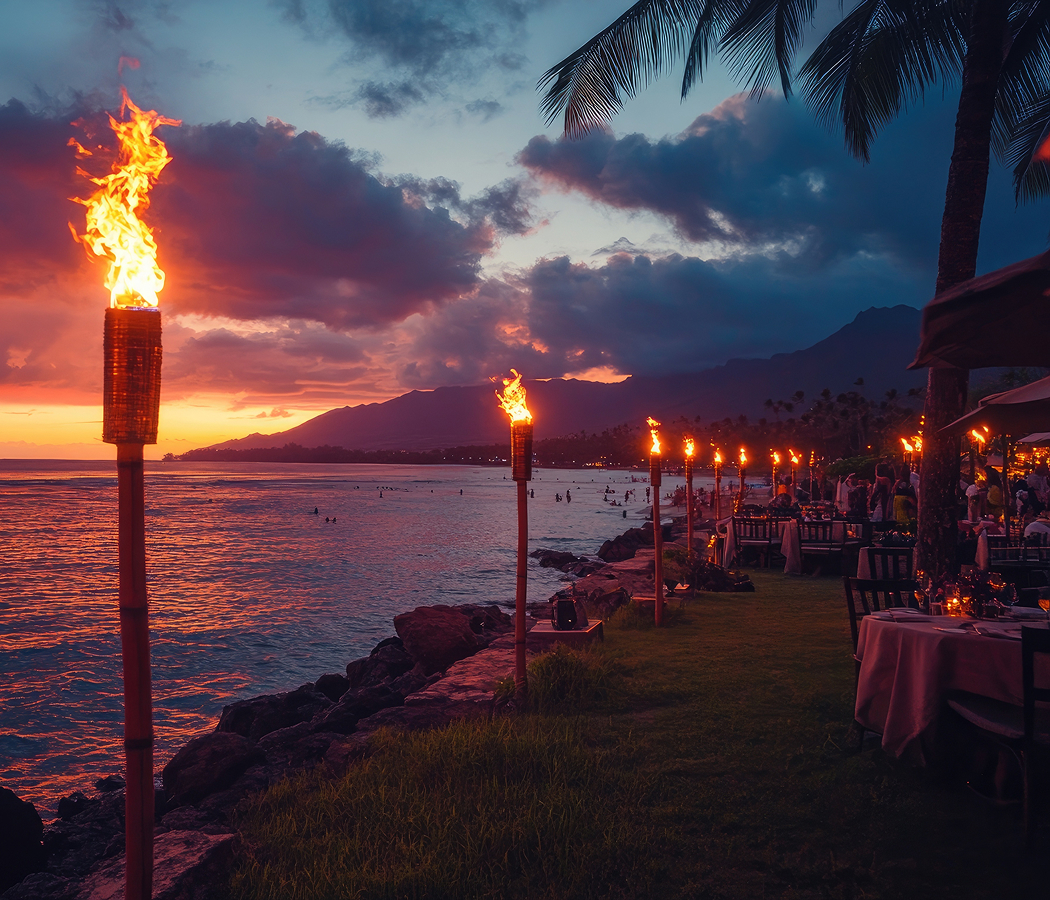
Occupying an open-air dining pavilion within Fairmont Kea Lani, south of Wailea Point and above Polo Beach, Kō Restaurant sits west of Wailea Alanui Drive, with the resort's landscaped swimming pools extending toward the Pacific and the coastal walkway connecting neighboring beaches. Its covered dining terraces open toward tropical gardens, incorporating substantial timber elements, natural materials and contemporary furnishings into a setting shaped by the surrounding resort landscape. The restaurant's renovated interior features a more cohesive arrangement of dining areas, with updated seating, lighting and decorative finishes supporting intimate dinners and larger gatherings. Broad openings admit coastal breezes and establish visual connections with the adjoining outdoor spaces. The dining room's sheltered position within the resort grounds creates a garden-oriented setting, with ocean light reaching the restaurant through the surrounding palms and landscaped terraces. The result is a refined open-air restaurant whose tropical architecture and carefully organized dining spaces provide a distinctive setting for the culinary traditions of Hawaiʻi's plantation communities.
What defines Kō Restaurant.
Kō Restaurant is best known for the culinary vision of Tylun Pang, the influential Maui chef who developed the restaurant in 2012 around the shared food traditions of Hawaiʻi's sugarcane plantation communities. Pang recognized that the island's distinctive cooking traditions emerged through generations of exchange among Native Hawaiian families and immigrants from China, Japan, the Philippines, Portugal and Korea. His concept drew particular inspiration from plantation lunch gatherings, when agricultural workers opened their metal kaukau tins and shared homemade preparations reflecting their respective cultural backgrounds. These exchanges contributed to the development of Hawaiʻi's mixed-plate cooking traditions, combining ingredients, seasonings and preparation methods across communities whose histories became intertwined through plantation labor. The restaurant's name, Kō, means sugarcane in Hawaiian, establishing a direct connection between the agricultural industry that transformed the islands and the culinary traditions that developed among its workers. Pang translated this historical foundation into an upscale restaurant program that brought plantation-era preparations into the setting of an international luxury resort. His leadership established the restaurant's reputation for Pacific Rim cuisine, combining traditional family recipes with contemporary techniques and ingredients cultivated across the Hawaiian Islands. Kō subsequently received recognition in local dining awards for Best Hawaiʻi Regional Cuisine, Best Pacific Rim Cuisine, Most Innovative Menu, Best Service and Best Dessert, reinforcing its position within Maui's established restaurant community. Pang's death in 2022 marked a significant transition for the restaurant, leaving a culinary legacy closely associated with the preservation and interpretation of Hawaiʻi's multicultural food heritage. Executive Sous Chef Jonathan Pasion subsequently helped sustain the program, developing new preparations and collaborating with local producers on ingredients connected to the restaurant's agricultural origins. One consequential project emerged through Pang's earlier ambition to create a distinctive house hot sauce, which Pasion developed with Justin and Katie of Maui-based HiSpice. Their collaboration produced Kōracha, a fermented chili sauce incorporating locally grown ingredients and aromatic lemongrass and ginger. The sauce debuted on January 12, 2024, extending the restaurant's culinary program into a locally produced condiment connected to the island's agricultural community. That August, Fairmont Kea Lani organized Taste of Kō, a special culinary event featuring six resort chefs representing Hawaiian, Chinese, Filipino, Portuguese, Korean and Japanese cooking traditions. The program presented twelve preparations across six culinary stations, accompanied by specialty beverages and a performance by Maui musician Jason Arcilla. The event reinforced the restaurant's original commitment to the distinct cultural communities whose cooking traditions shaped plantation-era Hawaiʻi. A major transformation followed in 2025, when Kō closed for an extensive renovation that reconfigured its dining environment and introduced a substantially revised menu. The restaurant reopened on October 24, 2025, under Executive Chef Matt Dela Cruz, beginning a new period of culinary leadership. Dela Cruz was raised in Kekaha on Kauaʻi, a community whose history is closely associated with sugarcane cultivation and the families employed by the island's plantation industry. His family's multigenerational connection to that agricultural heritage provided a personal foundation for interpreting the foods that developed through plantation households. The reopening introduced a culinary direction centered on refined interpretations of familiar Hawaiian comfort foods, emphasizing recipes associated with family gatherings and shared meals. The renovated restaurant also introduced a renewed beverage program highlighting locally distilled sugarcane spirits, extending its agricultural inspiration into cocktails and contemporary hospitality. Dela Cruz's leadership preserved Pang's original historical foundation and developed it through personal family traditions, contemporary cooking techniques and closer relationships with Hawaiʻi's farmers, fishermen and independent producers. Kō's significance rests on the preservation of a distinctive culinary legacy, the cultural history of plantation-era food exchange and the continuing development of Hawaiʻi Regional cuisine through successive generations of chefs.
Matt Dela Cruz's culinary direction begins with the foods of Hawaiʻi's plantation households, where regional ingredients and techniques from different immigrant communities developed into the familiar preparations of island home cooking. His approach emphasizes the relationship between savory depth, aromatic seasoning and the contrasting textures that characterize the Hawaiian mixed plate. Filipino influences contribute preparations shaped by vinegar, garlic and long cooking, creating concentrated flavors that develop through the interaction of acidity and richly seasoned meat. Chinese cooking traditions introduce the importance of wok heat, ginger, soy-based seasonings and carefully controlled texture, establishing a complementary foundation for stir-fried preparations and rice dishes. Japanese influences contribute precise treatment of seafood, fermented seasonings and the balance between delicate ingredients and concentrated sauces. Portuguese culinary traditions introduce garlic, sausage and slow-cooked preparations that became integral to Hawaiʻi's breakfast and comfort-food culture. Korean influences contribute marinated meats, fermented vegetables and chili-based seasonings, developing additional relationships between sweetness, acidity and savory depth. These traditions converge through the restaurant's emphasis on shared plates, allowing contrasting preparations to form a coherent meal across the table. A preparation of Hawaiian-style braised beef cheeks demonstrates the kitchen's treatment of familiar comfort food through extended cooking, allowing connective tissue to soften as the surrounding sauce becomes concentrated and deeply savory. The meat's tenderness creates a foundation for accompanying starches and vegetables, connecting the preparation to the substantial meals associated with agricultural labor and family gatherings. Venison lumpia develops a different culinary relationship through the Filipino tradition of crisp fried spring rolls, incorporating richly flavored meat within a delicate wrapper whose exterior becomes golden and brittle during cooking. The contrast between the crisp pastry and tender filling demonstrates the importance of texture in the kitchen's interpretation of plantation-era cooking. Wagyu beef fried rice extends the restaurant's interest in shared comfort foods through wok cooking, where high heat develops roasted aromas and separates the grains as the beef contributes richness. The preparation connects the practical tradition of seasoned rice dishes with the more elaborate ingredients associated with contemporary resort dining. Seafood receives equally deliberate treatment through preparations incorporating Hawaiian fish, shellfish and sauces developed from the island's agricultural products. The kitchen's sourcing relationships connect its cooking to Hawaiʻi's fishing industry and farms producing vegetables, tropical fruit and aromatic herbs. Dessert preparations continue the multicultural approach through ingredients such as coconut, taro, lilikoi and calamansi, combining familiar island flavors with contemporary pastry techniques. The beverage program develops a parallel connection to the sugarcane industry through spirits produced by Kō Hana Distillers and Kuleana Rum Works, whose products emphasize sugarcane cultivation and rum production in Hawaiʻi. Cocktails incorporating these spirits connect the restaurant's historical subject to an agricultural product whose importance extends beyond its former plantation economy. The restaurant's approach to communal dining further develops this connection through generous preparations designed for sharing, preserving the social character of the plantation lunch gatherings that inspired its founding concept. Kō's culinary distinction emerges through this sustained interpretation of Hawaiʻi's multicultural food traditions, combining regional ingredients, family cooking techniques and contemporary restaurant craftsmanship within a coherent celebration of the island's agricultural heritage.
How Kō Restaurant fits.
Kō Restaurant works as the starting point for an exploration connecting Wailea's public coastal landscapes, the volcanic geography of southwestern Maui and the preservation of Hawaiian cultural heritage within the island's established resort district.
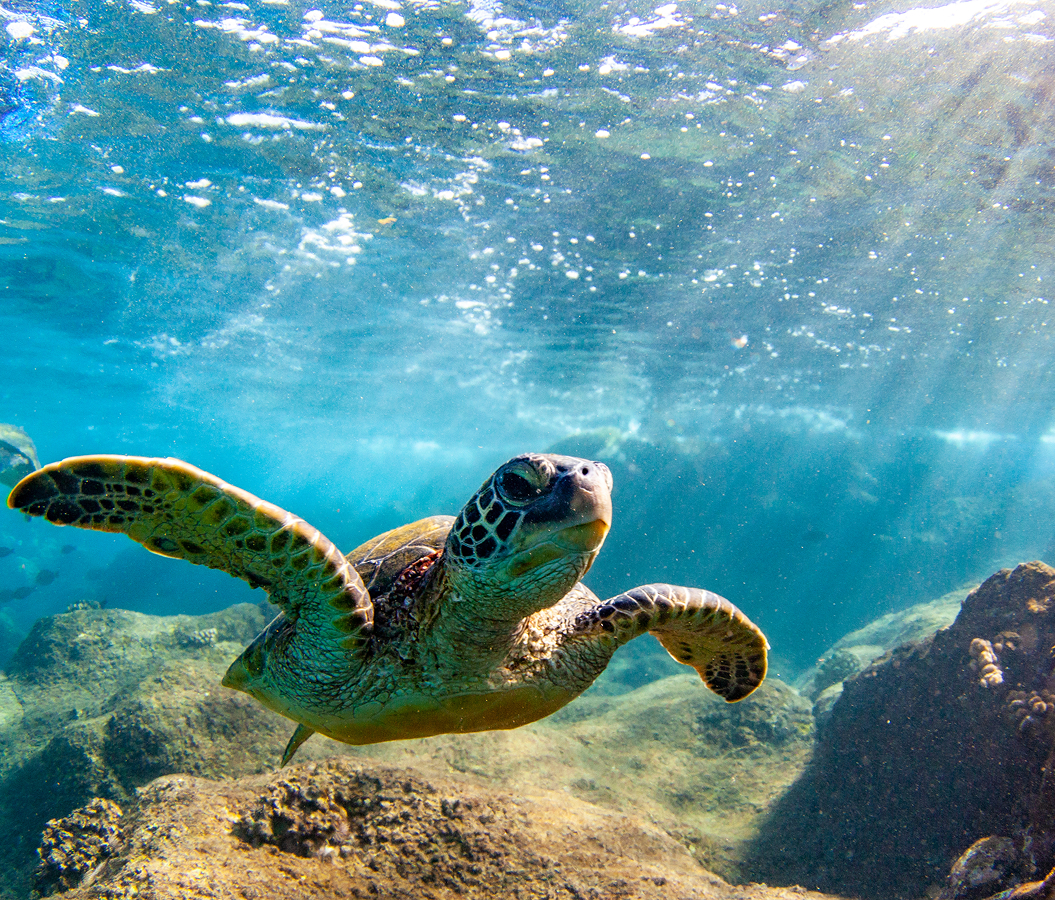
Begin at Polo Beach, the sheltered sandy cove immediately below Fairmont Kea Lani, where two adjoining beach sections are separated by a low rocky formation. The shoreline occupies a volcanic embayment whose basalt headlands enclose pale sand and clear Pacific waters. Its Hawaiian name, Ke One o Polo, preserves a connection to the coastal geography that preceded modern resort development. The public beach park provides parking, restrooms, outdoor showers and picnic facilities, maintaining access independently of the surrounding hotels. Rocky marine habitats near the margins support reef fish and other coastal organisms, and the sandy central sections provide swimming access during favorable ocean conditions. Continue to Wailea Point, the volcanic headland extending between Wailea Beach and the smaller coves approaching Polo Beach. Its exposed basalt formations originated through ancient lava flows descending from Haleakalā's southwestern volcanic slopes. The Wailea Beach Path crosses the elevated coastal terrain, providing public viewpoints across the ʻAlalākeiki Channel toward Kahoʻolawe and Molokini. The surrounding waters support Hawaiian green sea turtles, whose feeding habitats include shallow reef formations and rocky marine environments. During the winter breeding season, humpback whales migrate into the channels surrounding Maui, and the promontory provides an elevated vantage point across their offshore habitat. The headland's position demonstrates the influence of volcanic geology on the separation and shape of Wailea's adjoining sandy bays. Conclude at Palauea Cultural Preserve, a protected Hawaiian archaeological landscape occupying twenty-one acres near the coast south of Wailea. The property lies within the traditional ahupuaʻa of Palauea, part of the larger Honuaʻula district, and contains surviving evidence of Hawaiian settlement before the expansion of ranching and resort development. Archaeological features include ceremonial structures, residential foundations and agricultural remains associated with communities that occupied the region for generations. The Office of Hawaiian Affairs acquired the preserve in December 2012 to protect its cultural resources and support long-term stewardship. The property contains twelve significant archaeological sites and represents an important surviving concentration of Hawaiian cultural heritage in the Wailea-Mākena area. Its preservation program connects archaeological conservation with Native Hawaiian cultural education and traditional stewardship, with access governed by the property's management arrangements. The progression moves from Polo Beach's public shoreline through Wailea Point's volcanic coastal geography and culminates in Palauea Cultural Preserve's surviving Hawaiian settlement landscape, connecting the natural and cultural history that underlies Wailea's contemporary hospitality district.
Where your story begins.
Foresyte Travel reveals places that feel extraordinary long before you arrive.
Enjoy editorial crafted for luxury travelers.
Foresyte may earn a commission when you book.