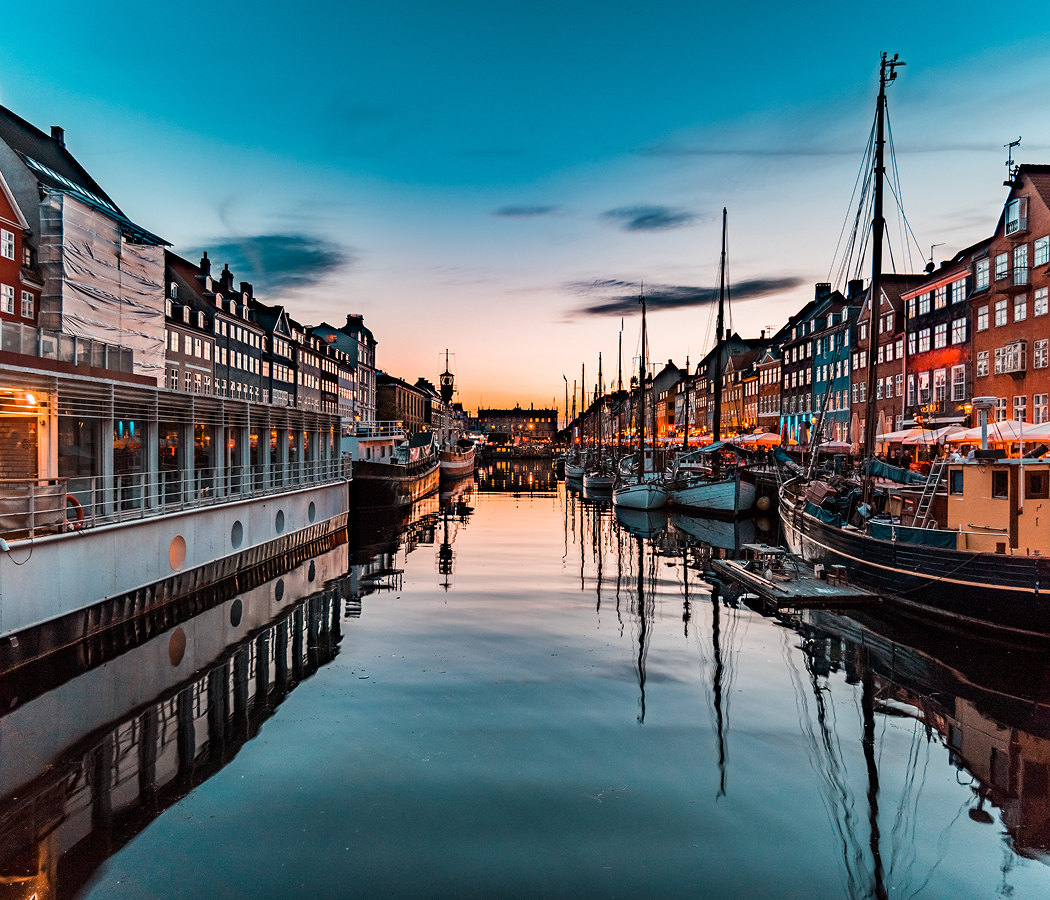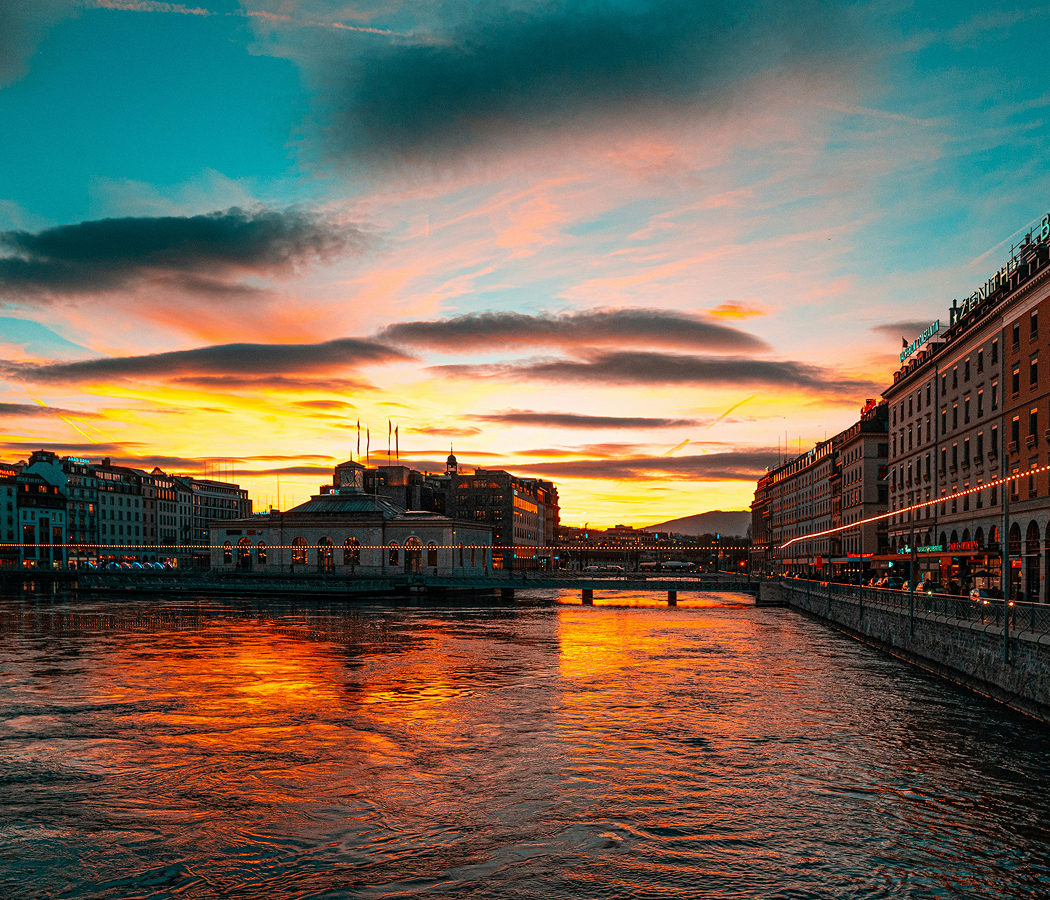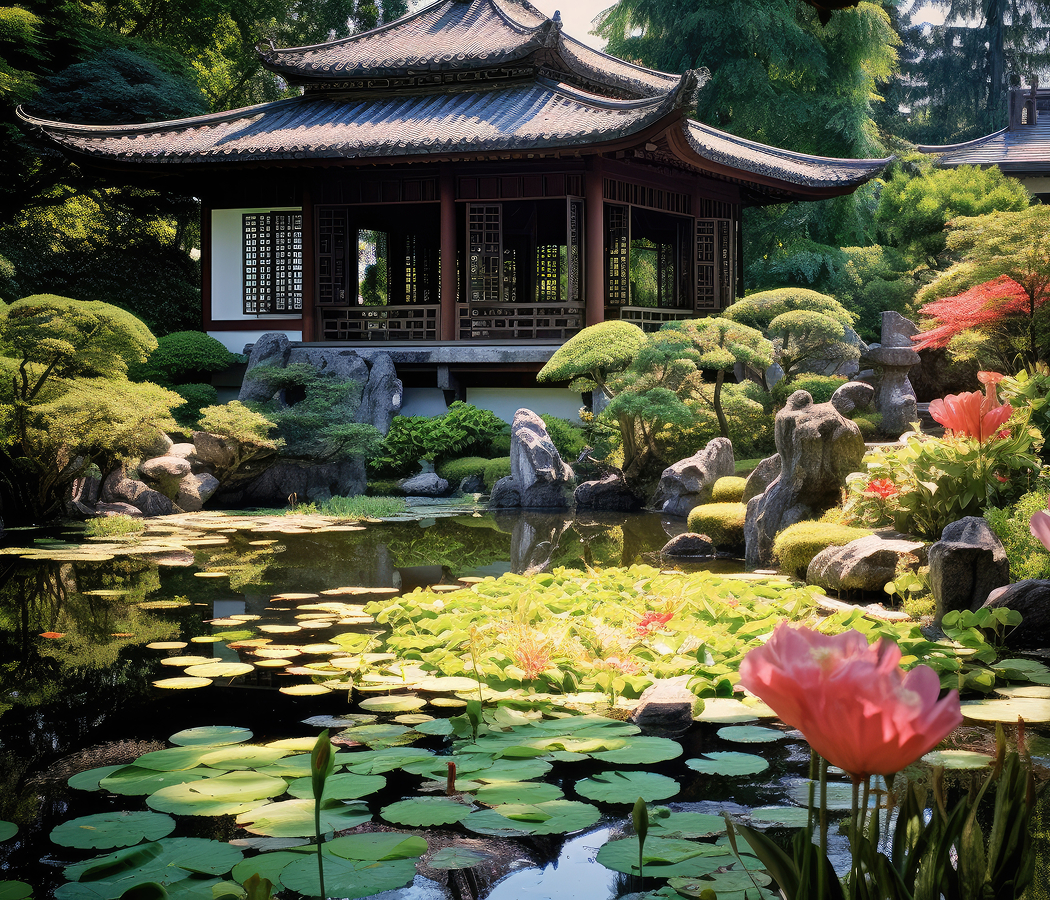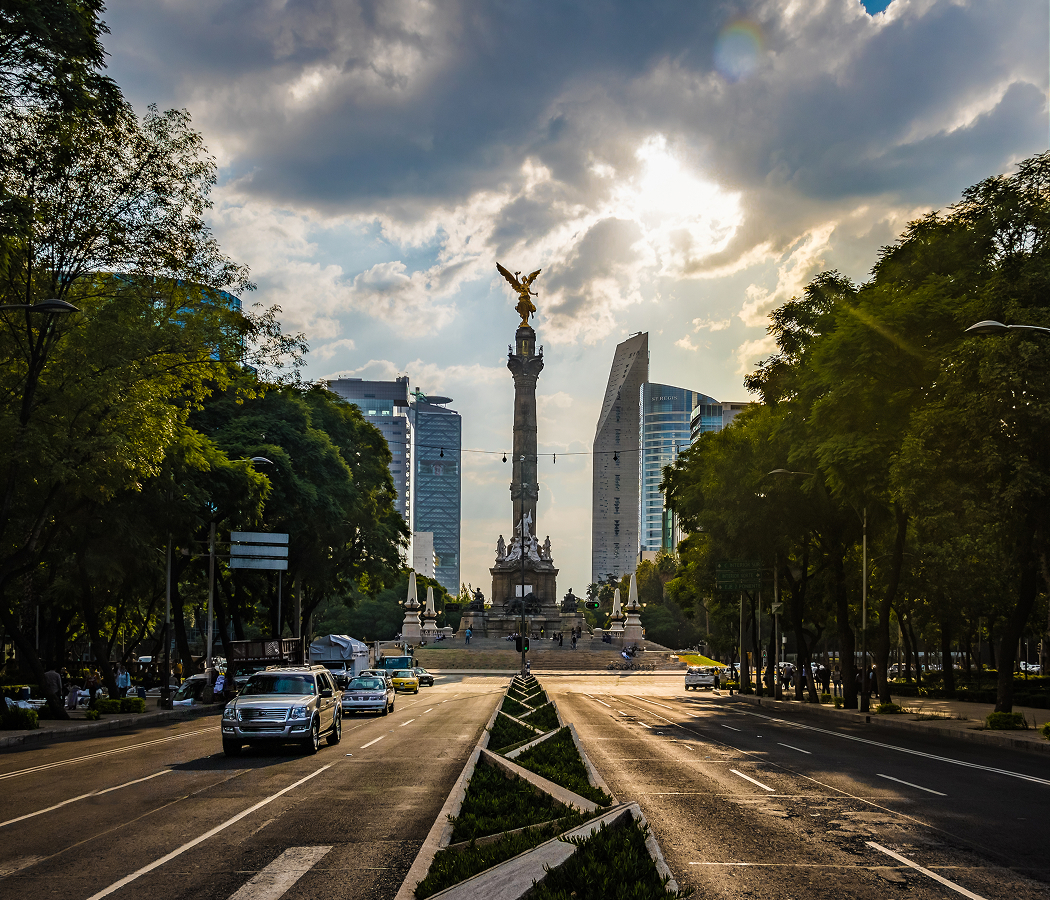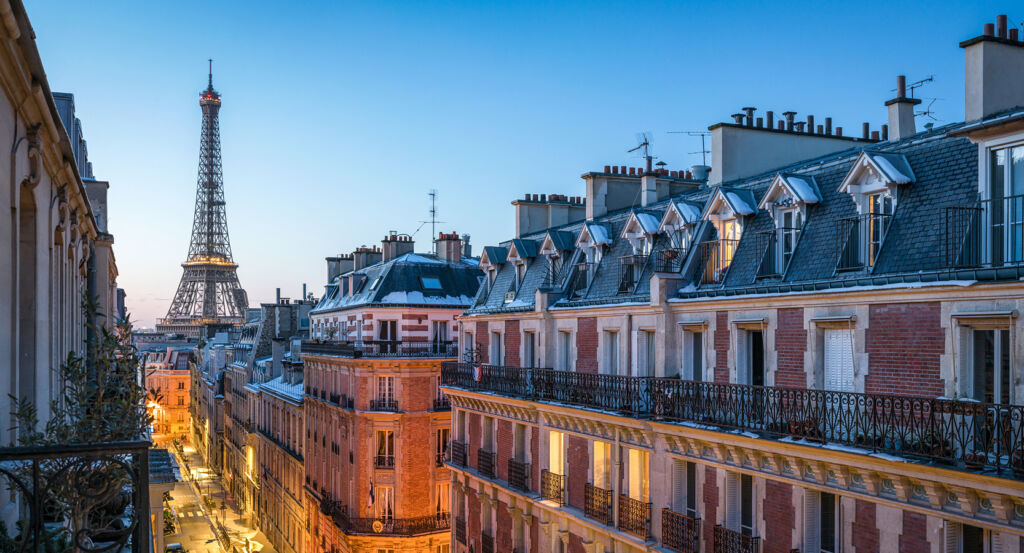
Perfect weekend in Paris, France.
Paris is a city where grand boulevards, celebrated museums, neighborhood cafés, and centuries of art, architecture, and culture come together in one of the world's most enduring urban landscapes.
Begin the mornings beneath the elegant façades of Le Marais, where quiet streets, artisan bakeries, and historic squares awaken before the city reaches its full rhythm. Continue along the banks of the Seine River, crossing its storied bridges toward Île de la Cité, where Notre-Dame Cathedral remains the historic heart of Paris, before wandering through the gardens of the Louvre Museum and the tree-lined promenades of the Jardin des Tuileries. By late morning, the cafés, galleries, and bookshops of Saint-Germain-des-Prés invite an unhurried pause, while the grand avenues surrounding Place de la Concorde lead naturally toward the luxury boutiques of Champs-Élysées. Spend afternoons discovering the masterpieces of the Musée d'Orsay, strolling beneath the wrought-iron silhouette of the Eiffel Tower, exploring the village atmosphere of Montmartre, or climbing to the steps of Sacré-Coeur Basilica for sweeping views across the city's unmistakable skyline.
As evenings approach, Paris settles into the rituals that have defined it for generations. Sidewalk terraces fill with conversation over wine and classic French cuisine, neighborhood bistros welcome diners with seasonal menus, and pastry shops continue serving buttery viennoiseries and delicate desserts long after the afternoon crowds have faded. After dark, the monuments lining the Seine River glow beneath carefully placed illumination, the cabarets of Montmartre come alive, and river cruises reveal the city from one of its most beautiful perspectives. Between the timeless elegance of Le Marais, the artistic legacy of Saint-Germain-des-Prés, the grandeur of the Louvre Museum, and the unforgettable silhouette of the Eiffel Tower, Paris rewards every visit with another reason to slow down and savor one of the world's great capital cities.
Three day itinerary.
Day 1: Seine River
Seine River is best known for providing the geographic structure around which Paris developed for more than two millennia. Île de la Cité concentrated early settlement at a defensible crossing point, and commerce along the water established the river as an economic artery through the growing city. Successive monarchies transformed its banks with palaces, quays, institutions, and grand perspectives, placing Notre-Dame, the Louvre, Invalides, and later the Eiffel Tower within a continuous urban composition. Haussmann's nineteenth-century interventions strengthened the relationship between the river and the expanding capital through new circulation systems and grand vistas. The historic banks between Pont de Sully and Pont d'Iéna entered the UNESCO World Heritage List in 1991, recognizing a riverside ensemble spanning centuries of Parisian architecture and urban development.
Day 1: Plénitude
Plénitude is best known for Arnaud Donckele's transformation of sauce into the central compositional force of haute cuisine. Donckele established the restaurant inside Cheval Blanc Paris, the LVMH maison occupying the redeveloped Samaritaine complex beside the Seine. His cooking organizes sauces as intricate aromatic constructions with top, middle, and base notes, drawing on a collection of preparations he calls Absolutes. MICHELIN awarded Plénitude three stars within months of its 2021 debut, giving Donckele simultaneous three-star restaurants in Paris and Saint-Tropez. Plénitude's position on Quai du Louvre places one of contemporary French gastronomy's most technically distinctive kitchens within the grand river landscape of Central Paris.
Day 2: Luxembourg Palace and Gardens
Luxembourg Palace and Gardens is best known for the royal landscape Marie de Médicis created after the assassination of Henry IV transformed her position within the French monarchy. The widowed queen acquired the Luxembourg property beginning in 1614, seeking surroundings that recalled the gardens of her Florentine childhood. Salomon de Brosse designed the palace, and the surrounding estate developed through extensive land acquisitions between 1614 and 1631. Political and urban transformations repeatedly altered the grounds across subsequent centuries, culminating in boundary changes during Haussmann's reconstruction of Paris under Napoleon III. The 23-hectare garden preserves the scale of Marie de Médicis's original vision within a landscape reshaped by monarchy, revolution, imperial planning, and republican government.
Day 2: Ze Kitchen Galerie
Ze Kitchen Galerie is best known for William Ledeuil's integration of French technique with the aromatic foundations of Southeast Asian cooking. Ledeuil entered Ferrandi in 1984, trained under Alain Dutournier and Guy Savoy, and spent more than a decade working with Savoy before establishing his own restaurant in 2001. Painter and jazz musician Daniel Humair shaped the original interior concept, placing contemporary art beside an open kitchen that made culinary production part of the room. Ledeuil developed a distinctive repertoire around broths, citrus, galangal, ginger, turmeric, wasabi, and other Asian ingredients applied through French technique. MICHELIN awarded the restaurant a star in 2008, and Ledeuil subsequently became an influential mentor to chefs including Adeline Grattard and Adrien Ferrand.
Day 2: Eiffel Tower
Eiffel Tower is best known for converting nineteenth-century structural engineering into the defining monument of the 1889 Exposition Universelle. Engineers Maurice Koechlin and Émile Nouguier conceived the initial 300-meter tower in 1884 inside Gustave Eiffel's company, and architect Stephen Sauvestre subsequently refined its appearance. Their proposal prevailed in a competition involving 107 projects. Construction began in January 1887 and required 18,038 metallic components, 2.5 million rivets, and two years, two months, and five days of work. The completed structure became the world's tallest building and attracted nearly two million people during the exposition. A monument conceived within the engineering culture of the industrial nineteenth century became the most internationally recognizable physical symbol of Paris.
Day 2: Drouant
Drouant is best known for binding Parisian restaurant culture to the institutional history of modern French literature. Charles Drouant established the restaurant in 1880 during the Belle Époque, and its proximity to the city's theatrical and literary districts helped turn the dining room into an intellectual gathering place. The Académie Goncourt selected Drouant for its deliberations in 1914, creating an association that subsequently placed the restaurant at the center of France's most celebrated literary prize. The Prix Renaudot joined that tradition in 1926. Goncourt jurors continue to gather at Drouant during the literary season, giving a Paris restaurant founded in the nineteenth century an extraordinary continuing role in determining which contemporary works enter France's national literary conversation.
Day 3: Le Clarence
Le Clarence is best known for connecting Parisian haute cuisine with one of Bordeaux's most consequential wine dynasties. American financier Clarence Dillon acquired Château Haut-Brion in 1935, beginning the family enterprise subsequently expanded through Château La Mission Haut-Brion and other estates. His great-grandson Prince Robert de Luxembourg brought that lineage to Paris in 2015 by establishing Le Clarence and La Cave du Château inside an 1884 private mansion near the Champs-Élysées. The restaurant developed around the intersection of French gastronomy and the Dillon family's exceptional wine holdings. Andrea Capasso assumed culinary leadership in 2025, extending the house into a new era through cooking structured around disciplined land-and-sea combinations and Italian inflections.
Day 3: Louvre Museum
Louvre Museum is best known for transforming a royal complex on the Seine into one of the central institutions of global art history. The site originated as a medieval fortress before successive French monarchs converted and expanded it into a palace, creating an architectural record of royal power across centuries. Revolutionary France opened the museum in 1793, transferring works associated with monarchy into a public national collection. Subsequent governments and imperial campaigns dramatically expanded its holdings and physical footprint. I. M. Pei introduced the glass pyramid into the Cour Napoléon during François Mitterrand's Grand Louvre project, reorganizing circulation through a new subterranean entrance and inserting a work of late twentieth-century modernism into the historic palace complex. The result joins monarchy, revolution, collecting, archaeology, architecture, and state cultural ambition within a single institution.
Day 3: Pont Alexandre III
Pont Alexandre III is best known for turning the Franco-Russian alliance into one of the great ceremonial works of the 1900 Exposition Universelle. Tsar Nicholas II, Empress Alexandra Feodorovna, and French president Félix Faure laid its first stone in 1896, giving the project an explicit diplomatic purpose. The bridge was constructed along the grand axis connecting the Invalides with the Grand Palais and Petit Palais, integrating transportation infrastructure into the exposition's larger architectural composition. Its low metal span preserved major sightlines across the Seine as sculptural groups, gilded figures, lamps, and grand pylons gave the crossing its ceremonial character. President Émile Loubet inaugurated the bridge with the exposition in 1900, permanently embedding the politics and engineering ambition of Belle Époque Paris into the riverfront.
Day 3: Passionné
Passionné is best known for Satoshi Horiuchi's synthesis of Japanese product discipline with contemporary French cooking. Horiuchi comes from Hokkaido, whose agricultural culture and concentration of small producers shaped his attention to ingredients long before his work in Paris. His kitchen applies that sensibility to modern French technique, placing exceptional emphasis on precise cooking and the intrinsic character of individual products. The dining room extends the Japanese influence through midnight-blue mosaics, dark surfaces, restrained lighting, and an intentionally spare visual composition. MICHELIN recognition established Passionné among Paris's serious contemporary restaurants, extending the city's long history of absorbing international culinary traditions into French gastronomic practice.
Where your story begins.
Foresyte Travel reveals places that feel extraordinary long before you arrive.
Enjoy editorial crafted for luxury travelers.
Foresyte may earn a commission when you book.