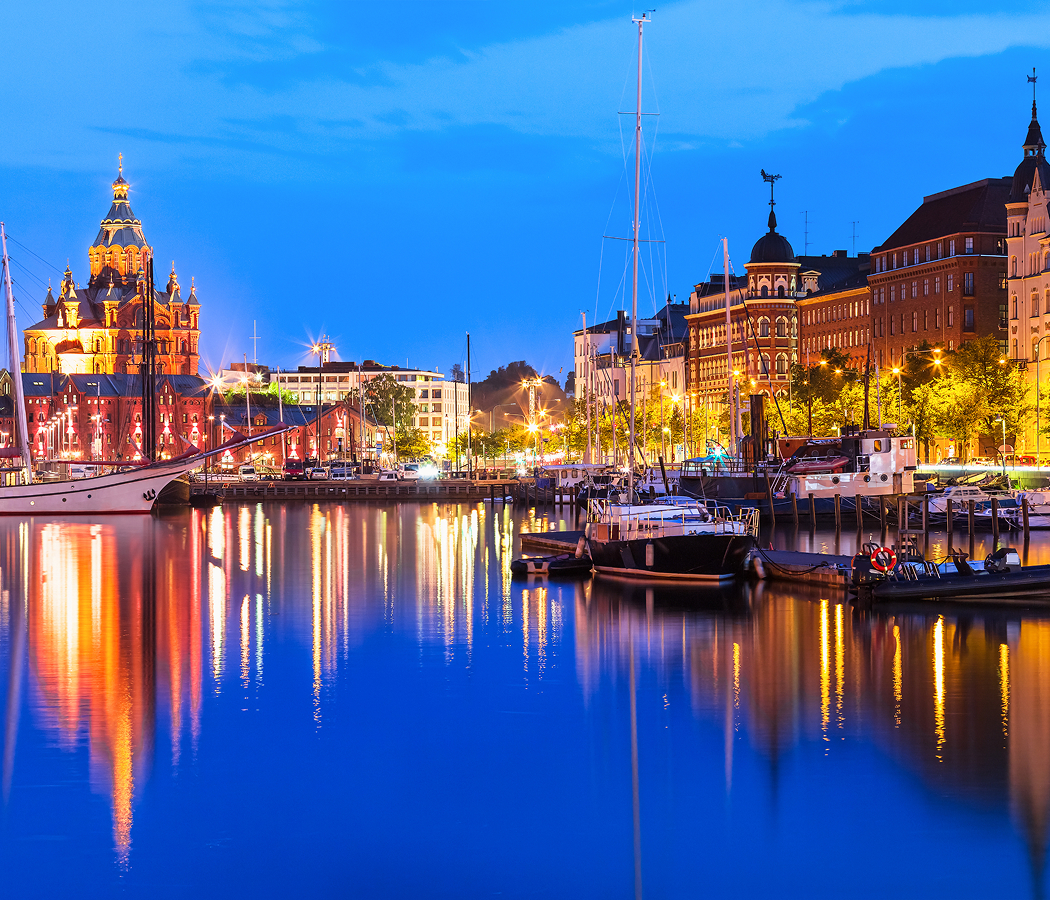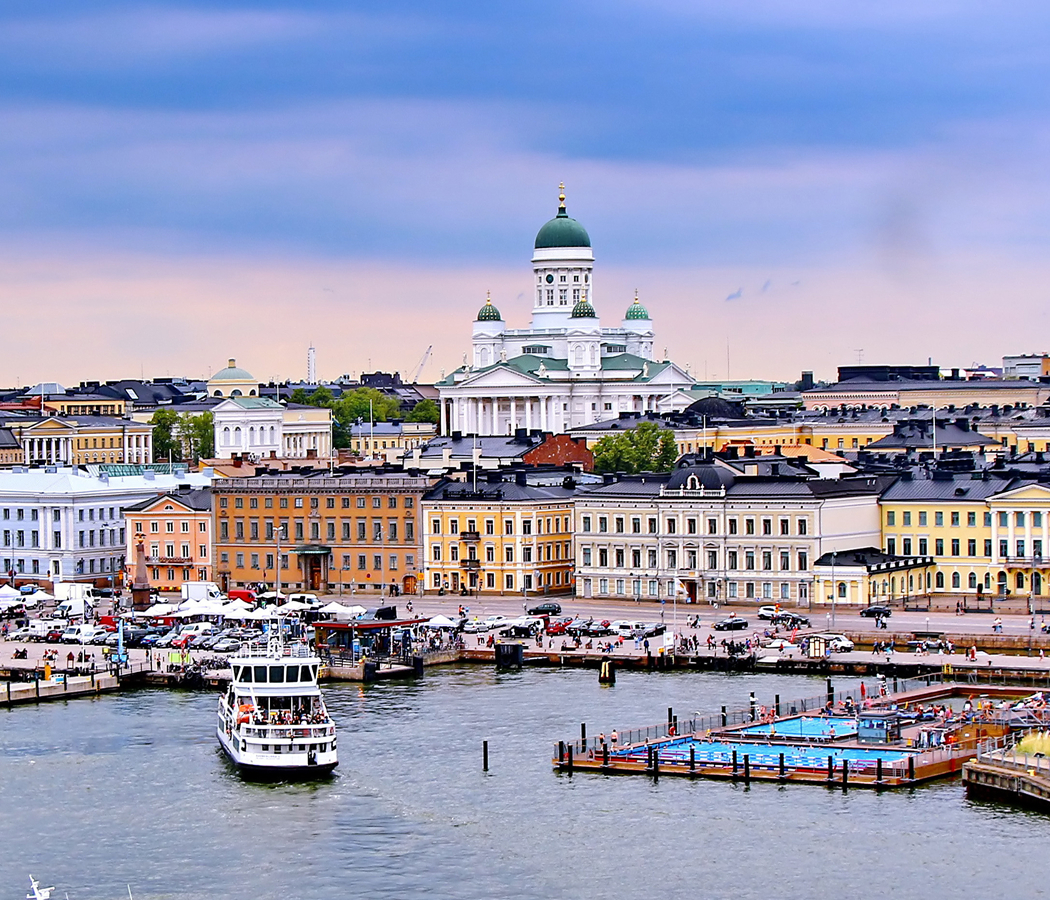
Perfect weekend in Helsinki, Finland.
Helsinki's history extends from a sixteenth-century Baltic trading settlement to the political center of an independent Nordic republic, shaped by Swedish royal ambitions, Russian imperial administration, and Finland's distinctive relationship with the surrounding sea. Situated on the northern shore of the Gulf of Finland, the capital spreads across a network of peninsulas, sheltered bays, and offshore islands whose geography has influenced maritime commerce, military defense, and residential expansion. The surrounding region belonged to territories inhabited by Finnic-speaking communities before Swedish political authority expanded across southern Finland during the medieval period. King Gustav I of Sweden founded Helsinki in 1550 near the mouth of the Vantaa River, intending to establish a commercial competitor to Tallinn across the Baltic. The settlement gradually shifted toward its present coastal position during the seventeenth century, strengthening access to deeper harbor waters and international shipping. Following the Great Northern War, Sweden invested heavily in coastal defenses to protect its eastern territories against Russian expansion. The Finnish War of 1808-1809 ended Swedish rule, transferring Finland to the Russian Empire as an autonomous grand duchy. Emperor Alexander I designated Helsinki as Finland's capital in 1812, replacing Turku and initiating an ambitious reconstruction program that transformed the former trading town into an imperial administrative center. Architect Carl Ludvig Engel played a central role in this transformation, introducing neoclassical buildings and formal public spaces influenced by the architectural traditions of Saint Petersburg. Finland declared independence in 1917, followed by a civil war in 1918 that profoundly affected the young republic. Helsinki subsequently developed through industrial expansion, parliamentary government, and the reconstruction associated with the Second World War. The 1952 Summer Olympic Games brought substantial international attention to the capital, preceding decades of technological innovation, architectural experimentation, and investment in public institutions.
Finnish modernism transformed international architecture and industrial design during the twentieth century, with Helsinki becoming an important setting for the work of architects, artists, and manufacturers whose creations influenced Scandinavian and European visual culture. Alvar Aalto developed an architectural approach combining functionalist principles with organic forms, natural light, and carefully selected building components, contributing to the international prominence of Finnish modernism. His Helsinki commissions include Finlandia Hall, completed in 1971, whose white marble exterior and carefully composed interior spaces demonstrate his approach to public architecture. The Design Museum preserves significant collections of Finnish furniture, textiles, ceramics, glassware, and industrial products, including works associated with designers such as Aalto, Kaj Franck, and Tapio Wirkkala. The Museum of Contemporary Art Kiasma, designed by American architect Steven Holl and opened in 1998, strengthened Helsinki's institutional presence within contemporary European visual art. Finnish literature achieved international recognition through writers including Aleksis Kivi, whose novel Seven Brothers contributed to the development of Finnish-language fiction, and Tove Jansson, whose Moomin books became internationally celebrated works of children's literature. The Finnish National Theatre, established in 1872, contributed to the professional development of Finnish-language dramatic performance during the country's national awakening. Helsinki's musical institutions include the Finnish National Opera and Ballet and the Helsinki Philharmonic Orchestra, founded in 1882, which played an important role in the early performance history of Jean Sibelius. The capital's food culture draws upon Finland's forests, freshwater lakes, Baltic coastline, and northern agricultural regions, emphasizing rye, potatoes, mushrooms, berries, fish, and seasonal vegetables. Traditional preparations include lohikeitto, a creamy salmon soup; karjalanpiirakka, rye pastries filled with rice; and dishes featuring Baltic herring, reindeer, and wild mushrooms. Contemporary Finnish restaurants have expanded these foundations through fermentation, foraged ingredients, sustainable fisheries, and interpretations of traditional Nordic cooking. A weekend in Helsinki connects imperial history, Finnish modernist design, literary and musical innovation, and the northern landscapes and seasonal ingredients that distinguish Finland's Baltic capital.
Three day itinerary.
Day 1: Helsinki Cathedral
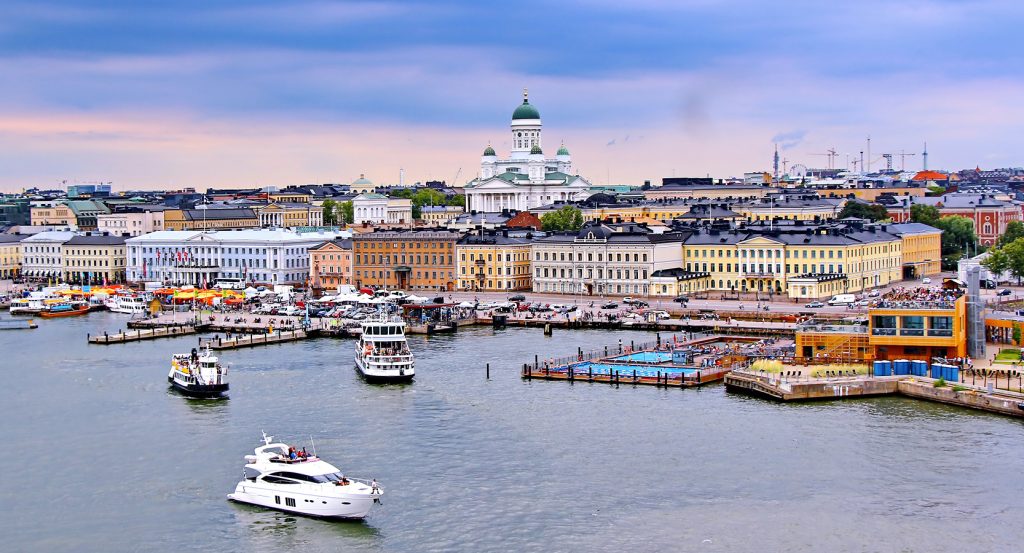
Helsinki Cathedral is best known for its expansive neoclassical architecture and its commanding position above Senate Square, forming the architectural centerpiece of Finland's capital. German-born architect Carl Ludvig Engel designed the cathedral as part of the extensive rebuilding of Helsinki following its designation as the capital of the Grand Duchy of Finland in 1812. Construction began in 1830, and the church was completed in 1852 under the direction of architect Ernst Lohrmann, who introduced additional architectural elements following Engel's death. Its brilliant white exterior, green domes, Corinthian columns, and symmetrical composition reflect the influence of European neoclassicism and the imperial architectural traditions of nineteenth-century Russia. The cathedral was originally dedicated to Saint Nicholas, honoring the Russian emperor Nicholas I, before receiving its present name following Finnish independence. Its elevated position establishes a dramatic relationship with Senate Square, whose surrounding government and university buildings also reflect Engel's architectural vision. The cathedral's restrained Lutheran interior contrasts with the expansive grandeur of its exterior, expressing the religious traditions that shaped Finnish society. Helsinki Cathedral represents the defining architectural achievement of Helsinki's transformation into a nineteenth-century European capital.
Day 1: Restaurant Savotta
Restaurant Savotta is best known for its traditional Finnish cuisine and its distinctive interpretation of the country's rural culinary heritage within Helsinki's historic center. The restaurant occupies a prominent position overlooking Senate Square, connecting its dining environment with the expansive architecture of nineteenth-century Helsinki. Its interiors draw on the material traditions of Finnish forest settlements through timber furnishings, rustic decorative objects, and references to the working culture of the country's northern landscapes. The kitchen emphasizes ingredients associated with Finnish forests, lakes, and agricultural regions, including reindeer, freshwater fish, mushrooms, root vegetables, berries, and rye. Traditional preparations reflect the historical importance of preservation, smoking, slow cooking, and seasonal harvesting in northern European food culture. Savotta represents an established expression of Finnish culinary heritage through its concentration on regional ingredients, traditional cooking techniques, and the cultural relationship between food and Finland's natural environment.
Day 2: Suomenlinna
Suomenlinna is best known for its extraordinary eighteenth-century maritime fortifications spread across a group of islands guarding the approaches to Helsinki Harbor. Construction began in 1748 under Swedish military engineer Augustin Ehrensvärd, who developed the complex as a major defensive stronghold during a period of intense rivalry between Sweden and Russia. Originally named Sveaborg, the fortress incorporated extensive bastions, artillery positions, military buildings, and naval infrastructure designed to protect Sweden's eastern territories. The fortress surrendered to Russian forces in 1808 during the Finnish War, marking a decisive moment in the political transformation that brought Finland under Russian rule. Following Finnish independence in 1917, the complex received the name Suomenlinna, reflecting its new national significance. Its surviving fortifications preserve architectural elements associated with Swedish, Russian, and Finnish military history, creating an extraordinary record of successive political periods. UNESCO inscribed Suomenlinna on the World Heritage List in 1991, recognizing its exceptional significance within the history of European military architecture. Suomenlinna represents one of northern Europe's most important maritime fortification complexes and a defining institution of Finnish national heritage.
Day 2: Restaurant Sea Horse
Restaurant Sea Horse is best known for preserving the culinary traditions of Helsinki's historic neighborhood restaurants through an extensive repertoire of classic Finnish dishes. Established in 1934, the restaurant developed into a significant institution within the Ullanlinna district, attracting generations of artists, writers, intellectuals, and local residents. Its dining room retains the atmosphere of a traditional Finnish restaurant, reflecting the social culture of Helsinki during the twentieth century. The kitchen specializes in established preparations including fried Baltic herring, meatballs, salmon, and seasonal dishes associated with Finland's maritime and agricultural traditions. Its celebrated fried herring reflects the historical importance of Baltic Sea fishing within the food culture of coastal Finland. Sea Horse represents an important surviving institution of Helsinki's culinary history through its preservation of traditional recipes and its longstanding association with the city's artistic and intellectual communities.
Day 2: Temppeliaukio Church
Temppeliaukio Church is best known for its extraordinary architectural integration into natural bedrock, creating one of the most celebrated examples of modern Finnish religious architecture. Designed by architects Timo and Tuomo Suomalainen, the church opened in 1969 following a design competition that sought an innovative solution for a church within Helsinki's Töölö district. Its interior was excavated directly into a granite outcrop, preserving the irregular textures and geological character of the surrounding rock. A shallow copper-lined dome spans the central worship space, supported by a circular arrangement of structural elements and illuminated through a continuous band of skylights. The exposed stone walls and copper surfaces create exceptional acoustic conditions, establishing the church as an important venue for musical performances. Its design reflects the broader development of Finnish modernism through the integration of natural materials, functional engineering, and carefully controlled light. Temppeliaukio Church represents an exceptional achievement in twentieth-century sacred architecture through its synthesis of geological landscape, modern structural design, and Lutheran religious traditions.
Day 2: Restaurant Olo
Restaurant Olo is best known for its sophisticated interpretation of contemporary Nordic cuisine through ingredients associated with Finland's forests, lakes, coastline, and agricultural regions. Established in 2006, the restaurant developed into one of Helsinki's leading fine-dining institutions through an ambitious culinary program emphasizing seasonal produce and refined contemporary technique. Its kitchen draws on the distinctive ingredients of northern Europe, incorporating freshwater fish, seafood, wild mushrooms, berries, root vegetables, and carefully prepared meats into elaborate tasting menus. Traditional Finnish preservation methods, including fermentation, curing, and smoking, contribute to a culinary approach that connects historical food practices with modern gastronomy. Olo received its first MICHELIN star in 2011, establishing its position within the international development of contemporary Nordic fine dining. The restaurant's refined dining environment reflects the broader transformation of Helsinki into a significant destination for innovative northern European cuisine. Olo represents a defining institution in modern Finnish gastronomy through its commitment to regional ingredients, technical precision, and contemporary culinary authorship.
Day 3: Cafe Regatta
Cafe Regatta is best known for its traditional Finnish café atmosphere within a distinctive red wooden cottage overlooking the waterfront of Töölö. The building's rustic architectural character reflects the small timber structures historically associated with Helsinki's coastal recreational landscapes. Its interior incorporates traditional furnishings, vintage objects, and a wood-burning stove, creating an intimate environment rooted in Finnish cottage culture. The café's culinary character emphasizes cinnamon buns, pastries, coffee, and simple traditional preparations associated with Finland's longstanding baking traditions. Korvapuusti, the Finnish cinnamon roll distinguished by its cardamom-scented dough and characteristic folded shape, represents one of the country's most celebrated baked specialties. The surrounding waterfront connects the café with Helsinki's maritime landscape and the recreational traditions of its coastal neighborhoods. Café Regatta represents a distinctive expression of Finnish café culture through its combination of traditional baking, timber architecture, and intimate seaside hospitality.
Day 3: Sibelius Monument
Sibelius Monument is best known for its extraordinary abstract sculptural composition honoring Jean Sibelius, Finland's most celebrated composer. Designed by Finnish sculptor Eila Hiltunen and unveiled in 1967, the monument occupies a landscaped setting within Sibelius Park in Helsinki's Töölö district. Its principal structure consists of more than 600 hollow steel pipes arranged in a dramatic wave-like formation, creating an abstract visual interpretation associated with music, movement, and the natural landscapes that influenced Sibelius's compositions. The monument's unconventional design generated public debate during its development, reflecting broader tensions between abstract modernism and traditional commemorative sculpture. Hiltunen subsequently incorporated a separate sculptural representation of Sibelius's face, establishing a relationship between the composer's recognizable character and the monument's experimental architectural form. Sibelius's compositions, including Finlandia and his seven symphonies, played an important role in the development of Finnish national cultural character during the country's movement toward independence. Sibelius Monument represents a significant achievement in Finnish public sculpture through its synthesis of musical heritage, modern artistic experimentation, and national cultural memory.
Day 3: Ateneum Art Museum
Ateneum Art Museum is best known for preserving Finland's most important collection of classical Finnish art and its extraordinary relationship with the development of national artistic character during the nineteenth and early twentieth centuries. Opened in 1887, the museum occupies an expansive building designed by architect Theodor Höijer near Helsinki's central railway district. Its collections encompass major works by Finnish artists including Akseli Gallen-Kallela, Albert Edelfelt, Helene Schjerfbeck, and Eero Järnefelt, whose paintings shaped the visual culture of Finland's national awakening. Gallen-Kallela's interpretations of the Kalevala, Finland's national epic, established a powerful relationship between painting, mythology, and the emerging independence movement. Schjerfbeck's portraits and increasingly abstract compositions reflect the development of Finnish modernism through an exceptionally individual artistic language. The museum also preserves significant European works, connecting Finnish artistic development with broader international movements. Ateneum represents one of northern Europe's most consequential national art institutions through its preservation of the artistic achievements that shaped modern Finnish cultural identity.
Day 3: Restaurant Grön
Restaurant Grön is best known for its inventive interpretation of contemporary Nordic cuisine through seasonal vegetables, wild ingredients, and carefully composed tasting menus. Established by chef Toni Kostian, the restaurant developed a culinary character centered on the exceptional agricultural and botanical resources of Finland. Its kitchen emphasizes vegetables, herbs, mushrooms, berries, and other ingredients associated with the country's forests and seasonal growing cycles, incorporating modern techniques that highlight natural flavors and textures. Fermentation, preservation, and precise cooking methods contribute to a gastronomic approach grounded in the relationship between Finnish culinary traditions and contemporary European fine dining. Grön received a MICHELIN star in 2018, establishing its position among Helsinki's leading contemporary restaurants. The restaurant represents an influential expression of modern Finnish gastronomy through its concentration on plant-forward cooking, regional sourcing, and technical creativity.
Where your story begins.
Foresyte Travel reveals places that feel extraordinary long before you arrive.
Enjoy editorial crafted for luxury travelers.
Foresyte may earn a commission when you book.