Why Humuhumunukunukuāpuaʻa matters.
Humuhumunukunukuāpuaʻa is an oceanfront Hawaiian seafood restaurant where Wailea's luxury hospitality culture meets the culinary traditions of the Pacific, Grand Wailea's ambitious resort architecture and the revival of a celebrated dining destination built around Maui's coastal landscape.
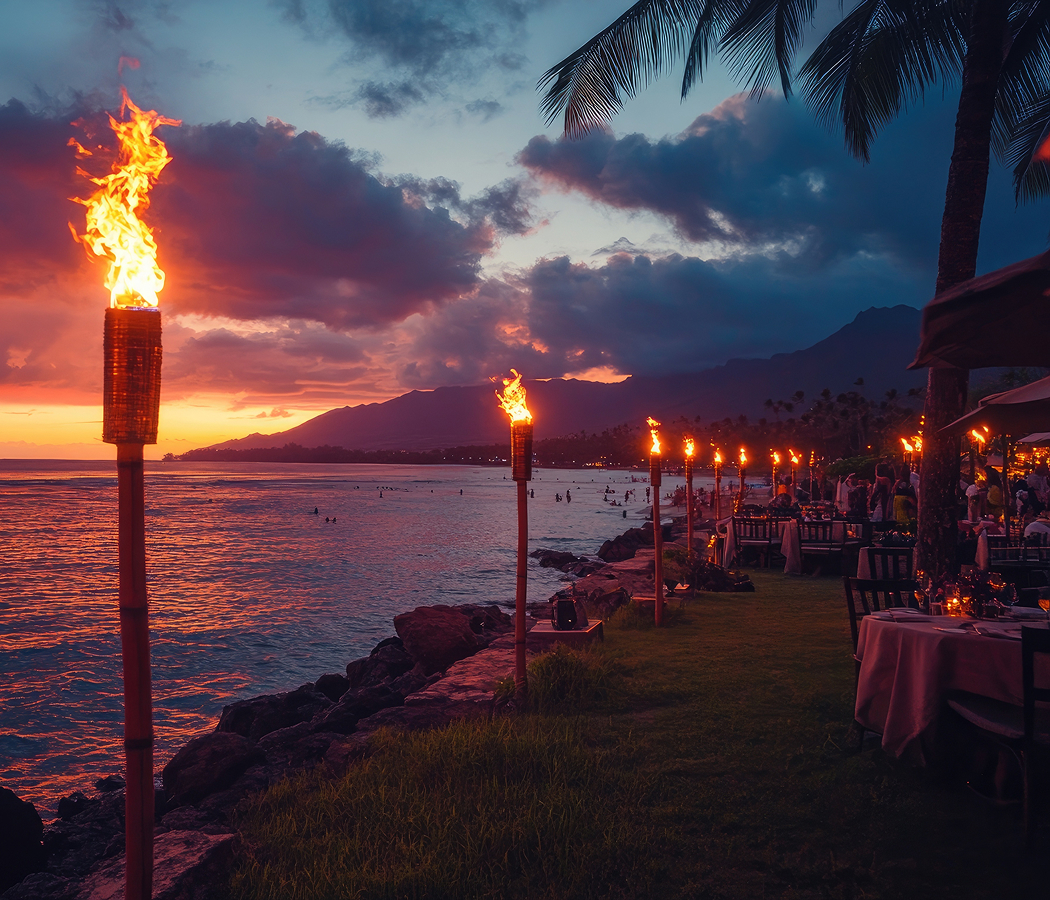
Occupying a lagoon-side pavilion within Grand Wailea above Wailea Beach, Humuhumunukunukuāpuaʻa stands between the resort's tropical gardens and the Pacific shoreline, north of Wailea Point and south of the coastal terraces approaching Wailea Beach Resort, with Kahoʻolawe visible across the ʻAlalākeiki Channel. Its open-air structure rises above a saltwater lagoon, with a steeply pitched thatched roof, timber columns and broad openings overlooking the surrounding water. Wooden walkways connect the dining pavilion with landscaped resort grounds, passing tropical vegetation and water features that establish a distinctive approach to the restaurant. The interior incorporates polished timber, contemporary seating and warm lighting, with tables arranged along the perimeter to preserve views toward the ocean and lagoon. An adjoining bar provides a separate gathering space beneath the expansive roof, and the building's elevated position creates an intimate relationship with the surrounding aquatic landscape. The result is an architecturally distinctive waterfront restaurant whose Polynesian-inspired pavilion, saltwater setting and Pacific views establish one of Wailea's most recognizable dining environments.
What defines Humuhumunukunukuāpuaʻa.
Humuhumunukunukuāpuaʻa is best known for its position within Grand Wailea, the expansive resort developed by Japanese businessman Takeshi Sekiguchi and opened in 1991 during a period of substantial international investment in South Maui's luxury hospitality industry. Sekiguchi envisioned a resort that would combine elaborate architecture, extensive landscaping and an ambitious collection of art, creating a property distinguished by its theatrical interpretation of Hawaiian and Polynesian cultural forms. The resort's design was developed by architectural firm Killingsworth, Stricker, Lindgren, Wilson and Associates, whose work incorporated grand public spaces, dramatic water features and a carefully organized relationship between the buildings and surrounding landscape. Humuhumunukunukuāpuaʻa became one of the property's principal dining attractions, occupying a distinctive open-air structure designed to evoke traditional Polynesian gathering houses. Its name derives from the Hawaiian designation for the reef triggerfish, Rhinecan rectangulus, a marine species recognizable by its angular body, distinctive markings and association with Hawaiʻi's shallow reef environments. The fish became Hawaiʻi's official state fish in 1985, and its name was reaffirmed through legislation signed in 2006 after the original designation expired. The restaurant's character developed around a recognizable element of Hawaiian marine life, connecting its dining program with the surrounding Pacific environment. The original restaurant specialized in seafood and steak, establishing a fine-dining destination within Grand Wailea's extensive hospitality program. Its lagoon setting became a central part of the resort's architectural composition, connecting dining with the property's elaborate network of pools, gardens and waterways. Over subsequent decades, the restaurant developed a reputation for sunset dinners, Hawaiian seafood and the distinctive experience of dining above water within an open-air pavilion. Its culinary program evolved through successive resort leadership teams, incorporating contemporary preparations alongside established steakhouse and seafood traditions. Grand Wailea became part of the Waldorf Astoria Hotels & Resorts portfolio, introducing the property to Hilton's international luxury hospitality network. A major transformation began in 2022 when the resort initiated a comprehensive renovation of its public spaces, accommodations and dining establishments. Humuhumunukunukuāpuaʻa closed during the project, allowing its architecture and culinary program to undergo substantial redevelopment. The restaurant reopened on November 15, 2023, following a multimillion-dollar renovation that preserved its recognizable pavilion structure and introduced contemporary design elements. The redesign was undertaken by Tihany Design, the internationally recognized hospitality design studio founded by Adam D. Tihany, whose work includes prominent restaurants and luxury hotels across several continents. The project emphasized the restaurant's relationship with the lagoon and Pacific horizon, incorporating updated furnishings, lighting and decorative elements inspired by the surrounding marine environment. Grand Wailea's culinary leadership introduced a revised menu centered on sustainably sourced seafood, prime meats and ingredients associated with Hawaiʻi's agricultural producers. Executive Chef Ryan Fox oversaw the restaurant's renewed culinary direction, developing a contemporary approach to Hawaiian coastal dining within the resort's established luxury hospitality program. The reopening also introduced a stronger emphasis on the bar, expanding the restaurant's appeal through craft cocktails and a more flexible dining arrangement. Humuhumunukunukuāpuaʻa's transformation formed part of Grand Wailea's broader effort to modernize its hospitality offering while preserving the architectural features that had distinguished the property since its opening. The restaurant's significance rests on its relationship with one of Maui's most ambitious resort developments, its unusual overwater architecture and the continuing evolution of Hawaiian seafood dining within an internationally recognized luxury hotel.
Ryan Fox's culinary direction centers on the relationship between Hawaiian seafood, carefully controlled cooking techniques and ingredients cultivated across the islands. The kitchen's approach begins with the natural character of Pacific fish, using acidity, aromatic oils and restrained seasoning to preserve the flavor and texture of the principal ingredient. Raw seafood preparations develop this approach through the combination of fresh fish, citrus and complementary garnishes, creating a sequence of flavors that emphasizes the fish's natural sweetness. Hawaiian kampachi provides a particularly suitable foundation through its firm texture and balanced richness, allowing citrus-based dressings to sharpen the flavor of the flesh. Ahi tuna introduces a different expression of the same principle, with its deeper color and distinctive savory character supporting preparations influenced by Hawaiian poke traditions. The kitchen extends its treatment of seafood through carefully cooked fish, where controlled heat develops a lightly browned exterior as the interior retains moisture and tenderness. Butter-based sauces and aromatic herbs contribute richness and fragrance, connecting contemporary restaurant techniques with ingredients associated with the Pacific. Shellfish preparations develop another dimension through the natural sweetness of lobster and other crustaceans, whose delicate flesh benefits from precise cooking and complementary acidity. The restaurant's emphasis on prime meats introduces a contrasting culinary tradition, with carefully selected beef prepared through high-temperature cooking to develop surface caramelization and concentrated savory flavor. Accompanying vegetables provide another relationship between Hawaiian agriculture and the dining program, incorporating seasonal produce whose preparation emphasizes natural sweetness, texture and freshness. The kitchen's use of locally sourced ingredients establishes connections with Maui's farming communities, whose cultivation of vegetables, fruit and aromatic herbs contributes to the diversity of the island's contemporary restaurant culture. Tropical fruit also influences the dessert program, where ingredients such as coconut, pineapple and lilikoi provide distinctive combinations of sweetness and acidity. The beverage program develops a complementary interpretation of Hawaiian ingredients through cocktails incorporating tropical fruit, citrus, fresh herbs and spirits associated with the islands. Rum-based preparations connect the restaurant to the broader history of sugarcane cultivation in Hawaiʻi, introducing a spirit whose agricultural origins are closely associated with Maui's former plantation economy. Contemporary cocktail techniques create additional complexity through infused spirits, carefully balanced syrups and aromatic garnishes, establishing a relationship between the drinks and the kitchen's emphasis on fresh ingredients. The open-air bar supports a gradual transition between afternoon refreshments and evening dining, with the western horizon contributing a changing natural backdrop to the restaurant's service. The lagoon surrounding the pavilion provides another distinctive dimension through its relationship with the dining room, creating the impression of a structure suspended above water. Evening lighting accentuates the timber architecture and surrounding landscape, producing a more intimate setting as the Pacific horizon darkens. Humuhumunukunukuāpuaʻa's culinary distinction emerges through this coordinated approach to Hawaiian seafood, contemporary cooking techniques and tropical ingredients, sustained by an architectural setting closely connected to Maui's coastal environment.
How Humuhumunukunukuāpuaʻa fits.
Humuhumunukunukuāpuaʻa works as the starting point for an exploration connecting Wailea's public beaches, the volcanic geography of South Maui and the preservation of Hawaiian cultural heritage within the island's principal luxury resort district.
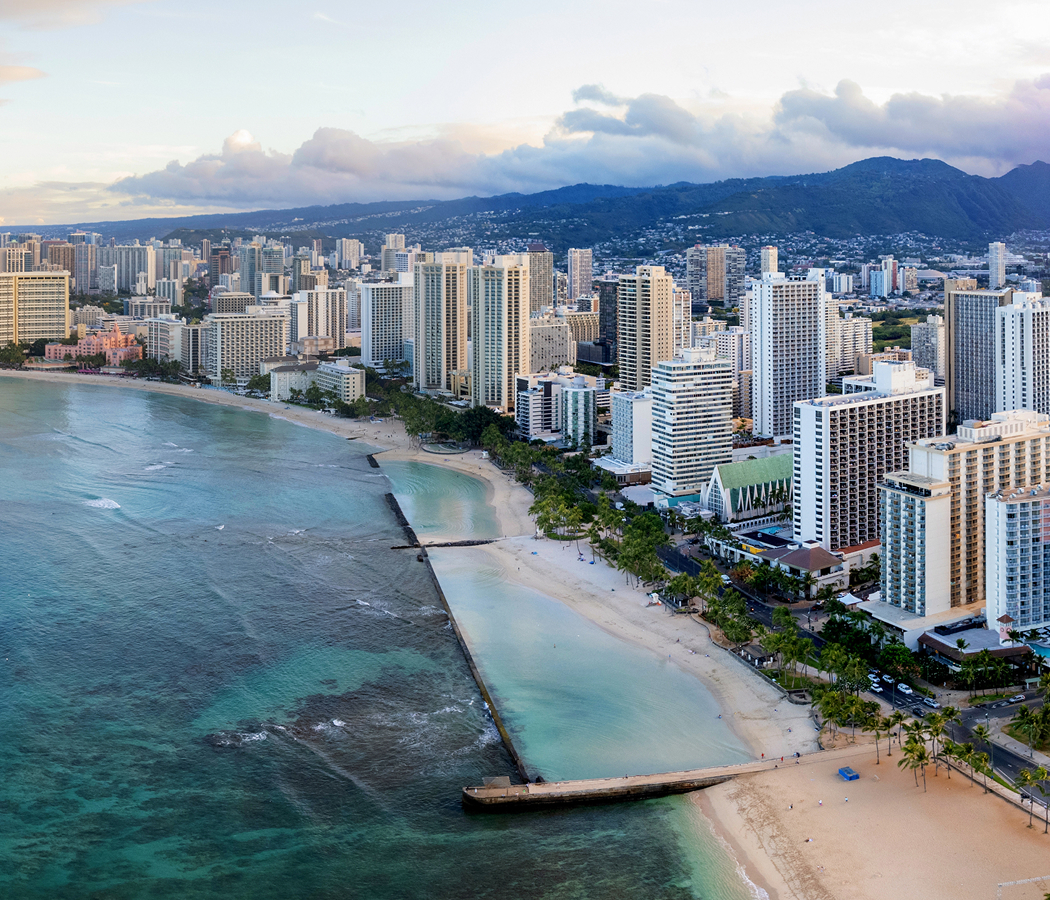
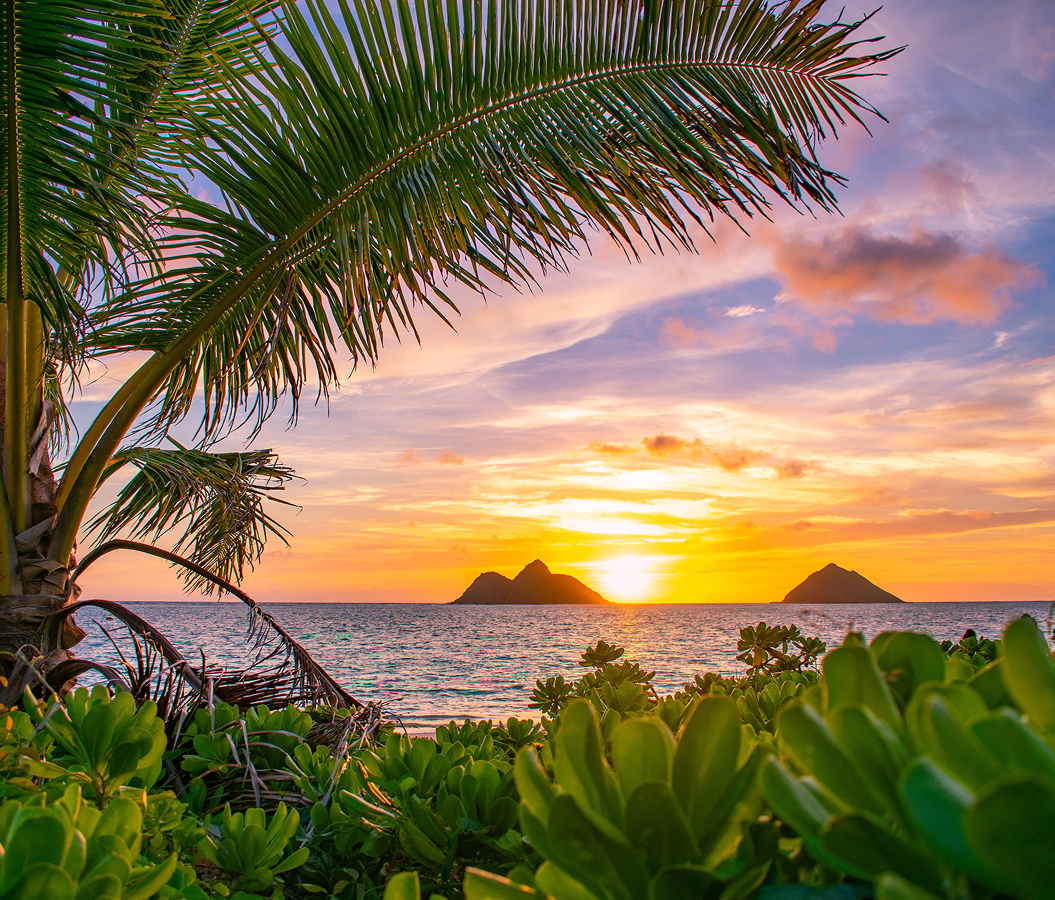
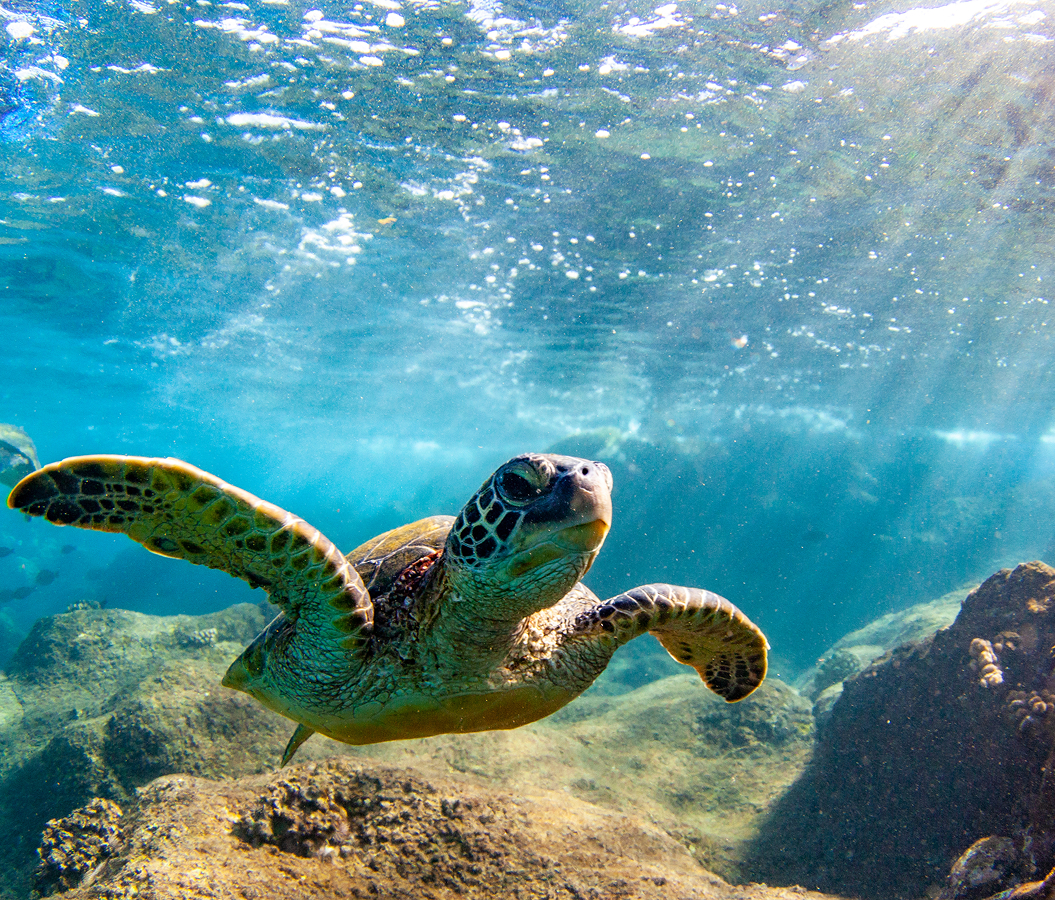
Begin at Wailea Beach, the broad crescent of pale sand extending between Grand Wailea and Four Seasons Resort Maui. Its shoreline occupies a sheltered volcanic embayment enclosed by rocky headlands, with clear Pacific waters extending toward offshore reef formations. The sand contains fragments of coral, shells and other marine organisms, creating the pale coloration that contrasts with the surrounding basalt. The beach forms part of Hawaiʻi's public shoreline system, maintaining access independently of the adjacent hotel properties. Seasonal south swells change the character of the bay, introducing stronger surf and nearshore currents during periods of increased wave activity. Its western orientation provides extensive views toward Kahoʻolawe and the partially submerged volcanic crater of Molokini. Continue to Wailea Point, the rocky promontory separating the principal Wailea shoreline from the smaller bays extending south toward Polo Beach. Ancient lava flows created the exposed basalt formations that define the headland, with marine erosion subsequently shaping its irregular shoreline. The Wailea Beach Path crosses the elevated coastal terrain, connecting landscaped resort grounds with public oceanfront viewpoints. Offshore waters support reef fish and Hawaiian green sea turtles, whose feeding grounds include the rocky marine environments surrounding South Maui's volcanic headlands. During the winter breeding season, humpback whales migrate into the channels surrounding Maui, and the promontory provides a vantage point across their offshore habitat. The headland's position also establishes a clear geographical relationship between Wailea's adjoining beaches and the volcanic formations that separate them. Conclude at Palauea Cultural Preserve, a protected Hawaiian archaeological landscape occupying twenty-one acres near the coast south of Wailea. The property lies within the traditional ahupuaʻa of Palauea, part of the larger Honuaʻula district, and contains significant evidence of Hawaiian settlement before the expansion of ranching and resort development. Archaeological features include ceremonial structures, residential foundations and agricultural remains associated with communities that occupied the region for generations. The Office of Hawaiian Affairs acquired the preserve in December 2012 to protect its cultural resources and support long-term stewardship. The property contains twelve significant archaeological sites and represents an important surviving concentration of Hawaiian cultural heritage in the Wailea-Mākena area. Its preservation program connects archaeological conservation with Native Hawaiian cultural education and traditional stewardship, with access governed by the property's management arrangements. The progression moves from Wailea Beach's public shoreline through Wailea Point's volcanic coastal geography and culminates in Palauea Cultural Preserve's surviving Hawaiian settlement landscape, connecting the natural and cultural history that underlies Wailea's contemporary hospitality district.
Where your story begins.
Foresyte Travel reveals places that feel extraordinary long before you arrive.
Enjoy editorial crafted for luxury travelers.
Foresyte may earn a commission when you book.