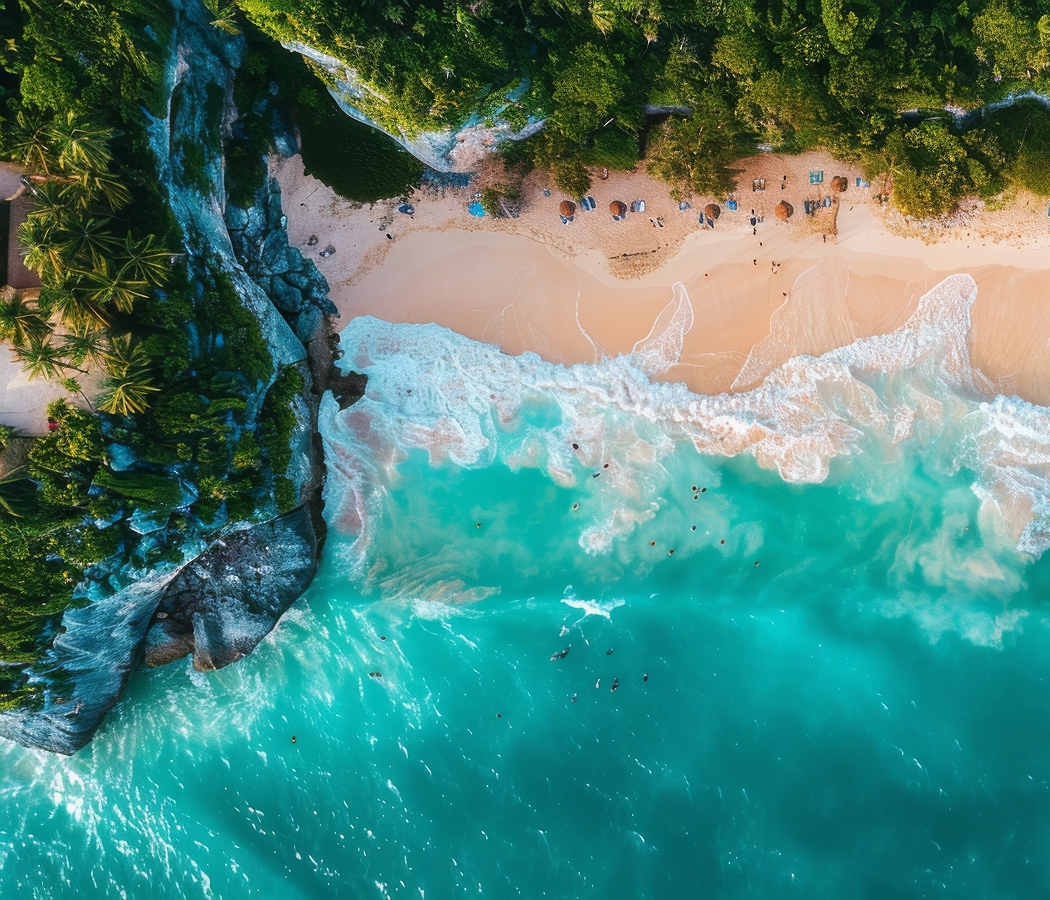
Top places to stay in The Caribbean.
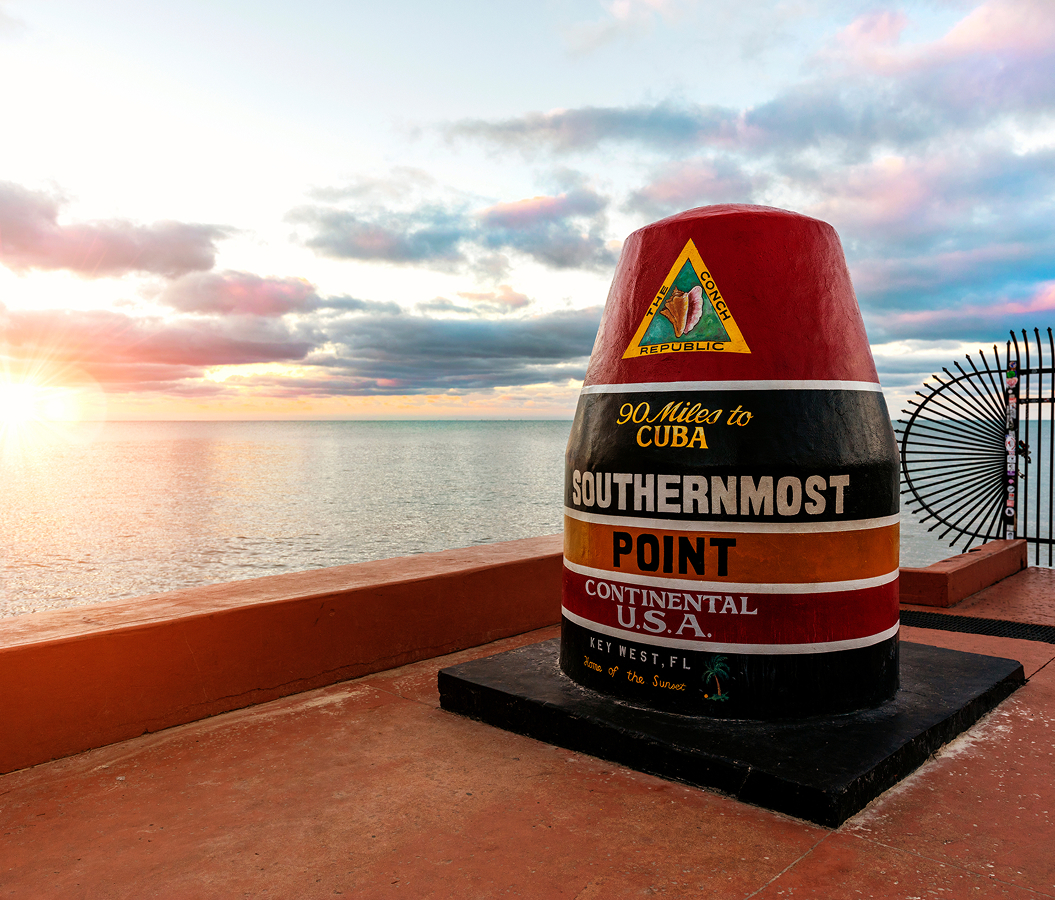
Key West became one of the most prosperous ports in nineteenth-century Florida through an unusual combination of maritime geography, shipwreck salvage, Caribbean commerce, and tropical isolation. Situated at the southern end of the Florida Keys, the island occupies a strategic position between the Gulf of Mexico, the Florida Straits, and the shipping routes connecting the Atlantic with the Caribbean. Spanish navigators called the island Cayo Hueso, a name that evolved into Key West. American settlement accelerated after John Simonton purchased the island in 1822, and the establishment of a United States naval presence strengthened its commercial importance. Wrecking, the organized salvage of vessels stranded on surrounding reefs, generated substantial wealth and supported an expanding population of merchants, sailors, and shipbuilders. Early boardinghouses accommodated maritime travelers, naval personnel, and commercial visitors. The construction of Fort Zachary Taylor began in 1845, reinforcing the island's strategic importance. Cuban migration during the nineteenth century introduced cigar manufacturing, transforming Key West into a major industrial center with close economic connections to Havana. The opening of the Russell House in 1898 contributed to an established tradition of waterfront hospitality. Henry Flagler's Overseas Railroad reached Key West in 1912, connecting the island directly with mainland Florida and stimulating tourism. The Casa Marina opened in 1920 as a luxurious seaside establishment developed by Flagler's Florida East Coast Hotel Company. Designed by architects Thomas Hastings and John M. Carrère, its Mediterranean-inspired architecture introduced a grand resort environment to the southern shoreline. The devastating Labor Day hurricane of 1935 destroyed substantial sections of the railway, prompting the development of the Overseas Highway as the principal land connection. During the Second World War, naval activity strengthened the local economy, and military installations remained important throughout the Cold War. The mid-twentieth century brought a growing community of writers, artists, and visitors attracted by the island's tropical climate and unconventional social atmosphere. Historic houses gradually became guesthouses, and former commercial buildings were adapted into intimate boutique properties. Tourism expanded substantially during the late twentieth century, supported by improved transportation and the preservation of historic architecture. Key West now combines the inheritance of a working maritime port, a Cuban-influenced industrial community, and a celebrated American literary enclave within a remarkably compact island setting.
Key West occupies a low-lying coral island surrounded by turquoise water, with narrow streets, historic wooden houses, tropical gardens, and intimate waterfront districts creating an architectural landscape unlike any other American city. Old Town forms the principal concentration of historic accommodation, extending through a dense network of nineteenth-century streets shaded by banyan trees, palms, and flowering tropical vegetation. Guesthouses occupy restored Conch houses distinguished by wooden siding, broad porches, louvered shutters, and decorative gingerbread trim. Many properties surround secluded courtyards and small swimming pools, creating an intimate atmosphere within walking distance of restaurants and cultural landmarks. Duval Street provides the island's principal commercial corridor, connecting the Gulf waterfront with the Atlantic shore through a lively concentration of restaurants, galleries, shops, and entertainment venues. Boutique properties along its quieter adjoining streets offer convenient access to the district's nightlife and historic architecture. Westward, the Historic Seaport surrounds a sheltered harbor filled with fishing vessels, excursion boats, and sailing yachts. Waterfront hotels occupy prominent positions near the marina, offering views across the harbor and convenient access to maritime excursions. The surrounding streets preserve former commercial buildings and traditional waterfront structures that reflect the island's working-port heritage. Farther west, the Truman Annex occupies a carefully maintained district of historic naval buildings, landscaped streets, and substantial residential properties. Its quieter atmosphere provides convenient access to the waterfront and surrounding historic neighborhoods. Southward, the Casa Marina district presents a more spacious resort environment through substantial oceanfront properties, landscaped gardens, and elegant residential streets. Broad verandas, Mediterranean-inspired architecture, and extensive recreational grounds distinguish the area from the compact historic center. The adjoining South Beach area offers a lively coastal setting near the southern end of Duval Street, with smaller properties providing access to restaurants and waterfront recreation. Eastward, the White Street corridor introduces a quieter residential landscape through traditional wooden houses, neighborhood cafés, and established local businesses. Smaller guesthouses and residential accommodation provide an intimate setting beyond the principal visitor corridors. Farther east, New Town contains more contemporary commercial development, substantial hotels, and residential neighborhoods arranged along broader streets. Properties near North Roosevelt Boulevard overlook the Gulf-side shoreline, offering expansive water views and convenient access to transportation routes. The adjoining Smathers Beach area provides one of the island's longest sandy shorelines, with nearby hotels offering access to waterfront paths, swimming areas, and recreational facilities. Along the southern coast, the Atlantic-facing districts offer an open landscape of beaches, landscaped promenades, and substantial resort properties. Across Key West, accommodation ranges from historic Conch-house guesthouses and sophisticated waterfront boutiques to expansive oceanfront resorts, with the island's compact geography and distinctive wooden architecture shaping an exceptionally intimate hospitality environment. Foresyte may earn a commission when you book.
Foresyte Travel's top five choices.
5. The Marker Key West
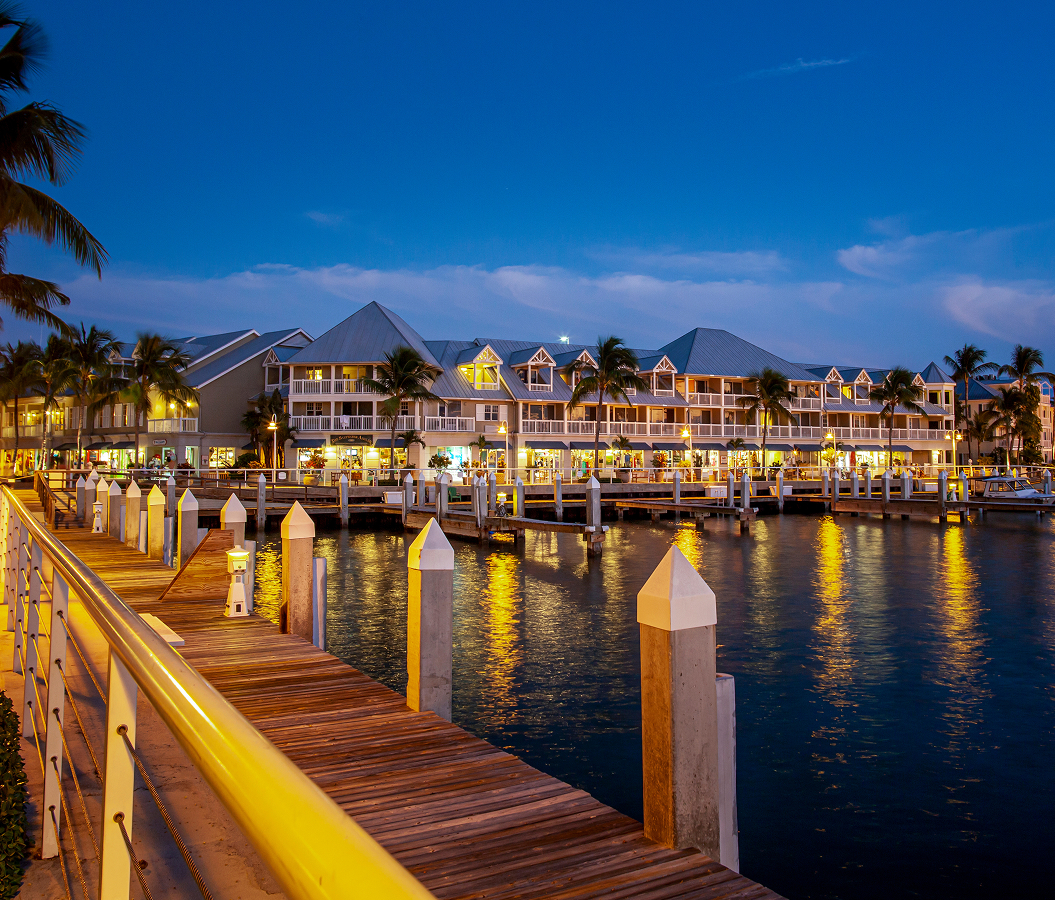
The Marker Key West opened in 2014 beside the Historic Seaport, introducing purpose-built contemporary hotel architecture into a waterfront district shaped by generations of maritime commerce. The property occupies land near the former Thompson Fish House, connecting its site with the commercial fishing activity that once sustained a substantial portion of Key West's working harbor. Its low-rise buildings, broad verandas, metal roofs, and landscaped courtyards reinterpret architectural forms found throughout the island while maintaining the scale of the surrounding seaport neighborhood. The hotel's arrival followed decades of transformation along the harbor as former warehouses, docks, and marine businesses acquired new recreational and hospitality uses. The Marker represents the twenty-first-century phase of Key West's waterfront evolution from a working maritime district into one of the island's principal visitor precincts.
4. Ocean Key Resort & Spa
Ocean Key Resort & Spa occupies the western terminus of Duval Street beside Mallory Square, where Key West meets the Gulf of Mexico at one of the island's most historically significant waterfront sites. Mallory Square developed around docks that connected the island with maritime trade, naval activity, and passenger traffic long before its sunset gathering became a defining Key West tradition. The hotel emerged from the redevelopment of this western waterfront as tourism increasingly replaced shipping and industry as the economic force shaping Central Key West. Its buildings extend directly over the shoreline, creating an unusually immediate relationship between Duval Street's commercial corridor and the waters beyond the historic harbor. Ocean Key captures the conversion of Key West's old port geography into a hospitality district centered on the island's maritime setting.
3. Pier House Resort & Spa
Pier House Resort & Spa opened in 1967 at the foot of Duval Street, becoming an early catalyst in the transformation of Key West's neglected waterfront into a major tourism district. Developer David Wolk created the property around a small motel and pier as the island was beginning its transition away from the military and industrial economy that had defined much of its twentieth century. The Chart Room bar became closely associated with the property's early years and with figures including landmark hunter Mel Fisher and Jimmy Buffett during the period preceding Buffett's national fame. Expansion gradually transformed the original operation into a substantial waterfront resort beside the harbor and Mallory Square. Pier House occupies a pivotal place in modern Key West hospitality through its direct connection with the era that turned the western waterfront into the social and tourism center seen today.
2. The Reach Key West, Curio Collection by Hilton
The Reach Key West occupies the Atlantic shoreline at the southern end of Simonton Street, within the quieter resort district extending east from the Southernmost Point area. Its beachfront setting places the property along a section of Key West where substantial resort development emerged beyond the dense nineteenth-century street fabric of Old Town. The Reach underwent a major transformation before joining Hilton's Curio Collection in 2019, renewing the property as part of a broader cycle of investment along the island's Atlantic edge. Its low-rise configuration and direct relationship with the shoreline reflect the physical constraints of an island whose historic center, limited land area, and surrounding water sharply shape development. The Reach represents the coastal resort strand of Key West hospitality that developed alongside the preservation-driven evolution of Old Town.
1. Casa Marina Key West, Curio Collection by Hilton
Casa Marina opened on New Year's Eve 1920 as the culminating Key West project of railroad magnate Henry Morrison Flagler, whose Florida East Coast Railway had reached the island in 1912. Architects Thomas Hastings and John M. Carrère conceived the resort during the final phase of Flagler's campaign to connect and develop Florida's Atlantic coast through rail transportation and grand hotels. The collapse of the Overseas Railway after the devastating 1935 Labor Day hurricane ended the transportation system that had helped make the hotel possible, and Casa Marina subsequently served military functions during the Second World War. Later restoration returned the property to hospitality as Key West evolved into an internationally recognized leisure destination. Casa Marina preserves the architectural legacy of Flagler's extraordinary railway expansion at the southern terminus of the transportation network that transformed modern Florida.
Where your story begins.
Foresyte Travel reveals places that feel extraordinary long before you arrive.
Enjoy editorial crafted for luxury travelers.
Foresyte may earn a commission when you book.