Top places to stay in The Caribbean.
Punta Cana occupies the easternmost reaches of the Dominican Republic, where the Atlantic Ocean meets the Caribbean Sea and a once-remote coastline became one of the Caribbean's most ambitious resort developments. For centuries, the surrounding region formed part of the Indigenous Taíno world, whose communities navigated the island's coastal waters and cultivated its tropical interior. Spanish colonization transformed Hispaniola beginning in the late fifteenth century, although the eastern shoreline remained comparatively isolated from the principal centers of colonial commerce. Cattle ranching, fishing, and small agricultural settlements characterized much of the surrounding countryside. The modern resort era began in 1969, when American investors led by Frank Rainieri and Theodore Kheel acquired 30 square miles of undeveloped coastal land. Their vision centered on preserving the region's natural beauty through carefully planned tourism development. The Punta Cana Club opened in 1971 with modest beachfront accommodations, establishing the foundation for an entirely new visitor economy. Limited transportation infrastructure initially restricted access, prompting investment in roads, utilities, and aviation facilities. Club Med opened a resort in the area in 1981, introducing an internationally established all-inclusive model to the emerging destination. Punta Cana International Airport opened in 1983, becoming the decisive transportation investment behind the region's subsequent expansion. Its distinctive open-air terminal architecture incorporated traditional Dominican design influences, particularly thatched roofing and tropical materials. During the 1990s, international hospitality groups developed extensive beachfront properties along Bávaro, creating a substantial concentration of integrated resort complexes. Spanish hotel companies became particularly influential, bringing established Caribbean and Mediterranean resort expertise to the eastern Dominican coast. The expansion of golf courses, marinas, and residential communities encouraged a broader luxury market. Cap Cana began development in the early 2000s as a master-planned coastal community incorporating upscale accommodation, recreational facilities, and private residences. The opening of additional luxury properties strengthened the region's position within international leisure travel. Punta Cana subsequently became the Dominican Republic's principal international tourism gateway, supporting substantial employment and investment across La Altagracia Province. Its hospitality economy reflects an unusually concentrated history of private-sector development, transportation innovation, and the transformation of an isolated tropical coastline into a globally recognized leisure region.
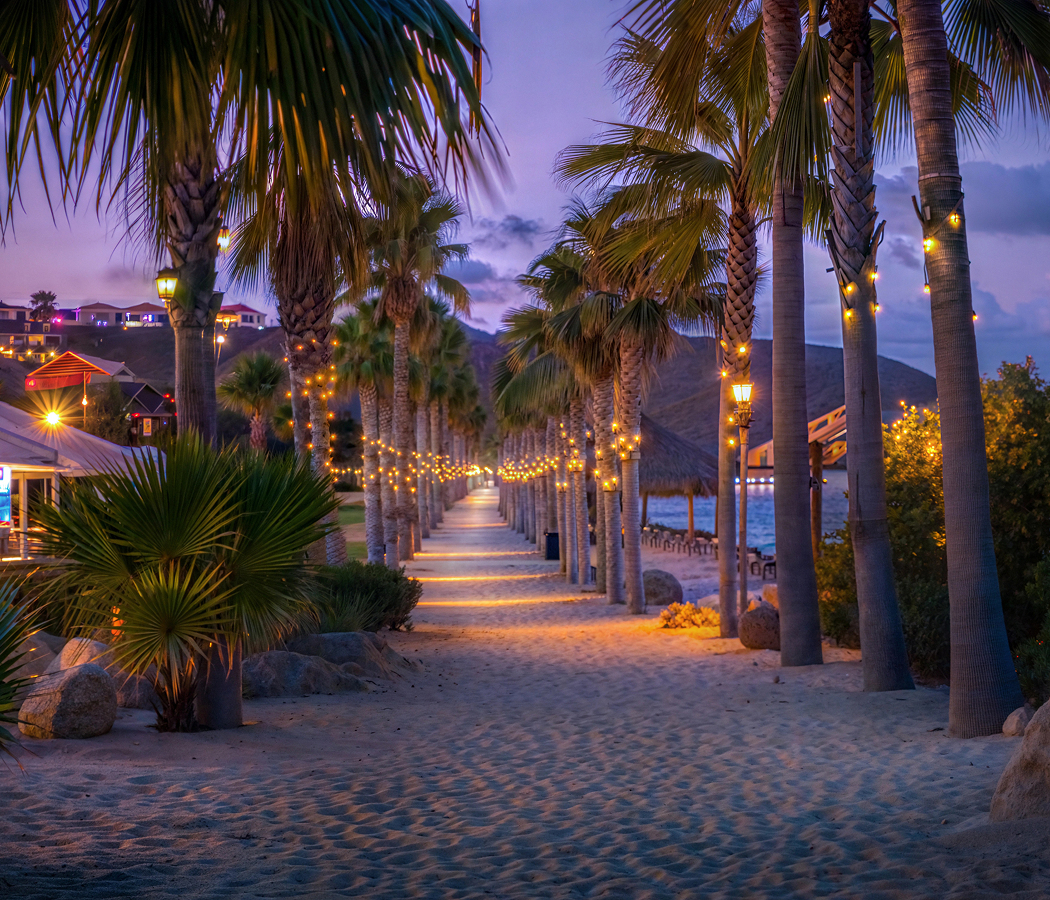
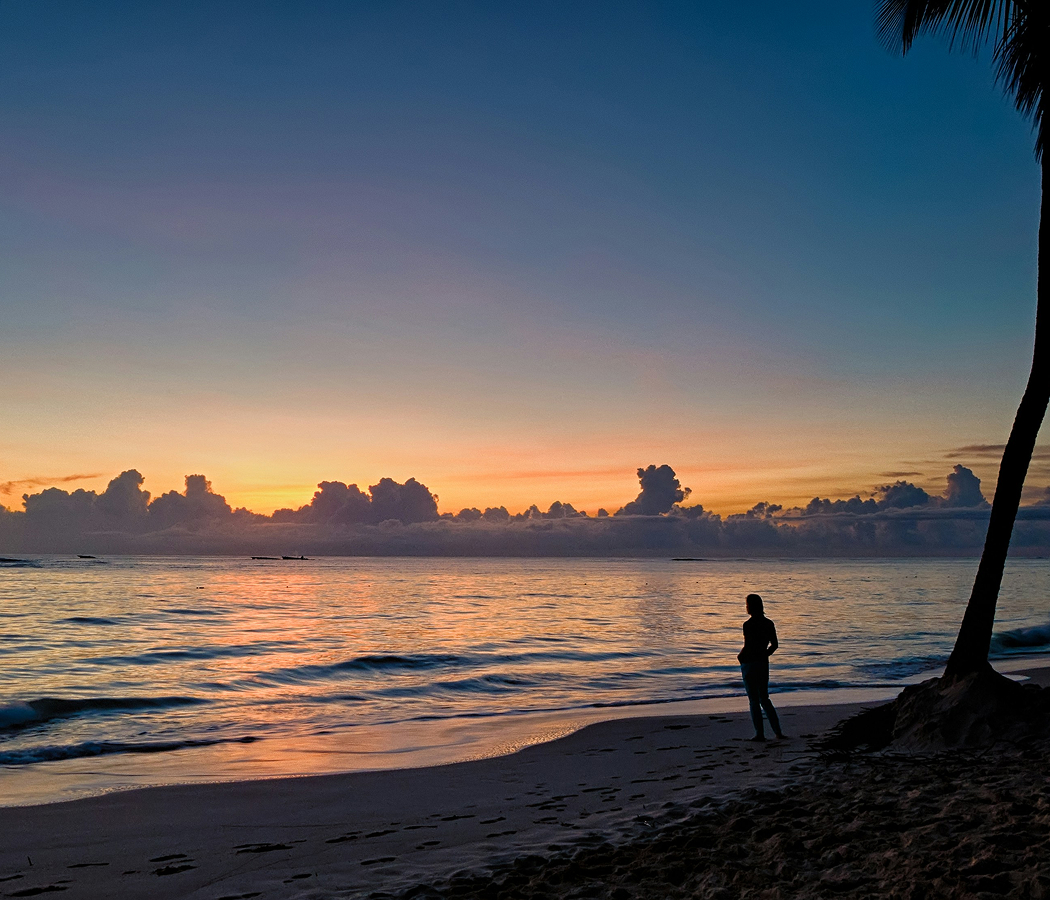
Punta Cana extends along the eastern Dominican shoreline through a landscape of pale sand beaches, coconut palms, coral reefs, coastal lagoons, and extensive tropical vegetation. The principal lodging districts occupy a broad coastal corridor, with each offering a distinctive relationship to the surrounding beaches and recreational landscape. Bávaro forms the most extensive concentration of major resorts, where substantial all-inclusive properties occupy landscaped grounds beside long stretches of white sand and turquoise water. The coastline is protected in places by offshore reefs, creating relatively calm swimming areas and supporting extensive aquatic recreation. Hotels incorporate open-air pavilions, tropical gardens, expansive swimming pools, and architectural details inspired by Caribbean building traditions. The adjoining El Cortecito area offers a more intimate beachfront environment through smaller hotels, restaurants, shops, and established local businesses. Its compact commercial streets provide opportunities to experience a more varied neighborhood atmosphere beyond the large resort campuses. Northward, Arena Gorda presents a broad coastal landscape of substantial beachfront properties, golf courses, and extensive recreational grounds. The beaches are generally wide and open, with resort buildings arranged among landscaped gardens and mature palms. Continuing north, Macao offers a less intensively developed coastal setting through dramatic surf, expansive sand, and surrounding agricultural countryside. Its more exposed Atlantic shoreline attracts visitors interested in surfing and natural scenery. South of Bávaro, Cabeza de Toro occupies a quieter coastal environment near protected lagoons and extensive tropical vegetation. Resorts are integrated into broad landscaped properties, with the surrounding waters supporting boating and marine excursions. Farther south, the Punta Cana Resort & Club area presents a carefully planned luxury environment through secluded beaches, championship golf courses, tropical forests, and substantial private residences. Playa Blanca and the surrounding shoreline provide an elegant coastal setting with extensive recreational facilities. The nearby Ojos Indígenas Ecological Reserve preserves freshwater lagoons and native vegetation within a protected landscape. Eastward, Cap Cana introduces another distinctive luxury environment through substantial resort estates, contemporary villas, landscaped golf courses, and a major marina. The dramatic coastline around Juanillo Beach combines pale sand, turquoise water, and carefully maintained tropical grounds. The surrounding community includes expansive residential developments and sophisticated recreational facilities. Inland, the Verón district serves as an important commercial and residential center supporting the broader tourism economy, with transportation connections linking the airport and coastal resort areas. The region's low-rise resort architecture emphasizes open-air circulation, shaded terraces, natural materials, and direct connections to the tropical landscape. Across Punta Cana, accommodation ranges from extensive all-inclusive beachfront campuses and secluded luxury retreats to smaller independent properties and private villas, with the coastline's varied exposure, natural vegetation, and recreational infrastructure shaping the character of each district. Foresyte may earn a commission when you book.
Foresyte Travel's top five choices.
5. Sanctuary Cap Cana
Sanctuary Cap Cana opened in 2007 within Cap Cana, the master-planned resort community developed across a vast stretch of coastline at the eastern end of the Dominican Republic. The property was conceived as a collection of towers, courtyards, villas, and waterfront structures drawing heavily from Spanish Colonial and Mediterranean architectural traditions. Its development formed part of Cap Cana's transformation from undeveloped coastal terrain into a district organized around Juanillo Beach, golf, a marina, residences, and international hospitality. Marriott added Sanctuary to The Luxury Collection in 2022, giving the brand its first all-inclusive resort. Sanctuary represents the architectural ambition and large-scale private investment that established Cap Cana as a distinct resort destination beside Punta Cana.
4. Secrets Cap Cana Resort & Spa
Secrets Cap Cana Resort & Spa opened in 2016 along Juanillo Beach, occupying the Caribbean shoreline within the expanding Cap Cana development. The resort emerged from AMResorts, the hospitality company built by Alejandro Zozaya around differentiated all-inclusive brands serving major leisure destinations across Mexico and the Caribbean. Its low-rise buildings, landscaped courtyards, and broad beachfront footprint extended Cap Cana's resort district along a coast previously dominated by undeveloped sand, palms, and mangrove terrain. Hyatt's 2021 acquisition of Apple Leisure Group subsequently brought Secrets and the wider AMResorts portfolio into one of the world's largest hotel companies. Secrets Cap Cana captures the evolution of the Dominican all-inclusive sector from mass-market tourism toward increasingly specialized resort concepts backed by global hospitality groups.
3. Hyatt Zilara Cap Cana
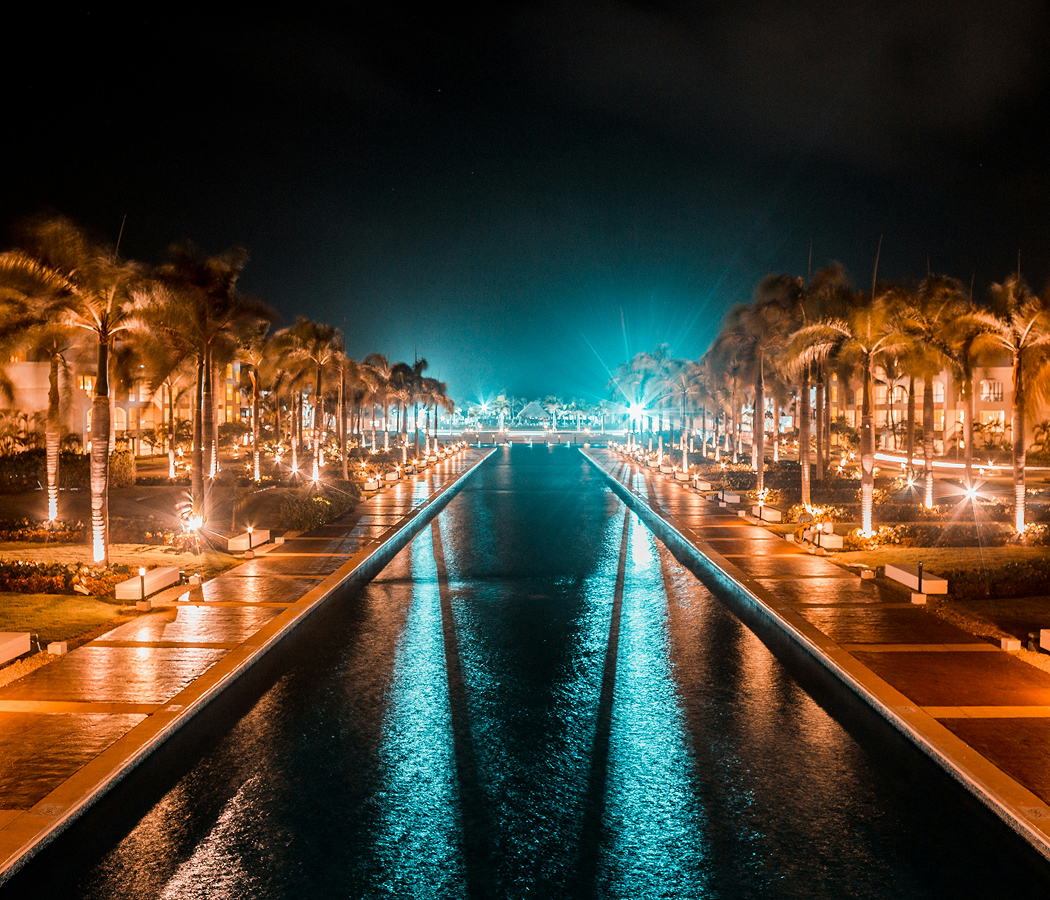
Hyatt Zilara Cap Cana opened in 2019 beside its companion Hyatt Ziva resort on Juanillo Beach, creating a major dual-property development within Cap Cana. The complex emerged through the partnership between Hyatt and Playa Hotels & Resorts that expanded the Hyatt Zilara and Hyatt Ziva brands across Caribbean and Mexican leisure markets. Architecture and landscaping organize the two resorts as an interconnected beachfront composition, with sweeping curved structures oriented toward the Caribbean and substantial water features extending through the grounds. The project strengthened Hyatt's position in the all-inclusive sector years before the company accelerated that strategy through its acquisition of Apple Leisure Group. Hyatt Zilara Cap Cana represents a pivotal stage in the convergence of traditional global hotel companies with the Caribbean's highly developed all-inclusive resort model.
2. Eden Roc Cap Cana
Eden Roc Cap Cana opened in 2012 within the Cap Cana development, bringing a small-scale villa model to a destination increasingly populated by much larger beachfront resorts. Milan-based architect Marina Nova designed the property around freestanding structures, private courtyards, pools, and Mediterranean-derived forms set within tropical gardens near the coast. The hotel became part of Relais & Châteaux, connecting the independent Dominican property with the international association of individually operated hotels and restaurants founded in France. Its location also places it beside Punta Espada, the Jack Nicklaus-designed golf course that became one of the foundational recreational projects within Cap Cana. Eden Roc expresses the private residential strand of Cap Cana's development through architecture deliberately scaled below the immense resort complexes surrounding the enclave.
1. Tortuga Bay Hotel at Puntacana Resort
Tortuga Bay opened in 2005 within Puntacana Resort & Club, whose origins reach back to the pioneering tourism development created by Frank Rainieri and Theodore Kheel on the Dominican Republic's eastern coast. Oscar de la Renta, the Dominican-born fashion designer who achieved international prominence in New York, designed the hotel's interiors and gave the villas their distinctive yellow facades and restrained residential character. The larger Puntacana project began in the early 1970s, and its founders subsequently developed Punta Cana International Airport, which opened in 1983 and became fundamental to the region's emergence as a global tourism center. Tortuga Bay sits within the same coastal landscape where that transformation began, linking a small collection of villas with one of the Dominican Republic's most consequential tourism enterprises. The hotel concentrates Punta Cana's development history, Dominican design authorship, and privately built tourism infrastructure within the resort created by the destination's original developers.
Where your story begins.
Foresyte Travel reveals places that feel extraordinary long before you arrive.
Enjoy editorial crafted for luxury travelers.
Foresyte may earn a commission when you book.