Why Bávaro matters.
Bávaro is a celebrated Caribbean coastal enclave where Punta Cana's tropical beauty meets the Dominican Republic's internationally renowned beach culture, expansive resort communities, and the transformation of La Altagracia's eastern shoreline into one of the Caribbean's most important tourism destinations.
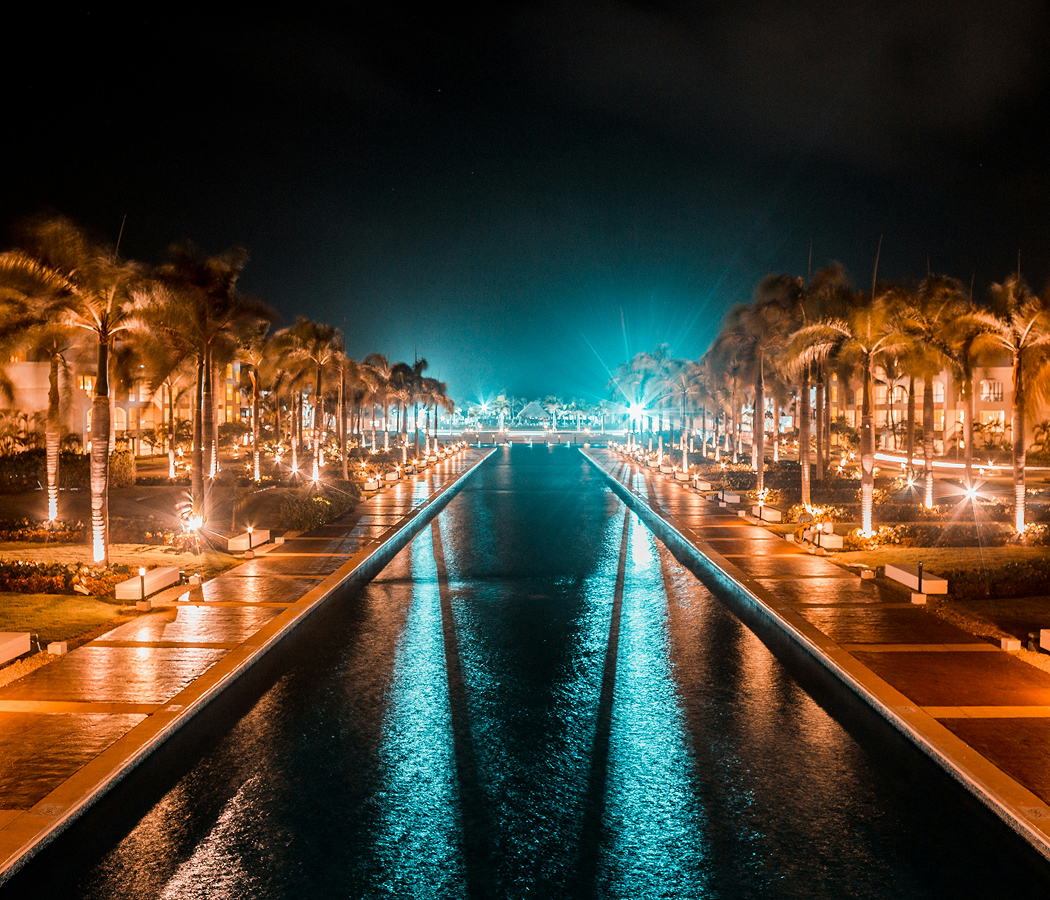
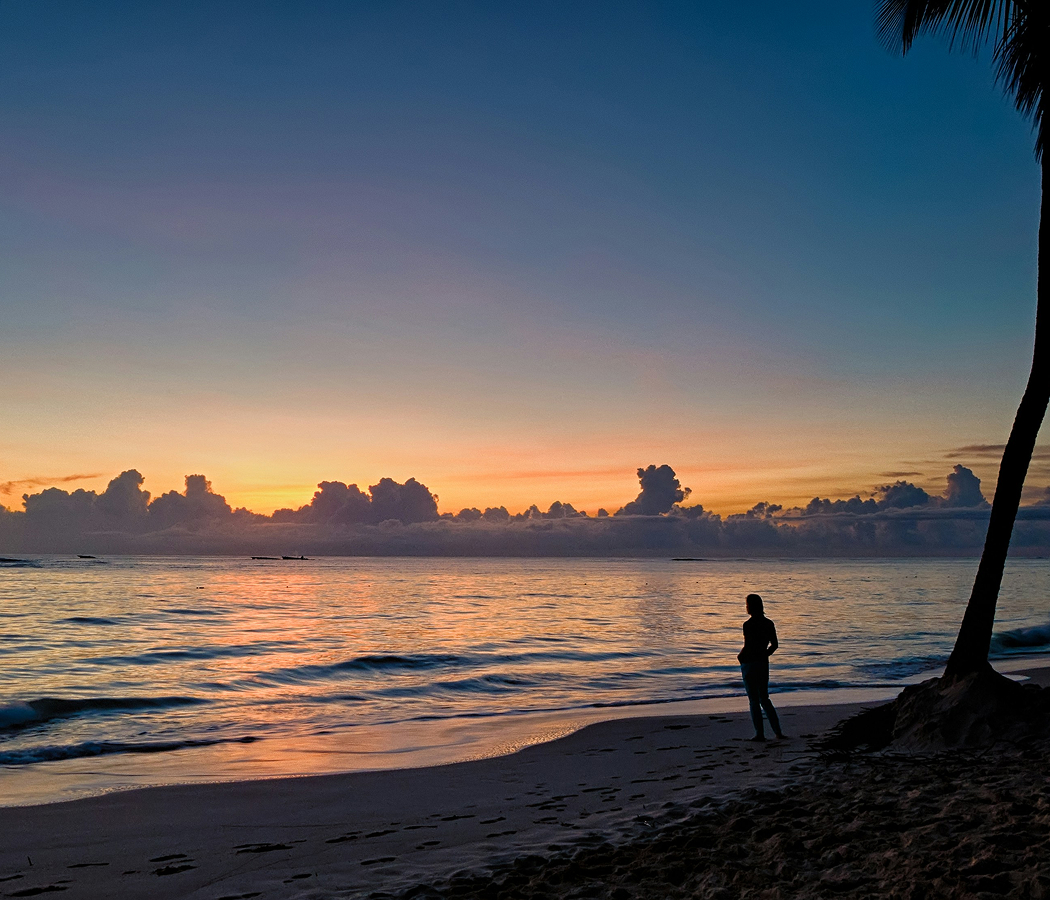
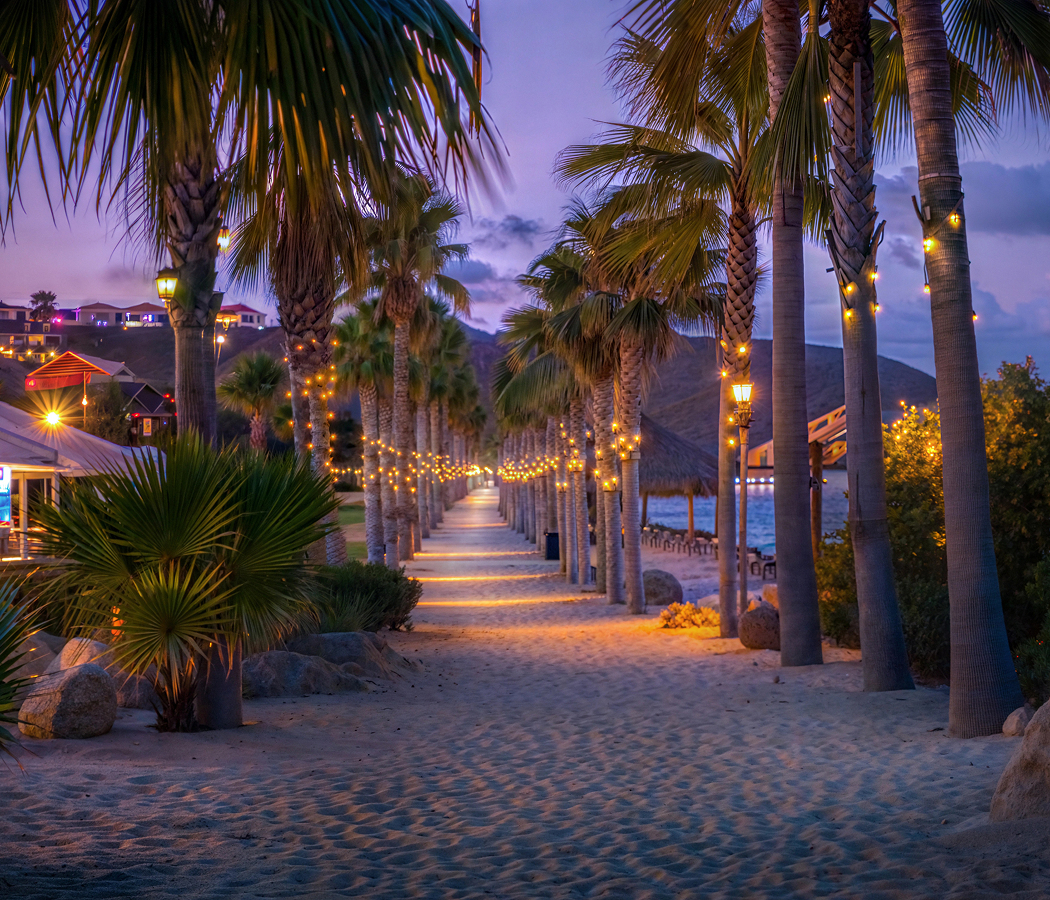
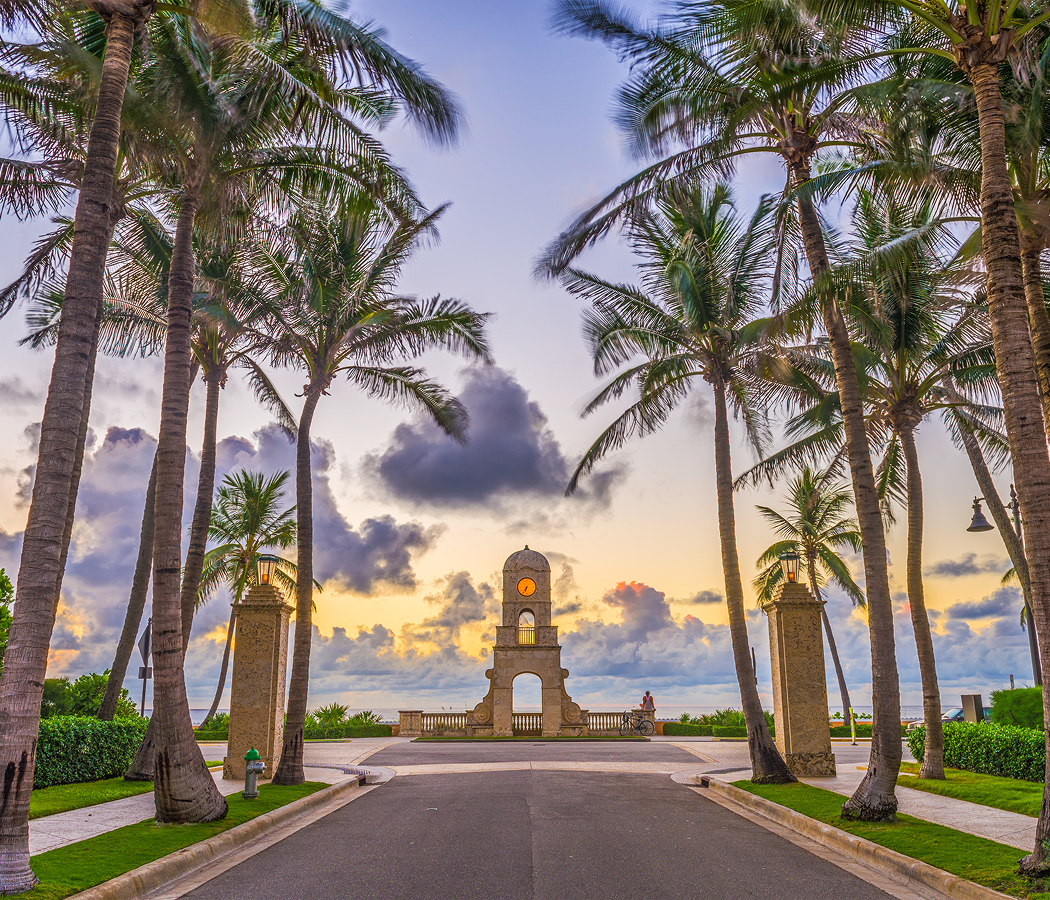
Stretching along the Atlantic-facing coast of eastern Hispaniola, Bávaro occupies the shoreline north of Cabeza de Toro and south of Macao, with El Cortecito and Los Corales forming its central beachfront communities and Avenida Alemania connecting the coastal districts with the inland resort corridor. Playa Bávaro forms the geographical centerpiece of the area, extending across a broad coastline of pale coral sand, shallow turquoise water, and mature coconut palms. An extensive offshore reef system moderates wave conditions along substantial portions of the beach, creating sheltered swimming areas and supporting the marine environments associated with the eastern Dominican Republic. Large beachfront resorts occupy landscaped properties behind the sand, with tropical gardens, swimming pools, pedestrian paths, and low-rise accommodation buildings establishing the architectural character of the principal hospitality districts. The coastal environment transitions inland toward commercial developments, residential neighborhoods, and transportation corridors connecting the resort communities with the wider Punta Cana region. The result is a distinctive Caribbean landscape where expansive beaches, tropical vegetation, and internationally significant resort development establish one of the Dominican Republic's most recognizable coastal destinations.
What defines Bávaro.
Bávaro is best known for its transformation from a sparsely developed coastal landscape into a major international tourism center whose growth reshaped the economy, infrastructure, and cultural geography of eastern Dominican Republic. The area's earlier history developed within the broader settlement patterns of La Altagracia Province, whose economy traditionally depended upon agriculture, cattle ranching, fishing, and the commercial activities associated with the provincial capital of Higüey. The surrounding eastern peninsula contained extensive coconut groves, coastal wetlands, and relatively isolated beaches, with limited transportation infrastructure connecting the shoreline to the country's principal population centers. The development of modern tourism began through the ambitions of Dominican entrepreneur Frank Rainieri, who recognized the potential of the region's undeveloped coastline during the late 1960s. Rainieri joined American investors Theodore Kheel and other partners in establishing the Punta Cana Group in 1969, initiating an ambitious project to develop international hospitality infrastructure on the eastern coast. The first modest hotel opened in 1971, introducing ten guest accommodations and establishing the commercial foundation for a tourism industry that subsequently transformed the surrounding region. The project's early development encountered substantial logistical challenges, including inadequate roads, limited electrical infrastructure, and the absence of a nearby international airport. Access initially depended upon lengthy journeys from Santo Domingo, making the establishment of reliable transportation a central requirement for further expansion. The construction of Punta Cana International Airport, inaugurated in December 1983, introduced a decisive transformation by establishing direct international air access to the eastern peninsula. The airport became the first privately owned international airport in the world, introducing a distinctive infrastructure model that supported the expansion of privately developed resort communities. Bávaro subsequently emerged as a major focus of hotel investment during the 1980s and 1990s, attracting international hospitality companies seeking substantial beachfront properties within a region whose tourism infrastructure was rapidly improving. Spanish hotel groups played an especially influential role in this expansion, bringing extensive experience in Mediterranean resort development and establishing large all-inclusive complexes along the coast. Barceló opened its first Bávaro property in 1985, introducing a substantial resort operation that contributed to the area's emerging reputation among European travelers. Additional investment followed through companies including Meliá, Iberostar, Riu, and Palladium, establishing a concentration of internationally recognized hospitality brands. The resort industry's expansion created substantial employment opportunities in construction, food service, transportation, entertainment, and hotel operations, attracting workers from other Dominican provinces and contributing to the development of permanent residential communities. The growth of tourism also accelerated investment in roads, electricity, water infrastructure, and commercial services, establishing a more extensive urban network behind the principal beachfront properties. The opening of the Coral Highway in 2012 introduced another major transportation improvement, connecting the eastern resort districts with La Romana and Santo Domingo through a modern expressway. The project substantially reduced travel times between Punta Cana and the country's southern population centers, strengthening the region's relationship with the national economy. Bávaro's commercial development subsequently expanded beyond the original all-inclusive model, introducing independent hotels, restaurants, residential condominiums, shopping centers, and recreational businesses serving international visitors and permanent residents. The growth of El Cortecito and Los Corales established important alternatives to the large beachfront resorts, creating compact coastal districts where independent restaurants, small hotels, and residential developments occupy walkable streets near the shoreline. The tourism industry's environmental consequences also became increasingly consequential as coastal development placed pressure upon coral reefs, freshwater resources, wetlands, and the natural systems supporting the region's beaches. Conservation initiatives subsequently introduced marine protection measures, environmental education programs, and partnerships between tourism businesses and organizations working to preserve coastal ecosystems. The area's international reputation strengthened through the recognition of Playa Bávaro among the Caribbean's most celebrated beaches, establishing a substantial component of the Dominican Republic's global tourism identity. Bávaro's historical significance rests upon the relationship between entrepreneurial tourism development, international hospitality investment, infrastructure expansion, and the transformation of a relatively isolated coastline into a major Caribbean economic and cultural destination.
Dominican coastal culture establishes Bávaro's distinctive character through the relationship between Caribbean marine environments, traditional foodways, contemporary resort hospitality, and the everyday commercial life of its beachfront communities. The area's culinary traditions draw upon the agricultural resources of eastern Hispaniola, combining locally grown plantains, rice, beans, tropical fruits, and seafood with preparations developed through centuries of Indigenous, African, and European cultural exchange. La bandera dominicana introduces one of the country's defining everyday meals through the combination of rice, stewed beans, meat, and fresh accompaniments, establishing a substantial connection between contemporary dining and the culinary traditions of Dominican households. Mangú provides another expression of this heritage through mashed green plantains prepared with butter or oil and accompanied by sautéed onions, fried cheese, eggs, or salami. Its association with breakfast and informal dining introduces an important dimension of Dominican food culture beyond the elaborate international restaurant programs associated with the larger resorts. Coastal cooking extends these traditions through whole fried fish, garlic-seasoned shrimp, and preparations involving lobster, conch, and other seafood associated with Caribbean waters. Pescado frito establishes a particularly recognizable coastal preparation, combining crisp fried fish with plantains, rice, and fresh vegetables in a form closely associated with Dominican beach restaurants. The area's beverage traditions introduce another dimension through fresh coconut water, tropical fruit juices, and rum produced by established Dominican distilleries. Brugal, founded in Puerto Plata in 1888, occupies a significant position within the country's rum industry through its development of aged spirits associated with Dominican agricultural production and international export markets. Barceló, established in Santo Domingo in 1930, contributes another major expression of this tradition through rum production whose historical development accompanied the expansion of the Dominican Republic's international beverage industry. The commercial streets of El Cortecito and Los Corales establish a complementary relationship between these national traditions and the international influences introduced by tourism. Independent restaurants operate alongside cafés, small markets, and specialist businesses serving a diverse population of Dominican residents, international visitors, and expatriate communities. The resulting culinary landscape incorporates Italian, Spanish, French, and other international cooking traditions, demonstrating the influence of successive generations of foreign investment and residential migration. Dominican music provides another substantial dimension through merengue and bachata, whose development established two of the country's most internationally influential cultural exports. Merengue emerged during the nineteenth century and subsequently developed into a defining expression of Dominican national character through the interaction of European dance traditions and Afro-Caribbean musical influences. Its characteristic rhythms developed through instruments including the accordion, güira, and tambora, establishing an energetic musical form associated with public celebrations and social dancing. Bachata developed during the twentieth century through the influence of bolero, guitar-based popular music, and the experiences of working-class Dominican communities. Its growing international recognition during the late twentieth and early twenty-first centuries introduced a distinctive Dominican musical tradition to audiences throughout Latin America, Europe, and North America. These cultural expressions remain closely associated with the entertainment programs, live music venues, and social gatherings that contribute to Bávaro's contemporary coastal character. The surrounding marine environment introduces another defining element through the relationship between shallow reef systems, sandy beaches, and tropical coastal vegetation. Coral formations support a diversity of reef fish, crustaceans, and other marine organisms, establishing ecological relationships that contribute to the area's snorkeling and recreational diving opportunities. The region's extensive coconut palms provide an enduring visual connection with the agricultural landscape that preceded large-scale resort development, preserving an important element of its earlier coastal character. Bávaro's cultural significance emerges through this combination of Dominican culinary traditions, internationally influential music, independent coastal commerce, and the tropical environments that established the region's appeal as a major Caribbean destination.
How Bávaro fits.
Bávaro works as the starting point for a coastal exploration connecting the Dominican Republic's expanding adventure-tourism industry, the preservation of Caribbean marine environments, and the natural limestone landscapes that distinguish the eastern peninsula.
Begin at Bávaro Adventure Park, the extensive outdoor recreation complex whose development introduced a substantial concentration of adventure activities within the region's expanding tourism industry. The park occupies forty-four hectares of tropical terrain, establishing a recreational environment organized around the natural landscape of eastern Hispaniola. Its development introduced specialized facilities for ziplining, off-road vehicles, climbing, and other outdoor activities, expanding the region's tourism offering beyond conventional beachfront recreation. The complex subsequently incorporated additional attractions including a substantial cenote-style swimming environment, introducing a relationship between adventure tourism and the limestone geology associated with the surrounding peninsula. Its organized activities emphasize the use of established trails and purpose-built facilities, establishing a distinctive recreational program within the region's developing inland tourism landscape. Continue to Marinarium, the marine excursion operation whose development introduced organized encounters with the coastal ecosystems surrounding Punta Cana. The attraction established a program of catamaran excursions and guided snorkeling activities, bringing visitors into contact with shallow Caribbean waters and the marine species associated with local reef environments. Its principal attraction developed around encounters with nurse sharks and stingrays, introducing a structured opportunity to observe marine animals whose natural habitats include sandy seabeds and coastal reef systems. The operation incorporates specialized marine enclosures and guided activities, establishing a relationship between recreational tourism and the public presentation of Caribbean marine life. Its development contributed to the diversification of the region's excursion industry, introducing a marine-focused attraction within an area whose tourism economy had initially concentrated upon large beachfront resorts. Conclude at Hoyo Azul, the extraordinary natural cenote whose geological formation introduces one of the most distinctive landscapes associated with the eastern Dominican Republic. The attraction occupies a limestone sinkhole within Scape Park at Cap Cana, where the collapse and dissolution of carbonate rock created a deep natural basin containing exceptionally clear freshwater. The cenote's water reaches a depth of fourteen metres, establishing a striking contrast between its intense blue coloration and the surrounding pale limestone walls. Access follows a route through tropical forest, introducing the relationship between the region's native vegetation and the geological formations associated with its extensive limestone bedrock. The cenote's dramatic vertical enclosure and extraordinary water clarity establish an exceptional natural destination whose physical character differs substantially from the surrounding coastal landscape. The progression moves from the development of inland adventure tourism through organized encounters with Caribbean marine environments and culminates in Hoyo Azul's remarkable limestone formation, connecting three distinct dimensions of the natural and recreational landscape that shapes eastern Dominican Republic.
Where your story begins.
Foresyte Travel reveals places that feel extraordinary long before you arrive.
Enjoy editorial crafted for luxury travelers.
Foresyte may earn a commission when you book.