Why Bamboo matters.
Bamboo is an award-winning Mediterranean restaurant where Punta Cana's tropical hospitality heritage meets Oscar de la Renta's Dominican design sensibility, locally cultivated ingredients, and the refined culinary traditions of Tortuga Bay's exclusive coastal retreat.
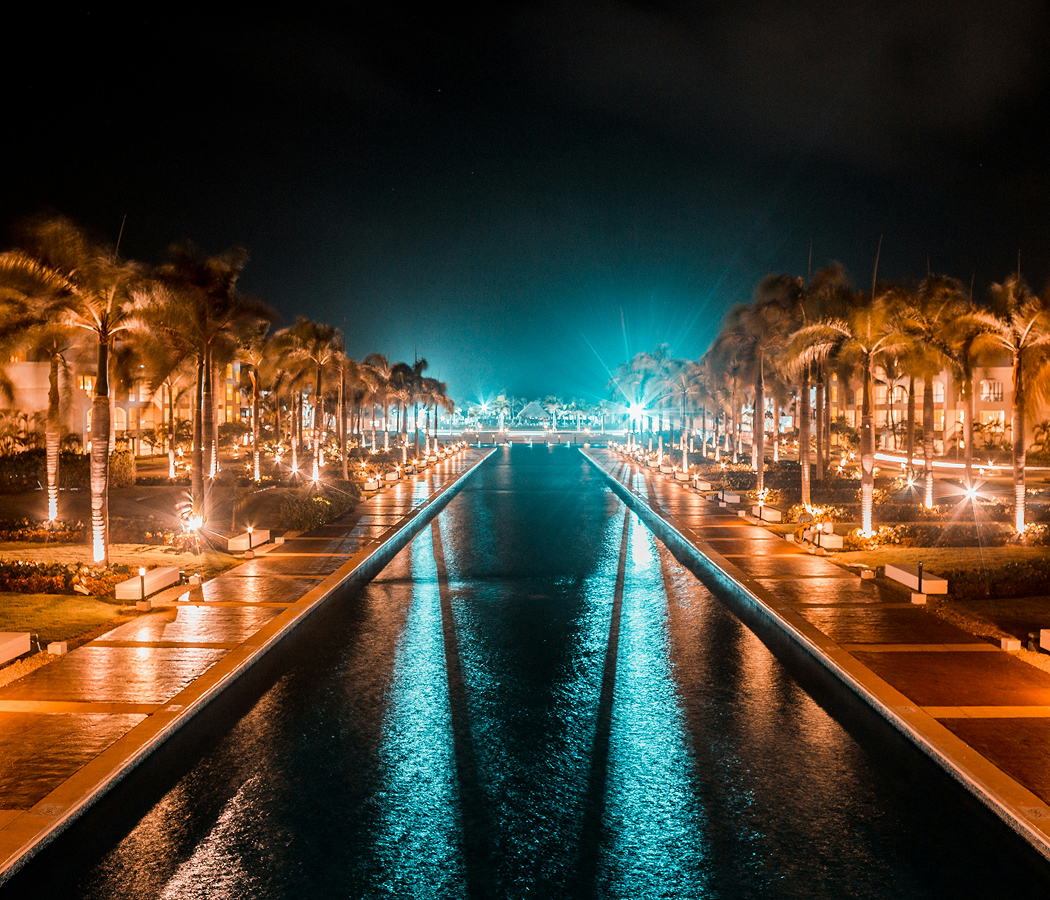
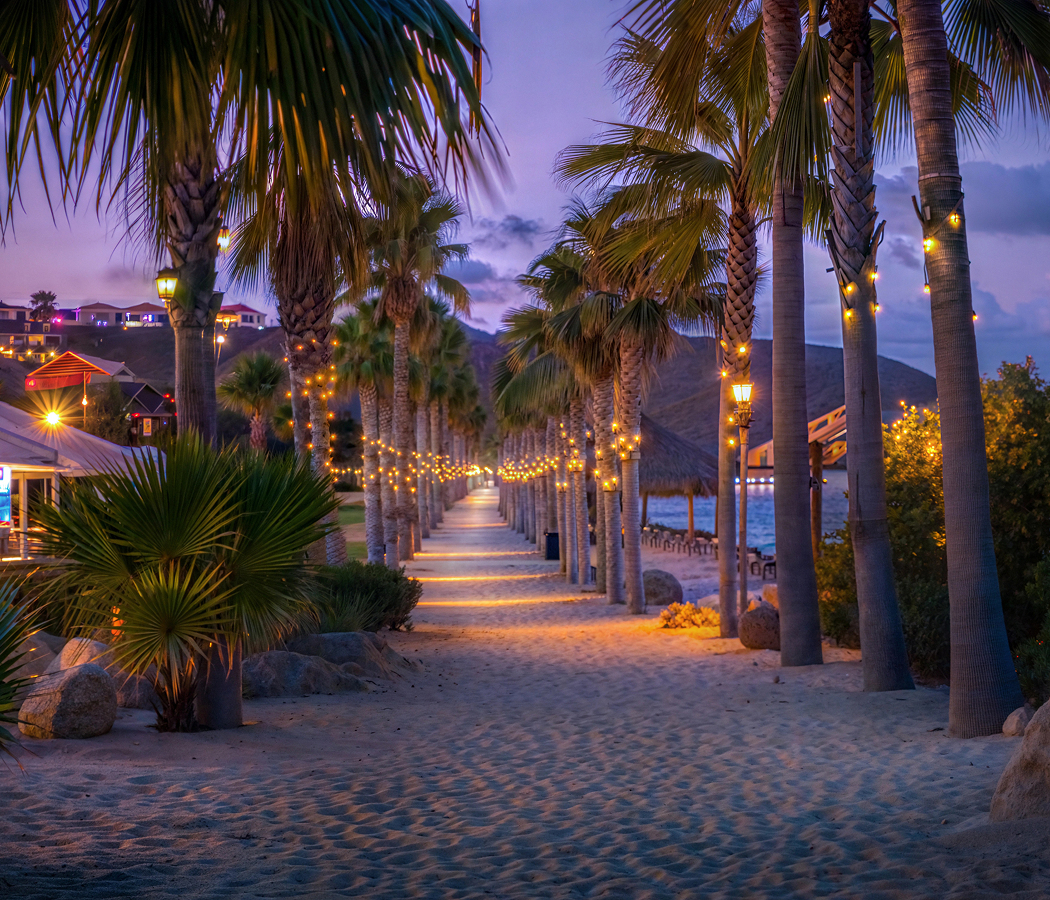
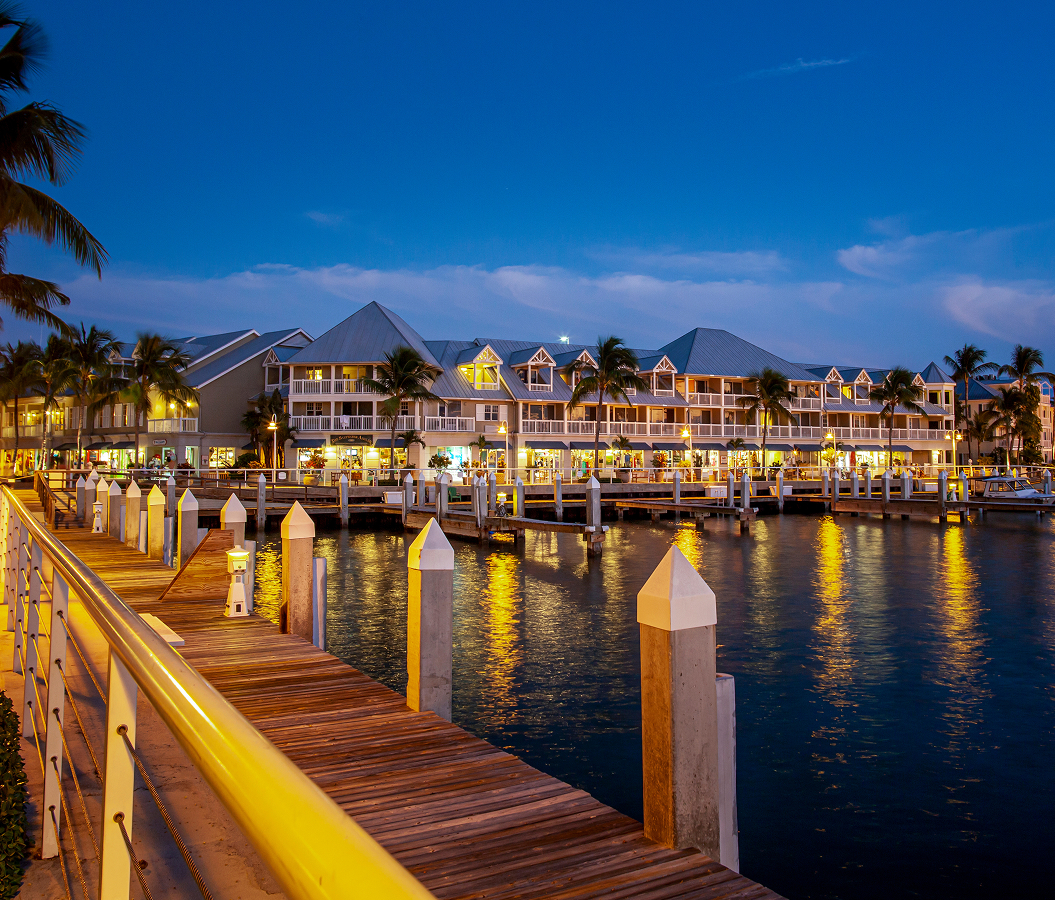
Situated within Tortuga Bay at Puntacana Resort & Club, Bamboo occupies a landscaped coastal property east of Punta Cana International Airport, near the Caribbean shoreline and the resort's established residential and recreational districts. The restaurant forms part of an intimate hospitality complex surrounded by tropical gardens, mature palms, and low-rise villas, with its dining areas opening toward a swimming pool and sheltered outdoor terraces. Oscar de la Renta's interior design introduces an elegant interpretation of Caribbean residential architecture through warm natural finishes, carefully selected furnishings, and a restrained decorative composition. Soft lighting establishes a sophisticated atmosphere during evening service, complementing the intimate arrangement of tables and the surrounding tropical vegetation. Outdoor seating extends the dining environment into the resort grounds, introducing a direct relationship between the restaurant's architectural character and Punta Cana's coastal climate. The result is a distinguished resort restaurant whose carefully composed interiors, tropical garden setting, and intimate scale establish an exceptional environment for Mediterranean-influenced Caribbean dining.
What defines Bamboo.
Bamboo is best known for its association with Oscar de la Renta and Tortuga Bay, the pioneering luxury boutique hotel whose development introduced a distinctive architectural and hospitality concept to the Dominican Republic's eastern coastline. The restaurant's origins belong to the expansion of Puntacana Resort & Club, established through the partnership between Dominican entrepreneur Frank Rainieri and American attorney and labor mediator Theodore Kheel. Their initial hospitality development opened in 1971 with ten guest accommodations, establishing a modest coastal retreat within a region whose commercial infrastructure and international transportation connections remained limited. The property's early development required substantial investment in roads, utilities, and transportation facilities, establishing the foundations for the transformation of eastern La Altagracia into a major tourism destination. The opening of Punta Cana International Airport in December 1983 introduced a decisive improvement in international access, supporting the expansion of hotels, residential communities, and recreational facilities across the peninsula. The resort's international profile strengthened through its association with Dominican fashion designer Oscar de la Renta, whose professional achievements established him among the country's most influential cultural figures. Born in Santo Domingo in 1932, de la Renta studied painting at the Royal Academy of Fine Arts of San Fernando in Madrid before entering the fashion industry through an apprenticeship with Cristóbal Balenciaga. His subsequent work in Paris included a position at Lanvin under Antonio del Castillo, introducing the technical traditions of European haute couture that subsequently shaped his international career. De la Renta moved to New York during the 1960s and established a fashion house whose collections became associated with sophisticated silhouettes, elaborate embroidery, and exceptional craftsmanship. His involvement in Puntacana Resort & Club expanded during the late 1990s, when he joined the development as a principal investor alongside Spanish singer Julio Iglesias. The partnership introduced a substantial creative dimension to the resort's hospitality ambitions, connecting international luxury design with the architectural traditions and natural landscapes of the Dominican Republic. Tortuga Bay opened in 2005 as the first and only hotel in the Dominican Republic to become a member of The Leading Hotels of the World, establishing a significant milestone in the country's luxury hospitality industry. De la Renta designed the property's thirteen beachfront villas, introducing a distinctive architectural composition influenced by traditional Caribbean residential construction. The development incorporated extensive tropical gardens, direct beach access, and a concentrated hospitality program emphasizing personalized service. Bamboo emerged as the property's signature restaurant, with de la Renta extending his creative direction into its interior design and dining atmosphere. The restaurant's culinary program developed around Mediterranean influences and locally sourced ingredients, establishing a relationship between international fine-dining traditions and the agricultural resources of eastern Hispaniola. Its emphasis on vegetables cultivated within the resort's organic gardens introduced an additional dimension through the direct connection between local agricultural production and the restaurant's kitchen. Bamboo subsequently earned AAA Four Diamond recognition, establishing its position among the Dominican Republic's distinguished dining establishments. The award acknowledged the restaurant's culinary standards, service, and carefully developed hospitality environment. Tortuga Bay's broader international reputation strengthened through recognition from Forbes Travel Guide, whose Five-Star distinction established the property among the Caribbean's most highly regarded luxury hotels. The restaurant's continued operation forms an important component of this hospitality program, connecting de la Renta's original architectural vision with the resort's commitment to refined cuisine and personalized service. Bamboo's historical significance rests upon its association with a transformative period in Dominican luxury tourism, the creative influence of one of the country's most internationally celebrated designers, and the development of a distinctive culinary destination within Punta Cana's established coastal resort community.
Sergio Bosch's culinary leadership brings Mediterranean technique into direct contact with the agricultural and maritime resources of the Dominican Republic, establishing a dining program grounded in ingredient quality, careful preparation, and the seasonal character of Caribbean produce. The kitchen's relationship with the resort's organic gardens introduces an important agricultural dimension, supporting preparations that emphasize fresh vegetables, aromatic herbs, and ingredients cultivated within the surrounding property. This connection encourages a culinary approach in which the natural characteristics of individual ingredients remain central to the finished preparations. Mediterranean cooking traditions contribute a foundation of olive oil, citrus, garlic, herbs, and carefully developed sauces, establishing combinations suited to the distinctive flavors of Caribbean seafood. Red snapper introduces one of the region's characteristic marine ingredients, its firm white flesh supporting preparations that emphasize controlled heat and restrained seasoning. Sea bass contributes another dimension through its delicate texture and suitability for roasting, grilling, and preparations involving aromatic vegetables. The menu's relationship with local seafood extends into ceviche, whose preparation depends upon the interaction between fresh fish, citrus acidity, and carefully balanced seasonings. Caribbean agricultural traditions introduce complementary ingredients through plantains, tropical fruit, and locally produced honey, connecting familiar Dominican flavors with the technical foundations of international restaurant cooking. Breakfast establishes a distinctive component of the culinary program through freshly prepared dishes that incorporate local ingredients alongside familiar European and North American preparations. The Altagracia introduces a particularly recognizable combination through plantain pancakes accompanied by poached eggs, herb-infused crema, and Dominican honey, establishing a direct relationship between traditional Caribbean produce and contemporary breakfast cooking. Freshly squeezed juices provide another connection with tropical agriculture, introducing the aromatic qualities of locally grown fruit. Lunch service develops a lighter culinary format through carefully composed preparations suited to the resort's coastal environment, with outdoor dining extending the restaurant's relationship with the surrounding tropical landscape. Evening service introduces a more elaborate interpretation of the kitchen's culinary direction, supported by carefully coordinated presentation and a sophisticated dining atmosphere. The wine program provides a complementary dimension through selections suited to Mediterranean preparations, including white wines whose acidity balances delicate seafood and richer varieties appropriate for grilled meats. International teas and specialty coffees extend the beverage offering, supporting the restaurant's varied dining formats throughout the day. Bamboo's culinary character emerges through the relationship between Mediterranean technical traditions, locally cultivated Dominican ingredients, and the sophisticated hospitality standards associated with Tortuga Bay.
How Bamboo fits.
Bamboo works as the evening culmination of a Punta Cana exploration connecting the development of Caribbean coastal golf, the preservation of tropical freshwater ecosystems, and the scientific restoration of the marine environments supporting the Dominican Republic's eastern peninsula.
Begin at La Cana Golf Course, the championship coastal layout whose development introduced an influential relationship between professional golf architecture and the environmental conditions of eastern Hispaniola. American architect P. B. Dye designed the original eighteen holes, which opened in 2001 and introduced a distinctive interpretation of Caribbean golf through strategically positioned hazards, extensive waste areas, and deep pot bunkers. The course became the first in the Caribbean to use paspalum turfgrass irrigated with recycled water, establishing an important technical development in the management of coastal recreational landscapes. Subsequent expansion introduced twenty-seven holes across the Tortuga, Arrecife, and Hacienda nines, creating a substantial championship facility whose design incorporates fourteen holes with ocean views. Continue to Indigenous Eyes Ecological Reserve, the protected tropical forest whose conservation programs preserve an exceptional concentration of freshwater habitats and native vegetation. The reserve encompasses 1,500 acres donated by Grupo Puntacana to Fundación Puntacana for environmental preservation, scientific education, and sustainable recreation. Its twelve freshwater springs occupy natural depressions within the surrounding limestone terrain, establishing a relationship between underground water systems and the tropical forest above. The name Ojos Indígenas honors the cultural significance of these natural water formations to the island's Indigenous Taíno communities, whose knowledge of local environments developed across generations of settlement. Conservation programs protect native plants, birds, reptiles, and freshwater ecosystems, with designated swimming areas including the Inriri and Cacibajagua cenotes. Conclude at Marine Innovation Center, the scientific conservation institution whose development introduced an ambitious new phase in the protection of Caribbean coral reefs. Fundación Puntacana inaugurated the facility on April 22, 2026, bringing together scientific and environmental partners including The Nature Conservancy, FUNDEMAR, and Oceankind. Its work builds upon the Dominican Republic's oldest coral nursery, established in 2004, where branching corals are cultivated for transplantation into damaged reef environments. The center incorporates land-based coral nurseries supporting microfragmentation and assisted reproduction, introducing techniques designed to accelerate coral growth and preserve genetic diversity. Its conservation programs operate within the Arrecifes del Sureste Marine Sanctuary, established in 2009 to protect biodiversity across the southeastern continental shelf. The progression moves from the adaptation of coastal terrain for environmentally conscious recreation through the preservation of tropical freshwater habitats and culminates in the scientific restoration of Caribbean coral ecosystems, connecting three consequential approaches to the stewardship of Punta Cana's natural environment.
Where your story begins.
Foresyte Travel reveals places that feel extraordinary long before you arrive.
Enjoy editorial crafted for luxury travelers.
Foresyte may earn a commission when you book.