Why La Yola matters.
La Yola is a celebrated waterfront restaurant where Punta Cana's Caribbean maritime heritage meets Oscar de la Renta's tropical design sensibility, Dominican fishing traditions, and the refined coastal cuisine that distinguishes one of the country's most acclaimed resort restaurants.
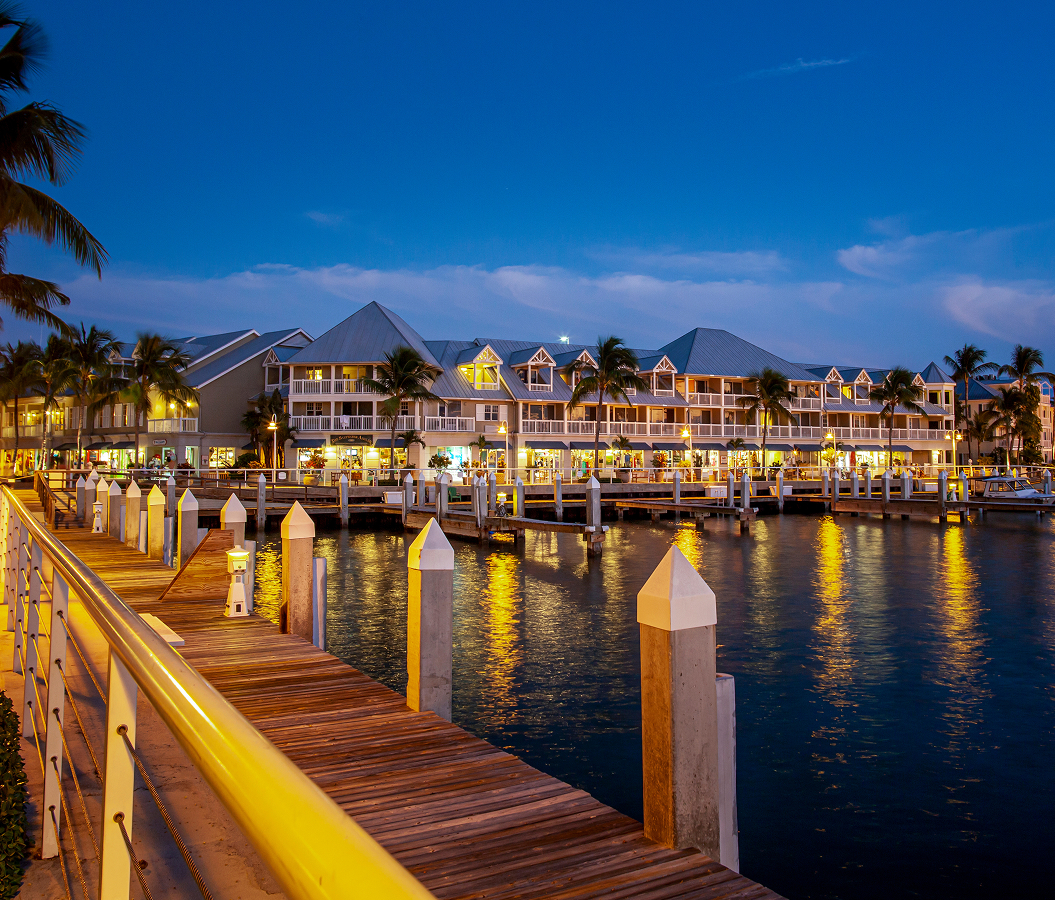
Extending over the sheltered waters of Puntacana Resort & Club Marina, La Yola occupies the southeastern coastline of the resort community, where yacht berths and private docks meet the open Caribbean Sea, with the coastal residential enclave of Marina Estates extending inland. The restaurant's architectural conception draws upon the traditional Dominican yola, a small fishing boat associated with the island's maritime communities. Elevated on wooden supports above the water, the open-sided dining pavilion incorporates a steeply pitched palm-thatched roof, exposed timber framing, and broad openings that establish an immediate connection with the surrounding seascape. Wooden floors and nautical detailing reinforce the relationship between the restaurant's physical design and the fishing vessels that inspired its construction. A glass viewing panel introduces a direct visual connection with the marine environment beneath the dining room, adding an unusual architectural element to the waterfront setting. The result is an intimate overwater restaurant whose traditional Caribbean construction, nautical character, and sheltered marina location establish a distinctive architectural expression of Dominican coastal hospitality.
What defines La Yola.
La Yola is best known for combining the architectural influence of Dominican fashion designer Oscar de la Renta with a waterfront dining tradition grounded in the fishing culture of the eastern Caribbean. The restaurant's development belongs to the transformation of Punta Cana from a relatively isolated coastal landscape into an internationally significant hospitality destination, a process initiated through the partnership between Dominican entrepreneur Frank Rainieri and American labor mediator Theodore Kheel. Their resort development began in 1971 with ten beach cottages and a modest clubhouse, introducing a hospitality model that emphasized the natural character of the surrounding coastline. Subsequent investment brought larger accommodation facilities, transportation infrastructure, and residential communities, establishing a substantial private resort development whose architectural character drew upon tropical construction traditions. Oscar de la Renta's association with the destination introduced an influential creative perspective shaped by his Dominican upbringing and international career in fashion. Born in Santo Domingo in 1932, de la Renta studied painting at the Royal Academy of Fine Arts of San Fernando in Madrid before entering the fashion industry through an apprenticeship with Cristóbal Balenciaga. His subsequent work in Paris included a position at Lanvin under Antonio del Castillo, strengthening his command of European haute couture and the elaborate craftsmanship associated with luxury design. De la Renta moved to New York during the 1960s, developing a fashion house whose collections established him among the most internationally recognized Dominican creative figures. His clothing became associated with refined silhouettes, elaborate embroidery, distinctive color combinations, and the integration of European couture traditions with a sophisticated understanding of tropical elegance. La Yola was founded and designed by de la Renta in 1996, introducing a restaurant whose architectural inspiration emerged from the small wooden boats traditionally used by Dominican fishermen. The project connected his international design sensibility with the maritime traditions of his native country, establishing a dining environment that translated a familiar element of coastal life into a distinctive hospitality setting. His involvement preceded his formal participation as a principal investor in the resort development, which followed during the late 1990s alongside Spanish singer Julio Iglesias. Their association strengthened the property's international profile and introduced an influential relationship between Dominican cultural figures, luxury hospitality, and residential development. The restaurant's culinary direction developed around locally sourced fish and shellfish, bringing Caribbean ingredients into preparations influenced by Mediterranean cooking traditions. Its establishment coincided with the increasing sophistication of the Dominican Republic's resort dining industry, whose leading restaurants began developing more distinctive relationships with regional ingredients and international culinary techniques. La Yola's combination of maritime architecture and refined cuisine subsequently established a substantial reputation among visitors seeking a dining destination associated with the resort's coastal character. The restaurant received AAA Three Diamond recognition, acknowledging its standards of cuisine, hospitality, and dining presentation. Its international reputation strengthened further through Tripadvisor's Travellers' Choice Best of the Best recognition, which placed La Yola second among restaurants in the Caribbean within its award category. The distinction established La Yola as the only Dominican restaurant included in that particular regional selection, bringing substantial attention to the country's contemporary restaurant industry. Its continued association with de la Renta's architectural conception preserves an unusually direct connection between Dominican fashion history, traditional fishing culture, and the development of luxury hospitality along the eastern coastline.
Dominican coastal cuisine establishes La Yola's distinctive culinary character through the relationship between freshly harvested seafood, Mediterranean cooking techniques, and ingredients associated with the agricultural traditions of Hispaniola. The restaurant's approach centers upon fish and shellfish whose natural sweetness and marine character support preparations emphasizing careful temperature control, balanced acidity, and restrained seasoning. Caribbean snapper occupies an important position within this culinary tradition, its firm white flesh accommodating roasting, grilling, and whole-fish preparations associated with Dominican seaside cooking. The treatment of seafood introduces complementary influences from Mediterranean kitchens, including olive oil, fresh herbs, citrus, garlic, and carefully developed sauces that preserve the character of the principal ingredient. Ceviche provides another expression of the region's maritime abundance through the interaction between delicate seafood and the acidity of citrus, creating a preparation whose freshness suits the tropical coastal environment. Shrimp introduces a contrasting texture through its natural firmness and pronounced sweetness, supporting combinations with tropical fruits and aromatic seasonings. Coconut contributes another defining ingredient through its substantial natural fat content and distinctive sweetness, establishing an important relationship between Caribbean agricultural traditions and seafood preparations. Its use in sauces and rice dishes introduces richness and aromatic complexity, complementing the salinity of marine ingredients through carefully balanced contrasts. Plantains provide a further connection with Dominican culinary heritage, contributing substantial texture and a mild flavor that supports preparations involving fish, shellfish, and savory sauces. The restaurant's Mediterranean influences extend into pasta and risotto, introducing cooking methods whose careful control of starch, moisture, and texture provides a complementary foundation for Caribbean seafood. Rice preparations establish a particularly effective relationship with shellfish, absorbing concentrated seafood flavors and aromatic ingredients through gradual cooking. La Yola's culinary character also incorporates the Dominican tradition of pairing seafood with fresh vegetables and tropical produce, introducing brightness and contrasting textures alongside richer preparations. The beverage program develops another dimension through wines selected to complement seafood, including crisp white varieties whose acidity balances delicate fish and richer shellfish preparations. Tropical cocktails introduce local fruit flavors and Caribbean spirits, connecting the restaurant's drinks with the agricultural and distilling traditions of the surrounding region. The dining format emphasizes an extended evening meal, with the gradual transition from natural daylight to illuminated waterfront surroundings contributing to the restaurant's distinctive atmosphere. The open architectural arrangement maintains a direct relationship between the tables and the marine environment, allowing sea breezes and the changing colors of the water to accompany the culinary program. La Yola's gastronomic significance emerges through the combination of Dominican seafood traditions, Mediterranean technical influences, and a distinctive overwater setting conceived by one of the country's most internationally influential designers.
How La Yola fits.
La Yola works as the evening culmination of a Punta Cana outing connecting the development of Caribbean coastal recreation, the preservation of tropical freshwater ecosystems, and the scientific restoration of the coral reefs supporting the Dominican Republic's eastern shoreline.
Begin at La Cana Golf Course, the championship coastal layout whose development introduced an influential relationship between professional golf architecture and the environmental conditions of eastern Hispaniola. Architect P. B. Dye designed the original eighteen holes, which opened in 2001 across terrain that had previously contained substantial tropical vegetation. His design introduced dramatic waste areas, deep pot bunkers, and strategically positioned hazards inspired by the architectural traditions of his father, celebrated American course designer Pete Dye. The course became the first in the Caribbean to use paspalum turfgrass irrigated with recycled water, introducing an important technical development in the management of coastal golf landscapes. Subsequent expansion established twenty-seven holes across the Tortuga, Arrecife, and Hacienda nines, creating a substantial recreational landscape whose design incorporates fourteen holes with ocean views. Continue to Ojos Indígenas Ecological Reserve, the protected tropical forest whose freshwater lagoons preserve an extraordinary component of the eastern Dominican Republic's natural heritage. The reserve encompasses 1,500 acres donated by Grupo Puntacana to Fundación Puntacana for environmental conservation, scientific education, and sustainable recreation. Its twelve freshwater springs occupy natural depressions within the region's limestone terrain, introducing a geological relationship between underground water systems and the surrounding tropical forest. The name Ojos Indígenas honors the cultural significance of these water formations to the island's Indigenous Taíno population. Conservation programs protect native vegetation, birds, reptiles, and freshwater habitats, with the Inriri and Cacibajagua cenotes among the designated swimming locations. Conclude at Marine Innovation Center, the scientific conservation institution whose development established a substantial new chapter in the restoration of the Dominican Republic's coastal ecosystems. Fundación Puntacana inaugurated the facility at Playa Blanca on April 22, 2026, bringing together environmental organizations and scientific partners including The Nature Conservancy, FUNDEMAR, and Oceankind. Its work builds upon the country's oldest coral nursery, established in 2004, where branching corals are cultivated for transplantation into damaged reef environments. The center incorporates land-based coral nurseries using microfragmentation and assisted reproduction, introducing techniques designed to accelerate coral growth and preserve genetic diversity. Its marine conservation programs operate within the Arrecifes del Sureste Marine Sanctuary, established in 2009 to protect biodiversity across the southeastern continental shelf. The progression moves from the adaptation of Caribbean coastal terrain for environmentally conscious recreation through the preservation of tropical freshwater habitats and culminates in the scientific restoration of coral ecosystems, connecting three consequential approaches to the stewardship of Punta Cana's natural environment.
Where your story begins.
Foresyte Travel reveals places that feel extraordinary long before you arrive.
Enjoy editorial crafted for luxury travelers.
Foresyte may earn a commission when you book.