Why Playa Macao matters.
Playa Macao is a striking Atlantic beach where Punta Cana's tropical coastline meets the Dominican Republic's longstanding fishing traditions, celebrated surfing culture, and the enduring importance of public beaches to Caribbean coastal life.
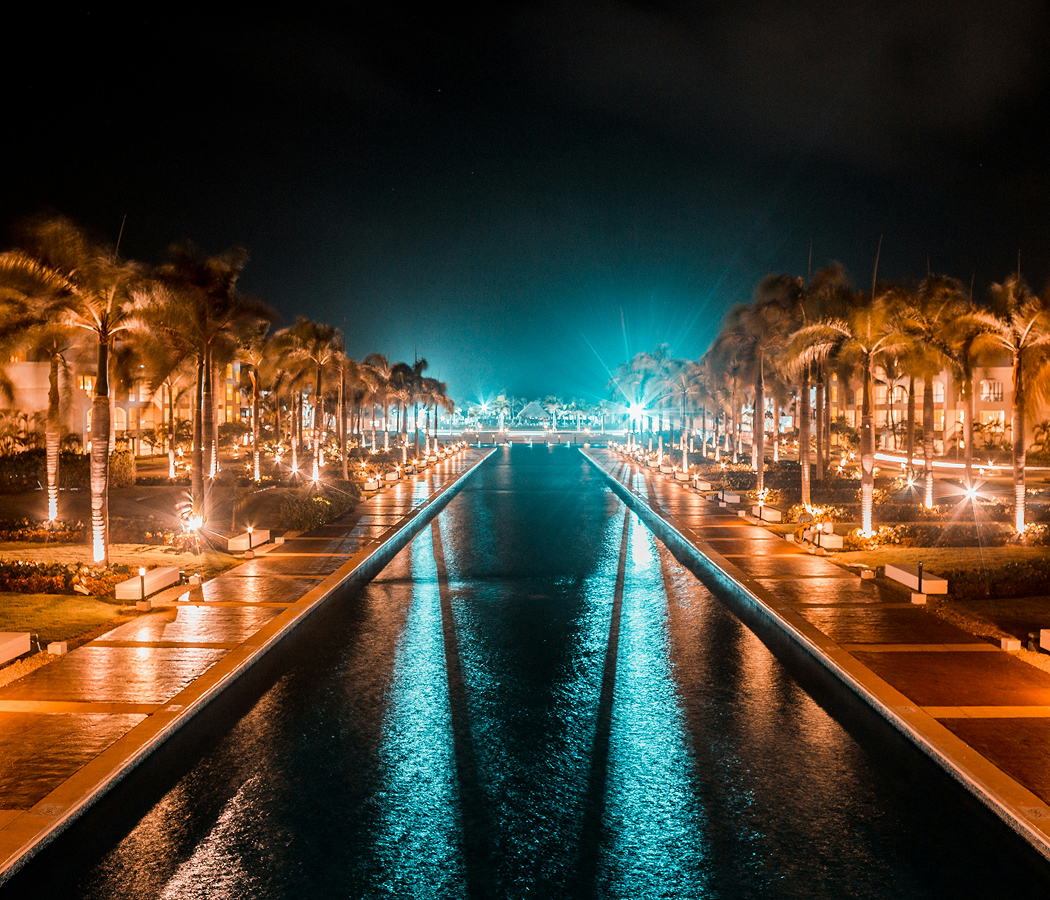
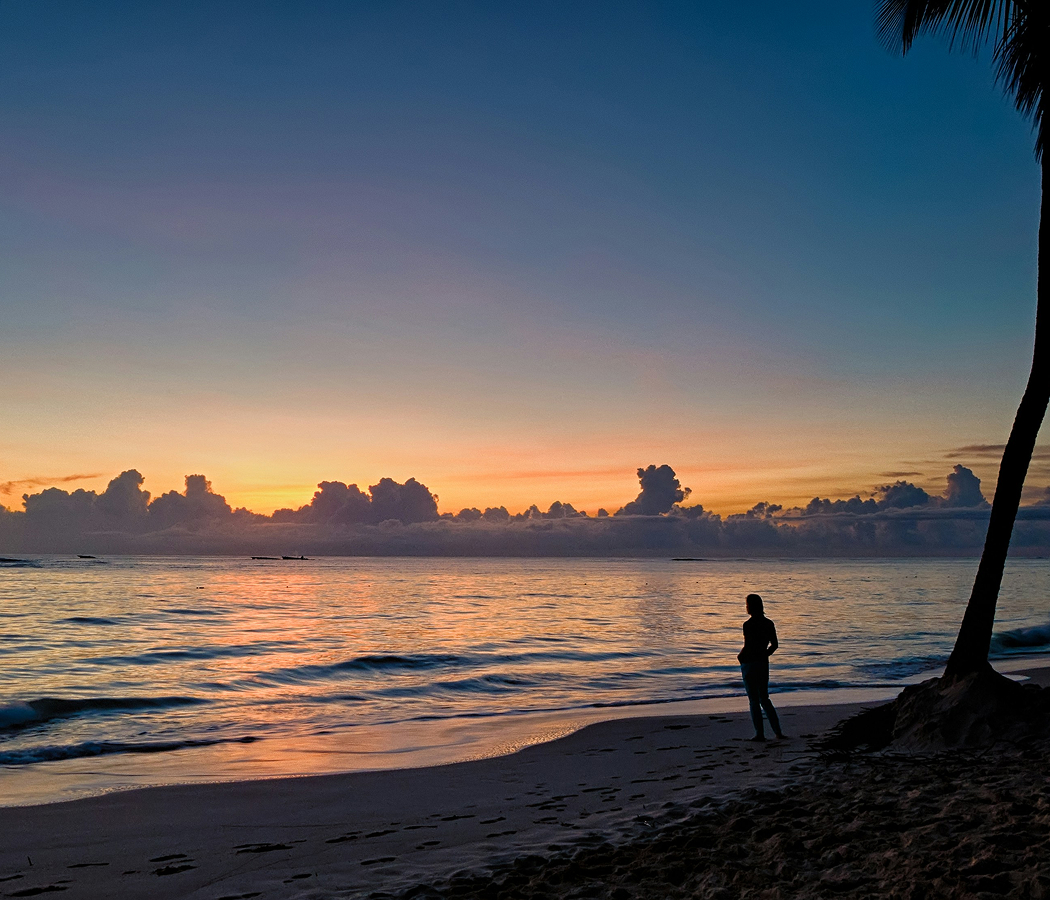
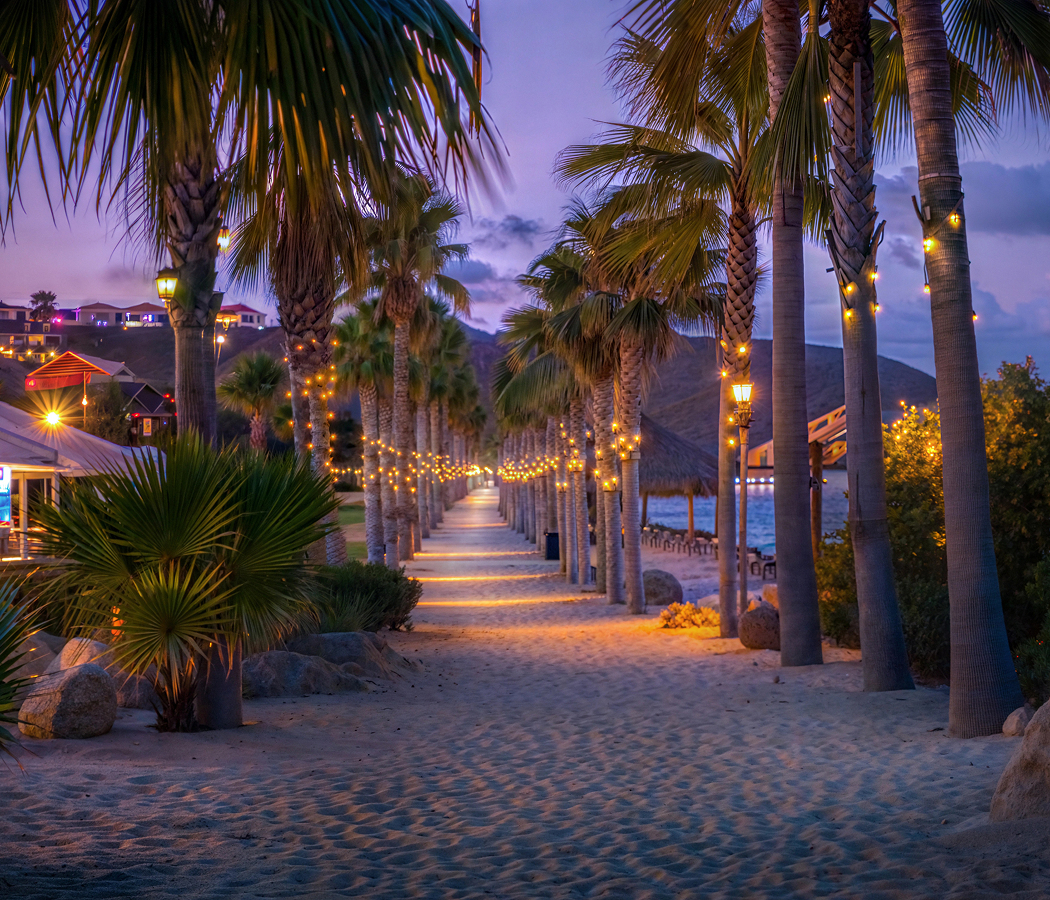
Stretching along the northern coastline of the Punta Cana region, Playa Macao occupies a broad Atlantic-facing bay between the resort developments of Arena Gorda and the coastal communities approaching Uvero Alto, with the village of El Macao extending inland toward Boulevard Turístico del Este. The shoreline forms a sweeping crescent of golden sand framed by low limestone cliffs, coconut palms, and tropical vegetation, with exposed headlands establishing the natural boundaries of the bay. Its considerable width creates an expansive coastal landscape where the sand rises gently toward vegetated dunes and the commercial establishments occupying the beachfront. Atlantic swells approach the open shoreline with substantial force, producing breaking waves and changing surf conditions along different sections of the beach. The northern headland introduces rocky formations and elevated coastal terrain, establishing a dramatic contrast with the broad sandy central bay. Small fishing boats, informal seafood restaurants, surf schools, and beach vendors contribute to the surrounding coastal landscape, preserving a substantial connection with the community's maritime traditions. The result is an exceptional public beach whose dramatic Atlantic scenery, extensive sandy shoreline, and distinctive local character establish one of the eastern Dominican Republic's most recognizable coastal destinations.
What defines Playa Macao.
Playa Macao is best known for preserving a substantial public beach culture within a region transformed by international resort development, establishing an important connection between traditional Dominican coastal communities and the expansion of Caribbean tourism. Its earlier history belongs to the agricultural and fishing settlements of eastern La Altagracia, whose inhabitants depended upon cattle ranching, small-scale cultivation, and the marine resources of the surrounding Atlantic coastline. The village of El Macao developed within this rural environment, establishing a community whose economic activities connected coastal fishing with agricultural production across the surrounding countryside. Traditional Dominican fishing vessels provided access to nearshore waters, supporting local food supplies and commercial exchange through the sale of freshly harvested fish and shellfish. The community's agricultural practices included the cultivation of plantains, cassava, and other crops associated with the Dominican Republic's longstanding rural food traditions. The surrounding coastline remained relatively isolated during much of the twentieth century, with limited transportation infrastructure connecting its settlements to the provincial capital of Higüey and the country's principal population centers. The transformation of eastern Dominican tourism began during the late 1960s through the ambitions of entrepreneur Frank Rainieri and American attorney Theodore Kheel, whose partnership initiated the development of Punta Cana as an international hospitality destination. Their original resort opened in 1971, establishing a modest coastal operation whose subsequent expansion introduced substantial investment in transportation, accommodation, and recreational infrastructure. The inauguration of Punta Cana International Airport in December 1983 transformed access to the eastern peninsula, supporting the expansion of international tourism and attracting major hospitality investment. Spanish hotel companies contributed substantially to this development during the following decades, establishing extensive resort complexes across the beaches of Bávaro and the surrounding coastline. Macao's comparatively open coastal landscape developed a distinctive role within this expanding tourism region, attracting Dominican families and international visitors seeking access to a broad public shoreline. Its substantial Atlantic waves also encouraged the development of recreational surfing, introducing an activity whose growth established the beach as one of the eastern Dominican Republic's principal surfing destinations. Local instructors developed organized lessons and equipment rental operations, supporting a growing community of beginner and experienced surfers. The beach subsequently became an established destination for organized excursions involving dune buggies, all-terrain vehicles, and horseback riding, connecting its coastal setting with the agricultural landscapes extending inland. The expansion of tourism introduced increasing commercial opportunities for local residents through seafood restaurants, recreational services, transportation businesses, and beach vending. Public investment in coastal infrastructure contributed to the development of improved access, parking facilities, and visitor services, strengthening the beach's capacity to accommodate substantial numbers of visitors. A major new phase of hospitality development arrived through the construction of Dreams Macao Beach Punta Cana, an all-inclusive resort whose opening in 2020 introduced substantial accommodation infrastructure along the surrounding coastline. The project established a significant transformation of the local hospitality landscape, introducing an international resort brand into an area whose earlier tourism activities had concentrated upon public beach recreation and smaller commercial businesses. The Dominican government subsequently announced improvements to public access facilities, including a parking area designed to accommodate eighty-six cars and fourteen buses, along with pedestrian infrastructure, lighting, and sanitary facilities. These investments strengthened the relationship between the beach's expanding tourism economy and its continued accessibility to the wider public. Playa Macao's significance rests upon this coexistence of traditional coastal commerce, public recreation, international hospitality investment, and a surfing culture shaped by the physical conditions of the Atlantic shoreline.
Dominican beach culture establishes Playa Macao's distinctive character through the relationship between Atlantic surf, local seafood cooking, traditional maritime activities, and the social gatherings associated with public coastal recreation. The beach's exposure to prevailing trade winds and incoming ocean swells creates conditions suited to surfing, with wave formation influenced by the interaction between offshore weather systems, seabed contours, and the orientation of the bay. Breaking waves develop as incoming swells encounter progressively shallower water, producing the distinctive surf conditions that attract recreational surfers throughout the year. Local surf schools introduce the technical foundations of the sport through instruction in paddling, board positioning, balance, and the interpretation of changing wave conditions. The sandy seabed provides a recognizable environment for introductory instruction, with experienced instructors selecting suitable sections of the shoreline according to prevailing conditions. More substantial swells introduce opportunities for experienced surfers, whose participation contributes to the beach's established recreational culture. The open Atlantic setting also creates significant variations in currents and wave strength, making careful assessment of local conditions essential for swimming and other water activities. Fishing traditions provide another defining component of the coastal environment, connecting the daily work of local fishermen with the restaurants and food vendors operating near the sand. Freshly harvested fish contributes to a culinary repertoire shaped by the Dominican Republic's agricultural and maritime resources, with whole fried fish occupying a particularly important position within traditional beach dining. Pescado frito combines carefully seasoned fish with a crisp exterior and tender flesh, establishing a preparation whose direct relationship with fresh seafood contributes to its longstanding popularity. Tostones provide a familiar accompaniment through twice-fried green plantains, introducing substantial texture and a mild flavor that complements the richness of fried seafood. Rice and beans contribute another important dimension through their association with everyday Dominican cooking, connecting beachfront meals with culinary traditions maintained across generations of households. Sancocho introduces a more substantial preparation through a richly flavored stew combining meats, root vegetables, plantains, and aromatic seasonings, establishing a direct relationship with the country's rural agricultural heritage. Tropical beverages complement these dishes through fresh coconut water, fruit juices, and preparations incorporating Caribbean rum. The beach's informal restaurants establish a distinctive dining environment through their proximity to the shoreline, where open-air tables and simple cooking facilities connect meals with the surrounding coastal landscape. Weekend gatherings introduce another important social dimension, bringing Dominican families and groups of friends together for extended periods of recreation, shared meals, and music. Merengue and bachata contribute to this atmosphere through musical traditions whose development established two of the Dominican Republic's most internationally influential cultural expressions. The beach's recreational activities extend beyond surfing through horseback excursions and off-road adventures, connecting the coastal environment with the surrounding countryside. These activities introduce a broader relationship between tourism and the rural communities whose economic development has been shaped by the expansion of the Punta Cana region. Playa Macao's cultural significance emerges through this sustained combination of public beach recreation, traditional Dominican foodways, maritime commerce, and Atlantic surfing within an exceptionally dramatic coastal landscape.
How Playa Macao fits.
Playa Macao works as the centerpiece of a northern Punta Cana outing connecting the development of organized surf instruction, the preservation of a quieter rocky coastal enclave, and the traditional seafood cooking that anchors the area's beachfront commerce.
Begin at Punta Cana Surf Adventure, the locally operated surf school whose development introduced structured instruction and equipment rental services to the Atlantic coastline. Its program accommodates beginner and experienced surfers through individual lessons, group instruction, and a substantial selection of boards suited to changing wave conditions. The school's equipment collection includes more than fifty boards, encompassing soft-top learning boards, longboards, and shorter performance designs whose different dimensions influence stability, paddling efficiency, and maneuverability. Instruction develops the relationship between wave selection and board control, introducing techniques that allow beginners to progress from prone paddling to standing and turning. Experienced surfers benefit from equipment suited to the changing characteristics of the surf, establishing a specialized recreational service within the area's developing watersports economy. Continue to Playa Escondida, the small coastal cove whose sheltered position introduces a distinctive geological contrast with the surrounding Atlantic shoreline. The beach occupies a rocky recess near the eastern end of the principal bay, with low coastal formations enclosing a compact stretch of sand. Its physical character emerges through the interaction between limestone erosion, wave action, and the accumulation of sediment within a comparatively confined coastal environment. The surrounding vegetation contributes to the secluded setting, establishing a natural transition between exposed rock and tropical coastal growth. The cove's compact geography supports a quieter coastal excursion, with its rocky boundaries and changing water conditions introducing a distinctive interpretation of the region's Atlantic landscape. Conclude at Restaurant Doña Macao, the beachfront seafood establishment whose cooking preserves an important relationship between Dominican fishing traditions and informal coastal hospitality. The restaurant occupies a simple dining space beside the sand, with open-air seating establishing a direct connection between meals and the surrounding maritime environment. Its culinary program emphasizes freshly prepared fish and shellfish, bringing familiar Dominican seasonings into preparations suited to the immediate coastal setting. Whole fried fish introduces a characteristic combination of crisp skin and tender flesh, accompanied by traditional sides that connect the restaurant's cooking with the agricultural traditions of eastern Hispaniola. The establishment's continued participation in the local food economy supports the relationship between independent beachfront commerce and the culinary practices associated with Dominican coastal communities. The progression moves from the professional instruction that developed around the area's Atlantic surf through the geological character of a secluded coastal cove and culminates in the traditional seafood cooking of an independent beachfront restaurant, connecting recreation, natural geography, and Dominican maritime culture along the northern Punta Cana shoreline.
Where your story begins.
Foresyte Travel reveals places that feel extraordinary long before you arrive.
Enjoy editorial crafted for luxury travelers.
Foresyte may earn a commission when you book.