Why Citrus Fusion Cuisine matters.
Citrus Fusion Cuisine is a cosmopolitan restaurant where Los Corales' independent dining culture meets Dominican Creole cooking, Japanese sushi traditions, Mediterranean seafood preparations, and the international culinary influences that distinguish Bávaro's evolving restaurant community.
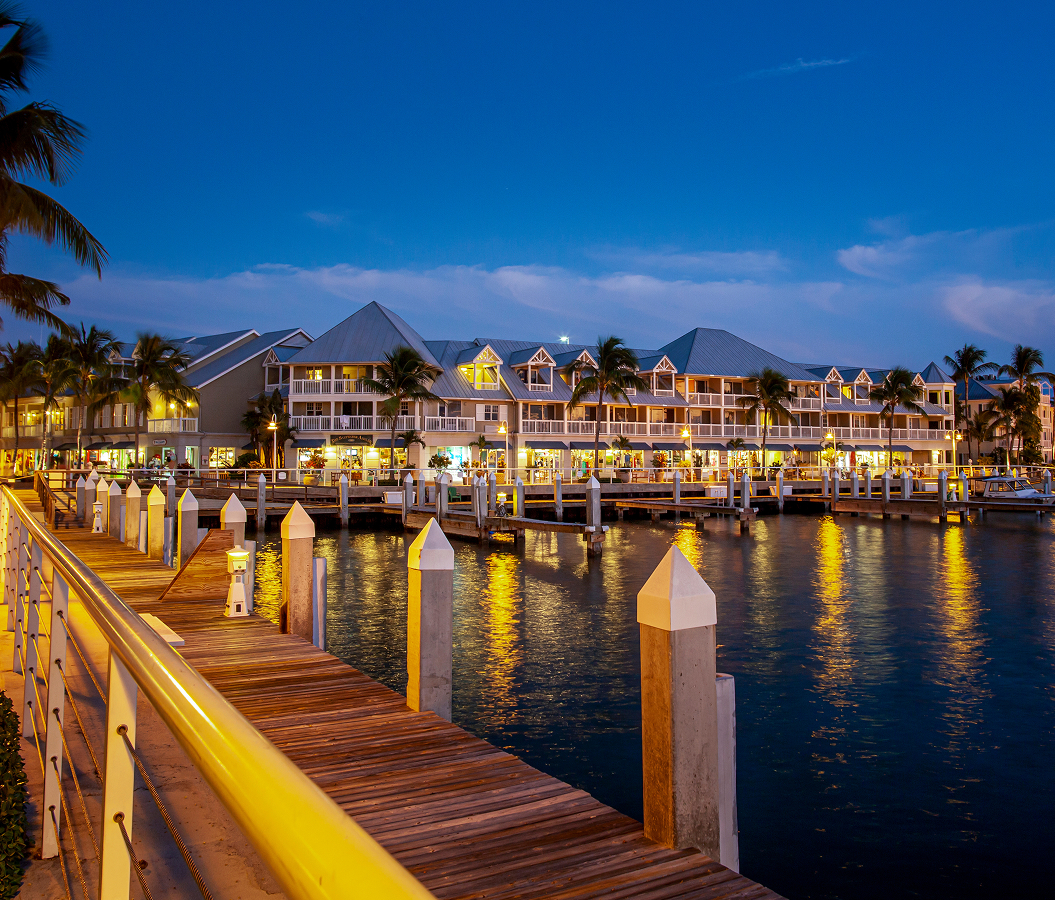
Occupying Plaza Turquesa along Avenida Alemania in the Los Corales district of Bávaro, Citrus Fusion Cuisine stands within the compact commercial streets between El Cortecito and the beachfront residential developments of Playa Turquesa, with Calle Aruba connecting the neighborhood's principal restaurant corridor to the coast. The restaurant occupies a street-level commercial space whose contemporary interior introduces a polished dining environment within the surrounding concentration of independent businesses. Carefully arranged tables, upholstered seating, decorative lighting, and a substantial bar establish an atmosphere suited to extended meals and evening gatherings. The dining room incorporates contrasting textures and ornamental details, creating a more elaborate visual composition than the modest commercial exterior suggests. Outdoor seating extends the restaurant into the surrounding pedestrian environment, maintaining a connection with the tropical climate and the neighborhood's informal social character. The combination of indoor dining, exterior tables, and bar service accommodates the restaurant's broad international menu and its substantial evening clientele. The result is a sophisticated neighborhood restaurant whose contemporary design, accessible commercial setting, and lively dining atmosphere establish a distinctive presence within Bávaro's independent hospitality community.
What defines Citrus Fusion Cuisine.
Citrus Fusion Cuisine is best known for bringing Dominican Creole cooking, Mediterranean preparations, Japanese sushi, and familiar international restaurant traditions into a single culinary establishment within Bávaro's expanding independent dining district. Its development belongs to the commercial transformation of eastern La Altagracia, where international tourism generated demand for restaurants operating beyond the dining programs of large beachfront hotels. The surrounding region's hospitality economy developed through the investments initiated by Dominican entrepreneur Frank Rainieri and American attorney Theodore Kheel, whose partnership established the foundations of the Punta Cana tourism industry during the early 1970s. Their original coastal development introduced a small hospitality operation in 1971, initiating a period of infrastructure investment that subsequently transformed the eastern peninsula. The opening of Punta Cana International Airport in December 1983 established direct international access to the region, encouraging the development of increasingly substantial hotels and recreational facilities. Spanish hospitality companies played an influential role during the following decades, introducing large resort complexes whose construction accelerated population growth and expanded employment opportunities throughout Bávaro. The resulting economic development attracted Dominican workers from other provinces alongside international entrepreneurs, hospitality professionals, and residents establishing businesses within the growing tourism district. Independent commercial communities emerged around the principal resort corridors, introducing restaurants, grocery stores, residential accommodations, and specialist retail businesses serving a more varied population. Los Corales developed as one of these commercial concentrations, establishing a walkable neighborhood whose restaurants and small businesses contributed to the diversification of Punta Cana's hospitality economy. Citrus Fusion Cuisine became a recognizable part of this restaurant community through a culinary concept organized around the combination of international cooking traditions. Its menu incorporated Dominican Creole preparations alongside Italian pasta, Mediterranean seafood, American restaurant classics, and Japanese sushi, introducing a dining format suited to the varied culinary preferences of the surrounding international population. The restaurant's development established a substantial departure from the specialized cuisine associated with many individual establishments, bringing several distinct culinary traditions into a coordinated kitchen operation. This breadth required different preparation methods, ingredient selections, and technical approaches, establishing a demanding culinary program extending from raw seafood preparations to grilled meats and carefully developed sauces. The restaurant's emphasis on fresh ingredients and elaborate presentation contributed to its reputation among visitors seeking independent dining establishments within Bávaro. Its position within Plaza Turquesa supported this development through direct access to a concentration of residential accommodations, hospitality businesses, and commercial activity. The restaurant subsequently developed an established following among returning visitors and residents, strengthening its position within the area's independent restaurant community. Tripadvisor awarded Citrus Fusion Cuisine its Travellers' Choice distinction in 2025, recognizing sustained positive customer evaluations and placing the restaurant among the platform's better-performing establishments. The restaurant received the distinction again in 2026, demonstrating continuity in its public reception within an increasingly competitive hospitality market. Its culinary classification encompasses Italian, American, Caribbean, Mediterranean, seafood, sushi, and international fusion cooking, illustrating the breadth of the establishment's original concept. The operation accommodates lunch, dinner, and late-evening dining, with a beverage program and occasional live music extending its role within the surrounding commercial district. Citrus Fusion Cuisine's significance rests upon its contribution to the development of independent international dining in Bávaro, connecting the region's expanding residential population with a restaurant culture shaped by Dominican ingredients and the culinary traditions of several continents.
Caribbean seafood provides an important foundation for Citrus Fusion Cuisine's culinary program, establishing a relationship between locally available marine ingredients and the preparation techniques associated with Japanese, Mediterranean, and Dominican kitchens. The restaurant's approach brings contrasting culinary traditions into a shared repertoire, developing combinations whose distinctive flavors emerge through careful attention to acidity, seasoning, texture, and cooking temperature. Sushi introduces the precision of Japanese rice preparation, with seasoned rice supporting combinations of seafood, vegetables, and carefully developed sauces. The kitchen's sushi selections incorporate both familiar Japanese preparations and combinations influenced by Caribbean ingredients, establishing a culinary relationship between East Asian techniques and tropical produce. Tuna contributes a substantial dimension through its firm texture and suitability for raw preparations, supporting tartare and other dishes whose character depends upon freshness and restrained seasoning. Ceviche introduces another interpretation of raw seafood through the use of citrus acidity, aromatic vegetables, and herbs, connecting the restaurant's international repertoire with the coastal culinary traditions of Latin America. The distinction between sushi and ceviche establishes an important technical contrast, with each preparation developing the natural character of seafood through a different combination of ingredients and culinary methods. Mediterranean influences introduce olive oil, garlic, herbs, and carefully prepared sauces, supporting grilled fish and shellfish through combinations that emphasize the principal ingredient. Mahi-mahi occupies a recognizable position within the restaurant's seafood repertoire, appearing in preparations that incorporate Caribbean seasonings and Mediterranean accompaniments. Its firm flesh supports controlled grilling and carefully balanced sauces, establishing a culinary foundation suited to the restaurant's fusion concept. Risotto introduces another important technical dimension through the gradual cooking of rice in flavorful liquid, creating a creamy texture that accommodates seafood and aromatic ingredients. The restaurant's blackened risotto develops this preparation through a distinctive visual presentation, demonstrating the kitchen's interest in combining familiar international techniques with contemporary plating. Italian pasta preparations contribute another dimension through the relationship between carefully cooked dough, developed sauces, and complementary ingredients. Ravioli introduces the precision associated with filled pasta, establishing contrasting textures between the delicate exterior and the ingredients enclosed within. Dominican culinary traditions enter the menu through preparations involving goat, plantains, and the concentrated seasonings associated with regional Creole cooking. Chivo al estilo liniero provides a particularly significant example, connecting the restaurant's international menu with the goat preparations associated with the Dominican Republic's northwestern provinces. The dish draws upon a longstanding culinary tradition in which carefully seasoned meat develops tenderness and concentrated flavor through sustained cooking. Tropical ingredients introduce additional opportunities for contrast, with passion fruit contributing aromatic acidity and plantains providing sweetness and substantial texture. The beverage program complements this diversity through cocktails incorporating citrus, mint, tropical fruit, and Caribbean rum. Chinola mojitos introduce a particularly recognizable combination, bringing passion fruit into the familiar structure of a rum-and-mint cocktail. The restaurant's culinary character emerges through the coordinated preparation of Japanese seafood, Mediterranean cooking, Italian pasta, and Dominican Creole specialties, establishing a broad international repertoire grounded in the ingredients and cultural influences of Bávaro.
How Citrus Fusion Cuisine fits.
Citrus Fusion Cuisine works as the evening centerpiece of a Bávaro exploration connecting the traditional fishing communities of the eastern Dominican coast, the development of recreational marine excursions, and the international beach culture that transformed the surrounding shoreline.
Begin at Playa El Cortecito, the historic coastal community whose development preserves an important connection with the fishing traditions that preceded Bávaro's expansion into an international tourism destination. The settlement emerged around the daily activities of local fishermen, whose small boats and coastal working practices established a maritime economy supported by the surrounding Atlantic waters. Traditional fishing methods involved modest vessels suited to the shallow coastal environment, with catches supplying local households and commercial buyers. The community's subsequent development introduced seafood restaurants, independent shops, and small hospitality establishments, creating a distinctive commercial landscape connected directly with the shoreline. Its surviving fishing activity establishes a tangible relationship between the area's earlier maritime economy and the commercial development generated by international tourism. Continue to Dolphin Island Park, the marine attraction whose development introduced organized encounters with dolphins within the offshore environment of Bávaro. The operation established a recreational program based upon access to floating marine platforms, with transportation provided by boat from a designated coastal departure point. Its principal activities involve supervised interactions with dolphins in seawater enclosures, introducing visitors to the physical characteristics and behavior of marine mammals through structured programs. Dolphins possess highly developed echolocation abilities, using sound waves to navigate, locate prey, and interpret their surroundings. The attraction's specialized facilities accommodate different interaction formats, establishing a substantial component of the region's marine excursion industry. Conclude at Playa Los Corales, the celebrated beachfront whose development established one of Bávaro's most recognizable concentrations of independent coastal hospitality. The shoreline forms part of the extensive Costa del Coco, a coastal region whose name derives from the coconut palms historically associated with eastern Dominican agriculture. Offshore coral formations contribute to the area's marine environment, supporting reef fish and other organisms within the shallow tropical waters. The beach's commercial development introduced restaurants, small hotels, and recreational operators along a stretch of coastline that maintains public access and a close relationship with the surrounding residential community. Snorkeling excursions depart toward nearby reef environments, connecting the beach's recreational culture with the marine ecosystems supporting the region's tourism industry. The progression moves from the fishing traditions of a historic coastal settlement through the development of organized marine recreation and culminates in the independent beachfront community whose commercial growth transformed Bávaro's relationship with its Atlantic shoreline.
Where your story begins.
Foresyte Travel reveals places that feel extraordinary long before you arrive.
Enjoy editorial crafted for luxury travelers.
Foresyte may earn a commission when you book.