Why Sidedoor matters.
Sidedoor is a contemporary Asian-fusion restaurant where ByWard Market's historic commercial character meets Southeast Asian street-food traditions, inventive shared-plate dining, and the culinary legacy of Ottawa chef Jonathan Korecki.
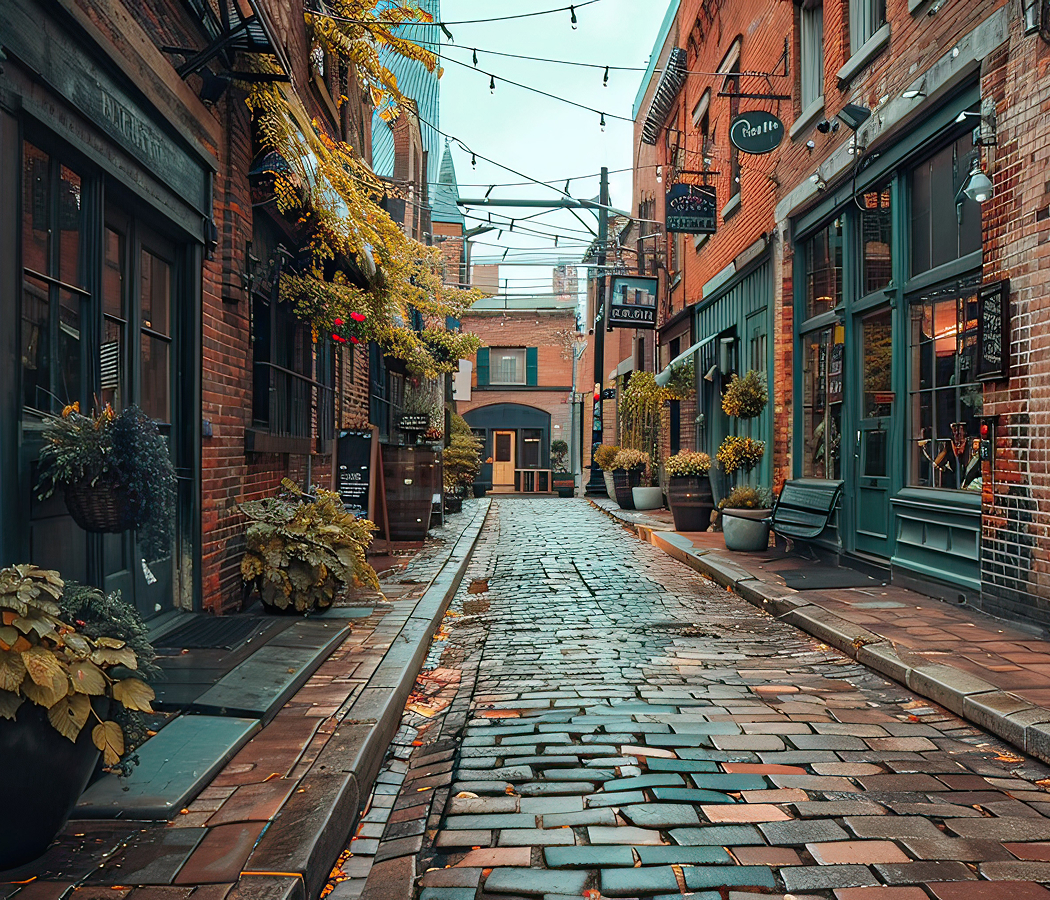
Occupying a nineteenth-century heritage building within a secluded courtyard off York Street, Sidedoor stands in the heart of ByWard Market, between Sussex Drive and the historic market square, with the Rideau Centre to the south and the National Gallery of Canada a short walk north. The restaurant's entrance leads away from the surrounding commercial streets into a cobblestone courtyard enclosed by substantial stone and brick buildings. Constructed in 1876, the property's original masonry establishes a distinctive architectural setting for its contemporary restaurant interiors. Exposed stone walls, substantial timber elements, and large windows preserve the character of the historic structure, and an elevated glass-roofed passage introduces additional natural light. The principal dining spaces combine carefully arranged tables with intimate seating areas, allowing the restaurant to accommodate individual dinners and larger gatherings. A sheltered outdoor patio occupies the courtyard, connecting the dining room with one of the market district's characteristic interior passageways. The building's upper-level event spaces extend the restaurant's hospitality program into weddings, private celebrations, and corporate gatherings. The surrounding neighborhood contributes a dense architectural setting of former commercial warehouses, nineteenth-century storefronts, and pedestrian passages developed during Ottawa's growth as a national capital. The result is a distinctive courtyard restaurant whose preserved heritage architecture, secluded outdoor dining, and central market location establish an intimate setting for contemporary Asian-inspired cooking.
What defines Sidedoor.
Sidedoor is best known for introducing a Southeast Asian-inspired sharing concept into Ottawa's independent restaurant community through the professional collaboration of chefs Matthew Carmichael and Jonathan Korecki. The restaurant emerged during a period of renewed culinary investment in ByWard Market, a district whose commercial origins reach to Lieutenant-Colonel John By's establishment of Bytown in 1827. The area's early agricultural trade developed around public market buildings, merchant premises, and the transportation routes associated with construction of the Rideau Canal. Following Ottawa's selection as Canada's capital, the district accumulated a substantial collection of commercial buildings serving farmers, retailers, wholesalers, and the growing federal administration. Its architectural heritage became increasingly important during the late twentieth century as municipal preservation efforts sought to protect the historic market streets. Ottawa City Council designated the ByWard Market Heritage Conservation District in 1991, establishing formal protections for a commercial landscape containing numerous nineteenth-century structures. This setting provided the architectural foundation for Sidedoor's development. The restaurant opened in 2011, introducing an informal dining concept centered on dishes inspired by the street markets of Thailand, Vietnam, and neighboring Asian culinary traditions. Its opening team brought together individuals associated with Restaurant e18hteen, the established fine-dining restaurant occupying the adjoining heritage property. Carmichael had developed a reputation within Ottawa's professional restaurant community through his work at e18hteen, and Korecki contributed a culinary background shaped by formal French training and experience in several distinguished Canadian kitchens. Born and raised in Caledon, Ontario, Korecki began working in restaurants during high school before relocating to Ottawa to attend Le Cordon Bleu. His early professional development included employment at the Ritz on Elgin Street, where he combined culinary education with practical restaurant work. Following graduation, he moved to Toronto to work alongside chef Susur Lee, whose internationally influential cooking incorporated Asian ingredients and techniques into sophisticated contemporary restaurant preparations. The relationship contributed to Korecki's developing interest in the intersection of European culinary training and Asian food traditions. He subsequently returned to Ottawa and participated in a Susur Lee guest dinner at Restaurant e18hteen, strengthening his professional connection with the establishment. Korecki joined the e18hteen kitchen as sous chef and participated in the 2009 Gold Medal Plates competition. His team won the Ottawa regional competition and advanced to the national finals in Vancouver, establishing an important early distinction within Canada's professional culinary community. The experience strengthened his reputation and contributed to the development of the collaborative restaurant project that became Sidedoor. The founding partnership also included Caroline Gosselin and Earl Tawia, whose involvement connected the new establishment with Ottawa's existing independent hospitality network. Opening celebrations introduced a menu that combined Asian street-food preparations with tacos and other internationally influenced small plates. The restaurant's family-style service departed from the conventional sequence of individually plated courses, allowing dishes to arrive continuously and encouraging diners to share preparations across the table. Korecki directed the kitchen during its formative period, developing a repertoire that drew upon his classical training and the Asian culinary influences associated with his professional development. The restaurant subsequently became associated with handmade dumplings, inventive tacos, seasonal curries, and a distinctive dessert program. Its location also connected the venture with the broader history of Ottawa's restaurant industry. The adjoining Restaurant e18hteen had opened in 2001, establishing an influential fine-dining destination within the market's heritage architecture. Sidedoor introduced a complementary approach emphasizing informal hospitality and shared dishes, expanding the range of dining occasions supported by the historic property. The establishment developed a substantial private-event business, accommodating wedding receptions, corporate gatherings, and celebrations within its interconnected dining rooms and courtyard. Its larger event configurations support seated functions of up to 250 people and standing receptions of up to 350, extending the restaurant's role beyond everyday dining. The menu and service program have evolved through successive kitchen teams, preserving the central emphasis on Asian-inspired preparations and communal dining. Sidedoor occupies an important position within Ottawa's contemporary restaurant development through its connection with established local chefs, the adaptation of a nineteenth-century commercial building, and the introduction of a distinctive shared-plate culinary concept.
Jonathan Korecki's founding culinary approach established the restaurant's enduring relationship with Southeast Asian street food, combining traditional flavor combinations with techniques developed through professional Canadian restaurant kitchens. The menu draws upon the cooking traditions of Thailand, Vietnam, Korea, and other Asian regions, incorporating influences from Latin American street food into a repertoire designed for sharing. Fresh herbs, aromatic spices, citrus, fermented seasonings, and carefully developed sauces contribute to preparations whose flavors balance sweetness, acidity, heat, and savory depth. Handmade pork and shrimp dumplings provide a recognizable expression of this approach, bringing seasoned fillings together with delicate wrappers and complementary dipping sauces. Green papaya salad introduces the bright acidity and textural contrast associated with Thai street cooking, incorporating shredded vegetables, herbs, and assertive dressing. The restaurant's taco program develops a distinctive international connection through fillings such as spicy braised beef and tempura Bajan fish, combining familiar handheld presentations with Asian-inspired seasonings and contrasting garnishes. Bao buns extend the shared-plate repertoire through soft steamed bread filled with substantial savory preparations. Korean barbecue pork and crispy chicken introduce further combinations of rich meat, aromatic sauces, and pickled vegetables. The kitchen's curry selections emphasize freshly ground spices and layered Southeast Asian flavors, supporting more substantial dishes within the communal meal. Tuna sashimi provides a lighter counterpart through carefully prepared raw seafood and balanced accompaniments. The restaurant's commitment to Ocean Wise seafood and seasonal produce contributes to its broader ingredient program, connecting international culinary influences with Canadian sourcing. Service follows a continuous sequence of dishes placed at the center of the table, allowing diners to develop a meal through complementary textures and flavors. The format supports combinations of delicate seafood, richly seasoned meats, fresh vegetables, and substantial curries within a single sitting. Sidedoor's dessert program provides one of its most distinctive culinary signatures through freshly prepared doughnuts, including cinnamon-sugar and filled variations. Their prominence has established a recognizable conclusion to the restaurant's shared dining format, connecting a familiar North American sweet with the kitchen's broader emphasis on carefully prepared comfort food. Cocktails, wine, and beer accompany the varied menu, with refreshing and citrus-forward drinks providing natural complements to its aromatic seasonings. The restaurant's culinary character rests upon the sustained development of Asian street-food influences, inventive handheld preparations, and a communal service tradition that encourages an extended exploration of contrasting flavors.
How Sidedoor fits.
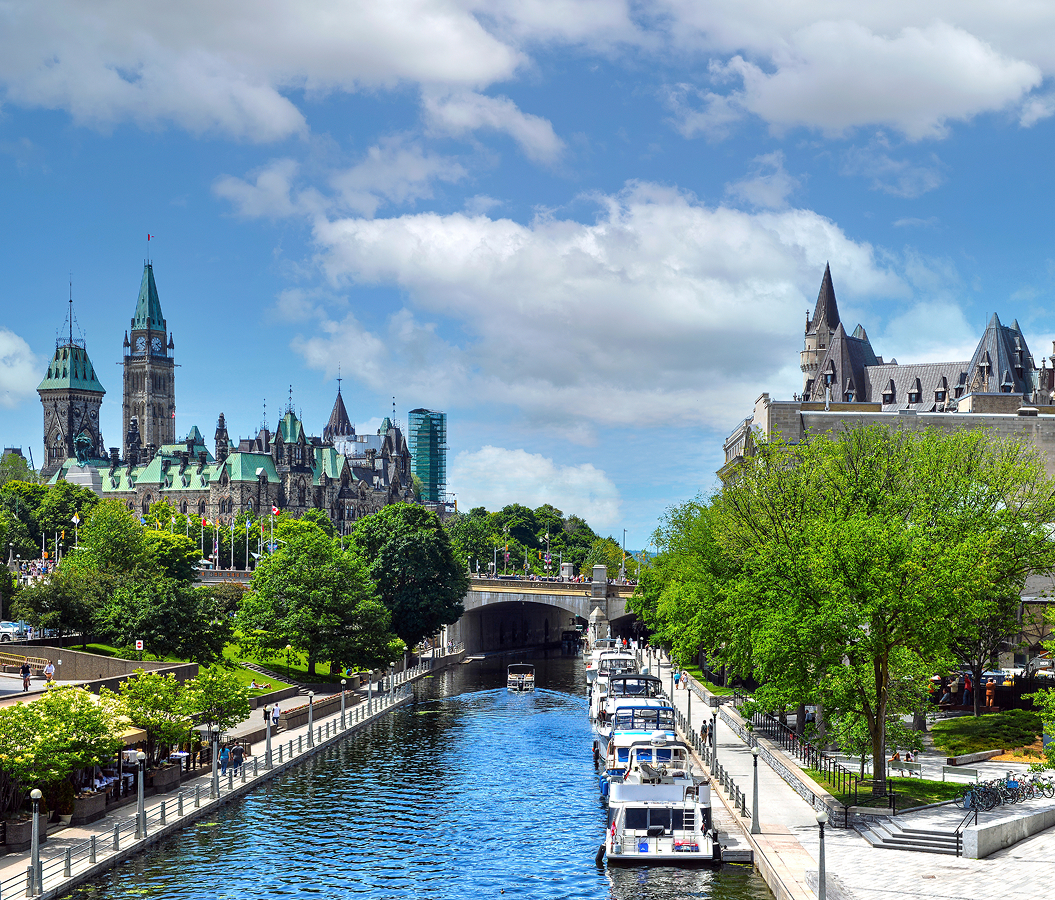
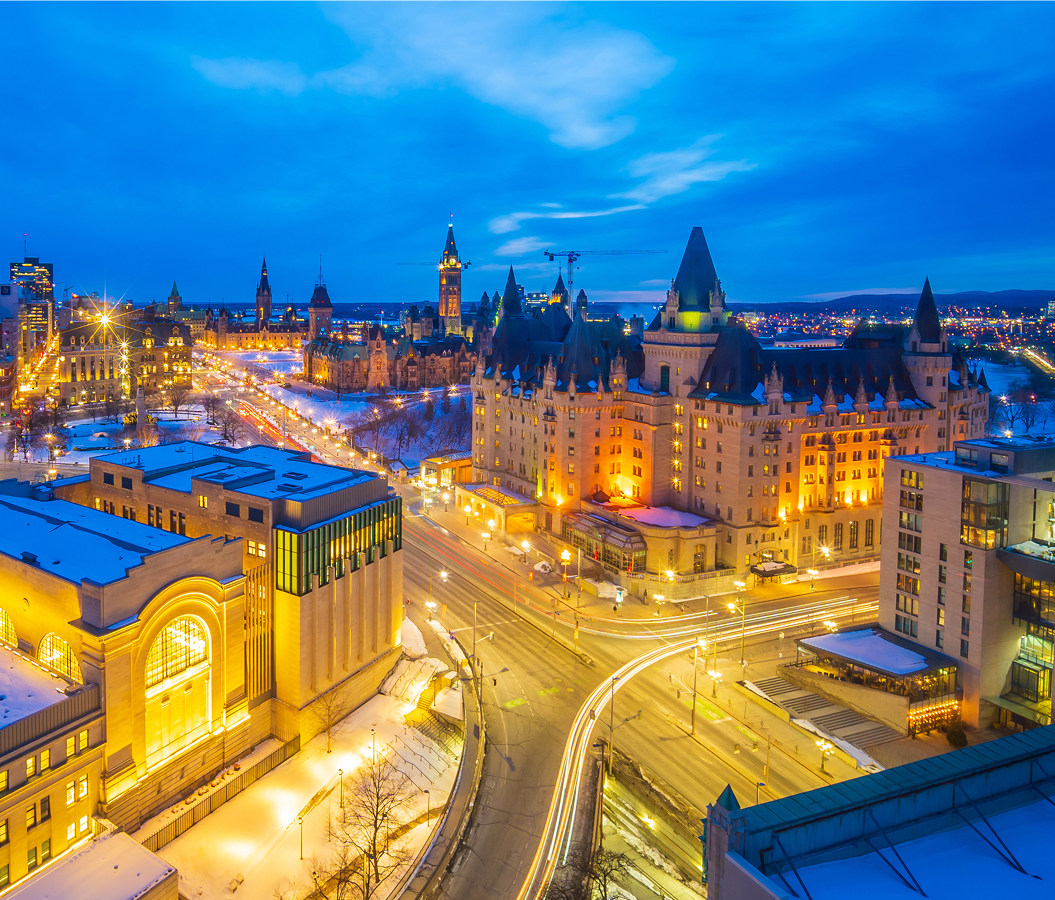
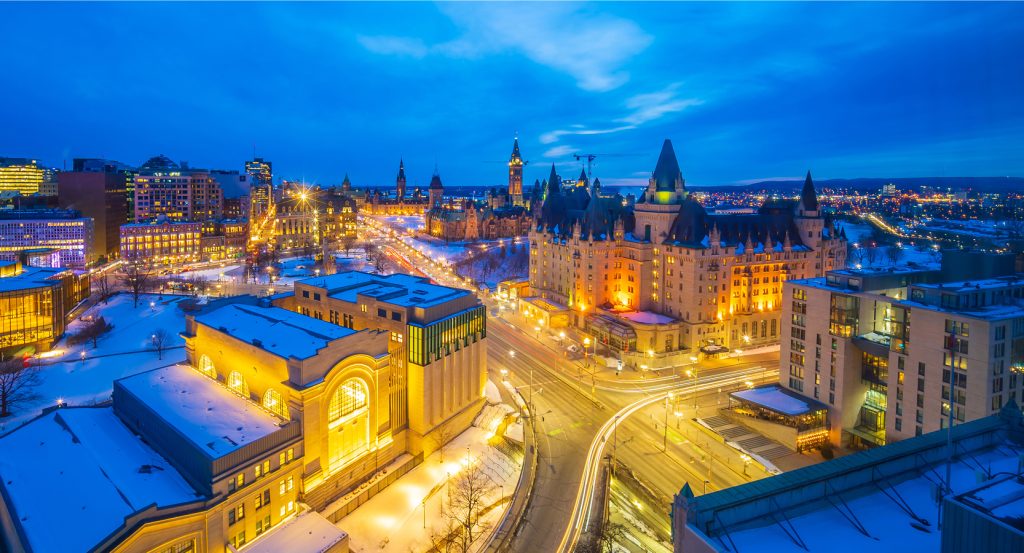
Sidedoor works as the dining centerpiece of a ByWard Market exploration connecting Ottawa's agricultural trading origins, its preserved commercial architecture, and the expansive cultural institutions overlooking the Ottawa River.
Begin at ByWard Market Building, the historic public market occupying the commercial square east of Sussex Drive. Lieutenant-Colonel John By established the area's earliest market facilities during the development of Bytown, introducing a trading center for farmers, merchants, and the growing settlement's residents. Successive market buildings accommodated expanding agricultural commerce as Ottawa developed into a national capital. The surviving structure was designed by architects Richards and Abra following the destruction of its predecessor in a 1926 fire. Completed in 1928, the two-storey Classical Revival building incorporates a broad ground-floor canopy, regular upper-storey windows, and substantial arched entrances beneath its cross-gabled roof. The original commercial arrangement accommodated twenty-four market stalls, six stores, and facilities for agricultural vendors. Preservation efforts during the 1970s protected the building from extensive alterations, and a subsequent rehabilitation by architect Barry Padolsky strengthened its commercial function. Continue northwest to Notre-Dame Cathedral Basilica, the expansive Catholic church whose twin silver spires rise above the northern end of Sussex Drive. Construction began in 1841, with subsequent architectural revisions introducing the Gothic Revival character that distinguishes its exterior and interior. The cathedral's elaborate sanctuary incorporates carved woodwork, stained glass, pointed arches, and a richly decorated blue ceiling ornamented with gold stars. Its ecclesiastical importance developed alongside Ottawa's transformation from a canal settlement into the national capital, establishing a lasting connection with the city's French Canadian Catholic community. Pope John Paul II elevated the cathedral to the status of minor basilica in 1979, acknowledging its historical and religious significance. Conclude at Major's Hill Park, the elevated public landscape extending southwest of the cathedral toward the Rideau Canal. The grounds formed part of Bytown's early military settlement, with Lieutenant-Colonel John By occupying a residence overlooking the canal works during construction. The property subsequently became associated with Major Daniel Bolton, whose residence contributed to the park's name. Following the removal of its original buildings, the area developed into one of Ottawa's earliest major public parks. Mature trees, broad lawns, and landscaped paths frame views of Parliament Hill, the canal locks, and the Ottawa River. The park also supports major public celebrations, connecting its historical landscape with the ceremonial life of the national capital. The progression moves from ByWard Market Building's preserved agricultural trading heritage through Notre-Dame Cathedral Basilica's nineteenth-century ecclesiastical architecture and culminates at Major's Hill Park, where Ottawa's early military landscape opens toward the river and parliamentary skyline.
Where your story begins.
Foresyte Travel reveals places that feel extraordinary long before you arrive.
Enjoy editorial crafted for luxury travelers.
Foresyte may earn a commission when you book.