Why MUSA matters.
MUSA is an underwater sculpture museum where Isla Mujeres's Caribbean waters meet contemporary environmental art, marine conservation and the transformation of submerged artworks into habitats for the Mesoamerican Reef's marine life.
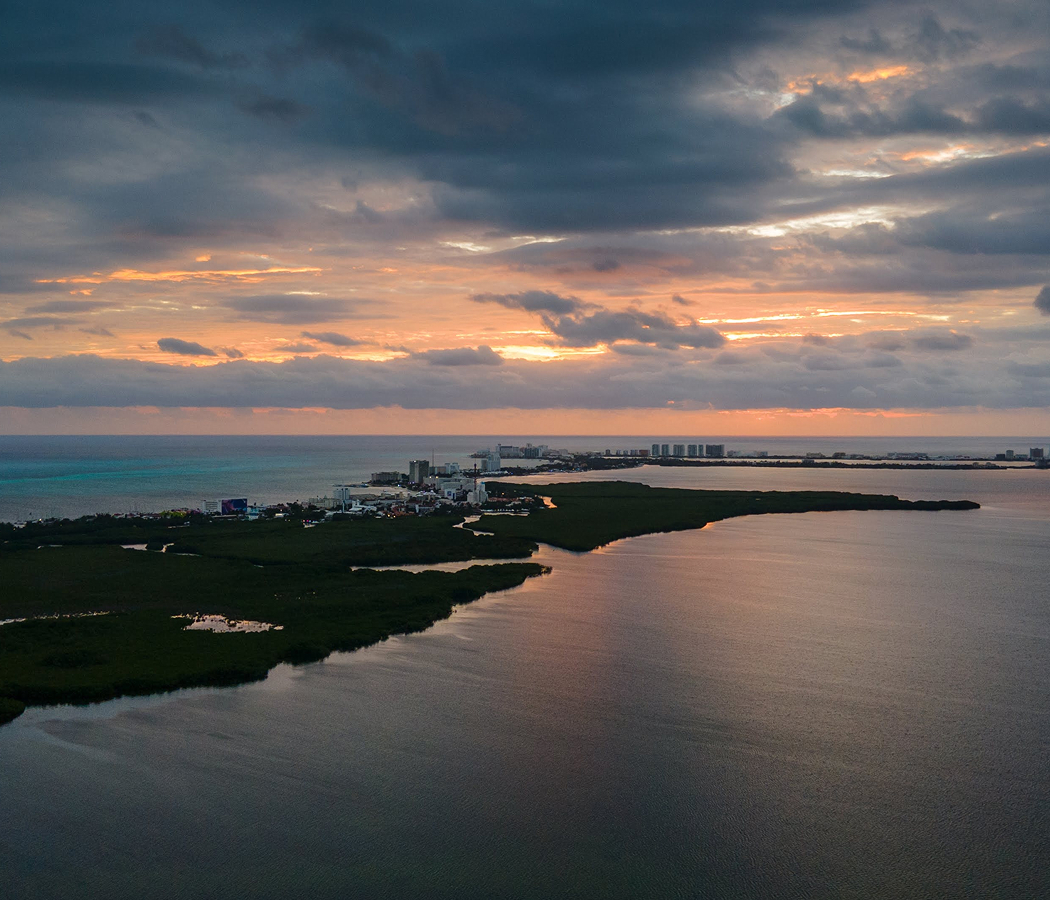
Set beneath the Caribbean Sea near Punta Nizuc and just offshore from the southern coastline of Isla Mujeres, the museum occupies multiple submerged sites within the waters surrounding Cancún, where sandy seabeds, coral formations and clear tropical currents establish a distinctive setting for large-scale sculpture. Hundreds of life-sized human figures, architectural forms and sculptural installations rest on the seabed, their surfaces gradually acquiring marine growth that changes their appearance over time. Snorkeling excursions, glass-bottom boats and guided scuba dives provide access to different sections of the collection, with visibility and depth determining the character of each encounter. The sculptures occupy carefully selected marine environments where textured surfaces provide attachment points for organisms and sheltered spaces for small fish. The result is an underwater museum defined by the convergence of contemporary sculpture, ecological restoration and the extraordinary marine environment of Mexico's northeastern Caribbean coast.
What defines MUSA.
MUSA is best known for its extensive collection of submerged sculptures and its founding mission to connect contemporary art with marine conservation in the waters surrounding Cancún and Isla Mujeres. The Museo Subacuático de Arte emerged in 2009 through a collaboration involving marine conservation authorities, the Cancún Nautical Association and British sculptor Jason deCaires Taylor. Roberto Díaz Abraham, then president of the nautical association, and Jaime González Cano, director of the Costa Occidental de Isla Mujeres, Punta Cancún y Punta Nizuc National Marine Park, played central roles in developing the initiative. The project addressed increasing pressure on natural coral reefs from recreational diving and snorkeling, introducing an alternative attraction within the protected marine environment. Its organizers envisioned a permanent collection of submerged artworks constructed from materials compatible with marine life and designed to encourage biological colonization. Jason deCaires Taylor brought experience from earlier underwater sculpture projects, including installations developed in Grenada, to the creation of a substantially larger museum in the Mexican Caribbean. The first sculptures were submerged in 2009, establishing the foundation of a collection that subsequently expanded to include more than 500 works. The principal exhibition areas developed around Manchones, near Isla Mujeres, and Punta Nizuc, south of Cancún's hotel corridor. These locations provided different underwater conditions, supporting installations accessible through scuba diving and snorkeling excursions. The project incorporated specialized marine-grade concrete formulated to encourage the attachment of corals and other organisms. Sculptural forms were positioned on the seabed using carefully planned installation procedures, with attention to stability, depth and surrounding marine habitats. The museum expanded through additional commissions and the participation of artists whose works explored human relationships with nature, consumption and environmental change. Its development established one of the world's largest underwater collections of contemporary sculpture, attracting international attention to the relationship between public art and marine conservation. The installations gradually acquired algae, sponges, corals and other marine organisms, creating a changing physical relationship between artistic form and ecological processes. The museum's significance rests on its innovative integration of sculpture into a protected marine environment and its contribution to the development of environmentally oriented cultural tourism along the Mexican Caribbean coast.
The Silent Evolution forms the museum's most celebrated installation, consisting of hundreds of life-sized human figures arranged together on the seabed at Manchones. Jason deCaires Taylor developed the work using casts of individuals representing different ages, occupations and social backgrounds, creating a submerged assembly of figures whose collective presence explores the relationship between humanity and the natural environment. The installation contains 400 figures, establishing an extensive sculptural composition across the sandy seabed. Their expressions, postures and physical characteristics vary, creating a detailed representation of human diversity within a single artistic work. The figures stand in closely arranged groups, producing passages and openings through which marine life moves. Their textured concrete surfaces support the attachment of organisms, gradually changing the appearance of the sculptures through biological growth. The installation's placement within the marine environment transforms its visual character through changing sunlight, water movement and the development of surrounding aquatic life. Another important work, The Banker, depicts a group of men with their heads buried in the sand, presenting a critical interpretation of financial institutions and environmental responsibility. The sculpture's arrangement creates a striking underwater composition, with the figures positioned in a manner that emphasizes their separation from the surrounding marine environment. Anthropocene presents a life-sized Volkswagen Beetle constructed as a sculptural habitat, incorporating internal spaces designed to shelter marine organisms. Its familiar automotive form introduces an object associated with industrial consumption into the natural setting of the Caribbean seabed. The work connects environmental themes with the visual language of contemporary sculpture, establishing a recognizable object within an unexpected underwater context. Other installations incorporate domestic objects, human figures and symbolic forms associated with ecological change and cultural behavior. The museum's artistic program extends beyond individual sculptures through the cumulative transformation of the collection over time. Marine organisms gradually alter the surfaces, colors and textures of the works, creating a physical record of ecological development. The surrounding waters support tropical fish, crustaceans and other species associated with the Mesoamerican Reef system. The installations contribute additional hard surfaces within selected sandy environments, creating opportunities for biological settlement and shelter. Their ecological function depends on local environmental conditions, marine management and the long-term development of attached organisms. MUSA's distinctive artistic importance emerges from the combination of large-scale figurative sculpture, environmental commentary and the changing biological processes of the Caribbean Sea.
How MUSA fits.
MUSA works as the marine centerpiece for a Cancún and Isla Mujeres itinerary connecting the underwater sculpture collection with the protected ecosystems of the Caribbean coast and the island communities shaped by the region's maritime geography.
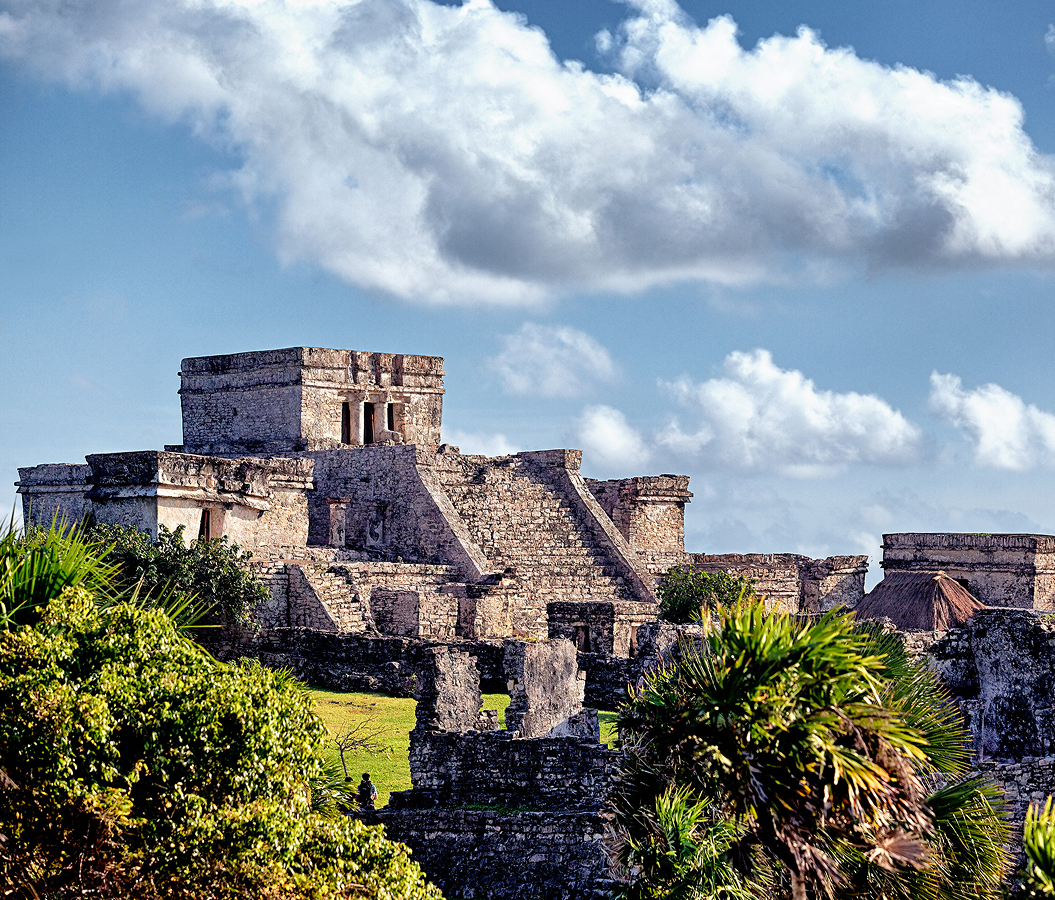
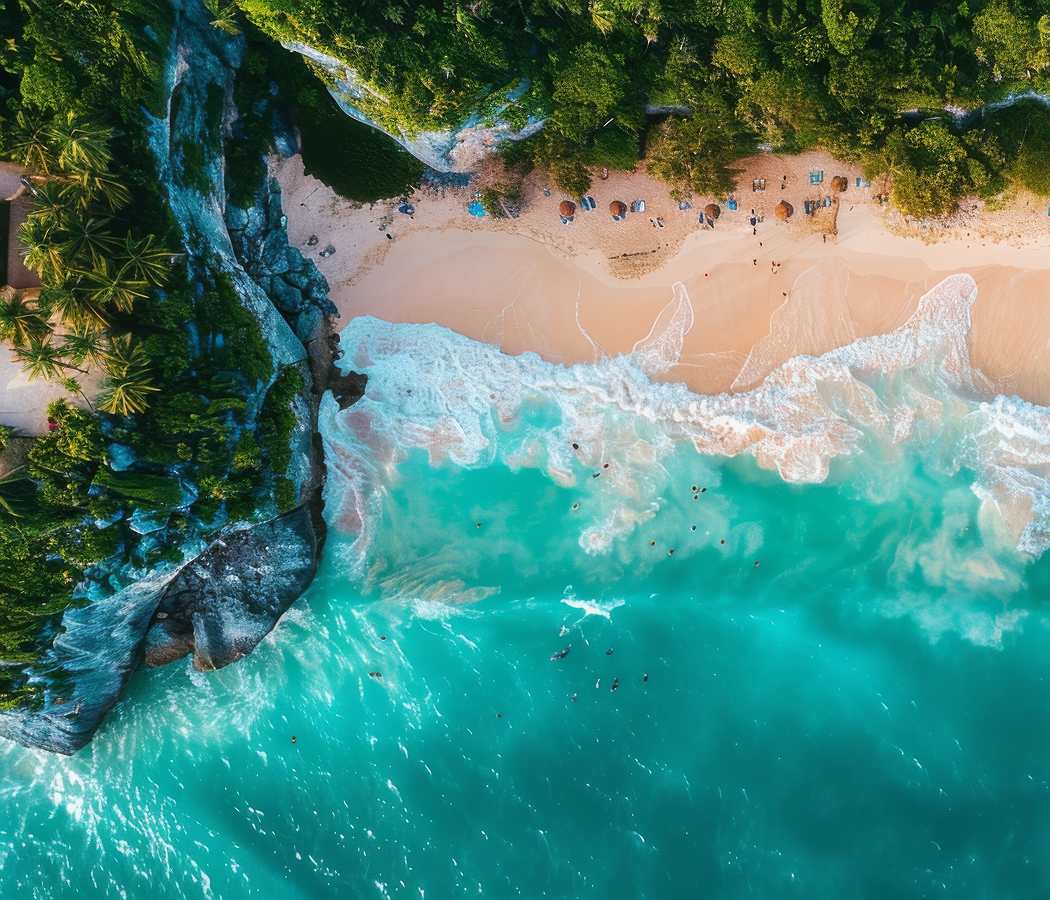
Begin at Parque Nacional Costa Occidental de Isla Mujeres, Punta Cancún y Punta Nizuc, the protected marine area encompassing important reef environments along the northeastern coast of the Yucatán Peninsula. Established in 1996, the national park protects coral formations, seagrass habitats and marine ecosystems associated with the Mesoamerican Reef. Its waters support a diversity of tropical fish, corals and other organisms whose survival depends on the ecological condition of the surrounding marine environment. Designated recreational areas accommodate snorkeling and diving under conservation regulations, connecting public access with the protection of sensitive habitats. The park's geographical extent establishes the environmental context for the underwater museum's development and its relationship with marine conservation. Continue to Playa Norte, the celebrated beach occupying the northern shoreline of Isla Mujeres. Its shallow turquoise waters, pale sand and sheltered coastal position create one of the island's principal public recreational landscapes. The beach lies near the historic town center, where fishing traditions and maritime commerce contributed to the development of the island community. Its coastal environment provides a contrasting perspective on the Caribbean Sea, connecting the underwater museum's submerged installations with the accessible shoreline landscapes of the island. The surrounding waterfront also provides views toward the mainland and the maritime routes linking Isla Mujeres with Cancún. Conclude at Punta Sur, the elevated southern extremity of Isla Mujeres overlooking the Caribbean Sea. The site contains a coastal sculpture park and the remains of a Maya temple associated with Ixchel, a deity connected with fertility, medicine and weaving. Its limestone cliffs rise above the surrounding water, creating extensive views across the eastern coastline and the open Caribbean. Walking paths connect the sculptural installations with the archaeological remains, establishing a relationship between contemporary public art and the island's pre-Hispanic religious heritage. The exposed headland provides a geographical perspective on the marine environments surrounding the island and the coastal routes that supported its historical development. The progression moves from the protected reef ecosystems surrounding the museum through the sheltered beaches of Isla Mujeres and culminates in a coastal landscape connecting contemporary sculpture with the island's ancient Maya heritage.
Where your story begins.
Foresyte Travel reveals places that feel extraordinary long before you arrive.
Enjoy editorial crafted for luxury travelers.
Foresyte may earn a commission when you book.