Why Dubai Desert Conservation Reserve matters.
Dubai Desert Conservation Reserve is a protected desert reserve where Al Marmoom's pristine wilderness, ecological stewardship, Arabian heritage, and native wildlife preserve the enduring landscapes that defined the region long before modern Dubai emerged.
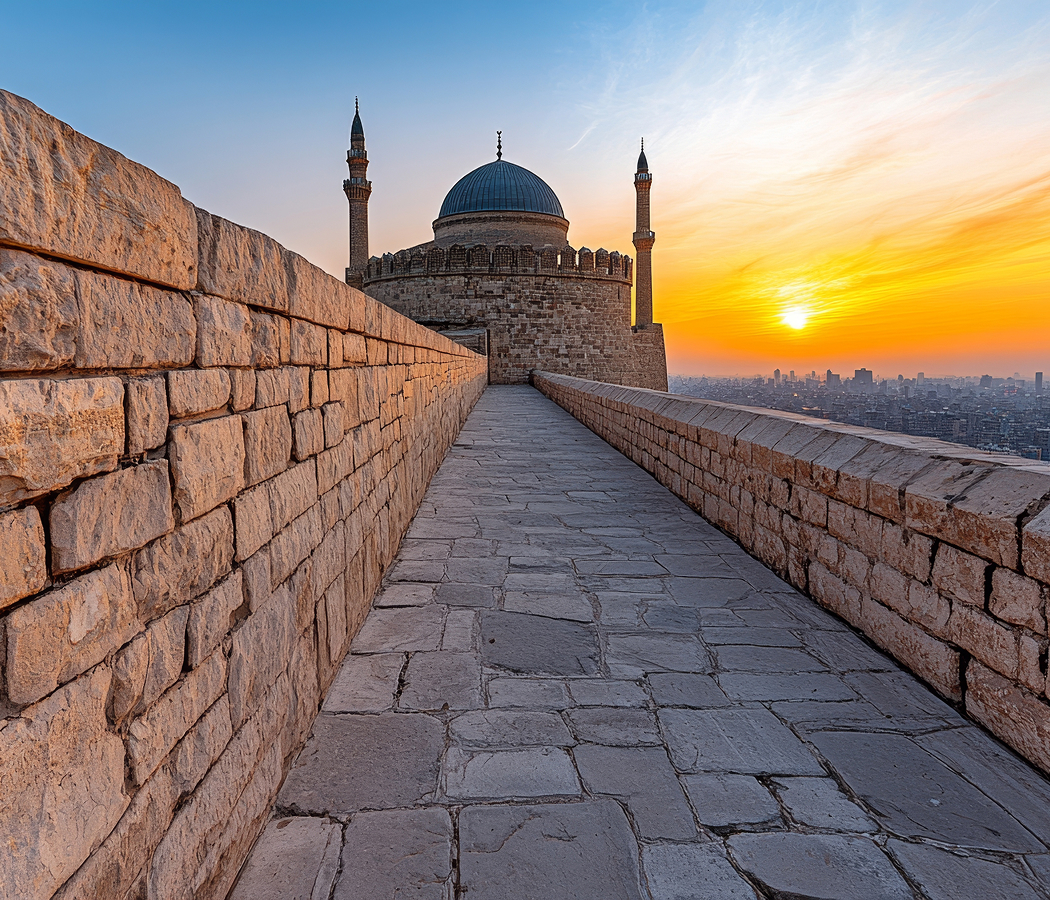
Set along Dubai-Al Ain Road near the Dubai Desert boundary and just steps from rolling red sand dunes, this protected reserve unfolds through sweeping dune fields, native ghaf forests, seasonal desert plains, and carefully managed habitats where Arabian oryx, sand gazelles, desert foxes, migratory birds, and resilient desert flora thrive within one of the United Arab Emirates' most important conservation initiatives. Wind-shaped dunes, expansive horizons, and undisturbed ecosystems reveal the enduring beauty of Arabia's natural environment. Conservation, biodiversity, and cultural heritage shape every journey across the reserve.
What defines Dubai Desert Conservation Reserve.
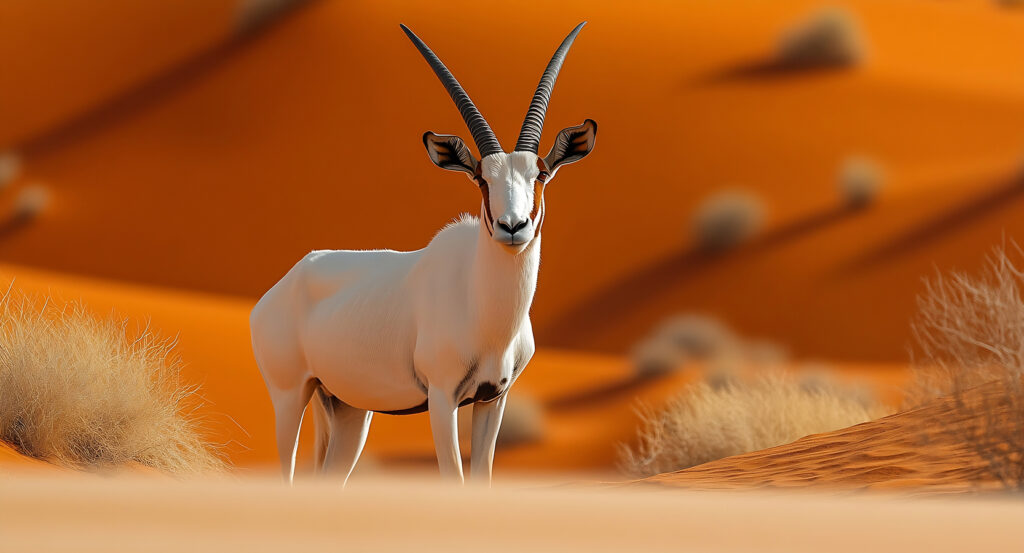
Dubai Desert Conservation Reserve is best known for becoming the United Arab Emirates' first national desert conservation area after its establishment in 2002, protecting 225 square kilometers, about five percent of Dubai's total land area, through a scientifically managed conservation program dedicated to restoring native ecosystems, safeguarding endangered Arabian wildlife, advancing ecological research, and preserving the natural desert environment for future generations. Created under the direction of the Government of Dubai, the reserve transformed former grazing land into a carefully managed ecological refuge through habitat restoration, invasive species control, sustainable water management, and comprehensive wildlife monitoring. Its conservation programs played a central role in re-establishing populations of the Arabian oryx, a species once extinct in the wild, alongside Arabian sand gazelles, mountain gazelles, Gordon's wildcats, Rüppell's foxes, desert hedgehogs, and more than 180 recorded bird species, including migratory raptors and desert specialists. Indigenous vegetation such as ghaf trees, acacia, desert grasses, and hardy shrubs supports a fragile ecosystem adapted to intense temperatures, limited rainfall, and shifting dunes. Scientists working within the reserve conduct long-term ecological surveys, GPS wildlife tracking, habitat mapping, biodiversity assessments, climate monitoring, and breeding programs that contribute to conservation strategies throughout the Arabian Peninsula. Carefully regulated visitor access, environmental education initiatives, and sustainable tourism management help balance public appreciation with habitat protection while reinforcing Dubai's long-term commitment to biodiversity, scientific research, and responsible environmental stewardship.
Long-term ecological restoration, habitat management, and rigorous scientific monitoring demonstrate how coordinated conservation can successfully restore fragile desert ecosystems while protecting threatened wildlife. Native vegetation, restored dune landscapes, carefully monitored animal populations, environmental research stations, and ongoing biodiversity surveys demonstrate the complexity of one of Arabia's oldest natural environments while expanding scientific understanding of desert ecology and climate resilience. Continuing habitat restoration, species recovery programs, environmental education, conservation science, and ecological monitoring ensure the reserve remains a leading example of desert preservation in the Middle East. Environmental stewardship, scientific research, and natural heritage combine to create one of the United Arab Emirates' most significant conservation experiences.
How Dubai Desert Conservation Reserve fits.
Dubai Desert Conservation Reserve works as the centerpiece of an exploration through Dubai's protected desert landscapes.
Begin at Al Marmoom Desert Conservation Reserve, where expansive desert scenery introduces the ecological character of Dubai's interior before exploring Dubai Desert Conservation Reserve. Continue to Al Qudra Lakes, whose wetlands provide a striking contrast to the surrounding dunes while supporting hundreds of bird species. Conclude at Love Lake Dubai, where landscaped desert surroundings provide a memorable finale celebrating the harmony between conservation and thoughtful environmental design. The progression moves naturally from protected wilderness to restored wetland habitats before concluding through one of Dubai's most distinctive outdoor settings, revealing why the emirate's desert landscapes remain central to its environmental future.
Where your story begins.
Foresyte Travel reveals places that feel extraordinary long before you arrive.
Enjoy editorial crafted for luxury travelers.
Foresyte may earn a commission when you book.