Why Rivière du Diable matters.
The Rivière du Diable is the mountain's quiet confession, a winding path where water, forest, and time move as one.
Named for the Rivière du Diable that carves through the Laurentians, the trail feels like a secret whispered between the pines. From the first step, the sound of the river follows you, low, steady, eternal, weaving through birch groves, mossy stones, and fern-covered banks. The air is cool even in summer, heavy with the scent of cedar and earth. Sunlight filters through the canopy in golden fragments, catching the current below as it curls and flashes around ancient rock. Every bend feels untouched, as if you've stumbled upon something sacred and alive. It's not a trail for rushing, it's one for listening, for breathing, for remembering that nature doesn't hurry and still manages to create everything that matters. Whether you walk alone or with someone whose silence feels like conversation, the Diable River Trail holds space for reflection in motion.
What defines Rivière du Diable.
The Rivière du Diable traces one of the oldest natural corridors in the Laurentians, a route once used by Indigenous peoples long before Mont Tremblant became a resort.
The river's name, Rivière du Diable, the Devil's River, comes from an Algonquin legend of a restless spirit that haunted its rapids, shaking the ground when angered. But the real story is one of harmony, not fear: the river's path was revered as a link between the living and the natural world, a route of renewal and connection. Today's trail follows its original curves almost exactly, maintained with care to preserve its wildness. Wooden bridges arch over the narrowest crossings, their railings crafted from local spruce; gravel paths are laid lightly to prevent erosion. The surrounding ecosystem is a living mosaic, red maples, hemlocks, and wild orchids thrive along the banks, while herons, loons, and deer appear in the quiet hours near dawn and dusk. Few realize that the trail's designers intentionally left small unmarked side paths that lead to lookout rocks and hidden inlets, places where the only sound is water against stone. It's a deliberate act of humility in design, allowing discovery to feel personal.
How Rivière du Diable fits.
The Rivière du Diable works as a grounding ritual, a counterbalance to the energy of the mountain.
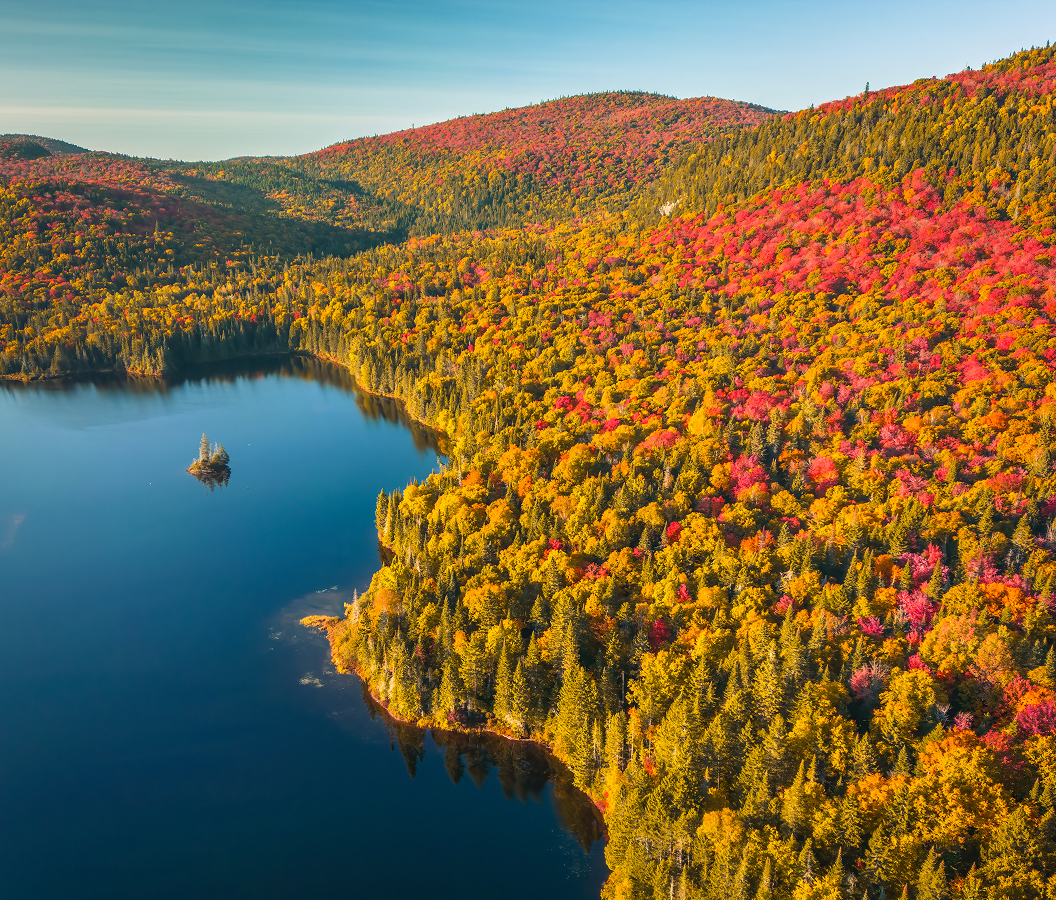
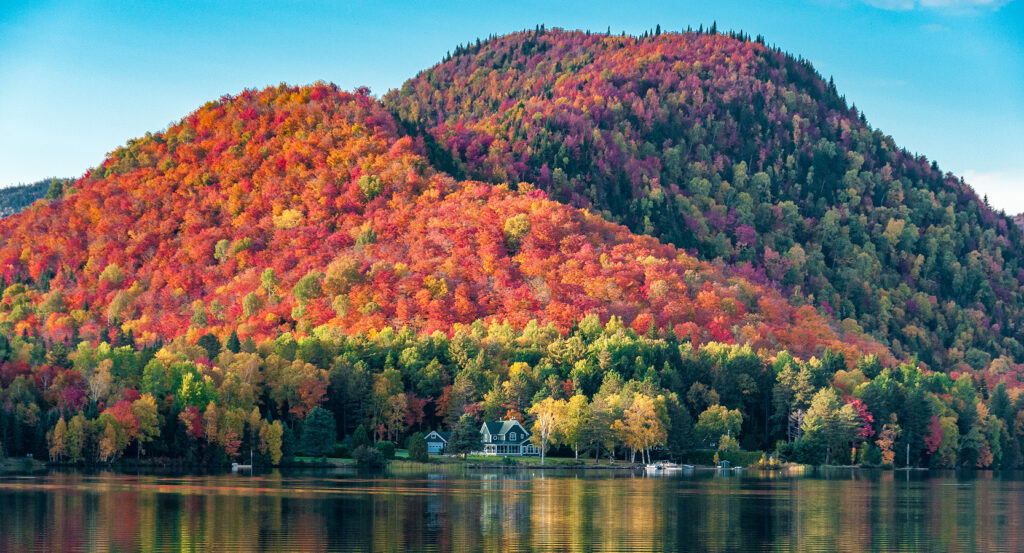
Start the journey from the Mont Tremblant National Park entrance, where the trailhead begins near the Chutes du Diable, a roaring waterfall that sets the tone for what lies ahead. From there, follow the river's gentle meanders through shaded forest, stopping at the wooden observation decks that frame the rapids like paintings in motion. Bring water and comfortable shoes, though the path is accessible, its beauty invites lingering. In spring, the snowmelt turns the river into a thunderous spectacle; in autumn, the trees along its banks explode in red and gold, their reflections rippling through the current. For photographers, morning offers soft mist and long shadows, while late afternoon light brings warmth to the water's cool blues. Pack a small picnic or simply sit on one of the boulders at the halfway point and listen, truly listen, to the conversation between the forest and the flow. When you emerge, you'll carry more than memories; you'll carry the rhythm of the mountain's oldest voice. The Diable River Trail at Mont Tremblant isn't just a hike, it's a passage into stillness, where the land remembers you long after you've left.
Where your story begins.
Foresyte Travel reveals places that feel extraordinary long before you arrive.
Enjoy editorial crafted for luxury travelers.
Foresyte may earn a commission when you book.