Why Le Louis XV-Alain Ducasse à l'Hôtel de Paris matters.
Le Louis XV-Alain Ducasse à l'Hôtel de Paris is a three-MICHELIN-star Mediterranean restaurant where Carré d'Or's grand-hotel heritage meets Alain Ducasse's revolutionary approach to French gastronomy, the agricultural abundance of the Riviera and the ceremonial precision of Monaco's most celebrated dining institution.
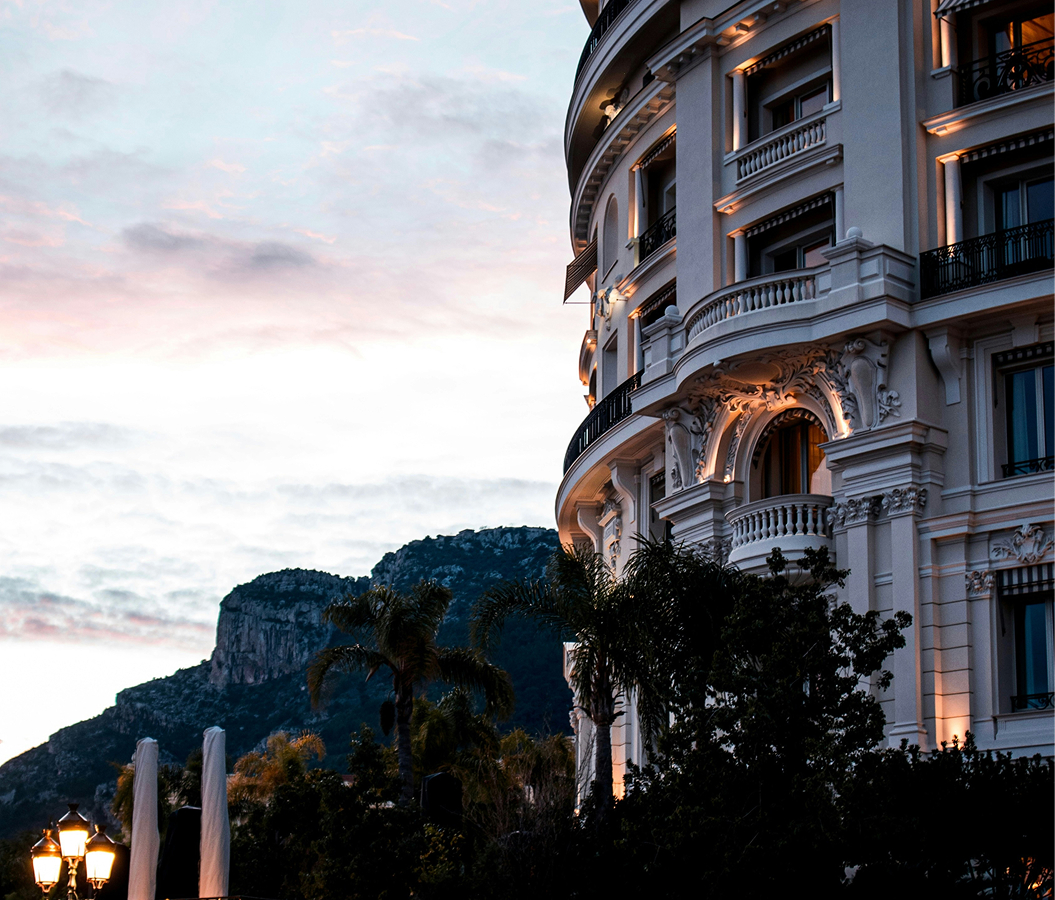
Occupying the ground floor of Hôtel de Paris Monte-Carlo on the southern side of Place du Casino, the restaurant sits directly across from Casino de Monte-Carlo, near the landscaped Boulingrins gardens and the luxury boutiques of One Monte-Carlo. Its dining room combines expansive ceiling heights, gilded moldings, elaborate chandeliers and pale architectural surfaces associated with the decorative grandeur of the Belle Époque. Contemporary furnishings introduce light wood, leather, polished metal and restrained table settings beneath the historic ornamental ceiling, establishing a carefully balanced relationship between classical architecture and modern restaurant design. Large windows connect the principal dining room to an adjoining terrace, where tables overlook the formal landscaping and architectural composition of the surrounding casino district. The result is a grand-hotel restaurant whose expansive proportions, historic decorative craftsmanship and contemporary dining arrangements establish a setting closely associated with the highest traditions of European fine dining.
What defines Le Louis XV-Alain Ducasse à l'Hôtel de Paris.
Le Louis XV-Alain Ducasse à l'Hôtel de Paris is best known for Alain Ducasse's transformation of Mediterranean cooking into a new model of French haute cuisine, culminating in the restaurant becoming the first hotel-based dining establishment to receive three MICHELIN stars. The project began when Prince Rainier III and Monte-Carlo Société des Bains de Mer invited Ducasse to assume responsibility for the principal restaurant at Hôtel de Paris in 1987. The appointment represented an ambitious challenge for a chef whose professional development had already connected the classical foundations of French gastronomy to the agricultural traditions of Provence. Born in Orthez in southwestern France in 1956, Ducasse developed an early familiarity with farming and seasonal ingredients through his family's agricultural property in the Landes. He entered professional cooking as a teenager and subsequently trained under Michel Guérard at Les Prés d'Eugénie, absorbing an approach to French cuisine that emphasized freshness, balance and the careful treatment of ingredients. His professional development continued under Roger Vergé at Moulin de Mougins, whose cuisine du soleil established an important connection between Provençal ingredients and contemporary French restaurant cooking. Ducasse also worked with Alain Chapel at La Mère Charles in Mionnay, encountering a culinary approach grounded in technical precision and an unusually attentive understanding of ingredients. These experiences became central to his subsequent work at La Terrasse in Juan-les-Pins, where he received two MICHELIN stars in 1984 while serving as chef at Hôtel Juana. The Monaco appointment introduced an opportunity to develop a more ambitious culinary program within one of Europe's most prestigious hospitality institutions. Prince Rainier III challenged Ducasse to achieve three MICHELIN stars within four years, establishing a demanding objective for the restaurant's transformation. Ducasse accepted the position and introduced Le Louis XV in May 1987, establishing a culinary direction inspired by the French and Italian Rivieras. His opening program included the celebrated Jardins de Provence menu, introduced on May 27, 1987, which placed vegetables at the center of a gastronomic experience traditionally associated with elaborate meat and seafood preparations. The menu became an important milestone in the development of contemporary French cooking because it established agricultural products as subjects worthy of the same technical attention and ceremonial presentation traditionally reserved for luxury proteins. Ducasse developed relationships with farmers, fishermen and specialist producers across Provence, Liguria and the surrounding Mediterranean territories, establishing a supply network capable of supporting his ingredient-focused culinary ambitions. His approach incorporated the agricultural resources of the Riviera hinterland, including vegetables, herbs, citrus fruits and olive oil, connecting the restaurant's culinary program to the region's geography. The kitchen also developed an extensive repertoire of seafood preparations drawing on the fishing traditions of the Mediterranean coast. Ducasse's emphasis on the natural qualities of ingredients introduced a distinctive direction within French haute cuisine, establishing the restaurant as an important center of culinary experimentation. In 1990, Le Louis XV received its third MICHELIN star, achieving the objective established by Prince Rainier III in thirty-three months. Ducasse was thirty-three years old when he received the distinction, becoming one of the youngest chefs to achieve MICHELIN's highest classification. The restaurant's recognition also established an important precedent for luxury hotel dining, demonstrating that a hotel-based restaurant could achieve the same level of culinary distinction as the most celebrated independent gastronomic establishments. Its success contributed to the development of Ducasse's international reputation and established Monaco as a significant destination within contemporary French gastronomy. The restaurant subsequently became an important training ground for chefs who would develop influential careers of their own, including Massimo Bottura, Hélène Darroze, Clare Smyth and Alexis Gauthier. Their professional connections to Ducasse's kitchen contributed to the transmission of its technical methods and ingredient-focused approach across the international restaurant industry. In 1996, Ducasse assumed responsibility for the former restaurant of Joël Robuchon at Hôtel Le Parc in Paris, extending his culinary program into the French capital. The Paris establishment subsequently received three MICHELIN stars, and in 1998 Ducasse became the first chef to hold six MICHELIN stars simultaneously across two restaurants. This achievement established the Monaco restaurant as the foundation of an expanding international culinary organization. Ducasse continued developing restaurants, hospitality establishments, culinary schools and specialist food-production businesses through the group subsequently known as Ducasse Paris. The restaurant's Mediterranean approach also evolved through the development of Naturalité, a culinary direction emphasizing vegetables, grains, sustainable seafood and the careful use of natural resources. This approach strengthened the connection between the original Jardins de Provence concept and contemporary concerns surrounding agricultural production and environmental responsibility. A major renovation of Hôtel de Paris beginning in 2014 introduced substantial changes to the surrounding hospitality property, including the redevelopment of accommodation, public spaces and restaurant facilities. Le Louis XV underwent a comprehensive interior redesign during this period, introducing contemporary furnishings and a revised spatial arrangement within its historic architectural setting. The renovated restaurant preserved its formal culinary program and established a renewed relationship between its decorative heritage and Ducasse's increasingly contemporary cooking. The restaurant's executive leadership subsequently included Dominique Lory, whose work contributed to the continuity of its culinary standards and the development of its kitchen organization. Emmanuel Pilon assumed responsibility for the restaurant's kitchen in 2022, bringing extensive experience within the Ducasse organization to the leadership of the Monaco establishment. His appointment continued the restaurant's established relationship between classical French technique, Mediterranean agricultural products and contemporary culinary development. Pastry chef Sandro Micheli became an important contributor to the restaurant's dessert program, extending the ingredient-focused approach into the final courses of the meal. Le Louis XV retained its three MICHELIN stars in the 2026 guide, continuing a distinction that began more than three decades earlier. Its historical significance emerges from the transformation of a grand-hotel dining room into an internationally influential culinary institution whose development reshaped the status of vegetables, regional agricultural products and Mediterranean cooking within modern French gastronomy.
How Le Louis XV-Alain Ducasse à l'Hôtel de Paris fits.
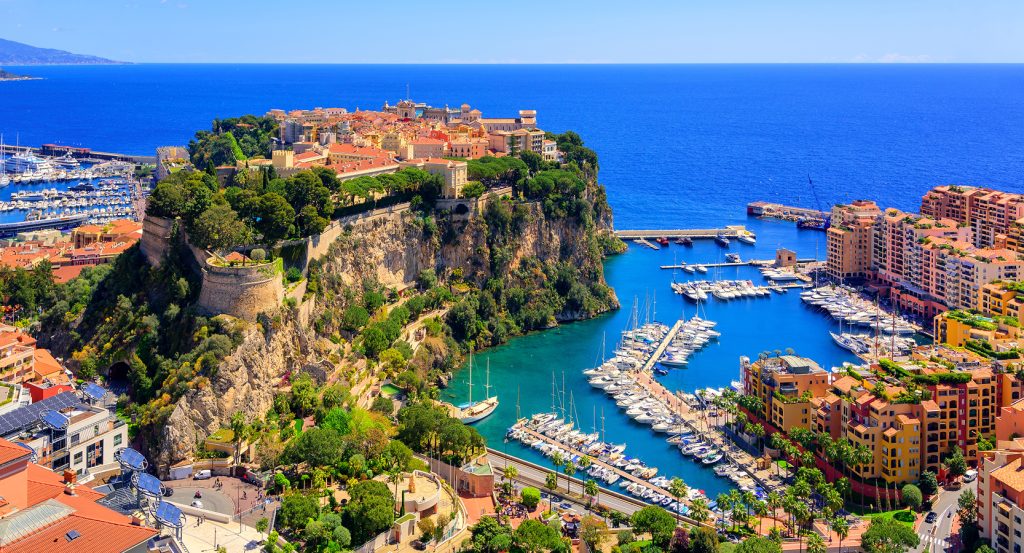
Le Louis XV-Alain Ducasse à l'Hôtel de Paris works as the culminating dining destination for an exploration connecting the architectural heritage of Monte-Carlo's casino district, the landscaped ambitions of its nineteenth-century resort development and the contemporary expansion of its luxury commercial center.
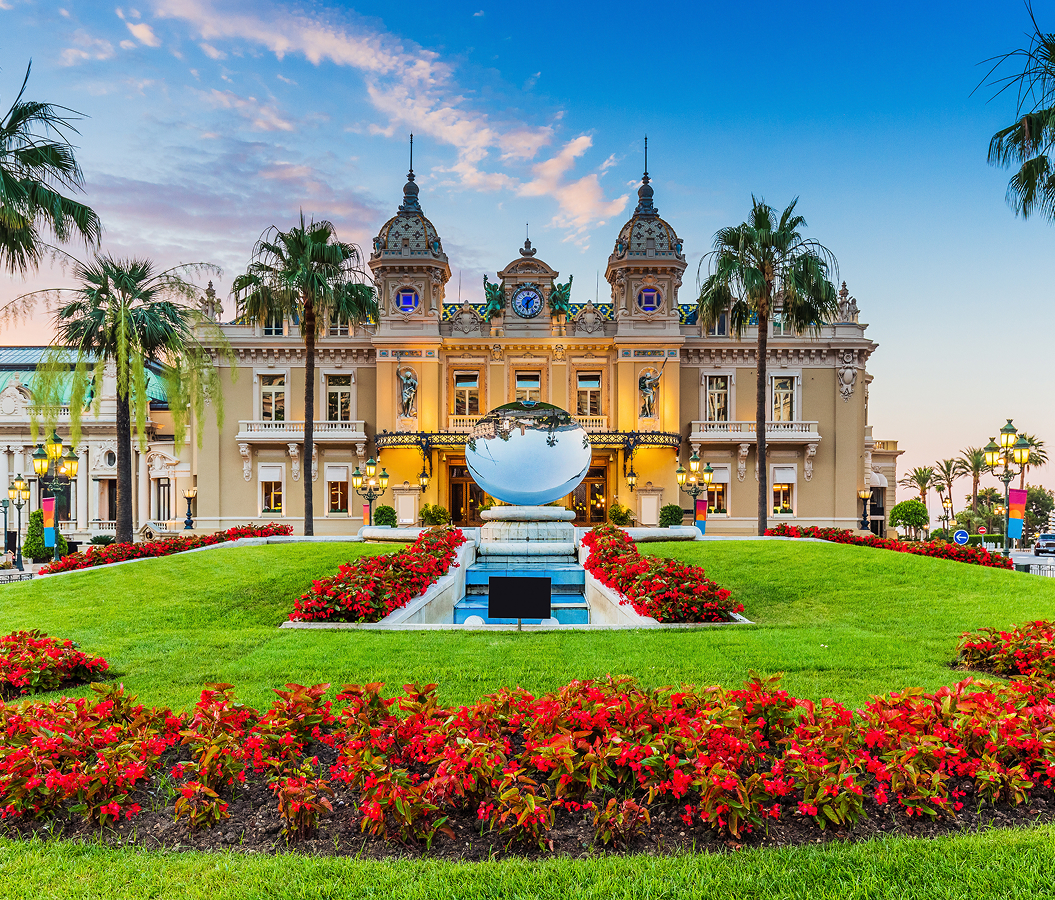
Begin at Casino de Monte-Carlo, the expansive Belle Époque gaming establishment whose development transformed Monaco into an internationally recognized resort destination. The casino emerged through the commercial ambitions of Prince Charles III and entrepreneur François Blanc, whose gambling concession established the foundation for Monte-Carlo Société des Bains de Mer in 1863. Its principal architectural transformation occurred during the late nineteenth century, when Charles Garnier developed the adjoining opera house and associated entertainment spaces. The complex incorporates expansive entrance halls, gilded gaming salons, elaborate chandeliers and a decorative program associated with the architectural grandeur of European aristocratic entertainment. Its historical importance derives from the relationship between casino revenues, luxury hospitality and the economic development of the principality. Continue to Jardins des Boulingrins, the formal landscaped gardens occupying the western approach to the casino district. Their development formed part of the nineteenth-century transformation of the Plateau des Spélugues into a fashionable winter resort, introducing carefully arranged horticultural displays into an area previously characterized by relatively sparse Mediterranean vegetation. Landscape architect Édouard André contributed to the development of the surrounding gardens, combining formal French planting arrangements with subtropical species adapted to the region's climate. The gardens incorporate symmetrical lawns, flowerbeds, fountains and carefully organized pathways that direct attention toward the expansive buildings surrounding Place du Casino. Their name derives from the French adaptation of the English term bowling green, preserving the influence of British visitors on the social traditions of the Riviera. Conclude at One Monte-Carlo, the contemporary luxury development occupying a prominent position within the Carré d'Or district. Developed by Monte-Carlo Société des Bains de Mer, the complex opened in 2019 as a substantial addition to the principality's residential, commercial and hospitality infrastructure. Architects Sir Richard Rogers and Alexandre Giraldi developed a program incorporating contemporary residential buildings, luxury boutiques and landscaped pedestrian spaces. Its architectural composition combines curved building forms, extensive glazing and carefully arranged public circulation areas, introducing a modern architectural language into the established Belle Époque district. The development also strengthened the concentration of international luxury retailers surrounding the casino, extending the commercial importance of Monte-Carlo's principal hospitality quarter. The progression moves from Casino de Monte-Carlo's nineteenth-century entertainment architecture through Jardins des Boulingrins' formal resort landscaping and culminates in One Monte-Carlo's contemporary luxury development, connecting successive periods of architectural and commercial transformation within Monaco's Carré d'Or.
Where your story begins.
Foresyte Travel reveals places that feel extraordinary long before you arrive.
Enjoy editorial crafted for luxury travelers.