Why Les Ambassadeurs by Christophe Cussac matters.
Les Ambassadeurs by Christophe Cussac is a two-MICHELIN-star Mediterranean restaurant where Carré d'Or's Belle Époque hospitality heritage meets Christophe Cussac's decades of culinary partnership with Joël Robuchon, the gastronomic traditions of the French Riviera and the revival of one of Monte-Carlo's historic dining institutions.
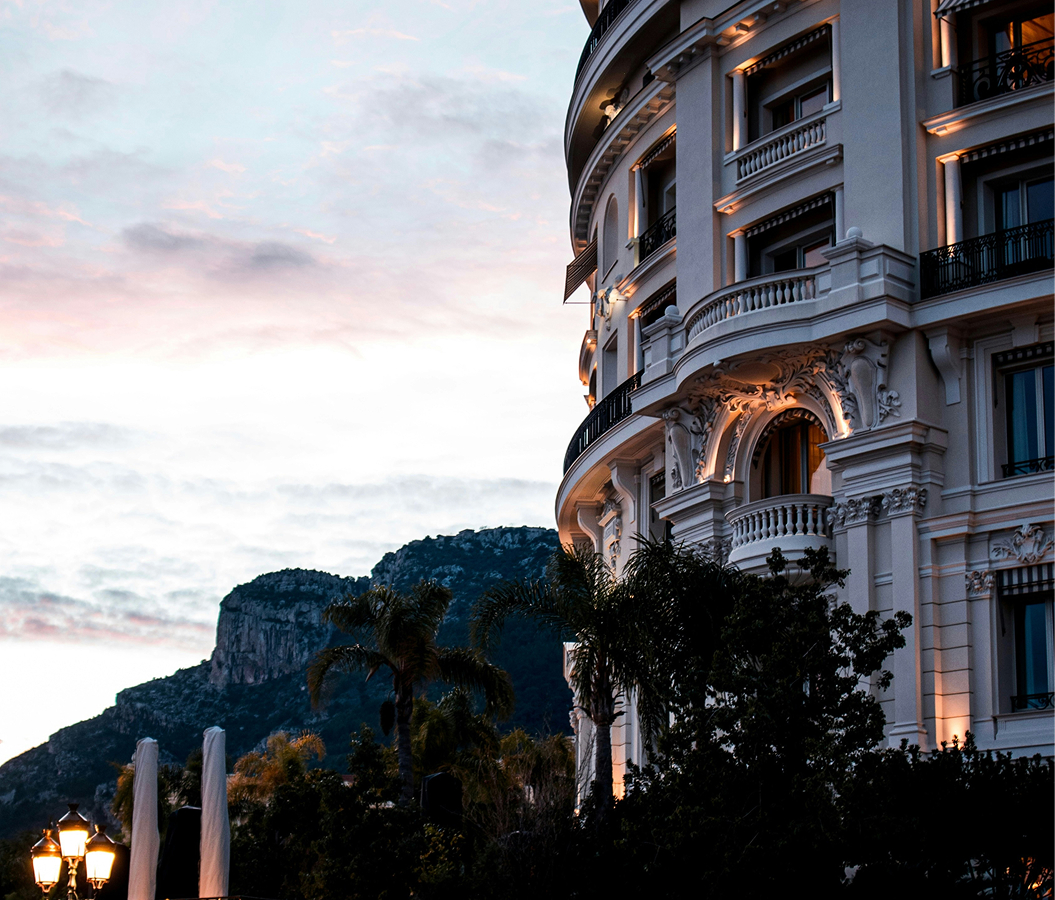
Occupying the principal gastronomic dining space of Hôtel Métropole Monte-Carlo, the restaurant stands a short distance from Place du Casino, between the luxury boutiques surrounding Avenue des Beaux-Arts and the landscaped approaches to Casino de Monte-Carlo. Its dining room incorporates bronze, ivory, luminous yellow and gold surfaces, with interior designer Jacques Garcia introducing a richly layered decorative composition that connects contemporary furnishings to the hotel's nineteenth-century architectural character. An open kitchen establishes direct sightlines toward the culinary brigade, with carefully arranged workstations and preparation areas visible from the principal dining space. Upholstered seating, polished tables, warm lighting and an adjoining private salon establish distinct settings for intimate dinners and larger ceremonial occasions. The result is a richly appointed gastronomic restaurant whose historic hotel surroundings, contemporary decorative craftsmanship and visible kitchen operations create a setting closely connected to Monte-Carlo's traditions of formal European dining.
What defines Les Ambassadeurs by Christophe Cussac.
Les Ambassadeurs by Christophe Cussac is best known for restoring a celebrated name from Monte-Carlo's interwar hospitality culture through the personal culinary direction of a chef whose career developed alongside Joël Robuchon for more than three decades. The restaurant's historical foundation belongs to Hôtel Métropole Monte-Carlo, which opened in 1886 during the expansion of the principality's international luxury resort industry. Its development formed part of the broader transformation of Monte-Carlo under Prince Charles III and the hospitality company established by François Blanc in 1863, creating an urban concentration of hotels, gaming establishments and entertainment venues serving Europe's aristocratic and financial elites. The hotel's architectural program reflected the decorative ambitions of the Belle Époque, incorporating ceremonial interiors and substantial public spaces intended for an international clientele. During the 1920s, the establishment operated a restaurant named Les Ambassadeurs, attracting diplomats, aristocrats and visitors associated with the fashionable social life of the French Riviera. The name became part of the hotel's historical memory, preserving an association with the formal dining traditions of the interwar period. The property's subsequent evolution included changes in ownership, management and hospitality operations as Monte-Carlo developed through the twentieth century. Its contemporary transformation accelerated following the acquisition of the hotel by Lebanese businessman Nabil Boustany in 1980, establishing a new period of investment and development. The property subsequently underwent a major renovation under interior designer Jacques Garcia, whose decorative approach strengthened its association with classical European luxury hospitality. Christophe Cussac entered this established architectural and institutional environment with a professional background shaped by family restaurant ownership and the technical discipline of French haute cuisine. Born in Paris in 1955, Cussac developed his earliest culinary experience through his family's restaurant, L'Abbaye Saint-Michel, in Tonnerre, Burgundy. His grandmother established the property, and his father subsequently assumed responsibility for its operation, introducing Cussac to professional cooking during adolescence. He pursued hospitality training in Paris and gained early professional experience at Le Royal Monceau before entering the kitchens associated with Joël Robuchon. Their relationship began at Hôtel Concorde Lafayette, where Cussac worked as Robuchon's kitchen secretary, a position that introduced him to the organizational discipline and technical standards of one of France's most influential chefs. He subsequently followed Robuchon to Hôtel Nikko and the restaurant Les Célébrités, developing his understanding of precise cooking, rigorous preparation and coordinated kitchen management. Cussac also spent a period working with the Troisgros family in Roanne, encountering another influential approach to French gastronomy grounded in carefully balanced sauces and the treatment of seasonal ingredients. In 1984, he returned to Burgundy to direct L'Abbaye Saint-Michel, establishing his own culinary leadership within the family business. The restaurant received its second MICHELIN star in 1987, strengthening Cussac's reputation as a chef capable of maintaining the highest standards of French gastronomy. His subsequent appointment at La Réserve de Beaulieu introduced him to the Mediterranean coast, where he developed a stronger relationship with the seafood, vegetables and aromatic ingredients of the Riviera. The restaurant received a second MICHELIN star in 1999, consolidating his professional position within the region's luxury hospitality industry. In 2004, Robuchon invited Cussac to Monaco to assume responsibility for the kitchens of the newly developed Joël Robuchon Monte-Carlo restaurant at Hôtel Métropole. The appointment renewed their professional partnership and established Cussac's long-term association with the Monegasque property. The restaurant received its first MICHELIN star in 2006 and a second in 2008, developing an important reputation within Monaco's increasingly competitive gastronomic landscape. Cussac subsequently assumed responsibility for the hotel's broader culinary operations, overseeing restaurants and hospitality services across the property. The hotel's gastronomic program expanded through Yoshi, the Japanese restaurant developed in collaboration with Robuchon and chef Takeo Yamazaki. The establishment received a MICHELIN star in 2010, strengthening the hotel's international culinary profile. Another important addition followed through Odyssey, the poolside restaurant and terrace developed with fashion designer Karl Lagerfeld, whose architectural program incorporated a distinctive illuminated glass installation. These establishments established a diversified culinary organization under Cussac's direction, extending his responsibilities across French gastronomy, Japanese cooking and Mediterranean resort dining. Following Robuchon's death in 2018, the hotel's principal gastronomic restaurant underwent a period of transition, eventually creating an opportunity for Cussac to develop a new establishment under his own name. The project revived the historical Les Ambassadeurs designation, connecting the contemporary restaurant to the hotel's interwar dining traditions. Its development required two years of planning and construction, introducing a comprehensive transformation of the dining room and kitchen facilities. The project incorporated 600 square meters of kitchen space arranged across two levels, establishing a substantial technical foundation for the restaurant's culinary operations. The reconstruction also introduced new equipment, workstations and organizational arrangements intended to support a contemporary gastronomic service. Cussac collaborated with Jacques Garcia on the restaurant's decorative program, preserving the relationship between the hotel's historic character and the renewed culinary establishment. Les Ambassadeurs by Christophe Cussac opened on June 22, 2023, establishing the chef's first namesake gastronomic restaurant within the hotel he had directed for nearly two decades. The opening introduced a Mediterranean culinary program emphasizing carefully selected ingredients, precise cooking and a distinctive approach to portion size and menu experience. Cussac developed the concept of Fines Bouchées, a sequence of small gastronomic preparations intended to allow diners to experience a substantial variety of flavors within a single meal. The restaurant also introduced a renewed emphasis on traditional French tableside service, including bread and dessert trolleys developed through the work of specialist culinary teams. Pastry chef Patrick Mesiano became an important contributor to the restaurant's development, creating an extensive dessert program associated with the traditions of classical French pastry. His work received the MICHELIN Passion Dessert distinction in 2024, recognizing the quality and originality of the restaurant's sweet preparations. On March 18, 2024, the MICHELIN Guide awarded Les Ambassadeurs two stars, establishing the restaurant among the principality's leading gastronomic institutions less than a year after its opening. The recognition continued Cussac's long association with two-MICHELIN-star establishments, extending a professional record developed through Burgundy, Beaulieu-sur-Mer and Monaco. The restaurant subsequently strengthened its service organization under restaurant director Marco Tognon, whose work contributed to the coordination of the dining room and its ceremonial hospitality program. In 2026, Tognon received the MICHELIN Service Award, recognizing the restaurant's distinctive approach to professional hospitality and the coordination of its dining-room team. The establishment's wine program developed under head sommelier Frédéric Woelfflé, whose cellar incorporates 15,000 bottles and 1,300 references, including 180 Champagne selections. Its historical significance emerges from the revival of a celebrated interwar restaurant through Cussac's personal culinary authorship, the continuation of Robuchon's technical legacy and the coordinated development of contemporary Mediterranean gastronomy within one of Monaco's most established luxury hotels.
Christophe Cussac's Mediterranean cooking develops through a disciplined principle of three principal flavors per preparation, allowing the character of each ingredient to emerge through carefully controlled seasoning, cooking and texture. His approach begins with the selection of a central product whose natural qualities determine the construction of the dish, establishing a clear relationship between the principal ingredient and its accompanying elements. The restaurant's marinated sardine demonstrates this principle through the interaction of concentrated marine flavor, the richness of imperial caviar and the aromatic acidity of Menton lemon. The citrus sharpness cuts through the fish's natural oils, allowing the caviar's saline character to extend the marine flavor into a more concentrated finish. Fennel contributes a fresh botanical component, connecting the preparation to the aromatic vegetation of the Mediterranean coast. The progression develops through the treatment of sea bream tartare, where the delicate texture of raw fish provides a foundation for the concentrated salinity of Kristal caviar. Its presentation as a cannelloni introduces a controlled architectural arrangement that concentrates the principal ingredients within a compact portion. The relationship between delicate seafood and more intense accompaniments continues through preparations involving langoustines, whose natural sweetness responds to the acidity of Maltese sauce. The sauce incorporates citrus characteristics associated with classical French cooking, establishing a bright counterpoint to the crustacean's tender flesh. Green beans introduce a crisp vegetal texture, creating a contrast that preserves the clarity of the seafood's natural sweetness. Cussac's lobster lasagna develops the same principle through a richer preparation, combining the substantial texture of lobster with the aromatic character of tarragon and the vegetal depth of spinach. Spianata introduces a concentrated cured-meat element, contributing spice and savory intensity to the composition. The resulting preparation balances the lobster's natural richness through aromatic and vegetal contrasts, demonstrating the kitchen's ability to develop complexity through a limited number of principal ingredients. John Dory introduces a different expression of the approach through its delicate white flesh and controlled cooking, accompanied by artichoke and coriander broth. The broth carries the herb's aromatic character around the fish, allowing the artichoke's gentle bitterness to contribute balance to the completed preparation. This attention to liquid seasoning establishes a direct connection to the classical French tradition of sauces, whose technical precision formed an important component of Cussac's training under Robuchon. The kitchen's treatment of meat extends the same discipline through preparations such as beef fillet with roasted Kampot pepper, where the spice's aromatic concentration contributes depth to the meat's natural flavor. The pepper's roasting develops warm, complex aromas that complement the browned exterior of the beef, creating a progression from the initial roasted character to the tender interior. The restaurant's Fines Bouchées tasting format concentrates these relationships into a sequence of thirteen smaller preparations, allowing changes in flavor intensity, texture and temperature to develop across the meal. The compact format gives each preparation a distinct role within the progression, preserving the precision of individual dishes through carefully controlled portions. Cussac's emphasis on classical hospitality extends into the dining room through a substantial bread trolley, allowing diners to select from a variety of freshly prepared loaves and specialty breads. The trolley introduces a tactile element to the meal, with contrasting crusts, crumb structures and baking aromas contributing to the dining sequence. Wine service develops through the work of Frédéric Woelfflé, whose selections connect the restaurant's Mediterranean preparations to established French vineyards and international producers. The extensive Champagne collection provides particular flexibility for seafood preparations, allowing acidity, mineral character and varying degrees of maturity to complement the concentrated salinity and delicate textures of individual dishes. The restaurant's service team coordinates these pairings through carefully timed presentation, maintaining the progression between kitchen preparation and dining-room hospitality. Patrick Mesiano's pastry program extends the meal through a dessert trolley whose selection incorporates traditional French tarts, seasonal fruit preparations and contemporary interpretations of classical sweets. The trolley introduces a distinctive conclusion because diners encounter the completed desserts together, allowing their visual characteristics and contrasting textures to guide the final selection. Raspberry and tarragon develop a relationship between fruit acidity and herbal freshness, with the accompanying floating-island preparation introducing a soft, aerated texture. Lemon tartlet and basil sorbet extend the citrus characteristics encountered earlier in the meal, allowing sharp acidity and cool herbal aromas to provide a lighter conclusion. Chocolate smoked with beechwood introduces a deeper aromatic direction through the interaction between cocoa richness, gentle smoke and the crisp texture of gavotte. The dessert progression preserves Cussac's central emphasis on clarity, allowing each preparation to develop through a limited number of carefully coordinated flavors. Les Ambassadeurs' defining culinary experience emerges from this sustained relationship between Mediterranean ingredients, classical French technique, precisely balanced preparations and the ceremonial presentation of bread, wine and pastry, establishing a contemporary interpretation of the grand European gastronomic meal.
How Les Ambassadeurs by Christophe Cussac fits.
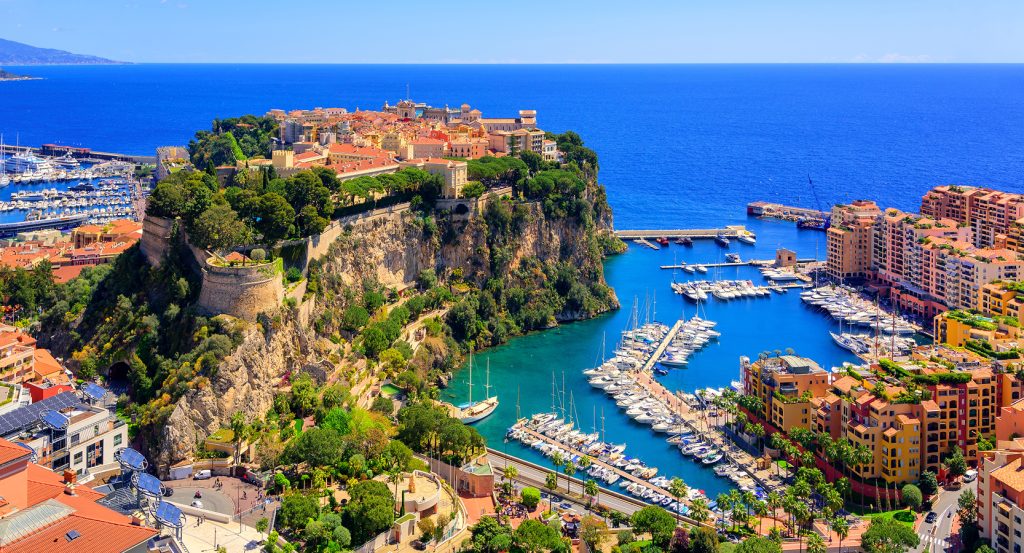
Les Ambassadeurs by Christophe Cussac works as the culminating dining destination for an exploration connecting the architectural heritage of Monte-Carlo's casino district, the landscaped traditions of its nineteenth-century resort development and the contemporary expansion of its luxury commercial center.
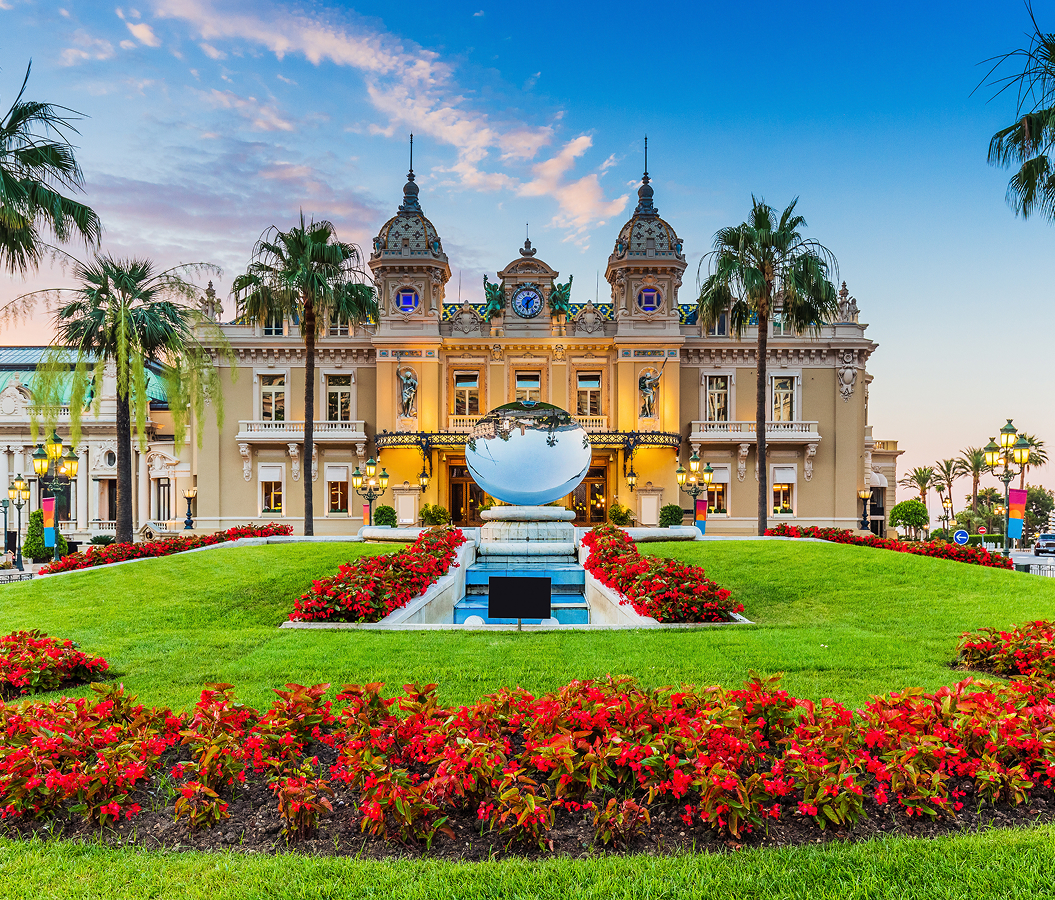
Begin at Casino de Monte-Carlo, the expansive Belle Époque gaming establishment whose development transformed Monaco into an internationally recognized resort destination. The casino emerged through the commercial ambitions of Prince Charles III and entrepreneur François Blanc, whose gambling concession established the foundation for Monte-Carlo Société des Bains de Mer in 1863. Its principal architectural transformation occurred during the late nineteenth century, when Charles Garnier developed the adjoining opera house and associated entertainment spaces. The complex incorporates expansive entrance halls, gilded gaming salons, elaborate chandeliers and a decorative program associated with the architectural grandeur of European aristocratic entertainment. Its historical importance derives from the relationship between casino revenues, luxury hospitality and the economic development of the principality. Continue to Jardins des Boulingrins, the formal landscaped gardens occupying the western approach to the casino district. Their development formed part of the nineteenth-century transformation of the Plateau des Spélugues into a fashionable winter resort, introducing carefully arranged horticultural displays into an area previously characterized by relatively sparse Mediterranean vegetation. Landscape architect Édouard André contributed to the development of the surrounding gardens, combining formal French planting arrangements with subtropical species adapted to the region's climate. The gardens incorporate symmetrical lawns, flowerbeds, fountains and carefully organized pathways that direct attention toward the expansive buildings surrounding Place du Casino. Their name derives from the French adaptation of the English term bowling green, preserving the influence of British visitors on the social traditions of the Riviera. Conclude at One Monte-Carlo, the contemporary luxury development occupying a prominent position within the Carré d'Or district. Developed by Monte-Carlo Société des Bains de Mer, the complex opened in 2019 as a substantial addition to the principality's residential, commercial and hospitality infrastructure. Architects Sir Richard Rogers and Alexandre Giraldi developed a program incorporating contemporary residential buildings, luxury boutiques and landscaped pedestrian spaces. Its architectural composition combines curved building forms, extensive glazing and carefully arranged public circulation areas, introducing a modern architectural language into the established Belle Époque district. The development also strengthened the concentration of international luxury retailers surrounding the casino, extending the commercial importance of Monte-Carlo's principal hospitality quarter. The progression moves from Casino de Monte-Carlo's nineteenth-century entertainment architecture through Jardins des Boulingrins' formal resort landscaping and culminates in One Monte-Carlo's contemporary luxury development, connecting successive periods of architectural and commercial transformation within Monaco's Carré d'Or.
Where your story begins.
Foresyte Travel reveals places that feel extraordinary long before you arrive.
Enjoy editorial crafted for luxury travelers.
Foresyte may earn a commission when you book.