Why Café de Paris Monte-Carlo matters.
Café de Paris Monte-Carlo is a historic French brasserie where Carré d'Or's Belle Époque resort heritage meets the social traditions of Monaco's casino district, the culinary craftsmanship of classical Parisian dining and more than 150 years of Mediterranean café culture.
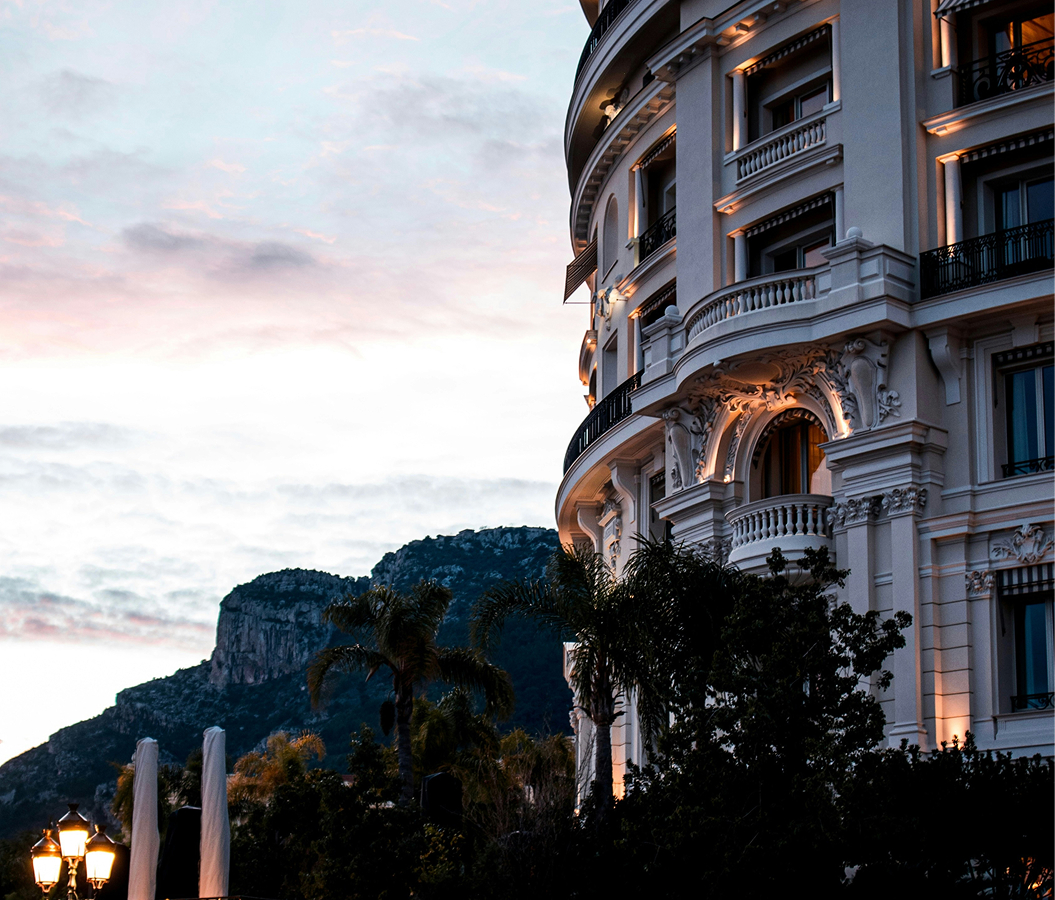
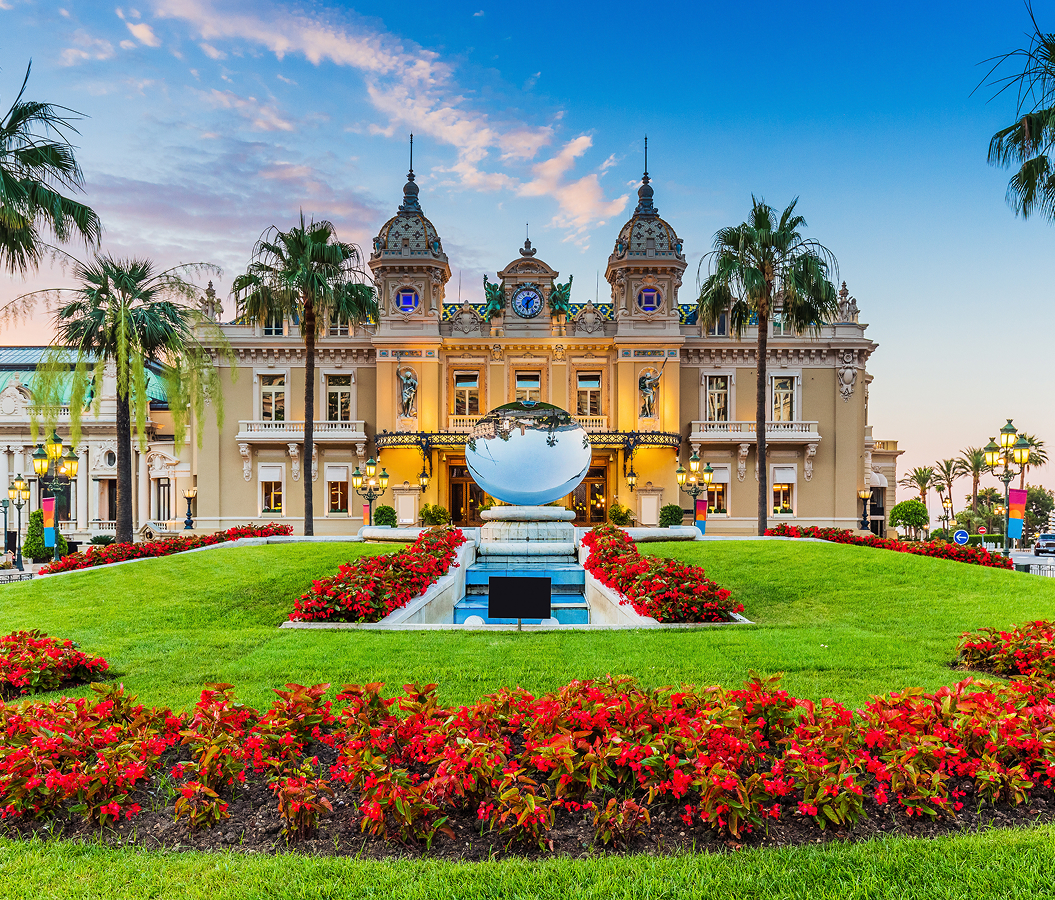
Occupying the southern edge of Place du Casino, directly opposite Casino de Monte-Carlo and beside Hôtel de Paris Monte-Carlo, the brasserie commands one of the most prominent public-facing positions in the principality's principal hospitality district. Its reconstructed exterior combines broad glazed openings, wrought-iron detailing, ornamental metalwork and expansive terraces overlooking the landscaped square. The ground-floor dining room incorporates a substantial zinc counter, decorative mosaics, restored stained-glass panels and carefully arranged seating that connects the architectural character of a traditional French café to contemporary restaurant design. An upper dining room introduces parquet flooring, warm decorative surfaces, upholstered furnishings and a panoramic terrace overlooking the surrounding Belle Époque buildings. The result is an expansive urban brasserie whose historic decorative elements, expansive dining spaces and direct relationship with Monte-Carlo's principal public square establish a defining setting for the principality's café and restaurant culture.
What defines Café de Paris Monte-Carlo.
Café de Paris Monte-Carlo is best known for developing from a modest nineteenth-century café into the principal social meeting place of Monte-Carlo, preserving an institutional history closely connected to the creation and successive architectural transformations of the casino district. Its origins emerged from the commercial ambitions of François Blanc and his wife, Marie Blanc, whose hospitality investments supported the development of the resort established under Prince Charles III. The opening of Hôtel de Paris had introduced luxury accommodation near the casino, but the hotel lacked a dedicated public café or bar, creating an opportunity for a separate establishment serving visitors throughout the day. Marie Blanc selected a site previously occupied by carriage houses and stables, establishing a new hospitality venue whose position allowed direct interaction with the expanding social life of the surrounding square. The establishment opened on January 1, 1868, under the name Café Divan, occupying a chalet-style building whose architecture differed substantially from the expansive structures that subsequently developed around it. Its initial facilities included a café, small restaurant, billiards room, tobacco kiosk, perfumery and jewelry shop, establishing a combination of dining, retail and social activities within one property. Marie Blanc personally supervised its decorative arrangements, introducing Monegasque ceramics, paintings and carefully selected furnishings intended to distinguish the establishment from conventional European cafés. The adjoining perfumery, known as Parfumerie du Soleil, sold fragrances developed by the chemist Monsieur Delpy, including preparations named Bouquet Impérial and Reine d'Angleterre. These products contributed to the establishment's association with fashionable consumer culture and the specialized retail traditions of nineteenth-century resort society. The café's early commercial success prompted an expansion in December 1869, accompanied by its renaming as Grand Café de Monte-Carlo. Its growing clientele included aristocrats, financiers and international travelers attracted by the expanding hospitality infrastructure of the principality. A redesigned façade appeared in August 1870, introducing a more substantial architectural treatment appropriate to the increasingly prestigious district. The original chalet was replaced in 1882 by a larger building bearing the Café de Paris name, establishing the designation that would become permanently associated with the institution. Its decorative program incorporated elaborate glazing and architectural references to the surrounding casino, strengthening the visual relationship between the café and the principal entertainment complex. The establishment also developed an important commercial role for visitors arriving from Nice, Cannes and other Riviera communities, whose excursions introduced substantial activity into the surrounding square. Its culinary reputation grew through specialties including rich hot chocolate, local beer and elaborate desserts, establishing a gastronomic dimension to its social importance. During the early 1890s, the café developed an international clientele that informally referred to the establishment as the American Bar and Grill Room or Leo's Bar, acknowledging the influence of director Léo Engel. His management contributed to the development of a cosmopolitan hospitality environment associated with the changing preferences of European and American visitors. In 1897, architect Henri Schmit introduced one of the most distinctive transformations in the building's history, replacing its earlier decorative character with a Moorish-inspired architectural composition. The reconstruction incorporated domes, minarets, colorful ceramic friezes and an elegant wrought-iron gallery, introducing an architectural language associated with contemporary European fascination with North African and Middle Eastern design. The project established a substantial visual contrast with the neighboring Belle Époque buildings, strengthening the café's position as an individually recognizable component of the square. Another major transformation followed in 1913 under architect Léon Blois, who developed an elaborate interior inspired by the ceremonial grandeur of the reign of Louis XIV. His intervention introduced a substantial reception room whose proportions and decorative treatment reflected the aristocratic expectations of the establishment's clientele. The architectural program subsequently changed during the 1930s as Art Deco design became increasingly influential across European hospitality interiors. The café adopted Byzantine-inspired decorative elements and ornamental rosettes, replacing portions of the earlier Moorish treatment with a more restrained geometric composition. During the Second World War, the terrace acquired an additional entertainment function through the construction of a temporary stage and backstage facilities supporting jazz orchestras, theatrical performances and ballet productions. These activities extended the establishment's role beyond dining, connecting the café to the performing arts and the social entertainment traditions of the principality. The postwar decades introduced another period of commercial diversification, including the installation of a bowling alley and the development of the Scotch Club, a nightclub whose interior incorporated Scottish decorative references and an unusual chessboard ceiling. The bowling alley was destroyed by fire in 1964, concluding one of the more distinctive recreational experiments in the building's history. A drugstore introduced in 1962 revived the combination of retail and hospitality services associated with the original Café Divan, selling newspapers, tobacco, perfumes and souvenirs. The establishment's gaming facilities also expanded through the introduction of automatic machines, strengthening its relationship with the surrounding casino district. On March 2, 1987, the café closed for an extensive reconstruction that continued for eighteen months. A temporary establishment in Square Saint-James maintained service during the project, preserving the café's commercial presence within the district. Prince Rainier III inaugurated the reconstructed Café de Paris on July 21, 1988, marking its 120th anniversary through the completion of a substantially enlarged building. The project expanded the property to 9,600 square meters, incorporating additional dining areas, terraces and gaming facilities. Its principal hall introduced extensive glazing, pink marble surfaces and an architectural arrangement intended to connect the interior visually with Place du Casino. The brasserie incorporated stained-glass panels depicting the zodiac signs and four seasons, preserving a decorative program that became closely associated with the late-twentieth-century establishment. The reconstructed complex also accommodated a substantial gaming operation, incorporating hundreds of electronic machines and traditional casino tables. The subsequent transformation of Monte-Carlo's principal hospitality district introduced another major redevelopment program during the early twenty-first century. Monte-Carlo Société des Bains de Mer undertook coordinated investments in Hôtel de Paris, One Monte-Carlo, the casino complex and the surrounding public gardens, establishing a comprehensive architectural renewal of the district. The café closed in 2022 for a nineteen-month reconstruction that substantially reorganized its internal spaces and expanded the building vertically. Architects Alexandre Giraldi and Alain-Charles Perrot directed the principal architectural transformation, and David Collins Studio developed the interior design. The project introduced two levels of brasserie dining, a new upper terrace and additional commercial facilities, including space for Amazónico Monte-Carlo. The restaurant reopened on November 14, 2023, restoring public access to the establishment following the extensive reconstruction. Prince Albert II and Princess Charlène attended its formal inauguration on November 22, 2023, establishing a direct connection between the completed project and the princely family. The redevelopment represented an investment of €46.4 million, strengthening the café's position within the hospitality company's long-term development program. Its historical significance emerges from the succession of architectural transformations, commercial innovations and social traditions that have connected the establishment to the development of Monte-Carlo since the nineteenth century.
How Café de Paris Monte-Carlo fits.
Café de Paris Monte-Carlo works as the culminating dining destination for an exploration connecting the expansive architecture of Monaco's historic casino district, the formal landscaping of its nineteenth-century resort development and the contemporary expansion of its luxury commercial center.
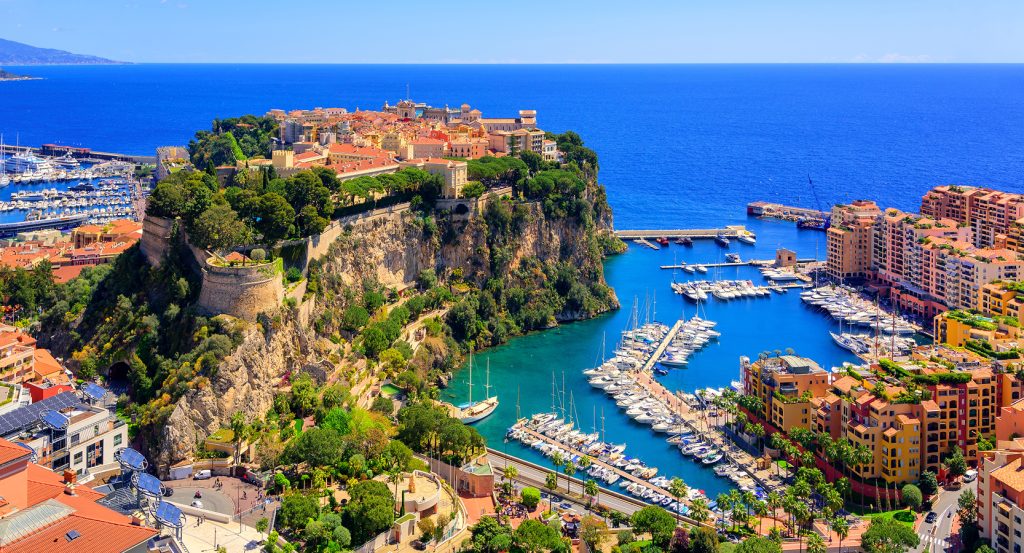
Begin at Casino de Monte-Carlo, the expansive Belle Époque gaming establishment whose development transformed Monaco into an internationally recognized resort destination. The casino emerged through the commercial ambitions of Prince Charles III and entrepreneur François Blanc, whose gambling concession established the foundation for Monte-Carlo Société des Bains de Mer in 1863. Its principal architectural transformation occurred during the late nineteenth century, when Charles Garnier developed the adjoining opera house and associated entertainment spaces. The complex incorporates expansive entrance halls, gilded gaming salons, elaborate chandeliers and a decorative program associated with the architectural grandeur of European aristocratic entertainment. Its historical importance derives from the relationship between casino revenues, luxury hospitality and the economic development of the principality. Continue to Jardins des Boulingrins, the formal landscaped gardens occupying the western approach to the casino district. Their development formed part of the nineteenth-century transformation of the Plateau des Spélugues into a fashionable winter resort, introducing carefully arranged horticultural displays into an area previously characterized by relatively sparse Mediterranean vegetation. Landscape architect Édouard André contributed to the development of the surrounding gardens, combining formal French planting arrangements with subtropical species adapted to the region's climate. The gardens incorporate symmetrical lawns, flowerbeds, fountains and carefully organized pathways that direct attention toward the expansive buildings surrounding Place du Casino. Their name derives from the French adaptation of the English term bowling green, preserving the influence of British visitors on the social traditions of the Riviera. Conclude at One Monte-Carlo, the contemporary luxury development occupying a prominent position within the Carré d'Or district. Developed by Monte-Carlo Société des Bains de Mer, the complex opened in 2019 as a substantial addition to the principality's residential, commercial and hospitality infrastructure. Architects Sir Richard Rogers and Alexandre Giraldi developed a program incorporating contemporary residential buildings, luxury boutiques and landscaped pedestrian spaces. Its architectural composition combines curved building forms, extensive glazing and carefully arranged public circulation areas, introducing a modern architectural language into the established Belle Époque district. The development also strengthened the concentration of international luxury retailers surrounding the casino, extending the commercial importance of Monte-Carlo's principal hospitality quarter. The progression moves from Casino de Monte-Carlo's nineteenth-century entertainment architecture through Jardins des Boulingrins' formal resort landscaping and culminates in One Monte-Carlo's contemporary luxury development, connecting successive periods of architectural and commercial transformation within Monaco's Carré d'Or.
Where your story begins.
Foresyte Travel reveals places that feel extraordinary long before you arrive.
Enjoy editorial crafted for luxury travelers.