Why Le Chantecler matters.
Le Chantecler is a MICHELIN-starred gastronomic restaurant where Carré d'Or's Belle Époque hospitality heritage meets the ceremonial traditions of French haute cuisine, the artistic patronage of Le Negresco and the contemporary Mediterranean cooking of chef Virginie Basselot.
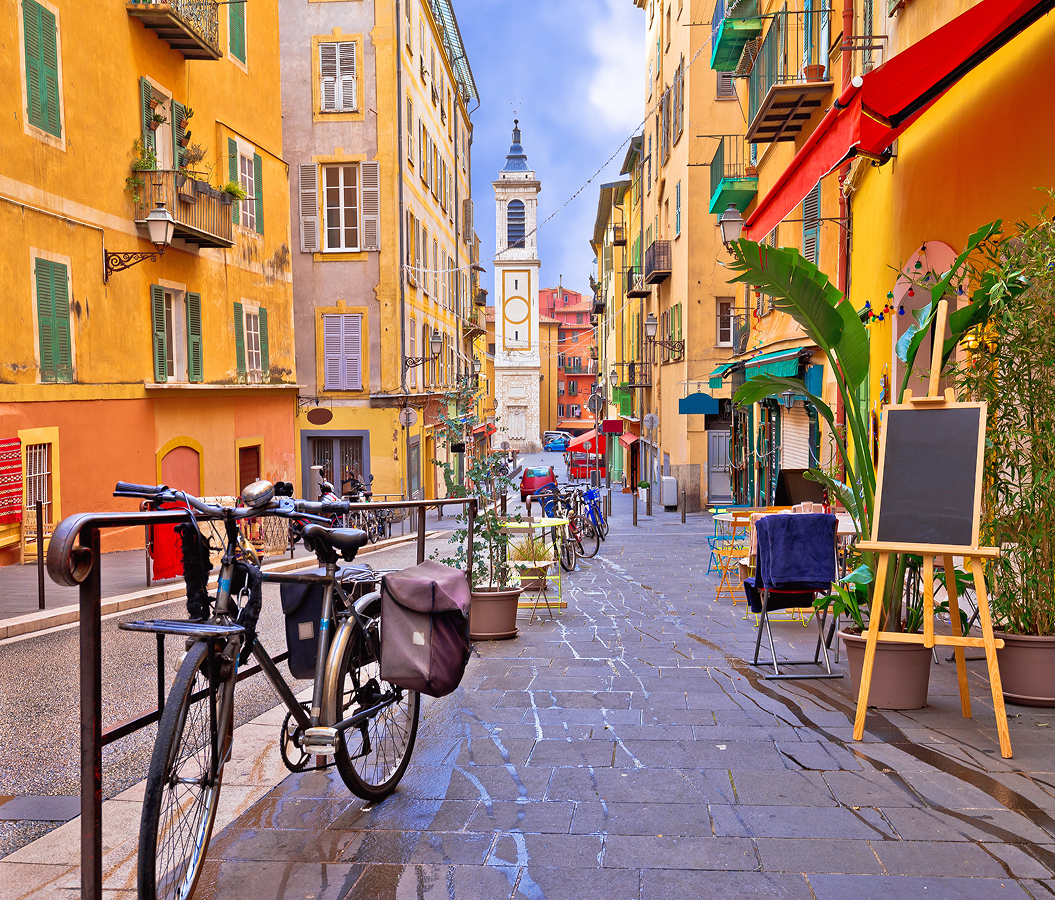
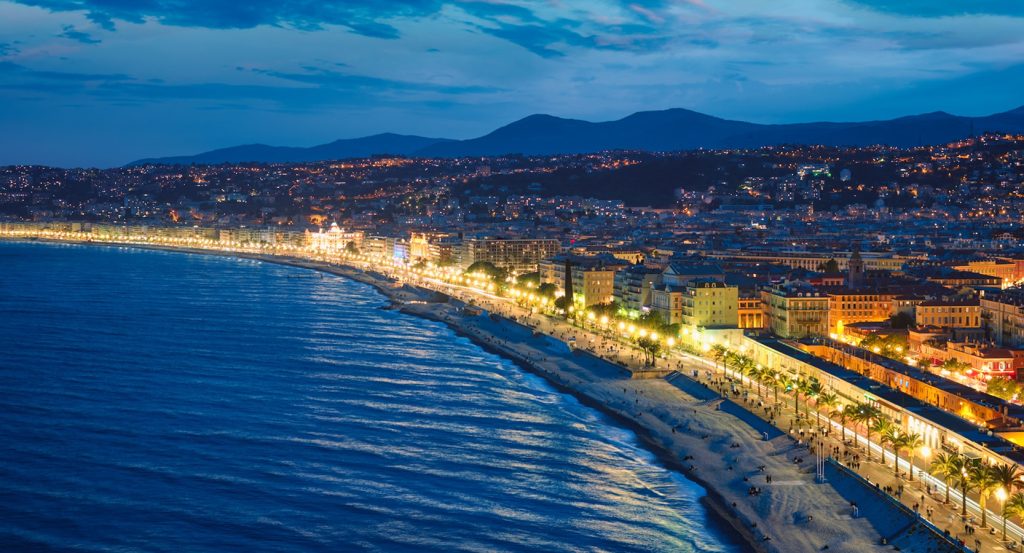
Occupying the principal fine-dining salon of Le Negresco on the Promenade des Anglais, the restaurant stands along the Baie des Anges between Rue de Rivoli and Rue Cronstadt, within the prestigious seafront district developed during Nice's emergence as an international winter resort. Its dining room incorporates eighteenth-century wood paneling, gilded ornament, elaborate chandeliers and historic portraiture, creating an intimate setting of considerable architectural richness. Leather and wood tables, embroidered linens and carefully selected decorative objects contribute a contemporary layer to the historic interior, preserving the proportions and decorative character of a French aristocratic salon. A landscaped terrace extends the restaurant toward the Mediterranean waterfront, providing a separate setting for aperitifs and the transition into formal evening service. The result is an exceptional gastronomic destination whose historic interiors, refined contemporary furnishings and relationship with the Mediterranean coastline preserve the ceremonial character of French palace-hotel dining.
What defines Le Chantecler.
Le Chantecler is best known for preserving the grand traditions of French gastronomic hospitality within Le Negresco, the historic Riviera hotel whose development became inseparable from the international reputation of Nice. The restaurant's institutional origins belong to the ambitious hotel project undertaken by Henri Negresco, a Romanian-born hospitality entrepreneur who developed his career in the luxury establishments of Monte Carlo before pursuing an independent property on the Promenade des Anglais. Negresco secured the financial backing of industrialist Alexandre Darracq and commissioned architect Édouard-Jean Niermans to create a hotel capable of accommodating the wealthy international clientele attracted to the French Riviera. Construction began in 1911, and the property opened on January 8, 1913, establishing a substantial new presence within the city's expanding luxury hospitality sector. Niermans brought extensive professional credentials to the commission through his earlier work on the Moulin Rouge, Folies Bergère and Hôtel du Palais in Biarritz, combining the decorative ambitions of Belle Époque architecture with the operational requirements of an international grand hotel. The building's distinctive pink dome became an important element of the coastal skyline, connecting its architectural character to the wider development of prestigious seaside establishments across the Mediterranean. The outbreak of the First World War interrupted the hotel's early commercial ambitions, and the property became a military hospital accommodating wounded soldiers. Henri Negresco encountered substantial financial difficulties following the conflict and died in Paris in 1920, leaving the hotel to develop under subsequent ownership. The establishment's most consequential transformation began in 1957 when Jeanne Augier, whose family had acquired the property, assumed responsibility for its artistic and commercial direction. Augier developed an ambitious program of collecting and interior decoration, assembling paintings, sculptures, furniture and decorative objects associated with successive periods of French artistic production. Her acquisitions included works connected to major European artists and substantial collections of historic furniture, transforming the hotel's public interiors into a distinctive setting for the display of French cultural heritage. Le Chantecler became an important component of this project through its association with eighteenth-century decorative arts and the ceremonial conventions of aristocratic dining. The restaurant's historic paneling originated at the Château de Chaintré in Burgundy and dates to 1751, connecting the salon to the architectural traditions of the reign of Louis XV. Its installation within the hotel created a distinctive setting for classical French restaurant service, extending Augier's collecting ambitions into the culinary life of the property. The restaurant's decorative program also incorporated a portrait of Louis XV associated with Maurice Quentin de La Tour and a portrait of Queen Marie Leszczyńska by Jean-Marc Nattier, placing French royal imagery within the principal dining environment. Embossed leatherwork from Mechelen contributed another historic decorative element, connecting the room to the craftsmanship of the Low Countries. Le Chantecler developed its gastronomic reputation through successive generations of chefs, whose work connected the restaurant's historic surroundings with the evolution of French haute cuisine. Michel Del Burgo became an important figure in its culinary history, bringing professional experience associated with major French gastronomic establishments and contributing to the development of its reputation during the late twentieth century. Alain Llorca subsequently directed the kitchens, strengthening the restaurant's association with contemporary Mediterranean cooking and the culinary heritage of Provence. His professional tenure contributed to the development of a gastronomic program that incorporated the ingredients of southern France into the technical conventions of established French fine dining. Jean-Denis Rieubland succeeded Llorca and developed another significant chapter in the restaurant's history through a cooking style associated with classical technique and carefully controlled contemporary presentation. Rieubland received the Meilleur Ouvrier de France distinction in 2007, recognizing his professional mastery within one of the country's most demanding culinary competitions. Under his direction, Le Chantecler received two MICHELIN stars, placing the restaurant among the most highly regarded gastronomic establishments on the Côte d'Azur. Virginie Basselot assumed leadership of the kitchens in 2018, becoming the first woman to hold the position of executive chef in the hotel's history. Born in Normandy, Basselot developed her professional ambitions through the restaurant operated by her father in Pont-l'Évêque, gaining an early familiarity with the practical demands of commercial cooking. She began her culinary training through an apprenticeship in her native region before moving to Paris at nineteen to work at the Hôtel de Crillon. Her subsequent professional development included positions at Le Grand Véfour and Le Bristol, two Parisian establishments associated with the rigorous standards of French luxury gastronomy. In 2012, Basselot became executive chef at Saint James Paris, where she developed an independent culinary program that received a MICHELIN star in 2014. Her professional standing advanced further in 2015 when she earned the Meilleur Ouvrier de France title, becoming the second female chef to receive the distinction in the cuisine category. A subsequent appointment at La Réserve Genève extended her professional career into Swiss luxury hospitality before her return to France. Basselot's arrival at Le Negresco introduced a new culinary direction grounded in seasonal Mediterranean ingredients, close relationships with regional producers and the technical discipline developed during her Parisian career. Her appointment also connected the restaurant to a broader institutional transition following the death of Jeanne Augier in January 2019, ending more than six decades of the proprietor's personal influence over the hotel's artistic character. Le Chantecler retained its MICHELIN-starred standing through this period, preserving its position within the gastronomic institutions of the French Riviera. The restaurant's subsequent development incorporated collaborative dinners with visiting chefs and wine producers, strengthening its participation in the wider professional culture of French gastronomy. A dedicated dinner with Burgundy winemaker Thibault Liger-Belair in June 2026 connected Basselot's cooking with a carefully developed selection of wines from Nuits-Saint-Georges and Clos de Vougeot. The restaurant's continuing significance derives from the combination of historic French decorative arts, successive generations of distinguished chefs and a culinary program that connects the ceremonial traditions of grand-hotel hospitality with the agricultural and maritime heritage of the Mediterranean coast.
Virginie Basselot's culinary philosophy centers on the precision of classical French cooking and the expressive possibilities of ingredients produced along the Mediterranean coast, creating a gastronomic program organized around seasonality, clarity of flavor and carefully developed technical relationships. Her approach draws on the foundations of Normandy cooking, where butter, cream, seafood and carefully constructed sauces contribute to a substantial regional culinary tradition. The transition to southern France encouraged an increasingly concentrated treatment of olive oil, Mediterranean vegetables, aromatic herbs and coastal seafood, establishing a distinctive relationship between northern French technique and the agricultural character of Provence. Basselot maintains close professional relationships with regional producers, allowing the selection of fish, vegetables and fruit to influence the composition of successive menus. Mediterranean monkfish contributes an important reference through its firm texture and suitability for precise cooking, supporting preparations developed around citrus acidity and carefully controlled butter emulsions. Lemon balm introduces a delicate herbal character, connecting the richness of the sauce with the freshness of aromatic plants. Lemons cultivated in the Var contribute another dimension through their acidity and essential oils, developing the relationship between coastal produce and classical French sauce preparation. Red mullet introduces a contrasting seafood character through its concentrated flavor and delicate flesh, requiring careful handling to preserve the structure of the fish during cooking. Basselot's treatment of the ingredient incorporates its liver into the seasoning, developing a concentrated marine flavor that extends the culinary value of the entire fish. Combava contributes a sharply aromatic citrus character, and cabbage purée provides a vegetable foundation whose texture balances the more concentrated elements of the preparation. The kitchen's treatment of seafood extends through langoustines, whose delicate sweetness supports broths prepared from reduced shells and marine ingredients. Seaweed and plankton contribute further coastal associations, creating a concentrated expression of maritime flavor through carefully balanced salinity and aromatic depth. The restaurant's vegetable preparations develop through similarly precise techniques, with aubergine contributing a substantial foundation for confit cooking and controlled smoking. Puffed buckwheat adds a contrasting texture, and yogurt introduces acidity that balances the richness of the cooked vegetable. Arugula contributes a peppery herbal character, connecting the preparation to the cultivated produce of the surrounding region. Lamb from the Alpilles introduces a terrestrial counterpart to the seafood program, drawing on the pastoral traditions of Provence and the distinctive character of meat produced within the limestone landscapes of southern France. Fireplace cooking develops the surface of the meat through direct radiant heat, and a concentrated jus incorporates Niçoise olives to connect the preparation to the regional traditions of olive cultivation. Tian vegetables contribute another Provençal reference through the layered arrangement and gentle cooking of seasonal produce, establishing a relationship between the principal protein and the agricultural character of the Mediterranean countryside. Basselot's approach to pastry preserves the same emphasis on seasonal ingredients and technical restraint, with fruit preparations developed through carefully controlled acidity and sweetness. Strawberries cultivated around Villeneuve-Loubet contribute a local agricultural reference, supporting desserts that incorporate rhubarb, orange blossom and concentrated fruit preparations. The combination develops through contrasting textures and aromatic components, preserving the character of the principal fruit across the successive elements of the composition. The restaurant's service program extends this culinary precision through the professional direction of Julien Freulon, whose coordination of the dining room preserves the ceremonial conventions of French luxury hospitality. Traditional techniques associated with carving and flambéing contribute to the restaurant's established service culture, connecting individual preparations to the craftsmanship of classical restaurant dining. Head sommelier Jean-Gabriel Siviragol directs the wine program, developing relationships between the restaurant's culinary compositions and producers from established French appellations. His selections encompass major Burgundy estates and smaller vineyards, supporting pairings organized around acidity, texture, aromatic character and the structural development of successive courses. The restaurant's wine service incorporates substantial knowledge of individual producers and the geographical characteristics of their vineyards, extending the culinary program into the agricultural traditions of French viticulture. Luc Escolano contributes live piano performances, creating a musical accompaniment whose intimate character complements the restaurant's formal evening service. The dining program unites the technical discipline of Basselot's kitchen, the professional conventions of French restaurant service and the cultivated traditions of European wine and music within a carefully coordinated gastronomic occasion.
How Le Chantecler fits.
Le Chantecler works as the anchor for an outing connecting the aristocratic winter residences of the French Riviera, the religious institutions of Nice's expanding coastal neighborhoods and the philanthropic traditions of its nineteenth-century international community.
Begin at Musée Masséna, the historic Belle Époque residence developed for Prince Victor d'Essling, a descendant of Marshal André Masséna whose family maintained substantial associations with the political history of Nice. Architects Hans-Georg Tersling and Aaron Messiah designed the neoclassical villa between 1898 and 1901, incorporating Italian architectural influences and elaborate interiors associated with the ceremonial traditions of European aristocratic residences. Landscape architect Édouard André developed the surrounding gardens, establishing a formal relationship between the property and the Mediterranean waterfront. André Masséna transferred the estate to the City of Nice in 1919, and the museum opened in 1921 with collections devoted to regional history, decorative arts and the development of the Riviera. Its holdings include Napoleon's death mask, a jeweled diadem associated with Empress Joséphine and substantial collections of nineteenth-century painting and furniture. Continue to Église Saint-Pierre-d'Arène, the historic parish church whose development accompanied the expansion of Nice's western residential districts during the nineteenth and early twentieth centuries. The original religious establishment served a growing community of winter residents and permanent households occupying the neighborhoods beyond the historic city center. A substantial enlargement began on January 18, 1914, transforming the earlier chapel into a larger ecclesiastical complex designed to accommodate the expanding congregation. Construction continued through successive interruptions, and the church was inaugurated on January 23, 1938, despite the incomplete condition of the building. Between 2012 and 2017, the parish developed Espace Solidaire Jorge François beneath the sanctuary, creating a substantial charitable institution incorporating a community restaurant, exhibition gallery and performance facilities. Conclude at Villa Furtado-Heine, the historic aristocratic residence whose successive owners connect the earliest British winter community of Nice with the political history of Napoleonic Europe and the philanthropic institutions of the French Republic. Architect Daroni constructed the original villa in 1787 for Lady Penelope Rivers, establishing a substantial Italianate residence overlooking the Mediterranean coast. Pauline Bonaparte occupied the property during visits to Nice in 1807 and 1813, and Marie-Louise of Etruria, daughter of Charles IV of Spain, resided there under surveillance in 1809. Philanthropist Cécile Furtado-Heine acquired the estate in 1883 and commissioned architect Sébastien-Marcel Biasini to enlarge the residence and construct an elaborate wrought-iron entrance gate. In November 1895, she donated the property to the French Ministry of War as a convalescent residence for military officers, supporting the recovery of personnel affected by illness and military service. The villa and its grounds received French historic monument protection on June 10, 1961, preserving one of the oldest surviving aristocratic residences along the Nice waterfront. The progression moves from Musée Masséna's Belle Époque aristocratic culture through Église Saint-Pierre-d'Arène's religious and charitable development and culminates in Villa Furtado-Heine's exceptional history of international winter residence and military philanthropy, connecting the social institutions that shaped Nice's coastal expansion.
Where your story begins.
Foresyte Travel reveals places that feel extraordinary long before you arrive.
Enjoy editorial crafted for luxury travelers.
Foresyte may earn a commission when you book.