Fun facts about Las Vegas, Nevada.
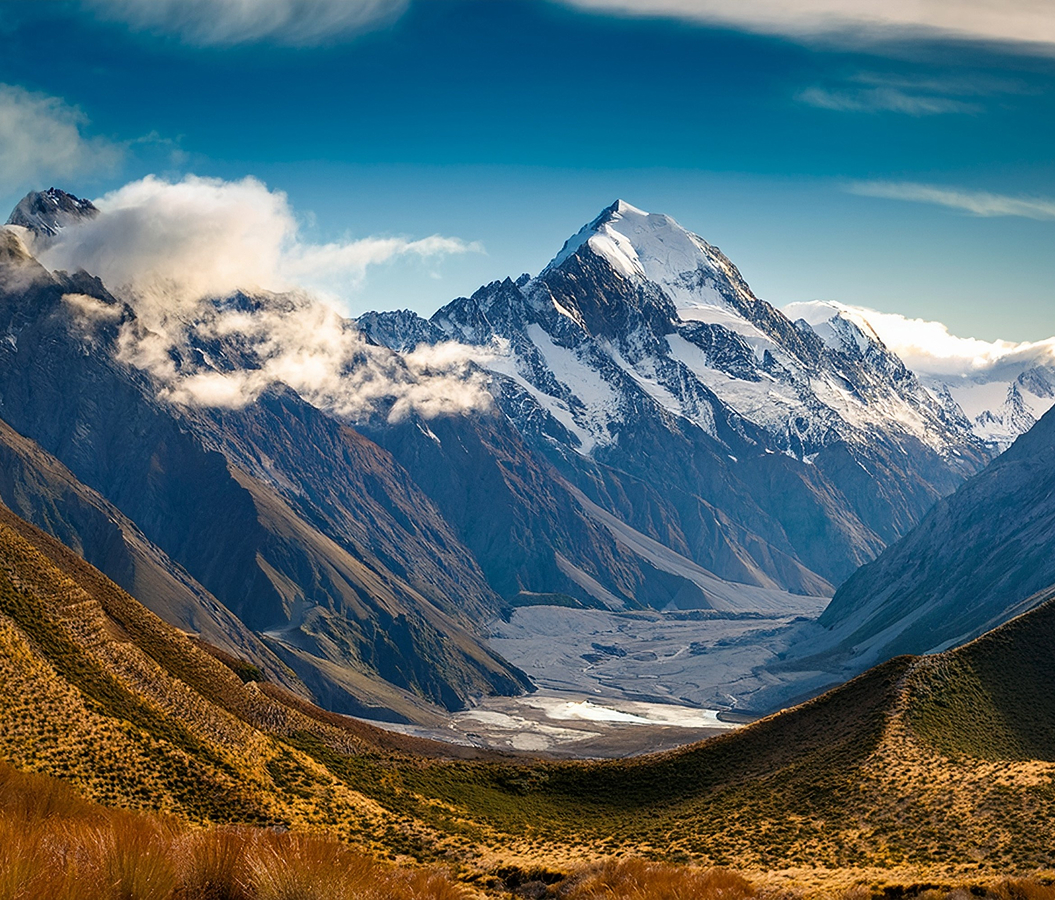
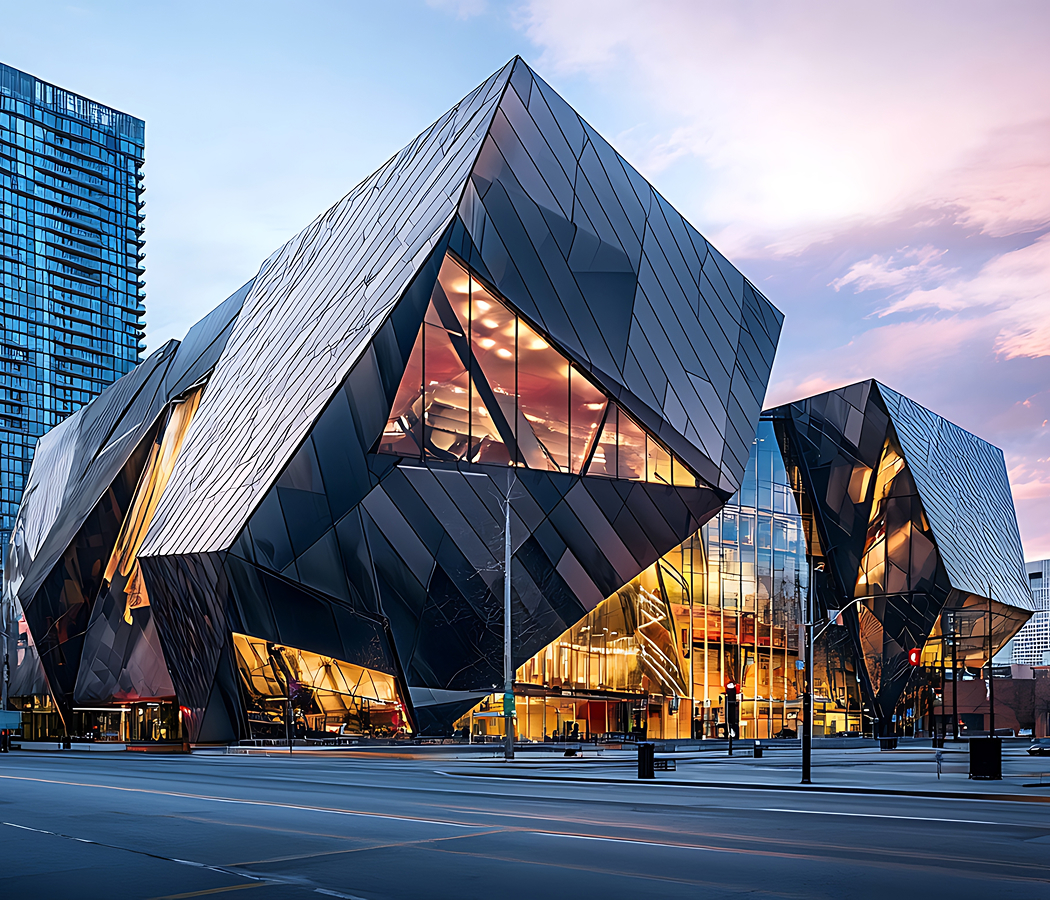
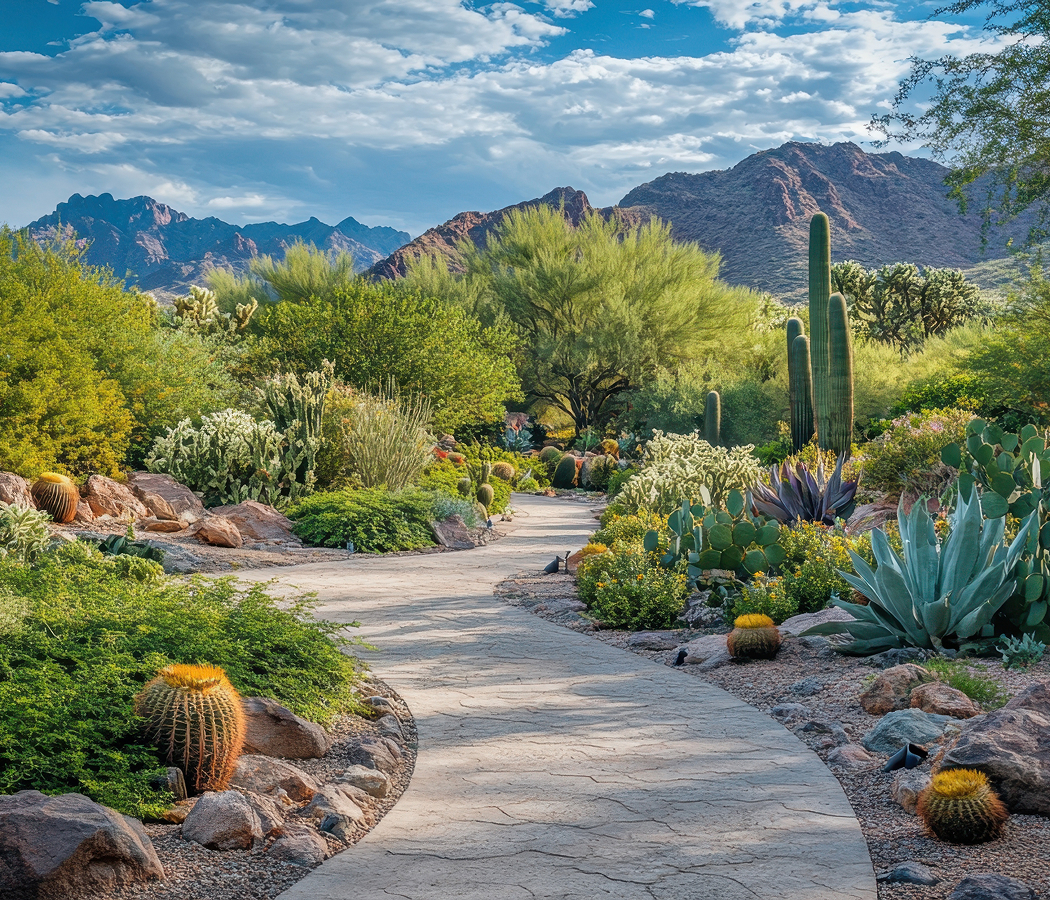
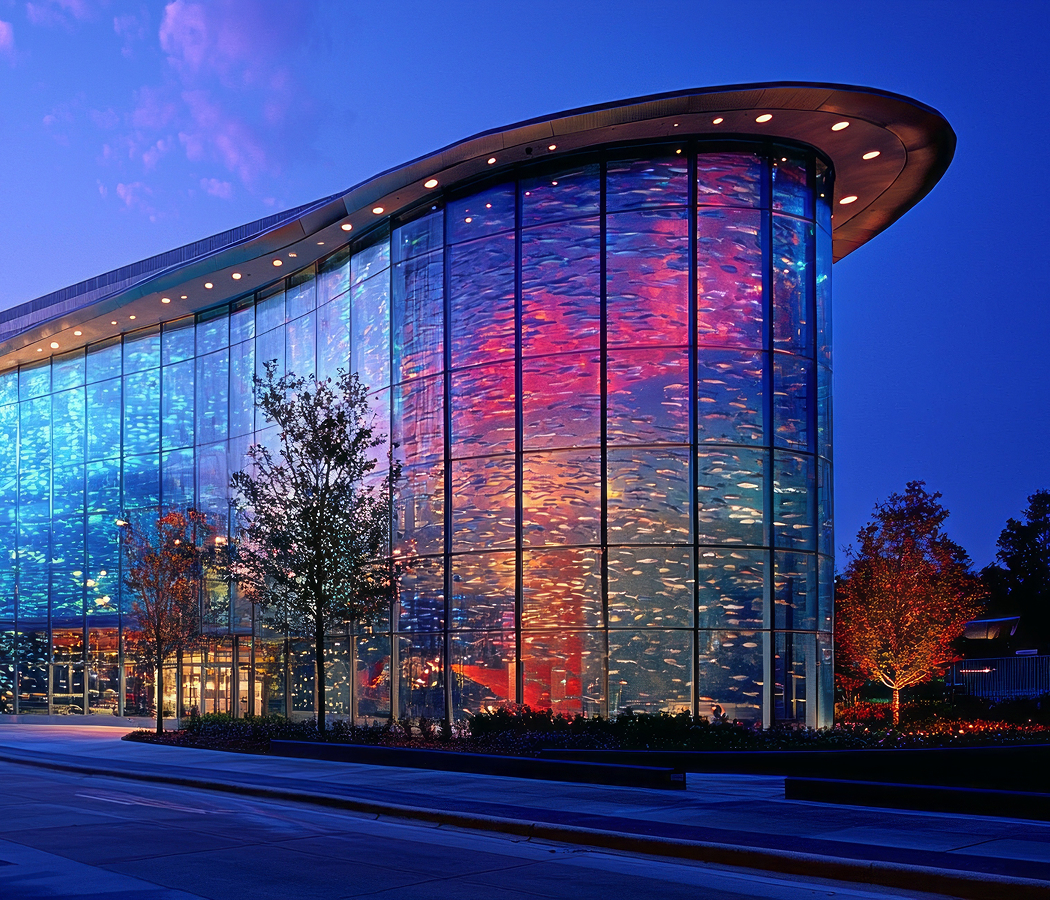
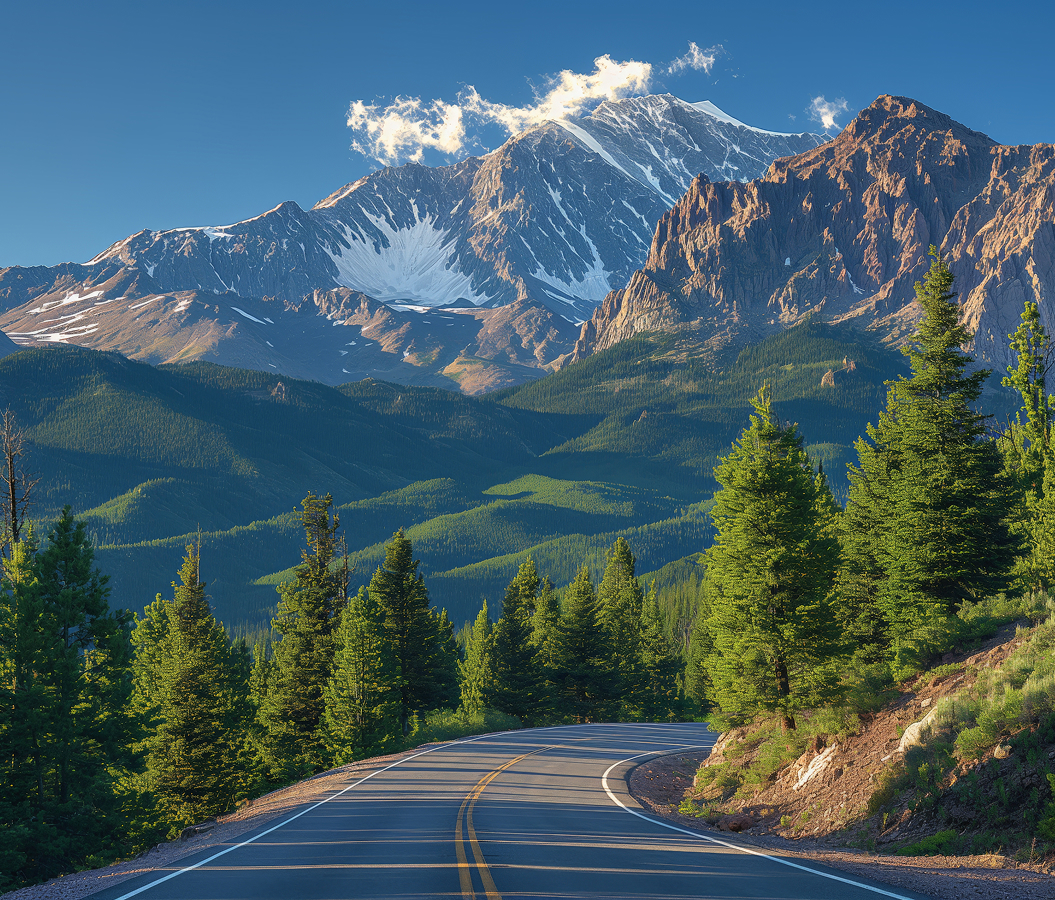
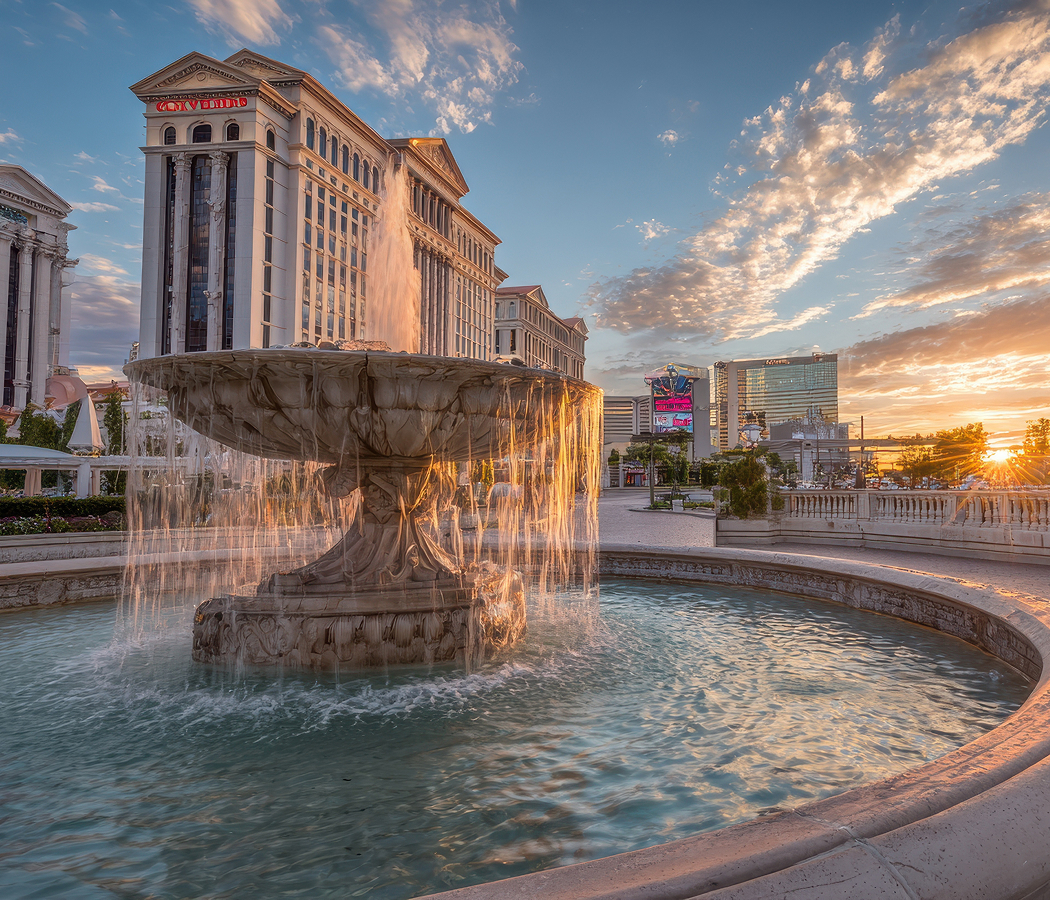
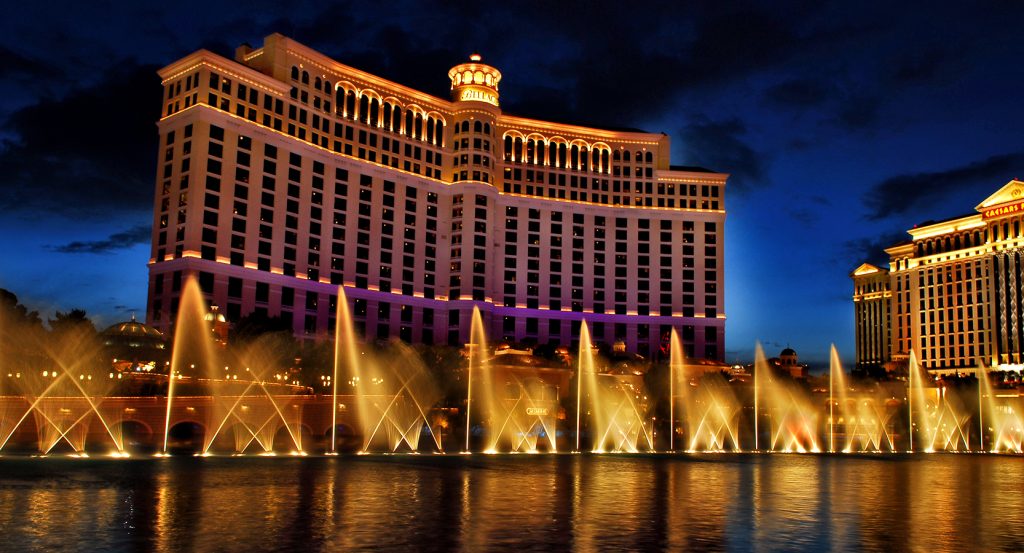
Las Vegas presents one of America's most distinctive architectural landscapes, where immense entertainment complexes rise from the Mojave Desert against a backdrop of rugged mountain ranges, protected canyons, and engineered reservoirs. The Las Vegas Strip extends primarily through the unincorporated communities of Paradise and Winchester, demonstrating how the metropolitan area's most recognizable destination developed beyond the municipal boundaries of Las Vegas itself. Caesars Palace, opened in 1966, established an influential architectural style through grand Roman-inspired façades, classical statuary, fountains, and theatrical interior environments. The Luxor introduced another ambitious interpretation of historical architecture through its pyramid-shaped hotel tower and powerful illuminated beam, creating one of the Strip's most recognizable silhouettes. The Venetian subsequently recreated elements of Venice through canals, gondolas, and interpretations of Italian Renaissance landmarks, connecting resort development with the construction of elaborate architectural fantasies. Bellagio introduced a contrasting aesthetic inspired by the Italian lakes, with its expansive artificial lake and choreographed fountains transforming the surrounding streetscape into a grand public performance. The CityCenter development, completed in 2009, brought a different architectural ambition to the Strip through contemporary buildings designed by internationally prominent architects including César Pelli, Daniel Libeskind, and Norman Foster. The Sphere, opened in 2023, expanded the city's architectural experimentation through a spherical entertainment venue incorporating an immense programmable exterior display and advanced immersive audiovisual technology. Downtown, Fremont Street preserves the geographic center of the original commercial settlement, where historic casino façades and illuminated signs reflect the evolution of American roadside advertising and entertainment design. The surrounding Arts District introduces a contrasting urban environment through former industrial buildings, galleries, workshops, and independent cultural establishments. Beyond the developed valley, Red Rock Canyon National Conservation Area contains dramatic sandstone escarpments shaped by geological processes spanning hundreds of millions of years, with the Keystone Thrust exposing a major structural feature of the region's geological history. Valley of Fire State Park preserves brilliant red Aztec Sandstone formations, ancient petroglyphs, and landscapes associated with Indigenous occupation of the Nevada desert. Lake Mead, formed by the impoundment of the Colorado River, introduced a vast artificial reservoir into the arid landscape, profoundly altering regional recreation, water management, and environmental conditions. Together, these settings reveal a metropolita character shaped by grand architectural imagination and the formidable natural geography of the American Southwest.
Las Vegas cultivated its cultural character through the reinvention of live entertainment, the expansion of celebrity-driven hospitality, and an evolving relationship with American music, cuisine, professional sports, and popular performance. The city's casino showrooms helped establish a distinctive entertainment economy in which nationally celebrated performers developed extended engagements before audiences drawn from across the country. Elvis Presley became central to this tradition through his celebrated residency at the International Hotel beginning in 1969, performing hundreds of concerts that helped define the modern Las Vegas headliner. Liberace contributed another influential expression of the city's theatrical sensibility through extravagant costumes, elaborate stage productions, and an animated performance style that became inseparable from his public persona. The development of major theatrical productions introduced further artistic complexity, particularly through the arrival of Cirque du Soleil, whose productions combined acrobatics, choreography, music, and elaborate technical staging. The opening of Mystère at Treasure Island in 1993 established a lasting relationship between the Canadian entertainment company and the city's large-scale production culture. Las Vegas also transformed American fine dining through the arrival of internationally celebrated chefs, including Wolfgang Puck, whose opening of Spago at Caesars Palace in 1992 helped accelerate the expansion of chef-driven restaurants within major resorts. The city's culinary landscape subsequently developed through restaurants associated with influential figures including Joël Robuchon, Thomas Keller, and José Andrés, introducing a concentration of ambitious dining establishments alongside longstanding traditions of buffets, steakhouses, and late-night hospitality. Professional boxing contributed another dimension to the city's international identity, with championship fights involving Muhammad Ali, Sugar Ray Leonard, Mike Tyson, and Floyd Mayweather Jr. establishing Las Vegas as a principal destination for major sporting events. The arrival of the Vegas Golden Knights in 2017 introduced the city's first major-league professional sports franchise, followed by the relocation of the NFL's Raiders in 2020. Formula One returned to Las Vegas in 2023 with a street circuit incorporating sections of the Strip, extending the city's relationship with internationally televised competition. Away from the resort corridor, the Historic Westside preserves the legacy of Las Vegas's African American community, whose musicians, entrepreneurs, and civic leaders shaped the city's social and cultural development amid the segregation of the twentieth century. Contemporary galleries, independent performance spaces, and neighborhood restaurants contribute further dimensions to a cultural landscape extending well beyond the casino industry. Las Vegas ultimately captures the capacity of entertainment, architecture, entrepreneurship, and technological invention to reshape an American desert settlement into a globally influential center of performance and cultural reinvention.
Five fascinations.
5. Las Vegas once turned atomic bomb tests into a tourist attraction.
During the 1950s, nuclear detonations at the Nevada Test Site became an extraordinary part of Las Vegas tourism. Mushroom clouds rose beyond the desert 65 miles northwest of the city, and visitors arrived hoping to witness the flashes and clouds from afar. Hotels and businesses embraced the phenomenon as Las Vegas expanded rapidly during the same decade, adding atomic imagery to the city's emerging culture of performance. The episode captures an almost unimaginable period when one of the defining technologies of the Cold War became intertwined with the character of an American vacation destination.
4. Bugsy Siegel did not invent the Las Vegas Strip.
Benjamin “Bugsy” Siegel became inseparable from Las Vegas mythology through his involvement with the Flamingo, yet the Strip's resort model already existed before he entered the project. Hotelier Thomas Hull opened El Rancho Vegas in 1941 as the first self-contained casino resort on the emerging Strip, combining lodging, gambling, dining, entertainment, and other vacation experiences on one property. Los Angeles nightclub owner Billy Wilkerson later conceived the Flamingo before Siegel became involved. The familiar story of one gangster creating modern Las Vegas compresses a much richer evolution of resort development into a single legend.
3. One Las Vegas hotel helped break the city's color barrier.
The Moulin Rouge opened in 1955 as Las Vegas' first major interracial hotel and casino, welcoming Black and white guests, employees, and entertainers during an era when segregation excluded Black performers from many Strip and downtown resort spaces. Its initial run lasted only months, yet the property became central to a far larger transformation. In March 1960, civil rights leaders, government officials, and casino representatives met at the Moulin Rouge as a threatened protest against discrimination approached. The agreement reached there accelerated the integration of Las Vegas casino resorts and gave the short-lived property an enduring place in the city's history.
2. Fremont Street gave Las Vegas both its first pavement and its first traffic signal.
Long before the Strip became the international image of Las Vegas, Fremont Street functioned as the commercial spine of the young desert city. It became Las Vegas' first paved street in 1925 and later its first street equipped with a traffic signal. Casinos progressively transformed the corridor into the incandescent district known as Glitter Gulch, where increasingly ambitious neon installations turned architecture and advertising into a single nighttime performance. Five blocks eventually closed to automobile traffic for the Fremont Street Experience in 1995, giving the historic corridor another radically different physical identity.
1. Las Vegas' most famous sign has a farewell message on the back.
Betty Willis designed the Welcome to Fabulous Las Vegas sign in 1959, creating the distinctive Googie landmark that became one of the world's most recognizable symbols of the city. The 25-foot sign faces arriving traffic with its famous welcome, but departing motorists receive a different message on the reverse: “Drive Carefully, Come Back Soon.” Its location adds another Las Vegas twist. The landmark stands on Las Vegas Boulevard in unincorporated Clark County, beyond the municipal boundaries of the City of Las Vegas. The sign joined the National Register of Historic Places in 2009.
Where your story begins.
Foresyte Travel reveals places that feel extraordinary long before you arrive.
Enjoy editorial crafted for luxury travelers.
Foresyte may earn a commission when you book.