Why Four Seasons Resort Orlando matters.
Four Seasons Resort Orlando at Walt Disney World® Resort is a lakeside Florida retreat where Golden Oak's wooded landscape meets Spanish Revival architecture, Disney's theme-park geography, Four Seasons service and a 2014 opening built around family leisure and resort-scale recreation.
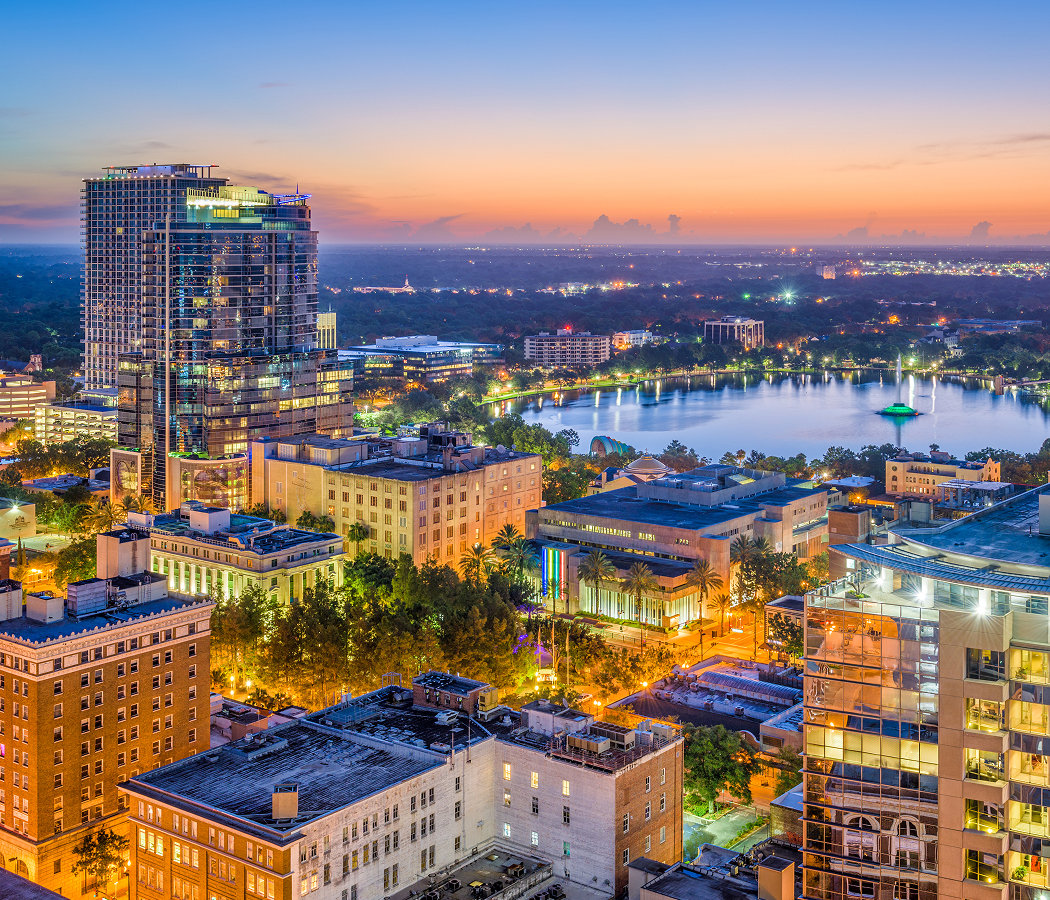
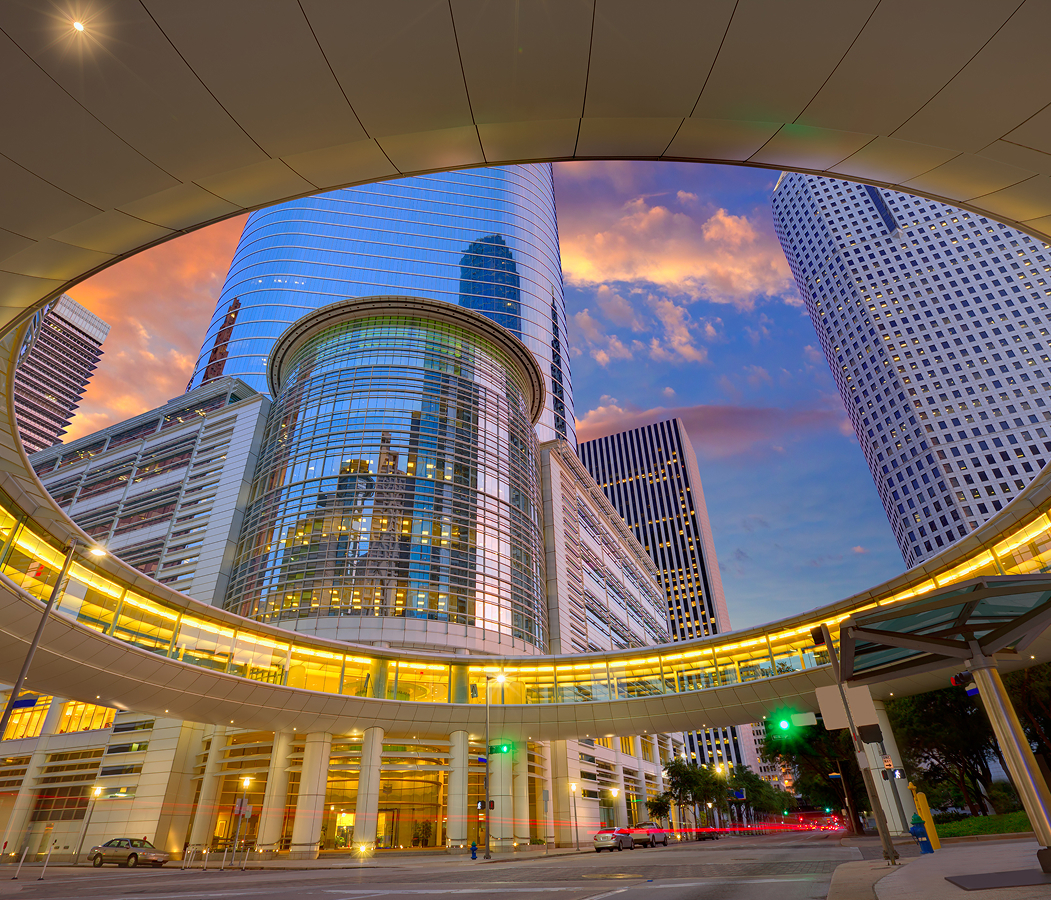
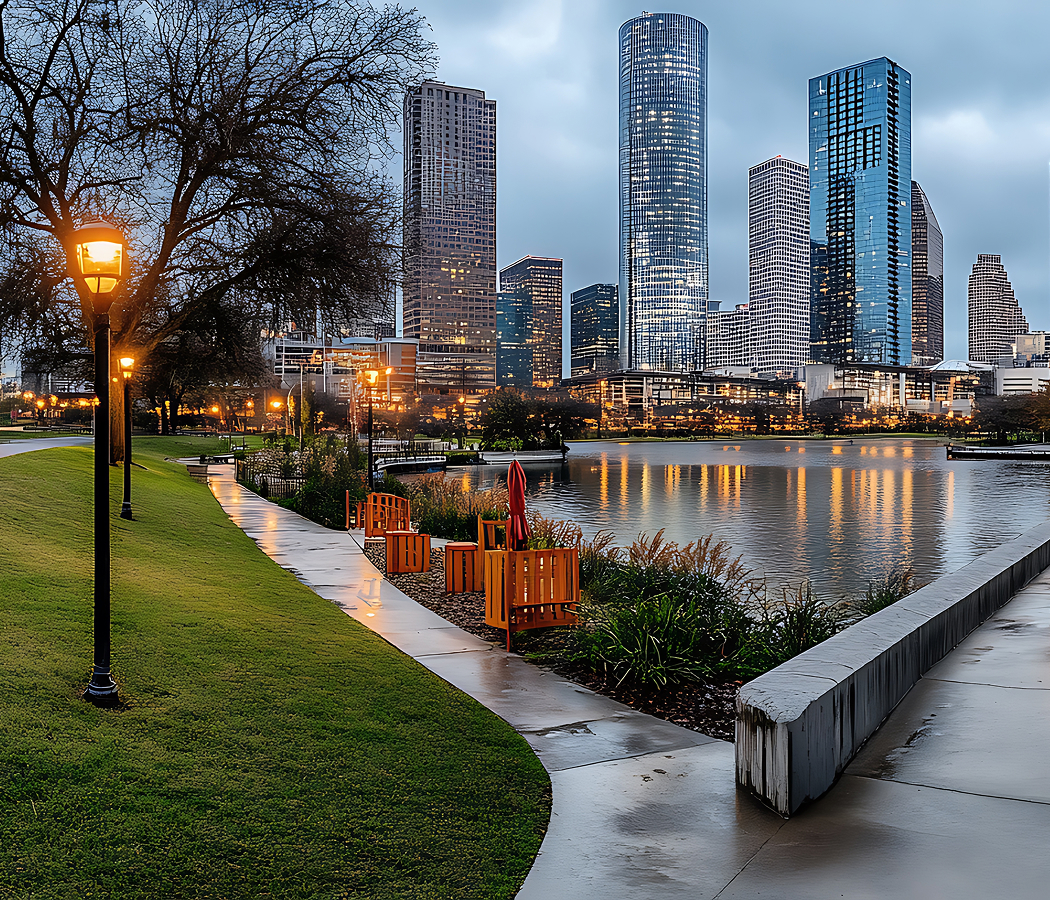
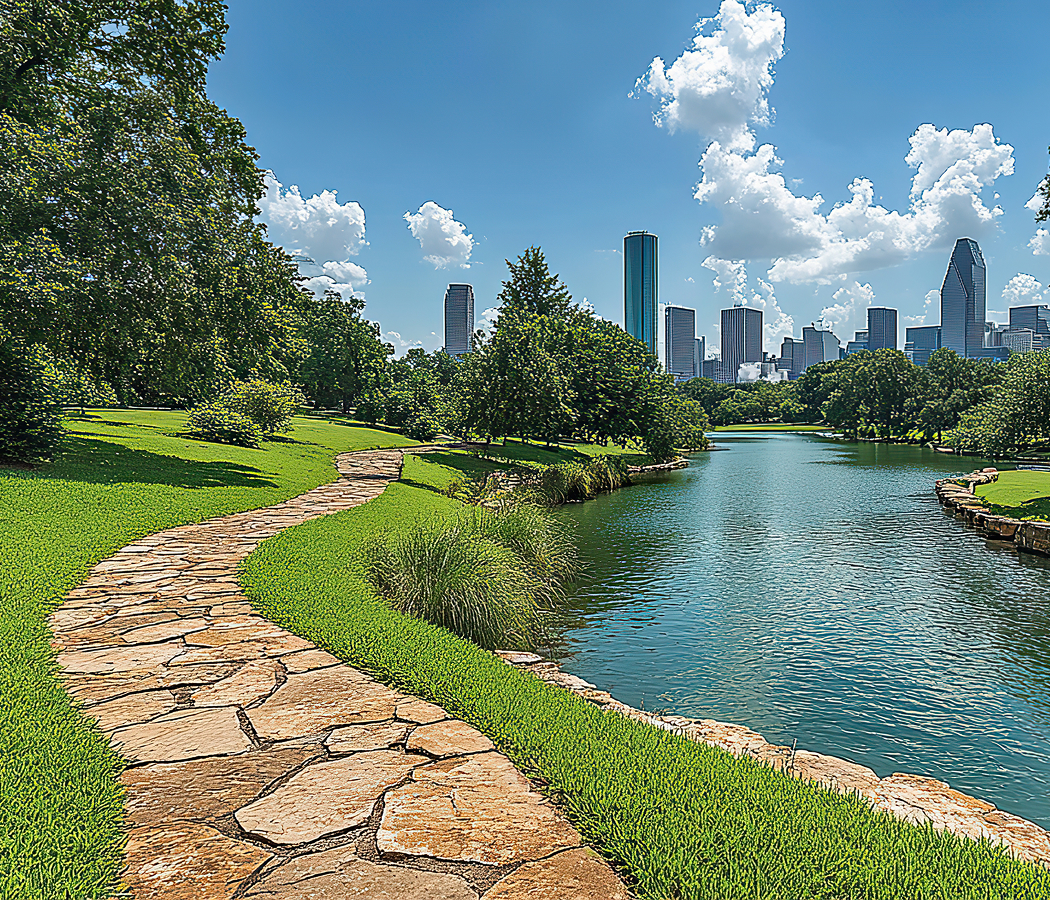
Set along Dream Tree Boulevard near Vista Boulevard and just steps from Disney's Lake Buena Vista Golf Course, the resort occupies Golden Oak's wooded interior between Walt Disney World's theme-park network, Four Corners' suburban edge and the wetlands, lakes and cypress groves of Central Florida. The physical setting is distinctive because a secluded residential enclave contains a 17-story resort framed by gardens, water, palms and Florida woodland. The resort is encountered through a sequence of landscaped arrivals, Spanish Revival arches, guestroom terraces, pools, lawns and elevated dining rooms that separate the property from the surrounding theme-park intensity. Lakes, golf fairways, shaded paths and large outdoor recreation areas make the landscape part of the daily rhythm. The result is a resort whose Golden Oak position, Spanish Revival form and extensive Florida grounds create a private counterpoint to Walt Disney World's larger entertainment environment.
What defines Four Seasons Resort Orlando.
Four Seasons Resort Orlando at Walt Disney World® Resort is best known for combining a 2014 opening with a 26.5-acre lakeside setting, 443 accommodations and a Spanish Revival design shaped for the scale of Walt Disney World. WTG Design and HKS developed the resort's architecture, while EDSA shaped the landscape around lakes, gardens, woodland and recreational areas. The 17-story building contains 375 guestrooms and 68 suites, creating one of Central Florida's largest luxury resort accommodation programs. The design draws on Florida's golden-age resort architecture through loggias, colonnades, arches, French doors, sweeping stairways, decorative metalwork and variegated barrel tile roofs. Anderson Miller Ltd. developed the interiors around a calmer residential language intended to extend the landscape into the rooms. The resort's 26.5 acres contain 114 plant species, 49 live oak trees, 927 palm trees and 72,000 shrubs and groundcovers. Guestrooms and suites use furnished terraces to connect private accommodation with the resort's gardens, lakes and golf setting. The Royal Suite can expand to nine bedrooms, transforming the upper accommodation program into a large private residence for extended family groups. Explorer Island occupies five acres with a lazy river, waterslides, splash areas, family pools, a climbing wall and recreation spaces. The resort's event program includes a 14,000-square-foot main ballroom, a 6,200-square-foot junior ballroom and additional indoor and outdoor gathering spaces. Four Seasons Resort Orlando operates as a resort city within Golden Oak, combining lodging, landscape, water, events and recreation across a highly planned property. Its character rests on the relationship between Florida's natural setting, Spanish Revival architecture and the scale of Walt Disney World's family-oriented travel culture.
Capa establishes the resort's principal elevated dining character through a 17th-floor rooftop steakhouse shaped by Spanish-influenced cuisine, wood-fired prime cuts and tapas. Two outdoor terraces connect the restaurant with lakeside sunsets and views toward Magic Kingdom fireworks. Ravello extends the culinary program through Italian food, pasta, seafood and a setting designed for family dining within the larger resort environment. PB&G places Southern-inspired cooking beside the five-acre water park, linking smokehouse barbecue, salads, poolside fare and floating pavilions with the resort's recreational core. Plancha moves the dining program toward the golf landscape through a clubhouse setting associated with Tranquilo Golf Club. Tom Fazio designed the 18-hole Tranquilo course, whose fairways, elevation changes and wildlife create a separate sporting environment inside the resort grounds. The course became a Certified Audubon Cooperative Sanctuary, connecting golf operations with Florida habitat and conservation practices. The Spa at Four Seasons contains 18 treatment rooms, including four couples' suites, and places massage, beauty services and thermal relaxation within the resort's broader leisure structure. The fitness center adds cardiovascular equipment, Peloton bicycles, weight-training facilities, steam rooms, yoga space and a whirlpool. Kids For All Seasons provides supervised activities for children between four and twelve, adding structured programming to the resort's family identity. The resort's Disney relationship extends through transportation to the theme parks, park-view rooms and rooftop sightlines toward nightly fireworks. Four Seasons Resort Orlando builds its public character through a progression from rooftop steakhouse and Italian dining to poolside food, golf, spa treatment, family recreation and Disney performance. The property's culinary and leisure programs make the resort function as a complete destination rather than simply a high-end accommodation within Walt Disney World.
How Four Seasons Resort Orlando fits.
Four Seasons Resort Orlando at Walt Disney World® Resort works as a polished base for a culturally coherent day that begins with Louis Comfort Tiffany's American decorative art, continues through Spanish Colonial Revival domestic architecture and concludes at the liberal-arts campus that shaped Winter Park's cultural life.
Begin at the Charles Hosmer Morse Museum of American Art, whose collection developed from Charles Hosmer Morse's family legacy and Jeannette Genius McKean's decision to create a museum devoted to American art. Jeannette McKean founded the Morse Gallery of Art in 1942 on the Rollins College campus, where Hugh F. McKean became the founding director. The museum's Tiffany collection includes leaded-glass windows, lamps, jewelry, pottery, furniture and architectural fragments connected to Louis Comfort Tiffany's artistic production. The museum remained on the Rollins campus for 35 years before moving to East Welbourne Avenue in 1977. Its name changed to The Charles Hosmer Morse Museum of American Art during the 1980s, and an expanded building opened on North Park Avenue in 1995. The Morse Museum opens the itinerary through the philanthropic and artistic collection that gave Winter Park one of America's most important concentrations of Tiffany material. Continue to Casa Feliz Historic Home Museum, designed by James Gamble Rogers II as a Spanish Colonial Revival residence completed in 1933. The house uses stucco walls, clay tile, timber detailing, courtyards and arched openings to create a Florida interpretation of Spanish domestic architecture. The building's design connects Winter Park's early twentieth-century development with the revival styles that shaped many of Central Florida's most distinctive residences. Casa Feliz later moved from its original site to Park Avenue, preserving the structure through relocation and adapting it for public use. Its rooms, terraces and architectural details shift the itinerary from collected art into the domestic spaces through which Winter Park expressed regional identity. Conclude at Rollins College, founded in 1885 and developed into one of Florida's oldest institutions of higher education. The campus supplied the original setting for the Morse Gallery of Art and forms a direct institutional link between the itinerary's first stop and its final destination. Rollins College's Spanish Mediterranean architecture, lakefront landscape and long relationship with Winter Park philanthropy create a broader cultural setting than a single museum or residence. The campus also houses the Rollins Museum of Art, extending the city's history of teaching, collecting and public cultural programming. The progression moves from the Morse Museum's Tiffany-centered philanthropy through Casa Feliz's Spanish Colonial Revival domestic architecture, then culminates at Rollins College's educational and cultural legacy, revealing how Winter Park developed through art collecting, regional design and civic institutions.
Where your story begins.
Foresyte Travel reveals places that feel extraordinary long before you arrive.
Enjoy editorial crafted for luxury travelers.
Foresyte may earn a commission when you book.