Why The Pine Creek Cookhouse matters.
The Pine Creek Cookhouse is a celebrated Castle Creek Valley dining destination where Castle Creek Valley's alpine wilderness meets Colorado's backcountry hospitality traditions, the culinary heritage of the Rocky Mountains and an extraordinary restaurant experience shaped by the surrounding Elk Mountains.
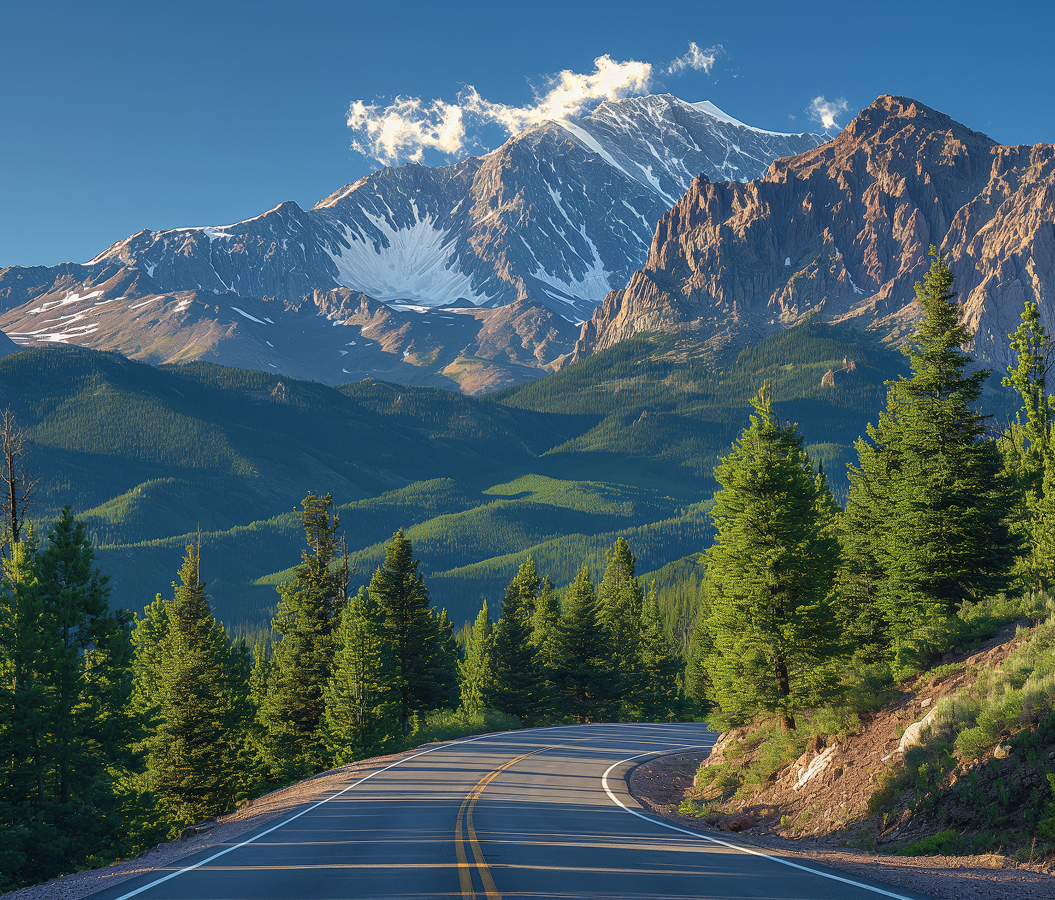
Occupying a secluded mountain meadow beyond the historic mining settlement of Ashcroft, twelve miles south of Central Aspen, the restaurant stands near the upper reaches of Castle Creek beneath the dramatic peaks of the Elk Mountains. Its substantial log-cabin structure incorporates exposed timber construction, a steeply pitched roof and broad windows overlooking the surrounding forest, meadow and mountain landscape. Inside, timber beams, wooden furnishings and large glazed openings establish a rustic dining room closely connected to the surrounding alpine environment. An expansive outdoor deck and seasonal seating areas extend toward a nearby pond, with views across the valley toward the rugged summits rising above the forest. The result is a secluded mountain restaurant whose substantial timber architecture, panoramic dining spaces and extraordinary natural surroundings establish one of Aspen's most distinctive backcountry hospitality settings.
What defines The Pine Creek Cookhouse.
The Pine Creek Cookhouse is best known for combining American alpine cuisine with the recreational traditions of the Upper Castle Creek Valley, establishing a destination restaurant whose history is closely connected to Aspen's development as an international mountain resort. The original cookhouse was constructed in 1971, during a period when the Roaring Fork Valley was expanding its recreational infrastructure beyond the established downhill skiing areas surrounding Aspen. Its remote position near Ashcroft connected the restaurant to a former silver-mining settlement whose abandonment had left substantial stretches of the upper valley available for outdoor recreation. The development of Ashcroft Ski Touring introduced an organized cross-country skiing operation that transformed the surrounding meadows and forest corridors into a winter recreational destination. The touring center became an important component of Aspen's Nordic skiing culture, establishing groomed routes through a landscape characterized by extensive snowfall, relatively gentle valley terrain and substantial mountain scenery. The restaurant developed alongside this recreational enterprise, creating a dining destination accessible through outdoor travel during the winter months. Its culinary program emphasized substantial mountain cooking, drawing on the traditions of Colorado ranching, wild game and freshwater fish. The establishment subsequently developed a reputation for combining carefully prepared meals with the unusual experience of reaching a remote restaurant by ski, snowshoe or horse-drawn sleigh. During the 1980s, the Wilcox family's involvement established a long-running connection between the restaurant's management and the recreational development of the Ashcroft area. The family's stewardship extended through successive decades of changing tourism patterns, preserving the relationship between backcountry recreation and destination dining. A major interruption occurred in 2003 when a fire destroyed the original restaurant building, requiring the construction of a replacement facility. The rebuilt cookhouse preserved the property's rustic architectural character and introduced expansive windows that strengthened the dining room's visual connection with the surrounding mountain landscape. Its reopening restored an important destination within the upper valley's recreational economy and allowed the business to continue developing its established combination of outdoor activities and alpine dining. The surrounding touring operation subsequently expanded its recreational programming through organized snowshoe excursions, ski instruction and guided naturalist experiences. Partnerships with the Aspen Center for Environmental Studies introduced educational excursions focused on alpine ecology, wildlife, snow conditions and the geological development of the surrounding mountains. These programs connected the restaurant to a broader tradition of environmental education within the Roaring Fork Valley. Summer activities developed through hiking, horseback riding and access to the surrounding national forest, extending the property's seasonal appeal beyond its established winter operations. The restaurant also became an important location for weddings and private celebrations, using the surrounding meadow, pond and mountain scenery as the setting for outdoor ceremonies. Its culinary program continued developing around regional ingredients, particularly Colorado elk, trout and other products associated with mountain agriculture and freshwater environments. The property's relationship with Ashcroft Ski Touring remains central to its operation, with the recreational enterprise maintaining thirty-five kilometers of winter trails. Horse-drawn sleigh transportation introduces another longstanding mountain tradition through vehicles pulled by substantial Percheron and Belgian draft horses. The one-and-a-half-mile journey takes around twenty minutes, connecting the dining experience to the historic use of horse-drawn transportation in mountain communities. The Wilcox family's continued involvement has preserved the establishment's position within Aspen's independent hospitality sector, maintaining a business whose appeal depends on the combined character of its culinary program, recreational access and alpine setting. More than five decades after its original construction, The Pine Creek Cookhouse occupies a distinctive position within the Roaring Fork Valley's hospitality history, connecting the development of organized Nordic recreation to the culinary and recreational traditions of the Colorado mountains.
The Pine Creek Cookhouse's culinary program centers on American alpine cooking, developing the natural flavors of Colorado game, freshwater fish and seasonal produce through substantial preparations suited to the mountain environment. Wild game establishes the restaurant's strongest regional connection through ingredients whose distinctive flavors require careful attention to cooking temperature, fat content and complementary sauces. Elk provides a particularly important example because its lean muscle structure produces a pronounced savory character and a relatively delicate texture when cooked with precision. High-temperature searing develops a browned exterior through the Maillard reaction, concentrating roasted aromas across the meat's surface. Controlled finishing preserves moisture within the lean interior, allowing the elk's natural flavor to remain prominent. Herb-based preparations introduce aromatic complexity through ingredients such as rosemary, thyme and parsley, whose essential oils complement the meat's concentrated savory character. Mustard contributes acidity and gentle pungency, balancing the richness introduced through butter, reductions or accompanying vegetables. The kitchen's treatment of Colorado lamb develops a related approach through a naturally richer meat whose fat responds particularly well to roasting. A Dijon-herb crust creates a concentrated aromatic exterior, combining mustard's sharpness with the fragrance of herbs and the browning produced during cooking. The relationship between the seasoned surface and the tender interior establishes a coherent sequence of texture and flavor. Freshwater fish introduces a complementary expression of regional cooking through the delicate flesh and natural sweetness associated with trout. The restaurant's ruby red trout preparations emphasize the fish's distinctive character through careful cooking that preserves its moisture and fine structure. Gentle roasting allows the flesh to separate into tender flakes, and restrained seasoning maintains the balance between the fish's natural flavor and accompanying ingredients. Smoked trout develops a deeper aromatic character through controlled exposure to wood smoke, introducing savory concentration that supports creamy preparations and fresh herbal accompaniments. The restaurant's smoked trout dip demonstrates this relationship through the combination of flaked fish, a rich binding component and seasonings that balance smoke, salt and acidity. Its appeal depends on the contrast between the fish's delicate texture and the concentrated aromatic character developed during smoking. Seasonal vegetables contribute another important element through preparations that emphasize the agricultural products available across Colorado and the broader American West. Roasted root vegetables develop natural sweetness as their moisture decreases, creating a substantial accompaniment to game and roasted meats. Fresh greens introduce acidity and crispness, providing balance within compositions centered on richer proteins. Grains and potatoes contribute the starch necessary to connect these components into substantial mountain meals, absorbing sauces and supporting the concentrated flavors of roasted ingredients. The kitchen's scratch-cooking approach allows these elements to develop through individual preparation, preserving the distinctions between roasted, smoked, braised and freshly prepared components. Lunch service follows a comparatively relaxed format, with substantial midday dishes designed to accompany outdoor activity. Evening dining develops a more structured progression through multiple courses, allowing the kitchen to introduce contrasting textures and increasingly concentrated flavors. Desserts continue the restaurant's mountain-hospitality character through familiar American preparations, including fruit-based pastries and chocolate desserts whose richness provides a natural conclusion to the meal. The beverage program complements this cooking through wines capable of supporting game, roasted meats and freshwater fish, with structured reds accommodating richer preparations and crisp whites balancing delicate seafood. The Pine Creek Cookhouse's culinary distinction rests on the consistent relationship between regional ingredients, substantial mountain cooking and the practical demands of dining in an isolated alpine setting.
How The Pine Creek Cookhouse fits.
The Pine Creek Cookhouse works as the culminating dining destination for an exploration connecting Aspen's silver-mining history, the recreational development of the Upper Castle Creek Valley and the extraordinary mountain geography of the Elk Range.
Begin at Ashcroft Ghost Town, the surviving nineteenth-century mining settlement established in 1879 following the discovery of silver deposits in the Upper Castle Creek Valley. The settlement developed rapidly, and ninety-seven pioneers organized a miners' protective association in June 1880, establishing an ambitious townsite divided into hundreds of individual lots. By 1881, Ashcroft supported five hundred residents, a public school, postal service and connections to surrounding mining communities. Investment by mining entrepreneur Horace Tabor in the Montezuma mine contributed to further expansion during 1883, when the settlement reached an estimated summer population of 2,500. Its subsequent decline accelerated after the Denver and Rio Grande Railroad selected a route into Aspen in 1887, redirecting commercial development toward the competing settlement. The surviving buildings preserve the architectural simplicity and economic uncertainty of Colorado's nineteenth-century mining communities. Continue to Ashcroft Ski Touring, the Nordic recreation center developed within the upper valley's extensive network of meadows, forests and gently rising mountain terrain. The touring operation emerged from Aspen's expanding interest in cross-country skiing during the 1970s, establishing a recreational alternative to the steep downhill terrain of the surrounding ski resorts. Its maintained trail network traverses thirty-five kilometers of terrain, connecting open meadows with sheltered corridors of spruce, fir and aspen. The routes accommodate classical cross-country skiing, skate skiing and snowshoeing, with instruction and equipment rental supporting different levels of experience. Guided naturalist programs introduce the ecological relationships between winter wildlife, alpine vegetation and seasonal snow conditions, establishing the valley as an important destination for outdoor education. Conclude at Cathedral Lake Trail, the demanding alpine hiking route that climbs from Castle Creek Valley toward a high-elevation lake beneath the imposing summits of Cathedral Peak. The trail ascends through dense conifer forest and open mountain terrain, gradually revealing the geological character of the Elk Mountains. Its upper sections incorporate substantial elevation gain and steep switchbacks, culminating in a glacially influenced basin surrounded by rugged rock formations. Cathedral Lake occupies an elevation of 11,866 feet, creating a dramatic setting characterized by clear mountain water, exposed slopes and substantial seasonal snow accumulation. The surrounding landscape provides an important example of the erosional processes that shaped Colorado's high mountain valleys during successive periods of glaciation. The progression moves from Ashcroft Ghost Town's silver-mining foundations through Ashcroft Ski Touring's development of modern Nordic recreation and culminates in Cathedral Lake Trail's alpine geography, connecting the historical and natural forces that shaped the Upper Castle Creek Valley.
Where your story begins.
Foresyte Travel reveals places that feel extraordinary long before you arrive.
Enjoy editorial crafted for luxury travelers.
Foresyte may earn a commission when you book.