Why Element 47 matters.
Element 47 is a Colorado contemporary restaurant where Downtown Aspen's silver-mining heritage meets the culinary ambitions of The Little Nell, the development of American mountain resort dining and one of the country's most established restaurant wine programs.
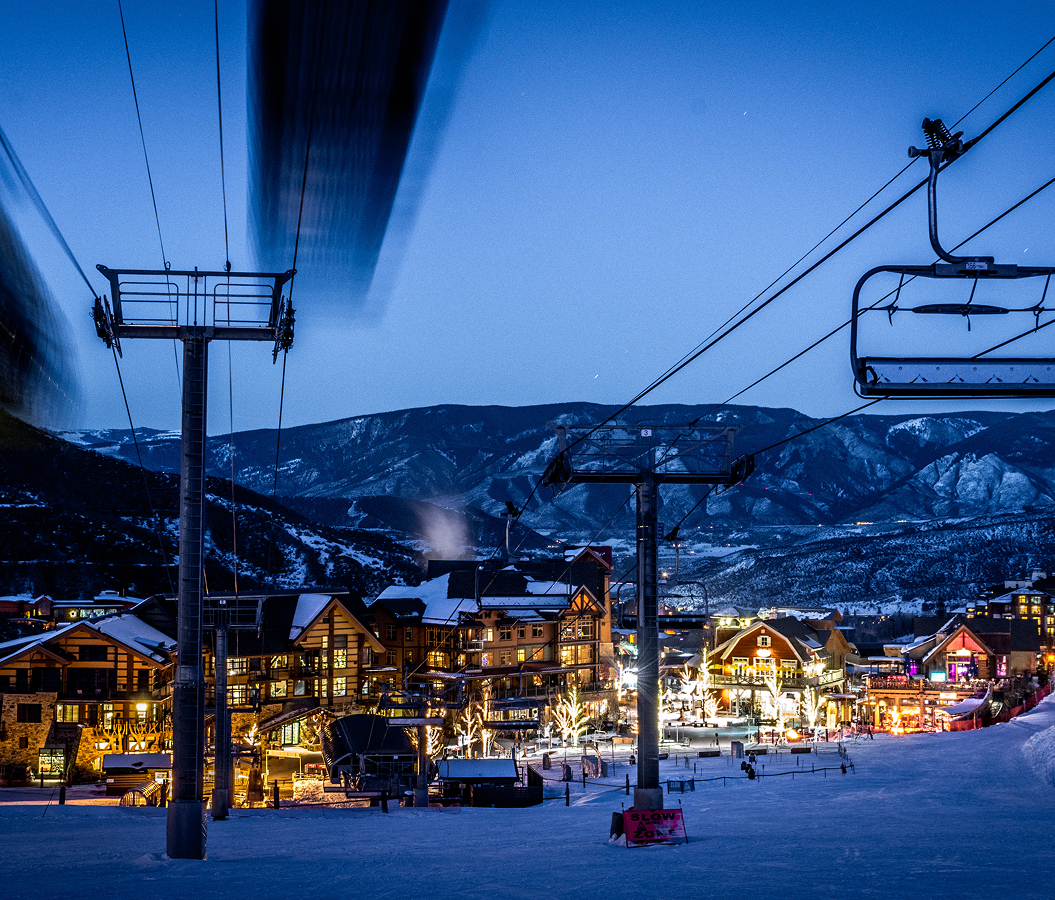
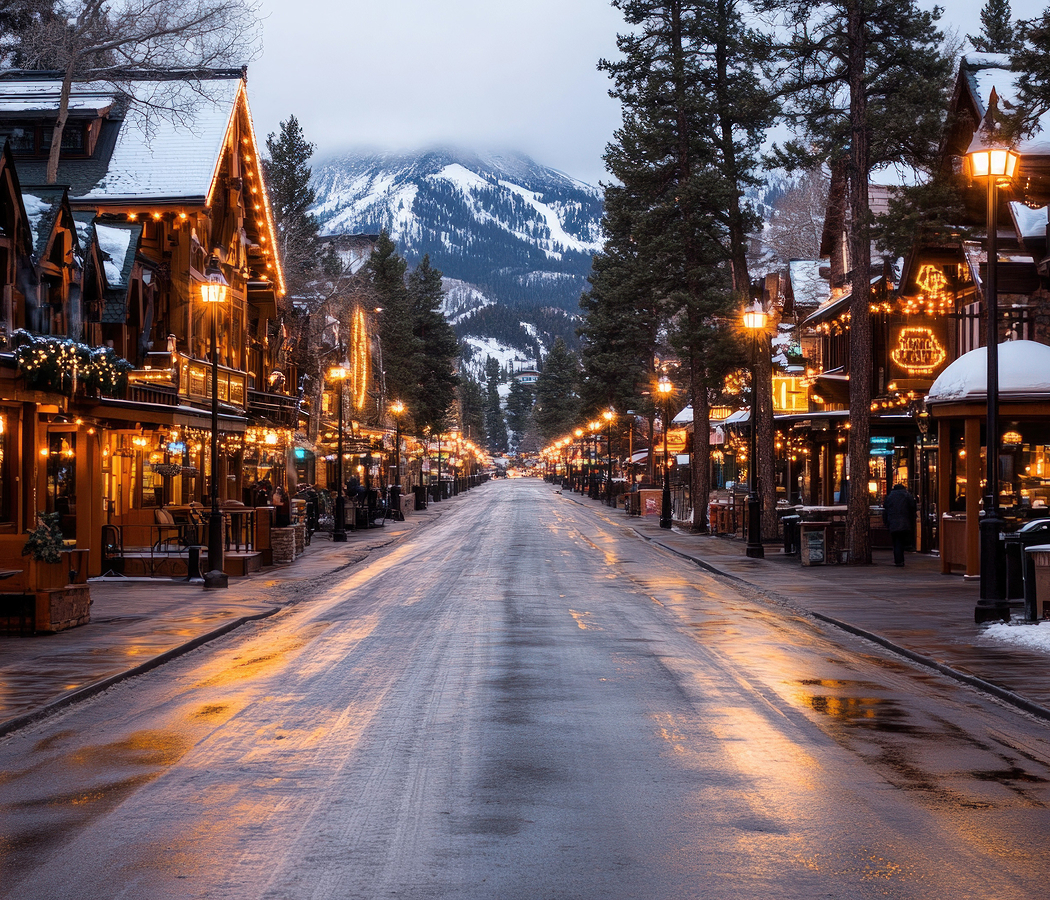
Set along East Durant Avenue near South Spring Street and just steps from the Silver Queen Gondola, the restaurant occupies the ground floor of The Little Nell at Aspen Mountain's northern base, between the historic downtown street grid and the steep ski slopes rising immediately south of the hotel. Floor-to-ceiling windows bring daylight into a dining room finished in wood, stone and blackened steel. A glass-enclosed wine display separates portions of the interior, placing the restaurant's cellar collection within view of the tables. The adjoining lounge incorporates a double-sided fireplace, with upholstered seating arranged for drinks and smaller meals. The result is a restaurant whose mountain-base location, contemporary interior and substantial wine facilities connect Aspen's skiing heritage with the development of its international dining reputation.
What defines Element 47.
Element 47 is best known for replacing Montagna at The Little Nell in December 2012, introducing a contemporary American restaurant whose name honors silver's atomic number and whose wine program extends one of Aspen's most consequential hospitality traditions. The Little Nell opened in 1989 at the base of Aspen Mountain, establishing a luxury hotel with direct access to the ski slopes and an ambitious food-and-beverage operation. Its original restaurant, Montagna, developed a reputation for elaborate dining and a substantial collection of international wines. The hotel's cellar became a defining institutional asset during the 1990s, earning Wine Spectator's Grand Award in 1997 under a program that subsequently trained an unusually large concentration of Master Sommeliers. Chef Ryan Hardy joined The Little Nell in 2005, introducing a greater emphasis on Colorado agricultural products and relationships with regional farmers and ranchers. His tenure expanded the restaurant's commitment to seasonal sourcing and established an important foundation for the cooking that followed. The decision to replace Montagna in 2012 accompanied a substantial redesign of the hotel's principal dining room and a transition toward a more flexible menu structure. New York architecture firm Bentel & Bentel directed the interiors, having received a James Beard Foundation award for restaurant design earlier that year. The redesigned restaurant opened on December 5, 2012, incorporating natural wood, stone, blackened steel and a prominent glass wine wall. Its name drew upon the periodic table, connecting the restaurant directly to the mineral responsible for Aspen's nineteenth-century prosperity. The original opening menu incorporated local Anjou pear agnolotti with Wagyu bresaola, celeriac and pickled chanterelles, demonstrating the kitchen's combination of regional ingredients and technically detailed preparations. The restaurant subsequently became part of Colorado's inaugural MICHELIN Guide coverage in 2023, receiving a recommendation for its contemporary cooking and substantial wine selection. Culinary director Matthew Zubrod continued the emphasis on regional producers, establishing a menu centered on Colorado ingredients and seasonal variation. The restaurant's development connects Aspen's mining history, the internationalization of its luxury hospitality sector and the sustained investment required to maintain a major American restaurant wine program.
Keith Theodore's kitchen develops Colorado contemporary cooking through carefully sourced proteins, seasonal vegetables, house-made pasta and preparations that balance substantial mountain-region ingredients with refined restaurant technique. Local Wagyu beef supplies an important foundation for the menu, with cattle raised at Cross Creek Farms contributing to the restaurant's emphasis on regional agricultural partnerships. House-made pasta incorporates seasonal fillings and sauces, extending the kitchen's work with Colorado produce into preparations associated with contemporary American fine dining. Lobster dishes introduce a richer seafood component, with cooking techniques designed to preserve the shellfish's delicate texture. Roast duck provides a contrasting preparation built around controlled roasting and the development of crisp skin. Beef Wellington introduces a classical pastry-wrapped preparation, combining carefully cooked beef with a browned exterior crust. Lunch service includes tortilla soup and substantial salads, maintaining a separate selection suited to the restaurant's daytime operation. The dining room's central wine display provides a visible connection to a cellar containing 20,000 bottles. Wine director Chris Dunaway oversees a program with particular depth in Burgundy, supported by extensive selections from Champagne, California and major European wine regions. The cellar's historical emphasis on Burgundy connects the restaurant with an established tradition of collecting mature vintages and wines from individual vineyard sites. Sommeliers develop pairings around the kitchen's changing preparations, coordinating acidity, tannin structure and maturity with individual courses. Private cellar tastings extend this service into guided examinations of selected producers, vintages and regions. Table 47 provides a separate dining room with an oval mahogany table, high ceilings and views toward the courtyard. The Gallery accommodates larger private dinners beside a substantial glass wine wall and original artworks. Wood stave screens and frosted glass railings provide adjustable separation between dining areas, preserving the visual continuity of the restaurant's interior. The adjoining Living Room incorporates a fireplace and residential-style seating, supporting drinks and smaller preparations throughout the day. The combination of regional sourcing, classical cooking techniques and a deeply developed cellar establishes a dining program closely associated with The Little Nell's hospitality standards.
How Element 47 fits.
Element 47 works as the culinary centerpiece for a Downtown Aspen itinerary connecting the town's nineteenth-century commercial prosperity, the preservation of Victorian residential architecture and the contemporary artistic institutions that accompanied its development into an international mountain destination.
Begin at Wheeler Opera House, the historic performance venue situated at East Hyman Avenue and South Mill Street. Mining entrepreneur Jerome B. Wheeler financed its construction in 1889, commissioning a building that combined commercial premises with an upper-floor auditorium. Its Romanesque Revival architecture incorporates substantial masonry construction and decorative elements associated with Aspen's silver-boom prosperity. The auditorium hosted theatrical performances, public meetings and visiting entertainers during the mining era. A fire in 1912 damaged the interior, initiating decades of changing commercial uses. Subsequent restoration returned the auditorium to public performance, preserving an important connection between Aspen's early economic prosperity and its performing arts institutions. Continue to Wheeler/Stallard Museum, the Victorian residence on West Bleeker Street maintained by Aspen Historical Society. Constructed in 1888 for Jerome B. Wheeler, the house incorporates Queen Anne architectural features, including projecting bays, decorative woodwork and an irregular roofline. The residence later became associated with the Stallard family before its conversion into a historical museum. Its exhibitions examine silver mining, early settlement, transportation and the social changes accompanying Aspen's twentieth-century development. Surviving architectural details preserve the domestic surroundings of a prosperous mining-era household, providing a residential counterpart to the commercial buildings of the historic downtown. Conclude at Aspen Art Museum, the contemporary art institution situated at East Hyman Avenue and North Spring Street. Founded in 1979, the museum moved into its Shigeru Ban-designed building in 2014. The structure incorporates a woven wooden exterior screen, a glass elevator and an open rooftop terrace overlooking the surrounding mountains. Its galleries accommodate changing exhibitions of contemporary art, supported by educational activities and public programs. The building's pedestrian entrances and transparent architectural elements connect its exhibition spaces with the surrounding downtown streets. The progression moves from mining-era entertainment through Victorian residential preservation and culminates in contemporary artistic production, connecting Element 47 with the architectural and cultural development of Aspen.
Where your story begins.
Foresyte Travel reveals places that feel extraordinary long before you arrive.
Enjoy editorial crafted for luxury travelers.
Foresyte may earn a commission when you book.