
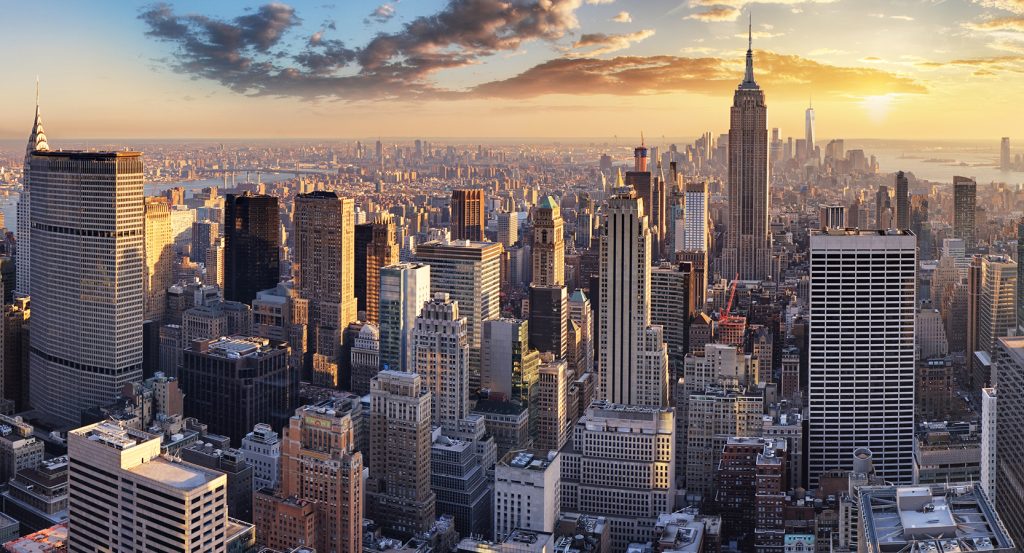
Why Gramercy Tavern matters.
Gramercy Tavern is a celebrated contemporary American restaurant where the Flatiron District's historic commercial architecture meets Danny Meyer's influential hospitality philosophy, seasonal cooking and one of New York's most consequential fine-dining institutions.
Set along East 20th Street near Park Avenue South and just steps from Madison Square Park, the restaurant occupies a nineteenth-century commercial building within the network of narrow side streets connecting Broadway, Union Square and the residential blocks surrounding Gramercy Park. Large street-facing windows open into a warm interior of exposed timber, polished wood, floral arrangements and furnishings that establish a distinctive relationship between historic architecture and contemporary restaurant design. The establishment contains two principal dining environments, with a thriving tavern organized around a substantial bar and a more formal dining room arranged for extended meals. Seasonal floral installations and changing decorative compositions give the rooms a visual character that develops throughout the year. The result is a restaurant whose architectural warmth and carefully differentiated dining spaces establish an intimate setting for one of Manhattan's most influential approaches to American hospitality.
What defines Gramercy Tavern.
Gramercy Tavern is best known for establishing a nationally influential model of contemporary American fine dining through Danny Meyer's hospitality philosophy and the culinary leadership of Tom Colicchio and Michael Anthony. Meyer opened Union Square Cafe in 1985, developing a restaurant organization around the belief that exceptional service begins with the treatment of employees and extends outward to guests, suppliers and the surrounding community. Gramercy Tavern followed in 1994 as a collaboration between Meyer and Colicchio, whose background included formative work at Quilted Giraffe and Gotham Bar and Grill. Colicchio became the founding executive chef, introducing seasonal American cooking grounded in French technique and a commitment to ingredient quality. The restaurant's original partnership helped establish Colicchio as a major figure in New York dining before he departed in 2006 to concentrate on his expanding restaurant ventures. Claudia Fleming became the founding pastry chef, developing a dessert program that gained national recognition for its restrained sweetness, seasonal fruit preparations and precise technique. Fleming received the James Beard Award for Outstanding Pastry Chef in 2000, strengthening the restaurant's reputation across both savory and pastry disciplines. Nancy Olson subsequently continued that pastry tradition through compositions shaped by seasonal ingredients and careful attention to texture. Michael Anthony joined Gramercy Tavern as executive chef in 2006 after working at Blue Hill at Stone Barns, bringing a culinary philosophy closely connected to regional agriculture and relationships with farmers. Anthony received the James Beard Award for Best Chef: New York City in 2012 and the award for Outstanding Chef in 2015, placing his work among the most recognized achievements in American restaurant cooking. The restaurant itself received the James Beard Award for Outstanding Restaurant in 2008, confirming its institutional importance within the national dining landscape. Meyer's Union Square Hospitality Group developed into one of the country's most influential hospitality organizations, with Gramercy Tavern serving as a defining example of the group's approach to service, employee development and culinary consistency. The restaurant's continued evolution connects three decades of American dining history through successive culinary leaders whose work helped establish seasonal cooking as a central principle of contemporary fine dining.
Michael Anthony's culinary approach places seasonal agriculture at the center of the restaurant's cooking, developing dishes through the relationships among ingredients, preparation techniques and the changing availability of regional produce. Vegetables occupy a substantial role in the kitchen's compositions, receiving preparations that emphasize natural sweetness, bitterness, acidity and texture through roasting, braising, grilling and careful seasoning. Seafood follows a similarly restrained approach, with precise cooking temperatures and supporting sauces designed to preserve the principal ingredient's character. Meat preparations draw on classical techniques through stocks, reductions and controlled roasting, creating depth through concentrated flavor and carefully managed richness. The kitchen's relationships with regional farms influence the selection of ingredients across the year, allowing individual vegetables and fruits to assume greater prominence during their strongest growing periods. Herbs, fermented components and acidic garnishes provide contrast within dishes, establishing balance through small adjustments in seasoning and texture. The tavern menu develops this approach through accessible preparations suited to a less formal dining structure, maintaining the same attention to ingredient quality and technical execution. The dining room extends the culinary program through a tasting-menu format that organizes successive courses into a carefully paced sequence. Pastry preparations emphasize seasonal fruit, chocolate, dairy and contrasting textures, bringing the same ingredient-centered discipline to the conclusion of a meal. Wine service supports the menu through selections from established European regions and American producers, connecting individual courses with appropriate levels of acidity, body and aromatic complexity. The restaurant's culinary character emerges through the continuity of these decisions, sustaining a recognizable approach to American cooking across changing seasons and evolving menus.
How Gramercy Tavern fits.
Gramercy Tavern works as the dining centerpiece for a Flatiron District itinerary connecting nineteenth-century architectural innovation, a major collection of decorative arts and a historic performance institution central to New York's cultural development.
Begin at Flatiron Building, designed by Daniel Burnham and completed in 1902 at the triangular intersection of Broadway, 5th Avenue and East 22nd Street. Originally known as the Fuller Building, the structure rose twenty-two stories on an unusually narrow site created by the convergence of Manhattan's street grid and Broadway's diagonal course. Its steel-frame construction allowed the building to achieve a slender profile that became one of the most recognizable forms in early skyscraper architecture. Architect Frederick P. Dinkelberg developed the design within Burnham's office, incorporating a limestone and terra-cotta exterior organized into a classical base, shaft and capital. The building became a frequent subject for photographers including Alfred Stieglitz and Edward Steichen, whose images helped establish its place in the visual history of New York. Continue to Museum of Arts and Design, founded in 1956 as the Museum of Contemporary Crafts by Aileen Osborn Webb. Webb established the institution to advance the recognition of contemporary craft and the work of artists whose practices crossed boundaries between functional objects and fine art. The museum developed through successive names and locations before moving into its Columbus Circle building in 2008. Architect Brad Cloepfil transformed the former Huntington Hartford Gallery of Modern Art into a contemporary exhibition space, introducing a distinctive exterior of glazed terra-cotta and glass. Its collections and exhibitions examine ceramics, glass, jewelry, fiber, metalwork and contemporary design, placing craftsmanship within broader developments in artistic production. Conclude at Irving Plaza, a historic performance venue whose building originated in the nineteenth century as a meeting and entertainment hall near Union Square. The property became associated with labor organizations, political gatherings and community events before developing into a major concert venue during the twentieth century. The modern music venue emerged in the 1970s and subsequently hosted performers spanning punk, new wave, rock, hip-hop and alternative music. Artists including the Ramones, Talking Heads and other influential acts performed there during the development of New York's late twentieth-century music culture. Its intimate auditorium and longstanding connection with emerging performers established Irving Plaza as a significant venue within the city's live-music history. The progression moves from an early skyscraper that transformed Manhattan's architectural image through a museum devoted to the evolution of craft and design and culminates in a performance hall whose successive uses trace the cultural history of Union Square.
Where your story begins.
Foresyte Travel reveals places that feel extraordinary long before you arrive.
Enjoy editorial crafted for luxury travelers.
Foresyte may earn a commission when you book.







































































































