Why Mountain Standard matters.
Mountain Standard is a wood-fired American gastrotavern where Vail Village's Alpine dining tradition meets the open-hearth cooking of the Rocky Mountain West and the restaurant legacy of Matt Morgan, Kevin Clair and the culinary team behind Sweet Basil.
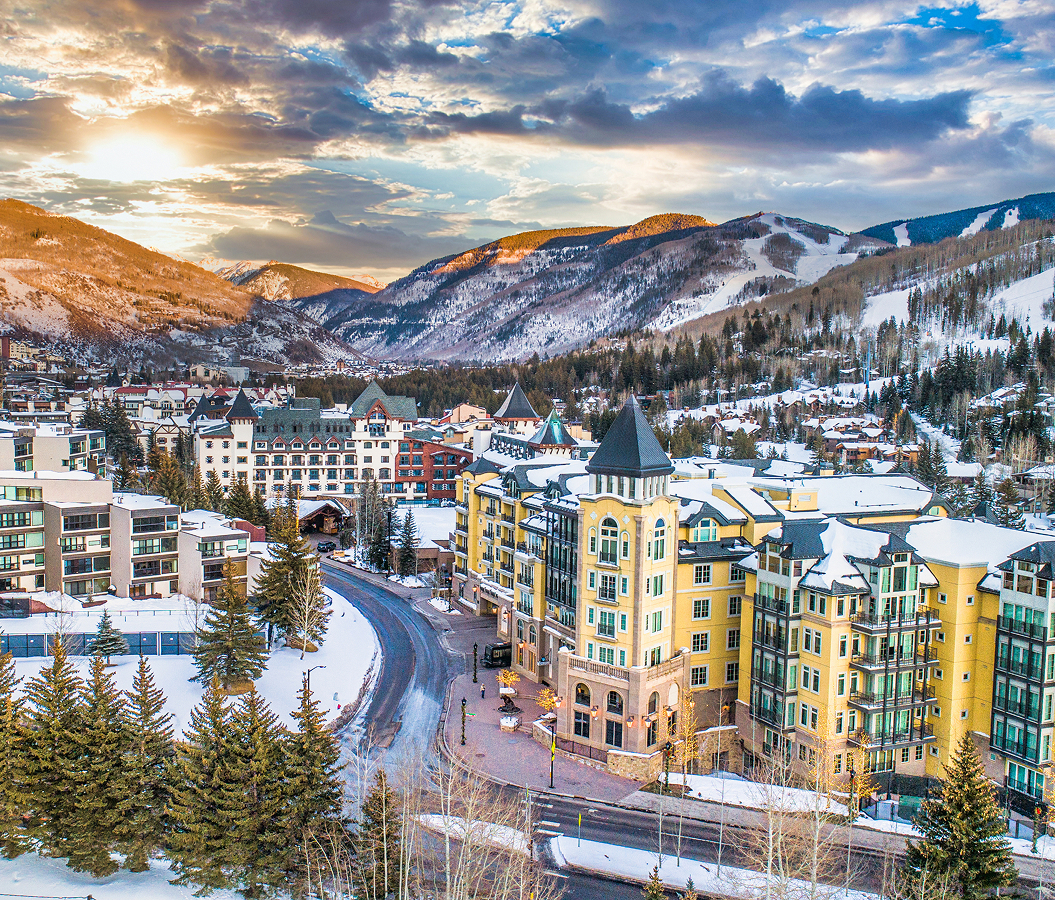
Set below Gore Creek Drive near Bridge Street and a short walk from the Covered Bridge, the restaurant occupies the creekside level of a commercial building in Vail Village, reached by a stone staircase descending from the upper pedestrian streets toward Gore Creek. Reclaimed timber, oak flooring and weathered steel establish an interior grounded in the building traditions of Colorado's mountain communities. An open kitchen places the wood-burning grill and rotisserie within view of the dining room, making live-fire cooking central to the restaurant's physical arrangement. Creekside seating extends the dining area toward the water, with views of the surrounding pedestrian pathways and forested mountain slopes. The result is a mountain restaurant whose exposed cooking equipment, rustic architectural finishes and intimate waterfront setting connect Vail's established culinary traditions with the communal character of an American tavern.
What defines Mountain Standard.
Mountain Standard is best known for its December 2012 opening by Sweet Basil partners Matt Morgan and Kevin Clair, who established a wood-fired restaurant centered on open-flame grilling, rotisserie cooking and the shared dining traditions of mountain taverns. The project originated during a period when Sweet Basil, founded by Clair in 1977, had developed into one of Vail's most influential independent restaurants. Morgan joined that establishment as a busboy in 1987, subsequently working as a server, bartender and manager before becoming managing partner in 1999. His professional progression established a long-term partnership with Clair, combining the founder's culinary experience with Morgan's operational leadership. The partners acquired the spaces formerly occupied by Blu's restaurant and an adjoining fly-fishing shop, creating a new dining establishment along the lower pedestrian walkway. Their plans centered on a wood-burning grill and rotisserie, establishing a cooking program distinct from the more elaborate contemporary American preparations associated with their original restaurant. Reclaimed wood and rusted steel became principal architectural finishes, connecting the interior with the practical construction traditions of mountain settlements. Executive chef Paul Anders assumed responsibility for the culinary programs of both restaurants, coordinating their development under shared leadership. Brian Brouillard, previously chef de cuisine at Sweet Basil, became the founding kitchen leader at Mountain Standard. The original menu incorporated rotisserie chicken with creamy wild rice, coal-roasted root vegetables and lemon-herb gravy, establishing the combination of open-fire cooking and substantial regional ingredients. The restaurant introduced continuous afternoon service, accommodating the changing schedules of skiers, mountain workers and village diners. Its success influenced Sweet Basil's subsequent menu development, encouraging the introduction of more shared dishes and a less formal dining arrangement. Clair retired in 2017, and Morgan acquired his remaining ownership interest in both establishments. Jessenia Sanabria became managing partner of operations in 2023 after progressing through the restaurant group's bar and management positions. Will Edwards assumed executive culinary leadership across the two establishments in 2025, continuing the relationship between their kitchens. Mountain Standard's development extended the influence of Vail's independent restaurant community through a cooking tradition centered on wood, flame and regional ingredients.
McLean Hyde's kitchen organizes its cooking around the contrasting effects of direct heat, smoke and the slower roasting provided by the restaurant's wood-burning equipment. The open grill produces a browned exterior on proteins and vegetables, allowing fat and cooking juices to interact with the fire beneath. Rotisserie cooking exposes meat to sustained radiant heat, distributing rendered fat across the surface during repeated rotations. Wood-grilled octopus develops charred edges and a tender interior, drawing upon Mediterranean seafood preparations. Rotisserie lamb gyro combines shawarma-spiced meat with avocado tzatziki, cucumber salad and pita, incorporating Middle Eastern seasoning into the restaurant's principal cooking technique. The Standard Steak Burger receives pimento-cheddar fondue, bacon and bread-and-butter pickles on a brioche bun, combining grilled beef with Southern American accompaniments. Blackened rainbow trout with gumbo introduces Louisiana cooking traditions through a seasoned fish preparation and a richly flavored stew. The raw bar provides a separate sequence of seafood dishes, including oysters on the half shell and kanpachi crudo with coconut green goddess dressing, shiso salsa verde and sesame-puffed rice. Ahi tuna carpaccio incorporates burnt-orange vinaigrette, fennel and Calabrian chile oil, balancing the fish's texture with citrus and spice. Roasted yams and baby kale receive pomegranate, queso fresco, fried shallots and sesame-miso dressing, combining roasted vegetables with contrasting acidity and crunch. The rotisserie chicken salad incorporates pickled Asian pears, Vidalia onions, pecorino and pistachio dressing, extending the kitchen's fire-cooked preparations into lighter dishes. Dessert preparations include a chocolate mud pie with dark chocolate crémeux, candied pecans and ice cream, preserving the substantial character of American tavern desserts. Seasonal cocktails incorporate fresh herbs, fruit and house preparations, including ingredients roasted on the rotisserie. Sommelier Jeremy Gramling directs a wine selection spanning French, Italian, Spanish and American producers, with varieties suited to smoked meats, seafood and charred vegetables. The restaurant's eighteen-seat bar accommodates complete meal service, preserving the informal relationship between cocktails, cooking and conversation characteristic of its founding concept.
How Mountain Standard fits.
Mountain Standard works as the culinary centerpiece for a Vail Village itinerary connecting Colorado's military skiing heritage, the conservation of alpine plant life and the performing arts institutions that established the Gore Valley as a year-round cultural destination.
Begin at Colorado Snowsports Museum, situated beside the village's principal parking structure near South Frontage Road. The institution preserves historical skis, snowboards, military uniforms, photographs and equipment associated with the development of winter sports throughout Colorado. Its exhibitions examine the United States Army's 10th Mountain Division, whose soldiers trained at Camp Hale before serving in Italy during World War II. Specialized military equipment connects the division's mountain training with the technical development of American skiing. The Colorado Snowsports Hall of Fame recognizes athletes, instructors, equipment innovators and industry figures whose contributions shaped the state's winter sports institutions. Continue to Betty Ford Alpine Gardens, situated within Ford Park east of the village center. Founded in 1985 and named for former First Lady Betty Ford, the gardens cultivate alpine plants originating in mountainous environments across the world. Their botanical collections demonstrate adaptations to short growing seasons, intense sunlight and challenging mountain soils. Rock gardens, waterfalls and carefully arranged planting beds provide access to species associated with different elevations and geographical regions. Educational programs examine alpine ecology, plant conservation and the environmental pressures affecting fragile high-elevation habitats. Conclude at Gerald R. Ford Amphitheater, the outdoor performing arts venue situated beside the gardens in Ford Park. Opened in 1987 and named for President Gerald Ford, the amphitheater became an important center for Vail's summer cultural programming. Its covered stage, terraced seating and landscaped lawn accommodate orchestral performances, dance productions and community events against a mountain backdrop. The venue hosts Bravo! Vail and the Vail Dance Festival, connecting the mountain community with internationally recognized musicians and dance companies. The progression moves from Colorado's skiing heritage through the conservation of alpine environments and culminates in the performing arts institutions that expanded Vail's cultural significance beyond winter recreation.
Where your story begins.
Foresyte Travel reveals places that feel extraordinary long before you arrive.
Enjoy editorial crafted for luxury travelers.
Foresyte may earn a commission when you book.