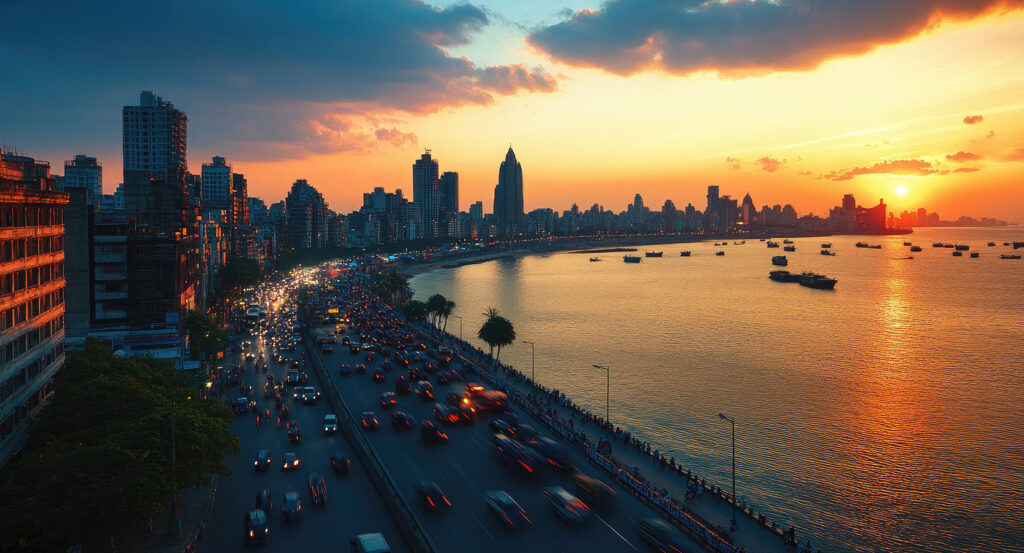
Why Colaba matters.
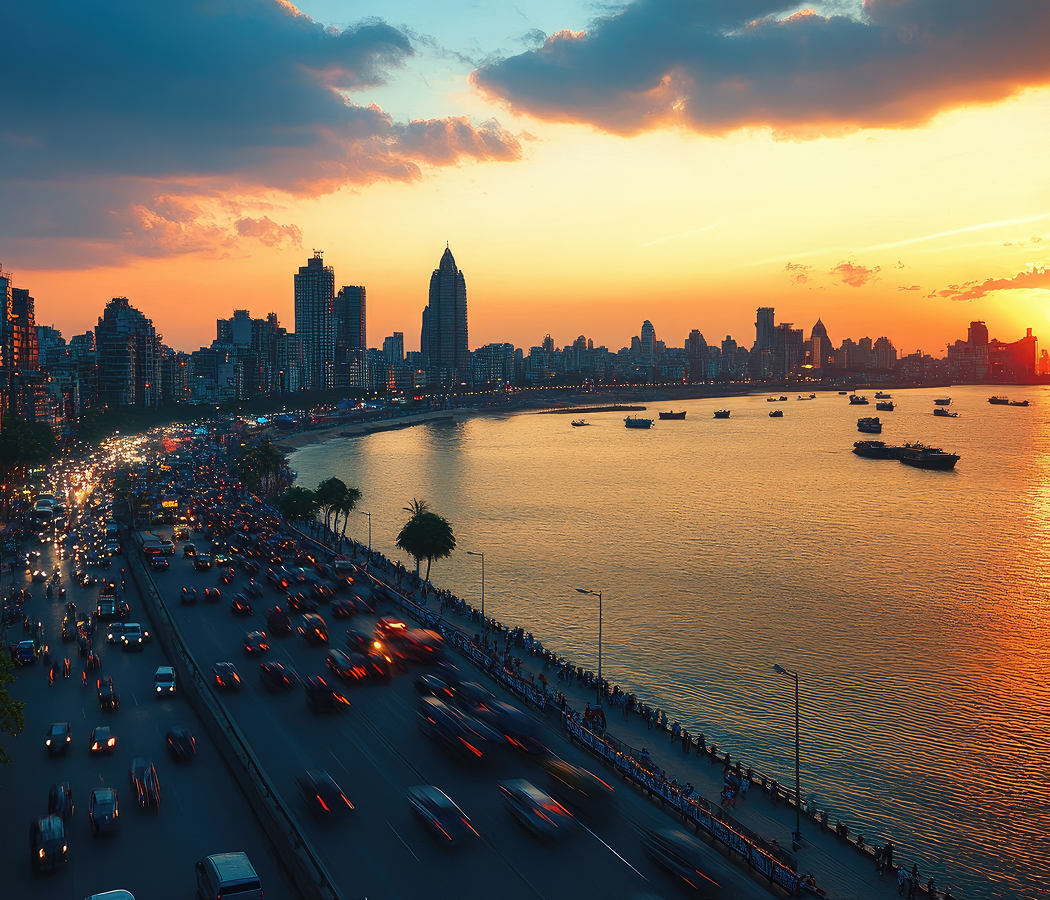
Colaba is among the city's most iconic waterfront districts, where colonial elegance, maritime history, and cosmopolitan energy converge at the southern tip of the peninsula.
Historic hotels, waterfront promenades, art galleries, thriving markets, naval landmarks, heritage architecture, and energetic cafés create a neighborhood that balances old-world grandeur with contemporary urban life. Once a separate island within the original seven islands of Bombay, Colaba evolved into a strategic military and commercial district during the colonial era. Its proximity to the harbor attracted merchants, travelers, naval institutions, and cultural figures who helped shape one of Mumbai's most internationally recognized neighborhoods. Over time, the district became synonymous with exploration, commerce, and cosmopolitan living. Today, visitors encounter a neighborhood that feels historic, energetic, and globally connected. To the north, Fort's remarkable concentration of heritage architecture and financial institutions extends the colonial legacy that helped define Colaba's development. Every promenade, arcade, and waterfront landmark reflects a district shaped by trade, culture, and life by the sea.
What defines Colaba.
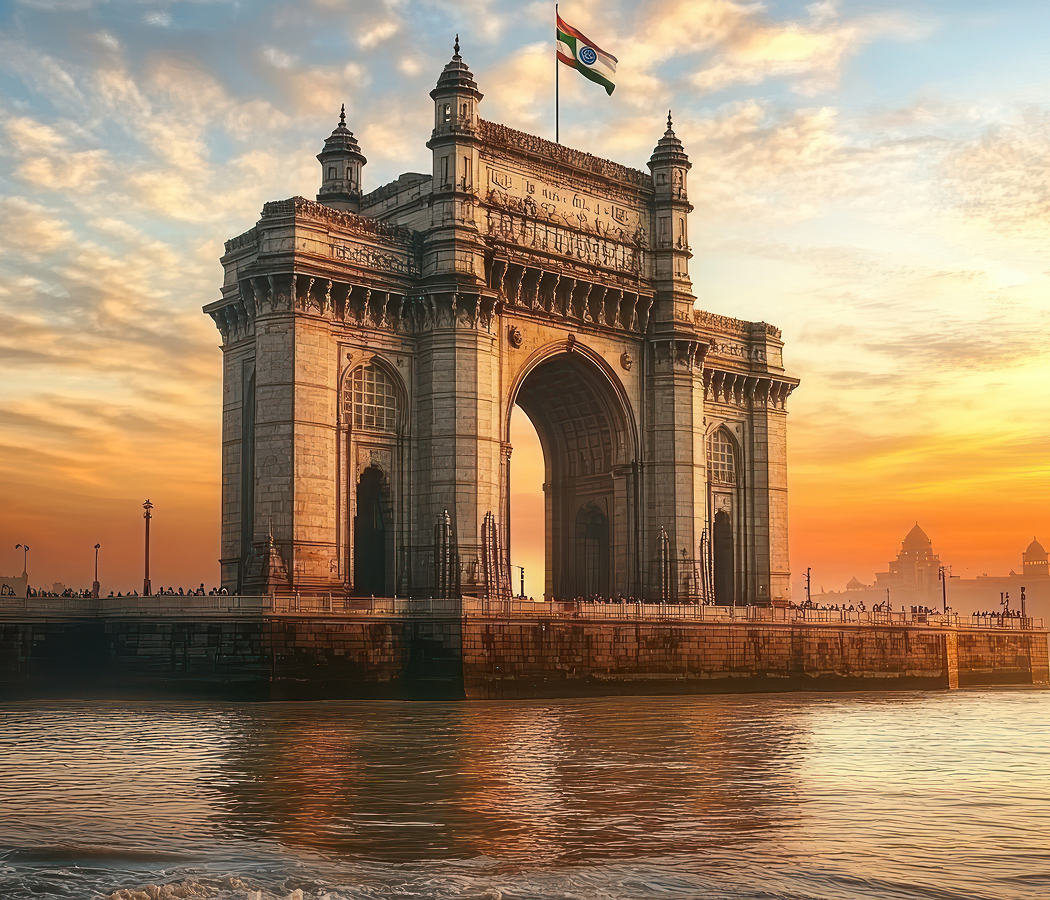
Colaba is best known for being home to the Gateway of India, Mumbai's most recognizable landmark.
Completed in 1924, the monument was built to commemorate the visit of King George V and Queen Mary to India and quickly became one of the defining symbols of the city. Positioned on the waterfront overlooking Mumbai Harbour, the structure welcomed generations of dignitaries, travelers, merchants, and immigrants arriving by sea. Over time, the Gateway became more than a ceremonial monument, evolving into a symbol of Mumbai's character and its historic connection to global trade and travel. Today, it remains one of India's most visited landmarks and a focal point for both residents and visitors. Few places in the country possess such a powerful visual and historical association with a major city.
How Colaba fits.
Colaba works as an exploration of waterfront landmarks, cultural institutions, and historic streets that reveal Mumbai's maritime heritage.
Begin at the Gateway of India, where the neighborhood's defining relationship with trade, travel, and imperial history immediately comes into focus. Continue toward the Taj Mahal Palace Hotel, whose renowned architecture and storied past reveal the luxury and international influence that have long defined the district. From there, make your way to Colaba Causeway, where thriving shops, local vendors, cafés, and historic façades provide a broader perspective on the neighborhood's enduring commercial energy. Along the route, you'll encounter waterfront promenades, art galleries, heritage buildings, naval landmarks, boutique stores, cultural institutions, and public gathering spaces that showcase Colaba's remarkable character. Together, these destinations reveal how Colaba evolved from a harbor outpost into one of Mumbai's most celebrated and recognizable neighborhoods.
Where your story begins.
Foresyte Travel reveals places that feel extraordinary long before you arrive.
Enjoy editorial crafted for luxury travelers.
Foresyte may earn a commission when you book.